


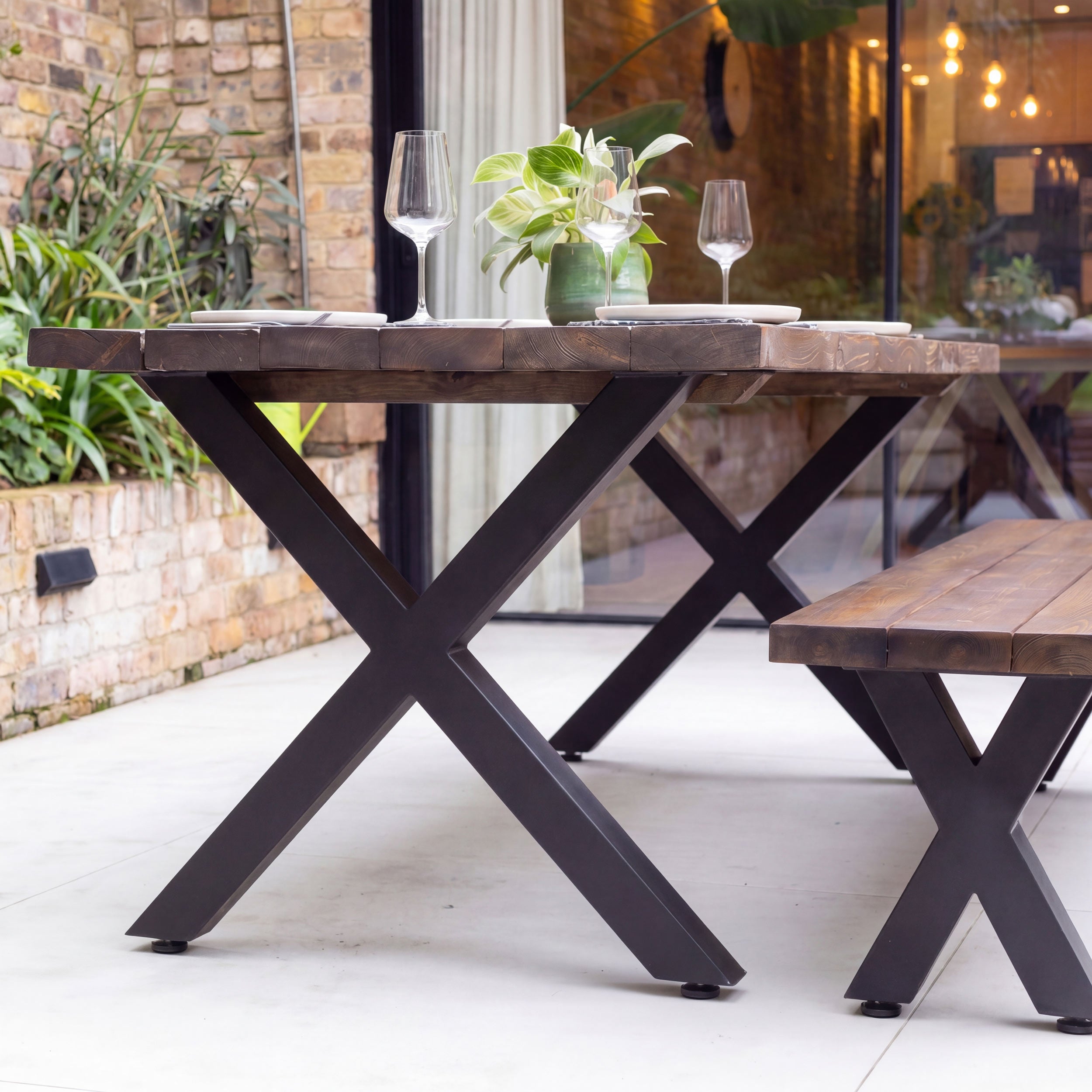
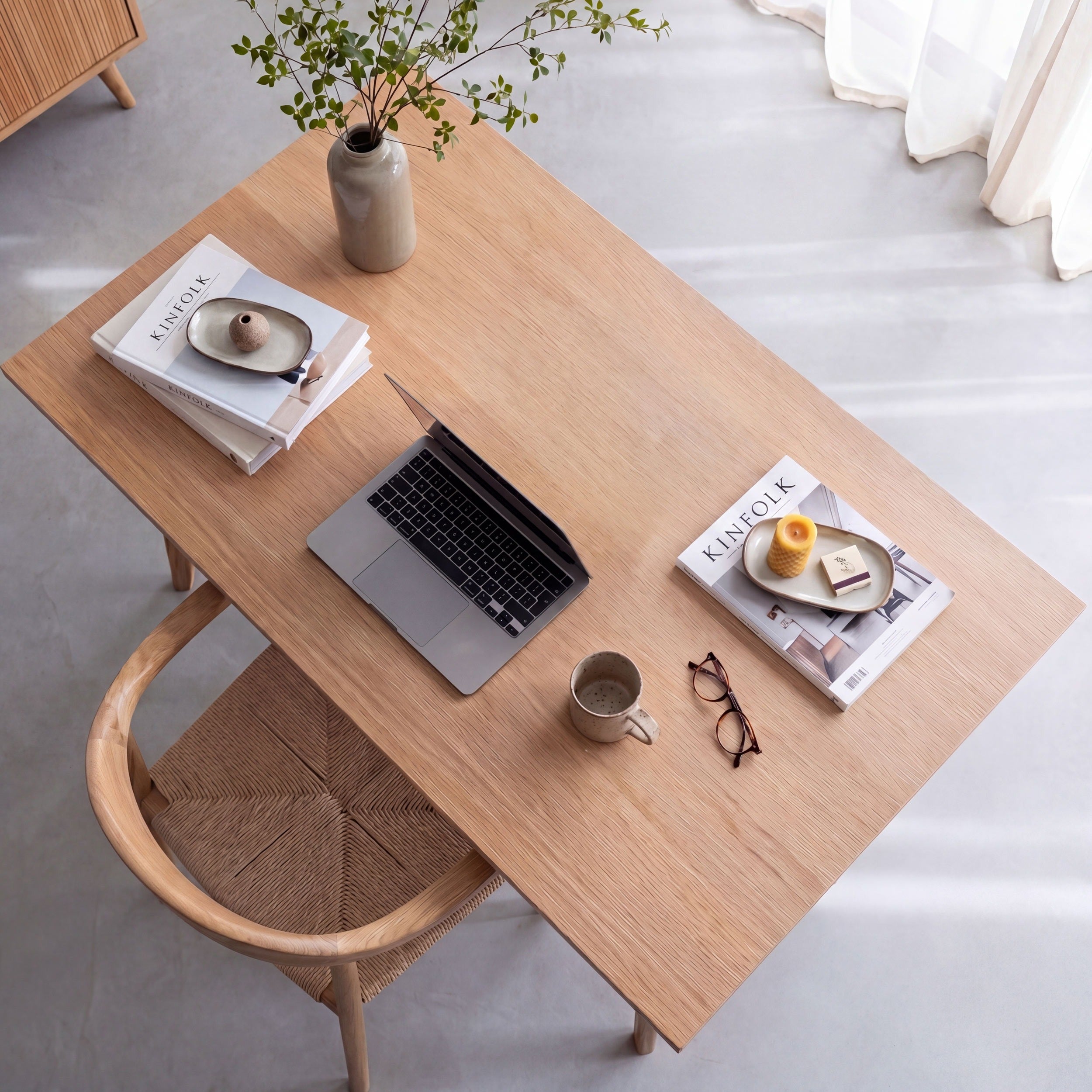


We see so much controversy on the concept of building furniture from construction lumber. People say the quality isn’t up to par, and the structural integrity of your furniture will be compromised. Others say furniture won’t look good. We’re here to challenge these notions.
The truth is, using construction lumber for furniture can be a really cost-effective way to create custom works of art when you know what you’re doing. These pieces end up having an unmistakable rustic charm, and they’re super easy to work with as well.
We’ll provide tips on pairing our furniture legs with construction lumber below, as we’ve seen our customers produce some absolutely stunning pieces. From choosing the right grade to acclimation, accounting for wood movement, and finishing techniques, learn all there is to it!
But before you get started building, set yourself up for success with the right wooden furniture legs or metal furniture legs, right here at The Hairpin Leg Co. These legs are made for makers and DIYers alike, always crafted with precision, durability, and style in mind. Shop now!
“I wanted to turn a spare table top into a table, and literally about 24 hours after my first Google search, I had a table! The legs I bought are strong and clearly of good quality, and at a great price. There's nothing here that's not to like.” - Simon
“I ordered two sets of the same bench legs from Hairpin Legs. The products were delivered promptly (with next-day dispatch) and were of good quality.” - Jessie
“Seems like a top-quality product that is very well made. It arrived quickly and was easy to assemble.” - Jim
What is Construction Lumber?
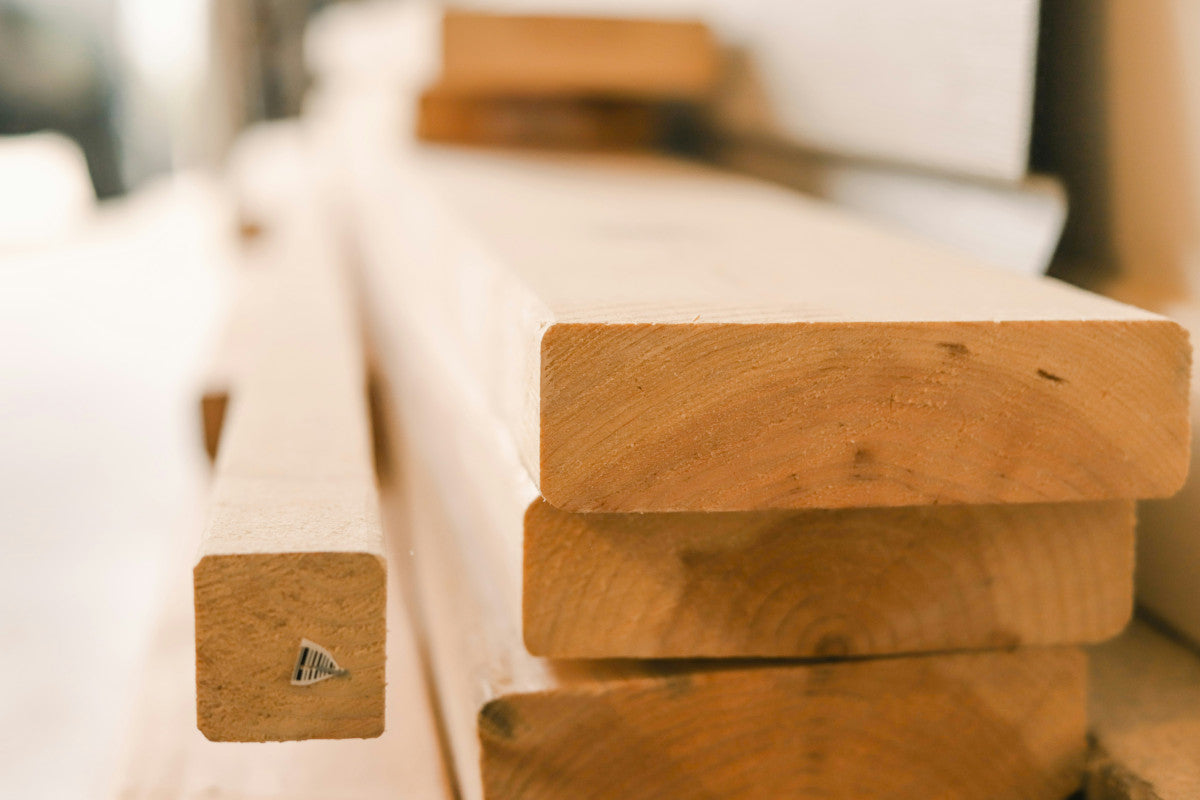
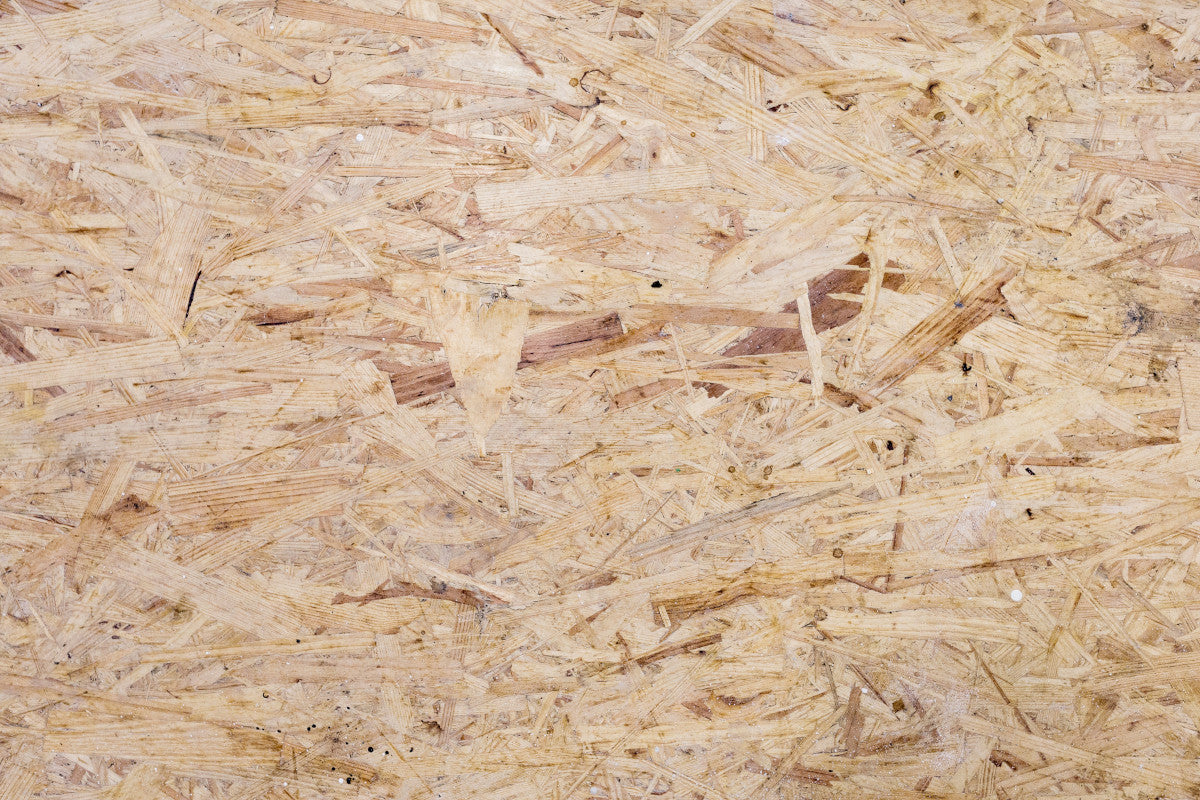
This is the type of softwood timber you’ll find in any builder’s merchant, usually pine, spruce or fir. It’s often cut for framing houses rather than fine joinery. That means it’s graded for structural strength, not appearance. You’ll see wider grain, the odd knot, and a slightly higher moisture content than furniture-grade boards.
Most construction lumber is plain-sawn and made with quick, practical construction work in mind. Still, plenty of makers turn to it for an affordable, easy-to-work-with material for tables, benches, cabinets, you name it.
But is using construction lumber for furniture a good idea, or are these types of projects doomed from the get-go?
Pros and Cons of Using Construction Lumber for Furniture
As with any building material, there are tradeoffs to consider before you use construction lumber for furniture. It can work beautifully in the right projects, but you have to set your expectations.
Why Some People Are Hesitant to Build Furniture From Construction Lumber
We get why construction lumber has a less-than-stellar reputation in the woodworking community. There are a few common complaints we see:
- Boards can arrive with knots, twist or uneven grain that take extra sorting and prep.
- Higher moisture levels mean the timber might shrink or cup as it settles indoors.
- Softwood is prone to denting under daily use, especially on tabletops or seating.
- Plain-sawn grain moves more aggressively than quarter-sawn hardwood.
- Some makers dislike the rustic look. They prefer a clean, uniform appearance.
- Older woodworking advice leans heavily towards hardwood for long-term stability.
Benefits of Building Furniture From Construction Lumber
It’s definitely not the ideal material for every project. But construction lumber certainly has its place, and we’ve seen a lot of our customers create stunning pieces with it. Benefits include:
- It’s far cheaper than kiln-dried hardwood, so you can stay within budget.
- Softwood cuts, planes, and sands with less effort. It’s great for beginners.
- Boards are available everywhere, so you can start a project without hunting for stock.
- The knots and grain variations bring character to rustic-style furniture.
- Wide boards let you build larger pieces without complicated glue-ups.
- Great for prototypes or first-time builds before switching to premium materials.
Alternatives to Construction Lumber for Different Types of Projects
Only you can determine if the pros of building furniture from construction lumber outweigh the cons, or vice versa. It’s worth knowing your options, though, if you decide to take a different approach. Here are some common alternatives to construction lumber:
- Plywood: Ideal for modern or Scandinavian designs where you want flat, stable panels.
- Hardwood boards: Better for pieces that take heavy wear - AKA dining tables/benches.
- Laminated pine panels: Cleaner and more predictable than standard framing timber.
- Oak, ash, or beech: Our pick for crisp edges and stronger long-term durability.
- MDF: Works for painted projects or built-ins where texture isn’t required.
- Softwood PAR timber: A neater version of construction lumber for smaller indoor builds.
Whatever you do, don’t rule out construction lumber just because you’ve heard bad things about it. You can easily create a beautiful work of art with our tips below!
Tips on Using Construction Lumber for Furniture
Our advice when building furniture from construction lumber is to treat it like the material it is, rather than the material you wish it was. Here are some tips to help you turn these softwood boards into solid tables, benches and utility pieces that hold up well indoors.
Choose Higher-Grade Timber
Not all construction lumber is made equal. Start by setting yourself up for success with the straightest, cleanest boards you can find. C24 kiln-dried timber is the best for UK builders because it’s stronger, drier and usually has fewer defects than standard C16.
Look down each board like you would sight a cue: you’ll spot any twist, bow, or crook straight away. If the project is going indoors, pick timber stored inside the merchant rather than outside in the yard. Extra time spent picking better stock pays off when it’s time to sand and assemble!
Acclimating the Lumber
You can expect your lumber to arrive wetter than furniture-grade wood, so give it some time to settle before you begin cutting. Bring it into the room where the finished piece will live and lay the boards out with spacers so air can reach all sides.
A few days is usually enough, but thicker slabs could need up to a week. The goal is to get timber that won’t move dramatically the moment it’s cut or jointed. Even still, though, you’ll need to plan for some wood movement.
Account for Wood Movement
Softwoods move more through the seasons than hardwoods. That’s inevitable. You need to allow for slight expansion and contraction in your build.
Tabletops are the biggest area to get right. Fix rails or legs using slots or figure-8 fasteners rather than locking the top rigidly in place. Keep the grain running in the same direction as you glue boards together. Avoid mixing pieces with wildly different ring patterns.
Proper Finishing Techniques
Construction lumber is rarely ready for finish straight off the saw. You need to spend some time sanding it down, usually with a coarse grit to level out rough patches. Then, work steadily up to a smoother surface. Expect the odd low spot or knot. Don’t chase a flawless, glassy finish.
As for finishing your furniture, a hardwax oil or a good quality stain works wonderfully. You can get better protection without hiding the grain that makes your furniture so charming.
Take your time on the edges for a cleaner, modern look. You might even consider a slightly thicker film finish to shield against dents. Learn more about how to install furniture legs in our blog if you’re ready to tie it all together. Otherwise, the only thing left to do now is get started!
Discover the Best Selection of Furniture Legs Online Today
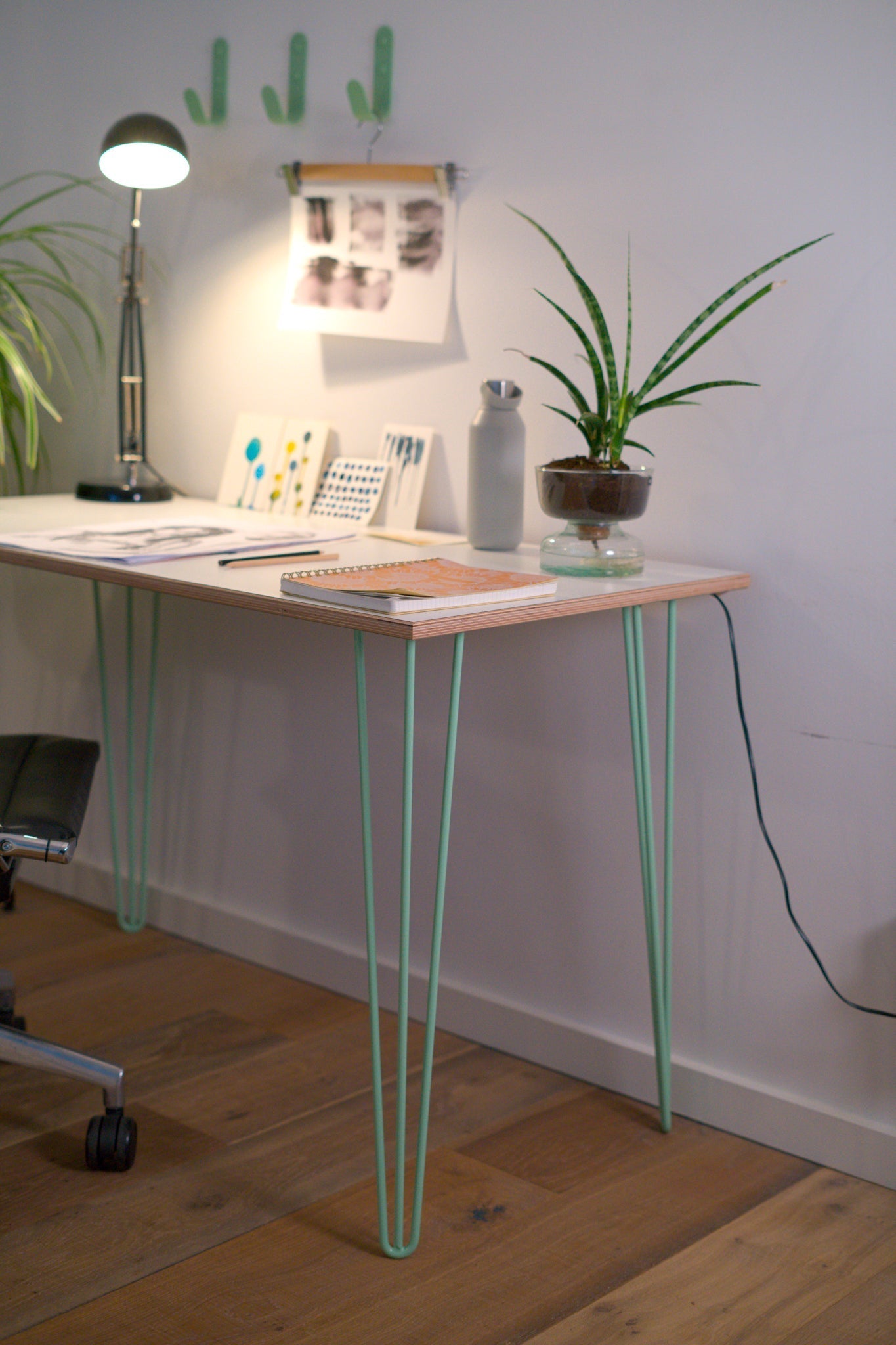
The right set of legs can turn a simple top into a real piece of furniture, and that’s exactly what we help makers do. From our cabinet legs to breakfast bar legs and all the different types of table legs you can imagine, we have what you need to hit the ground running.
Our range is built for people who care about clean welds, solid construction and hardware that behaves the way it should in a finished piece. For more than a decade now the UK has trusted us for top-tier products and even better customer service.
We’re best known for our hairpin legs, made in multiple heights and rod configurations for everything from side tables to full dining builds. Want a heavier look? Our box-section frame legs give larger tops the necessary stability. We even have stool bases and bench legs.
Every option is designed with the maker’s workflow in mind, from mounting plates that line up cleanly to finishes that look sharp out of the box. Your order is backed by our 60-day money-back guarantee, too, so you can shop with confidence. Begin your next project now!
Final Words on Building Furniture From Construction Lumber
Using construction lumber for furniture is a highly contentious topic, but we think people don’t give this material enough credit. Building furniture from construction lumber absolutely makes sense when you go about it the right way. You get a practical, affordable building material.
But, the lumber you use is just one piece of the puzzle. You need the right legs for your furniture, too. That’s where we come in. Our maker-grade legs and components give construction-lumber builds the strength and finish you’d expect from professional builds.
Don’t settle for less than the best. Shop The Hairpin Leg Co. today!

Leave a comment
This site is protected by hCaptcha and the hCaptcha Privacy Policy and Terms of Service apply.