




Filters





Seat height
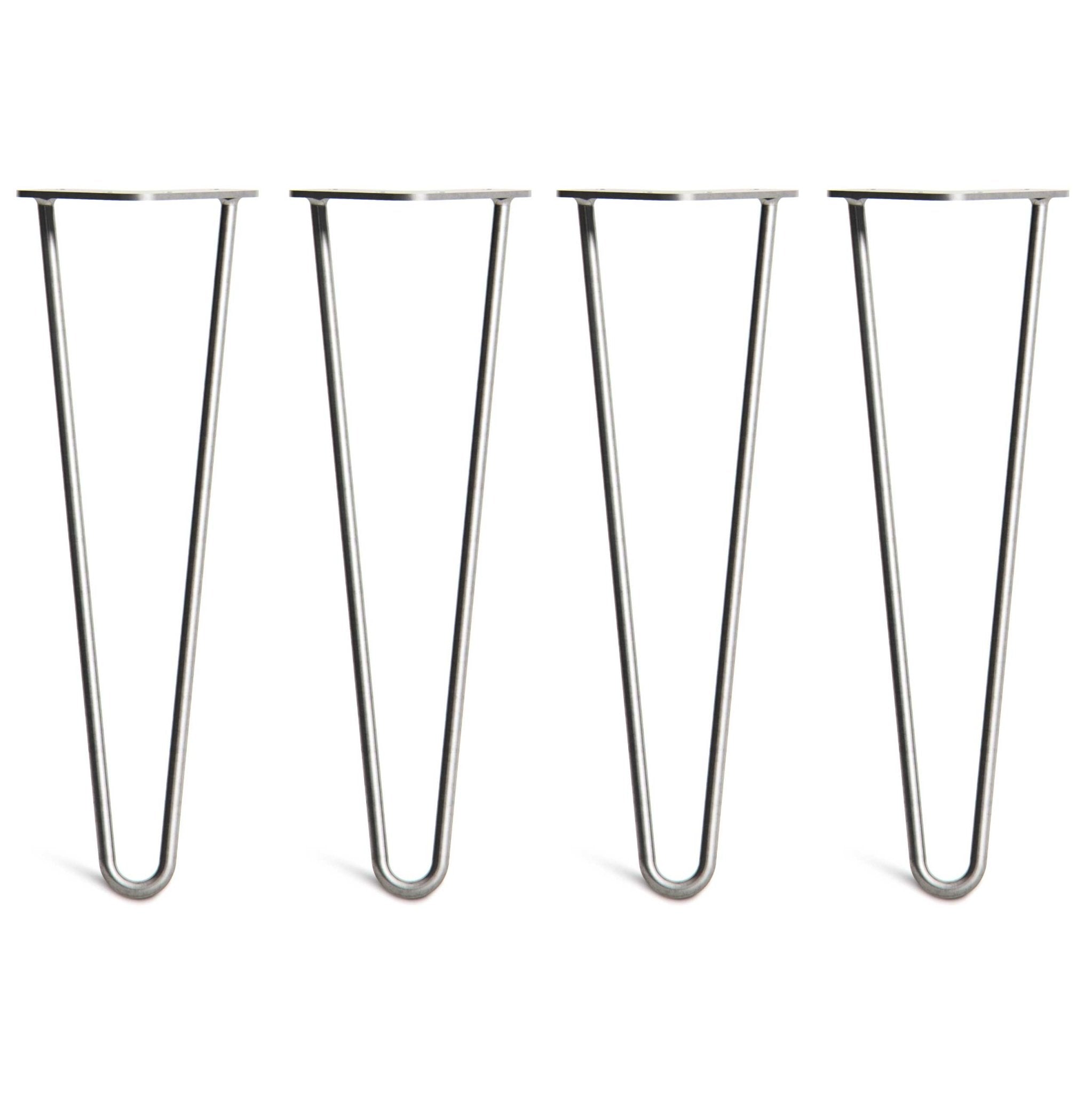
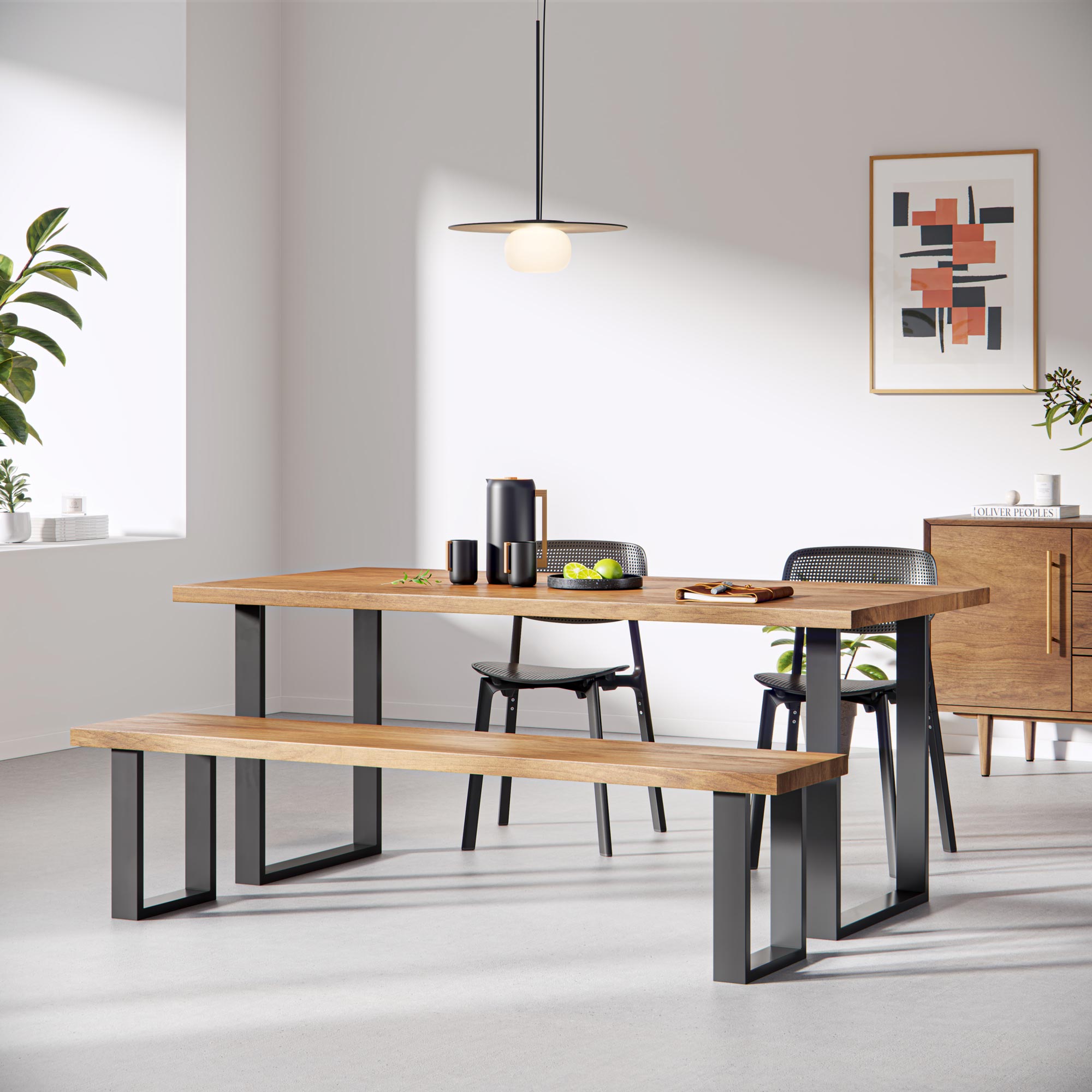
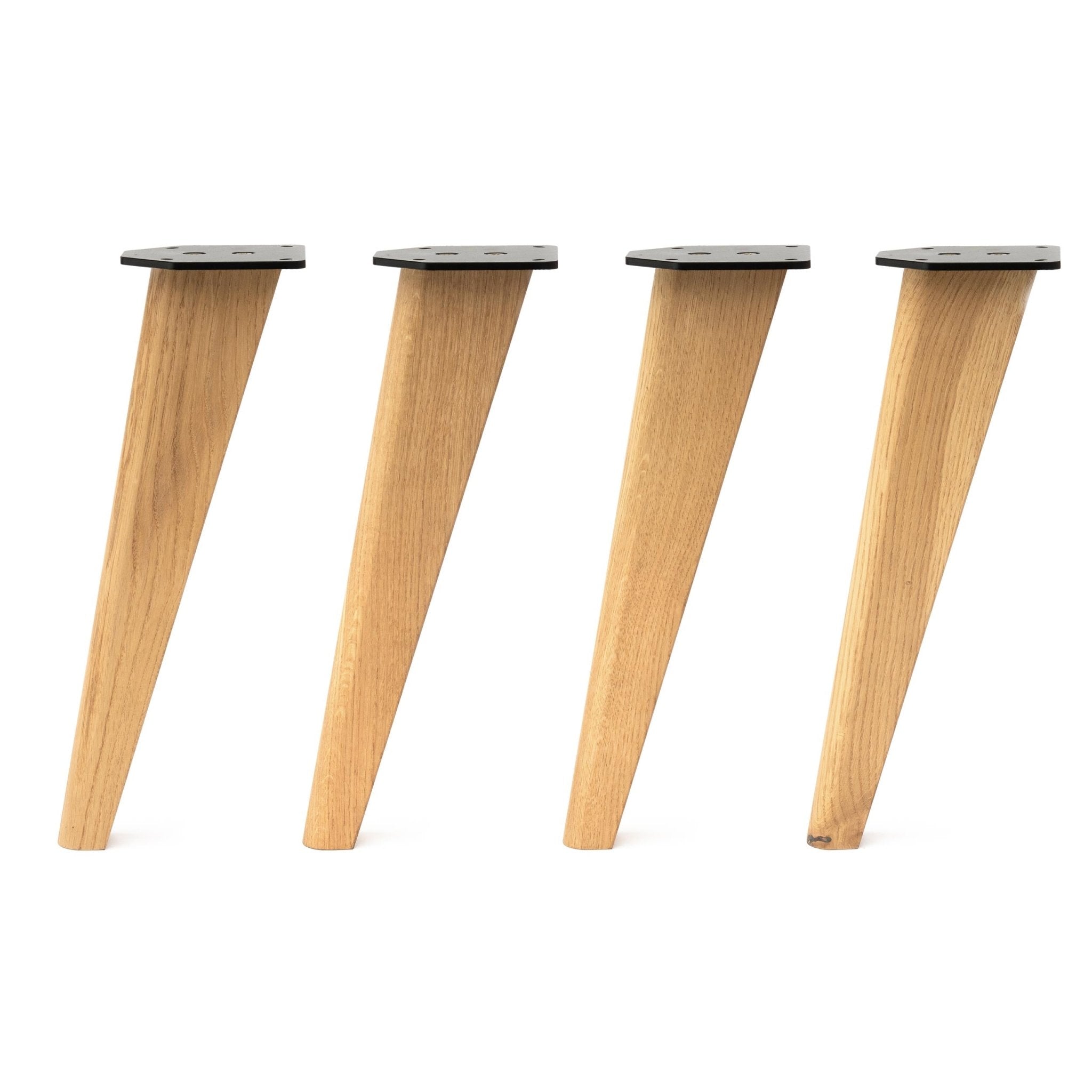
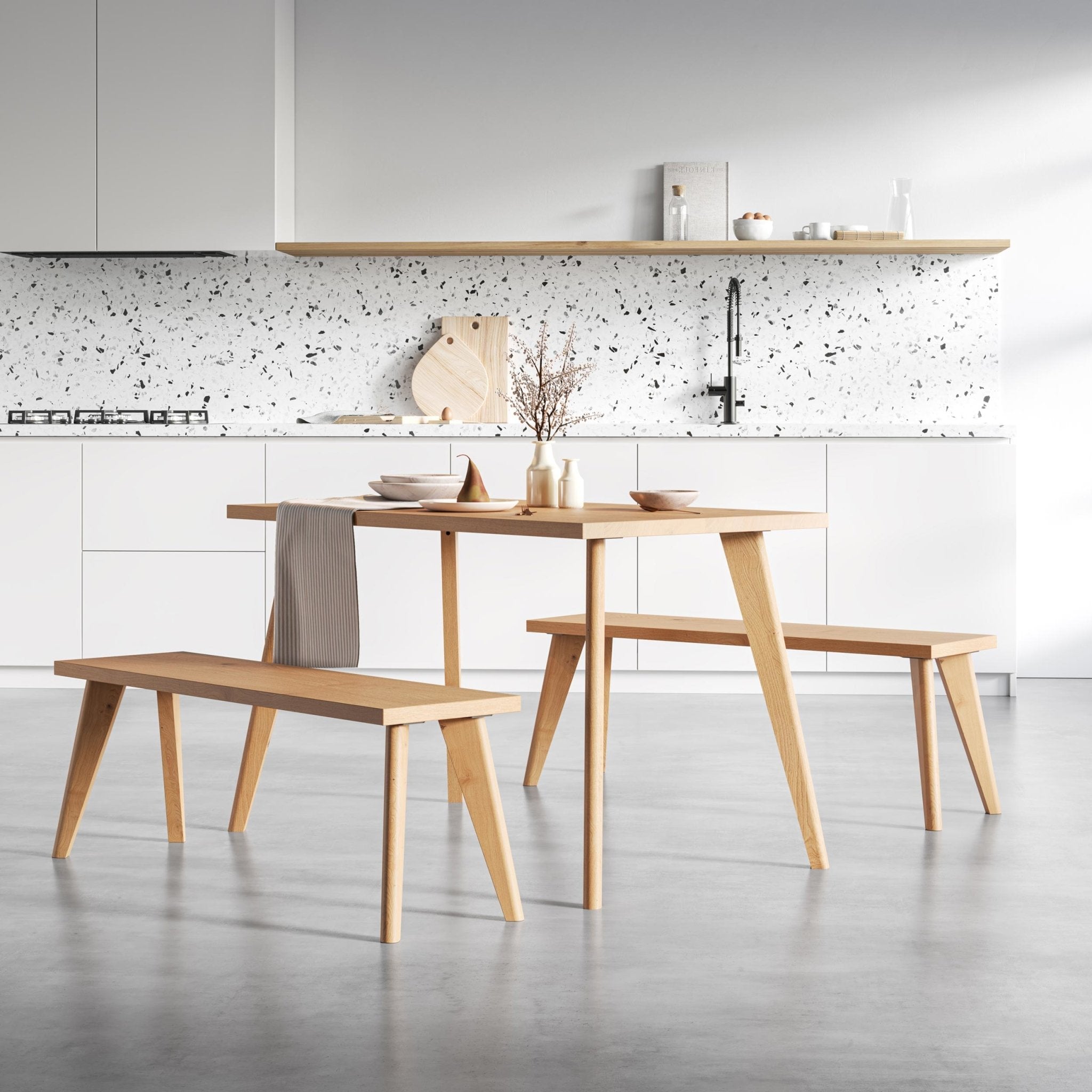
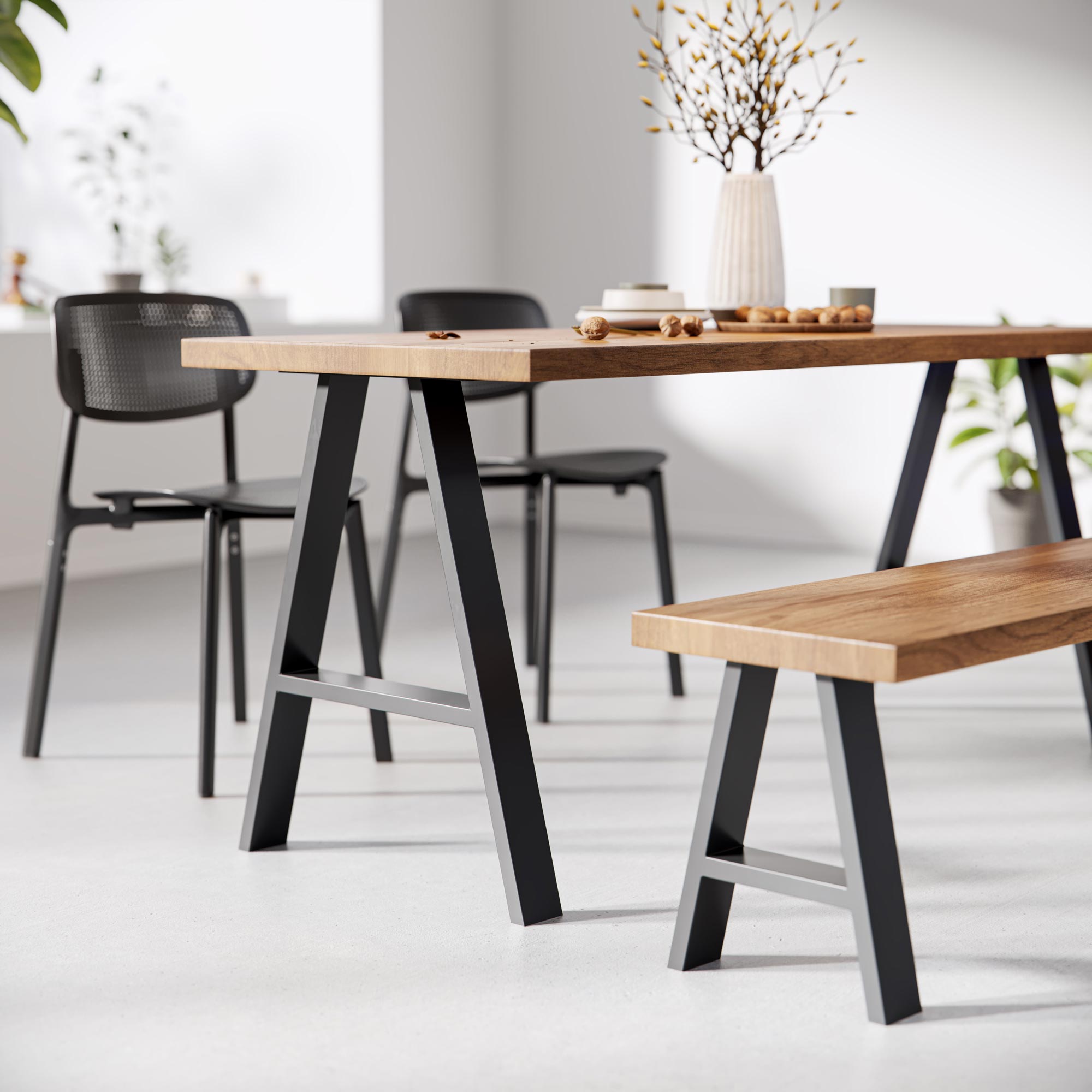
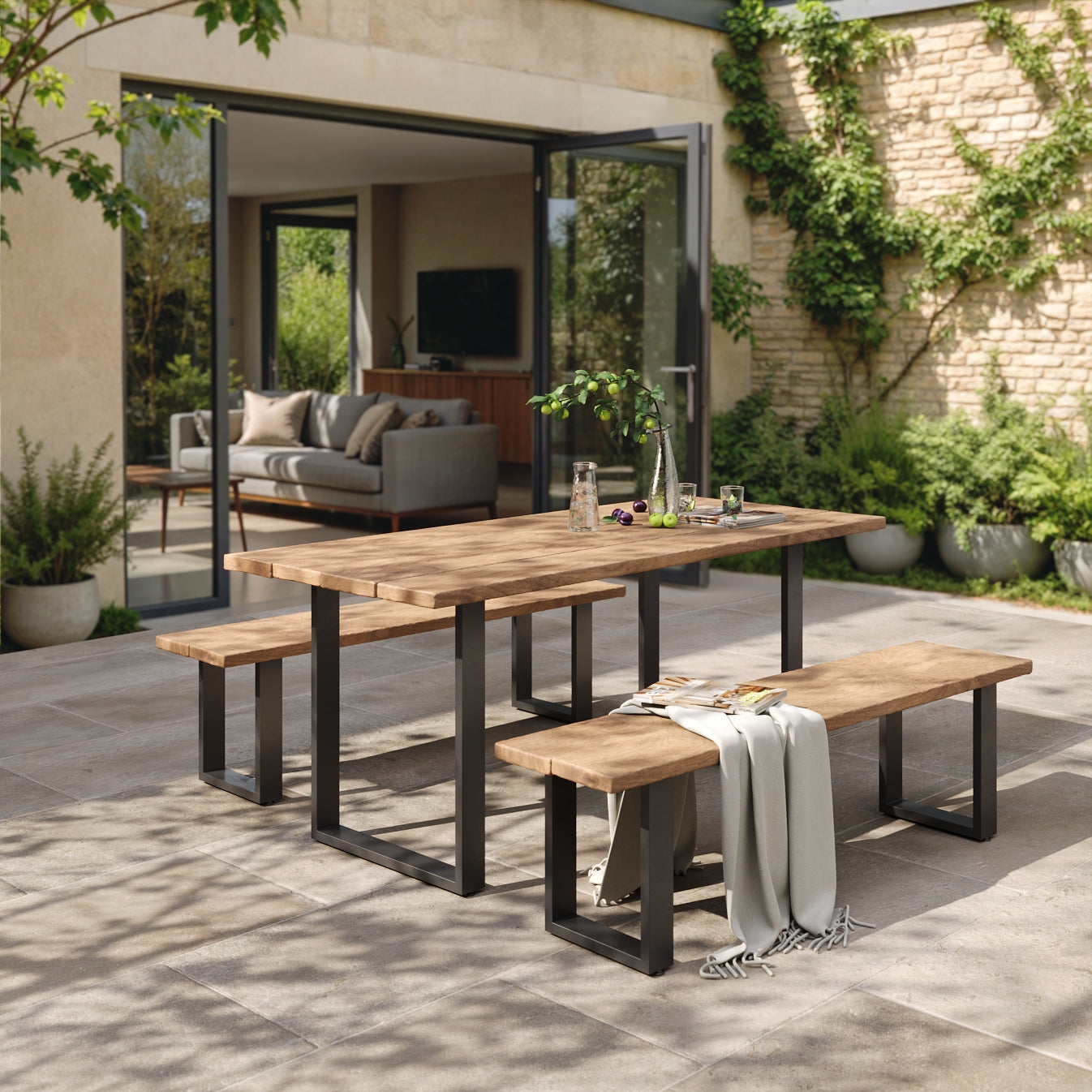
Every leg in this collection is 40cm tall, standard bench seat height, and it pairs with a 71cm dining table. For the right seat-to-table relationship, use a similar top thickness on the bench and the table: a 40cm bench and a 71cm table then leave a gap of around 30cm between the seat and the tabletop, which is the ergonomic standard for comfortable dining. Once your seat is fixed on top, you sit at a level made for eating, working or pulling up alongside a table.
How many people it seats
Seating comes from the length of the seat, not the legs. As a rough guide a 120cm bench seats 2, 150cm seats 2 to 3, and 180cm seats 3 to 4. Choosing a different leg style does not change how long the bench can be; the legs only need to support the weight.
Choosing a style
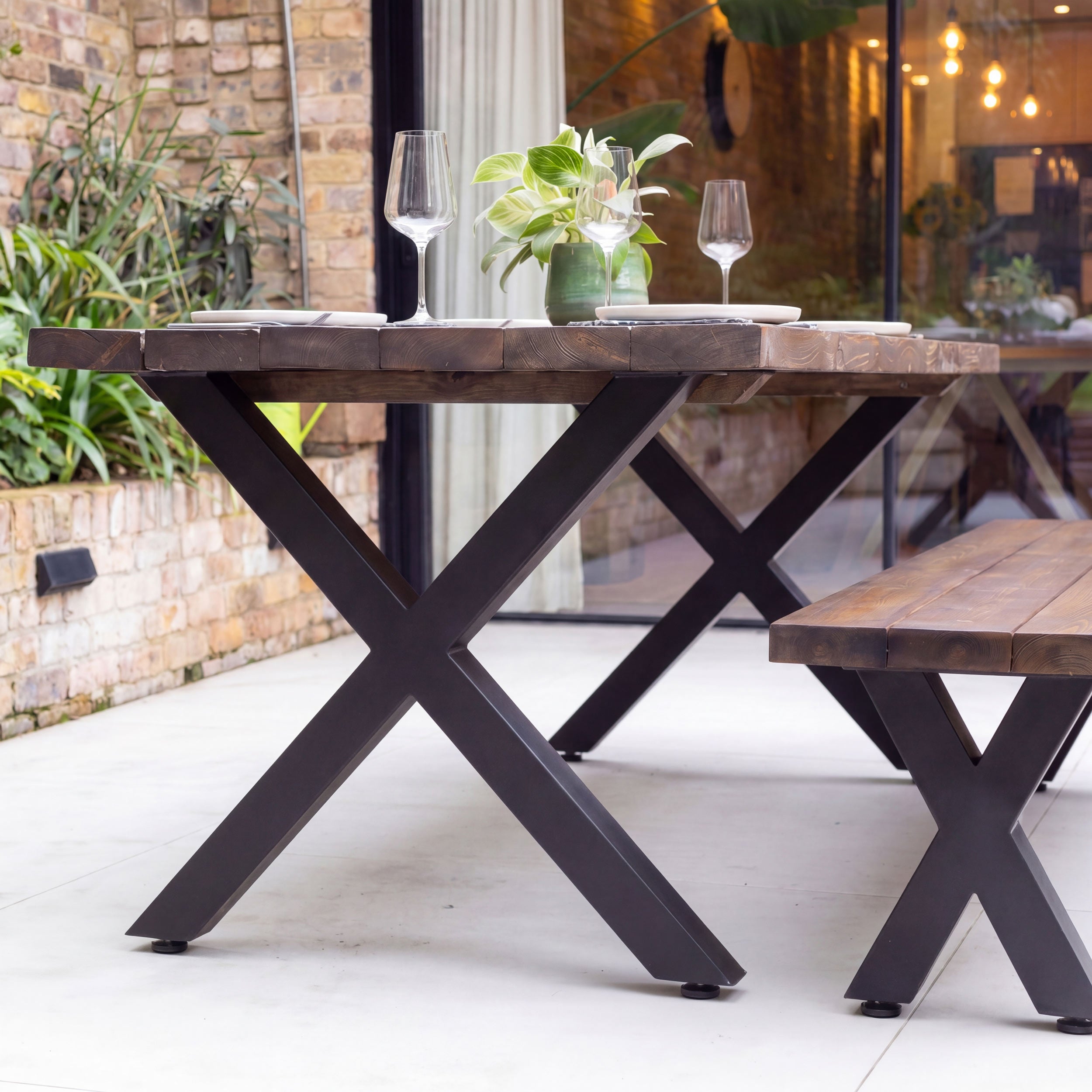
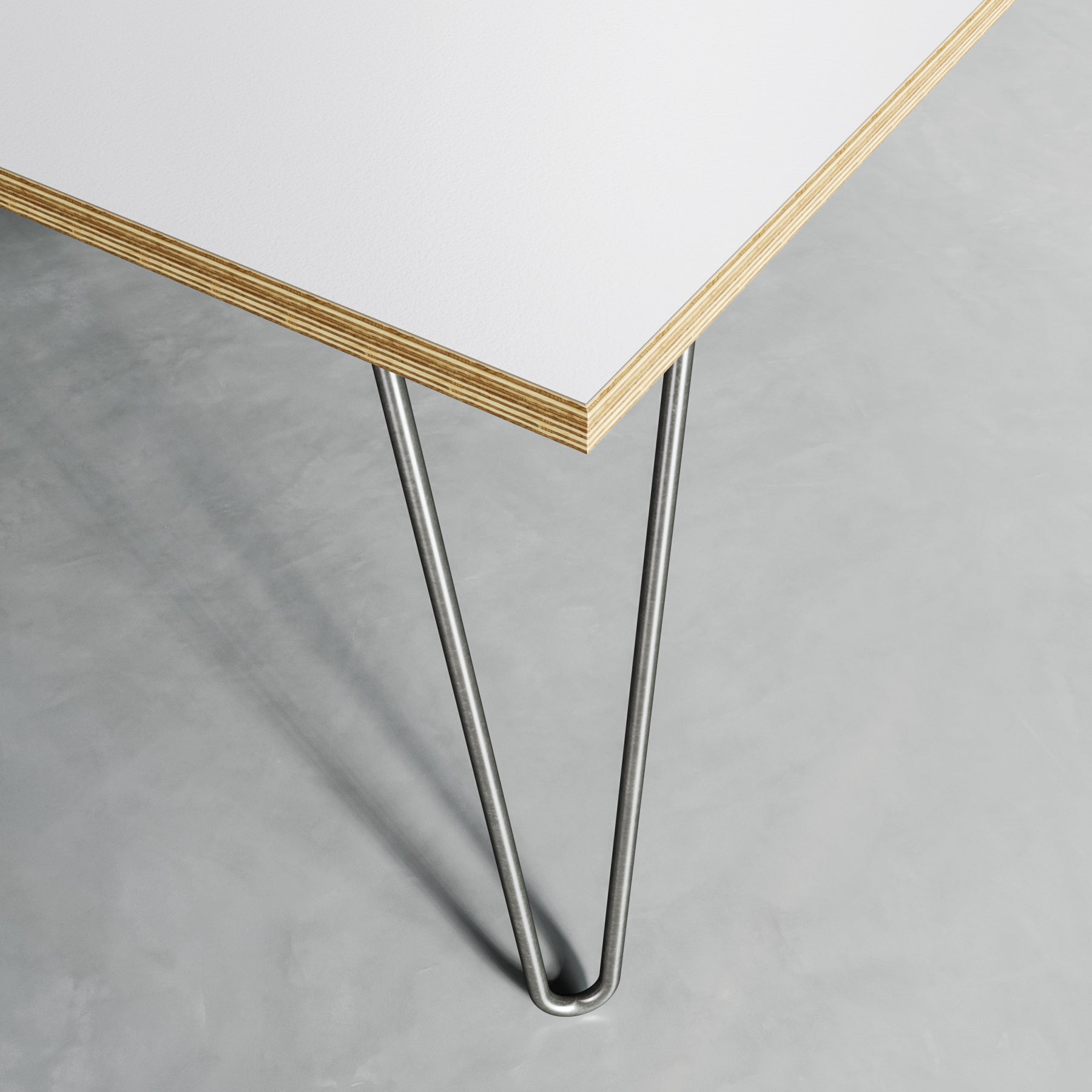
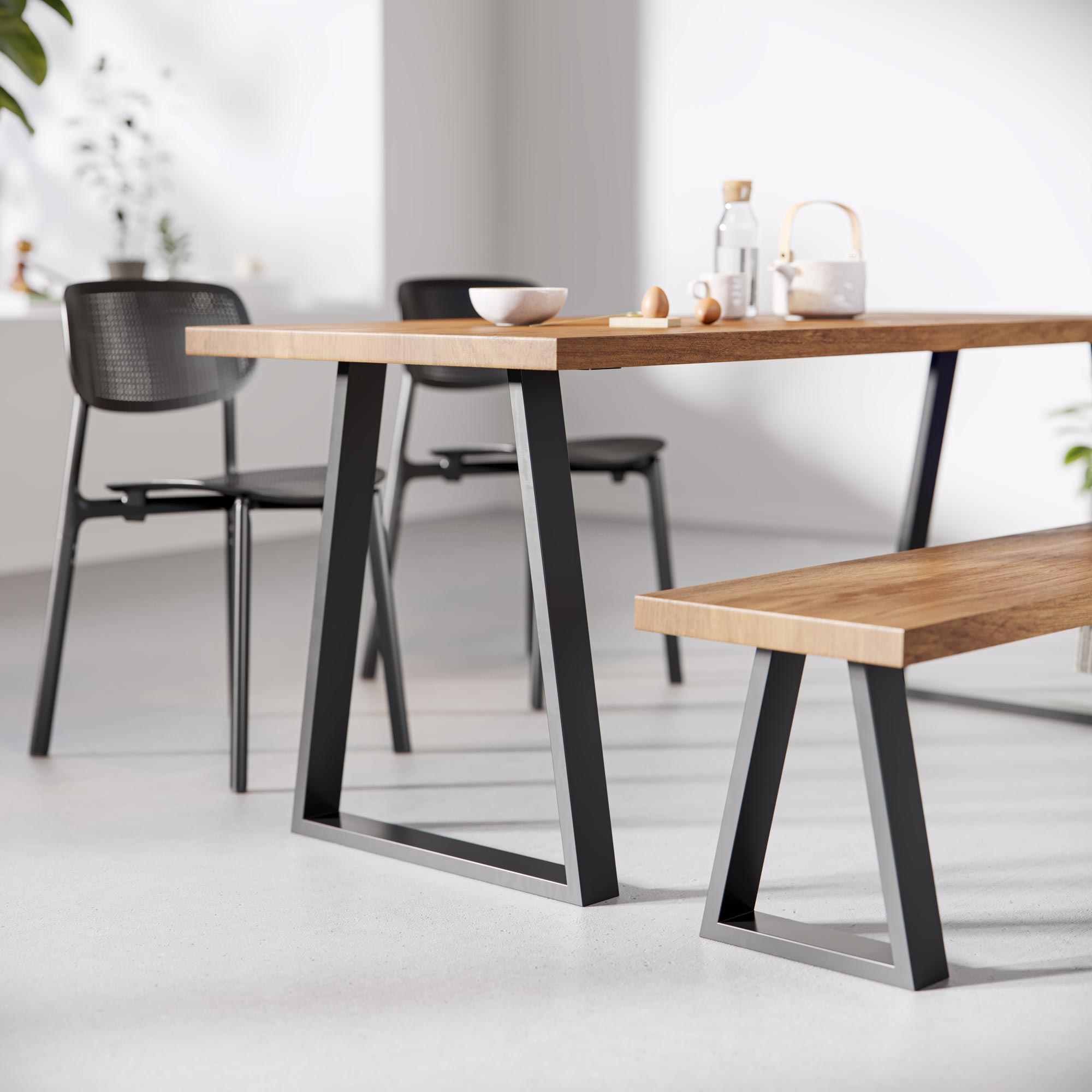
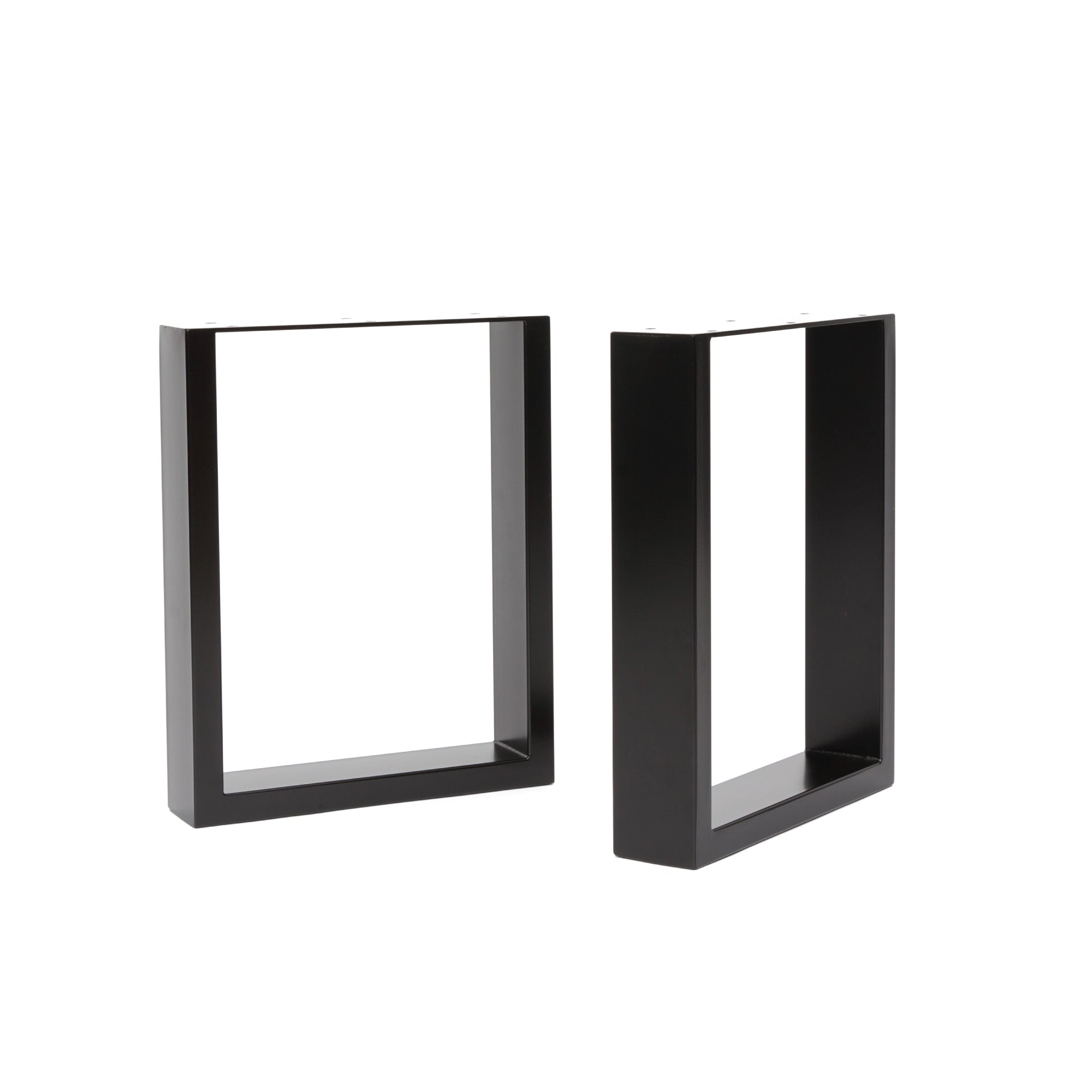
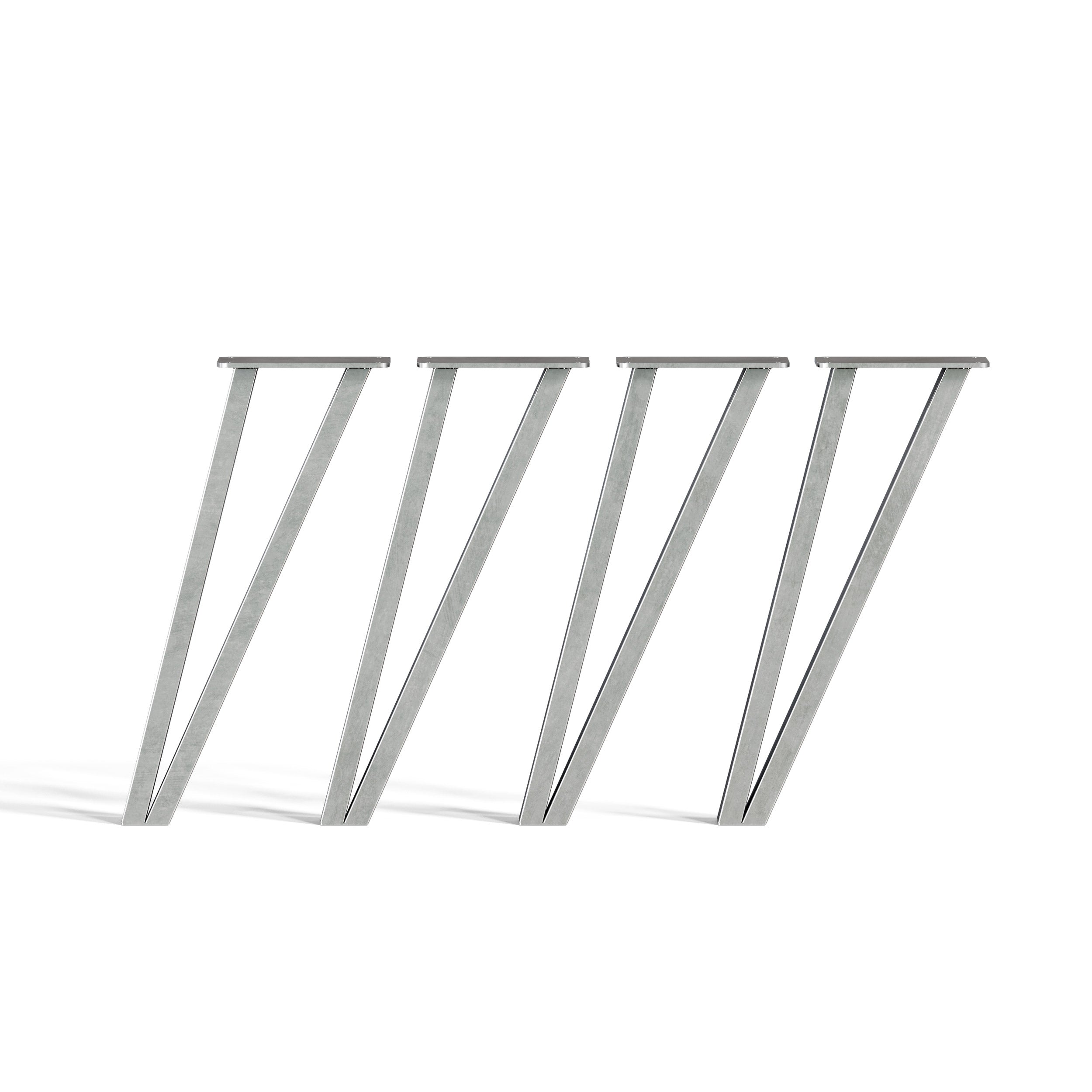
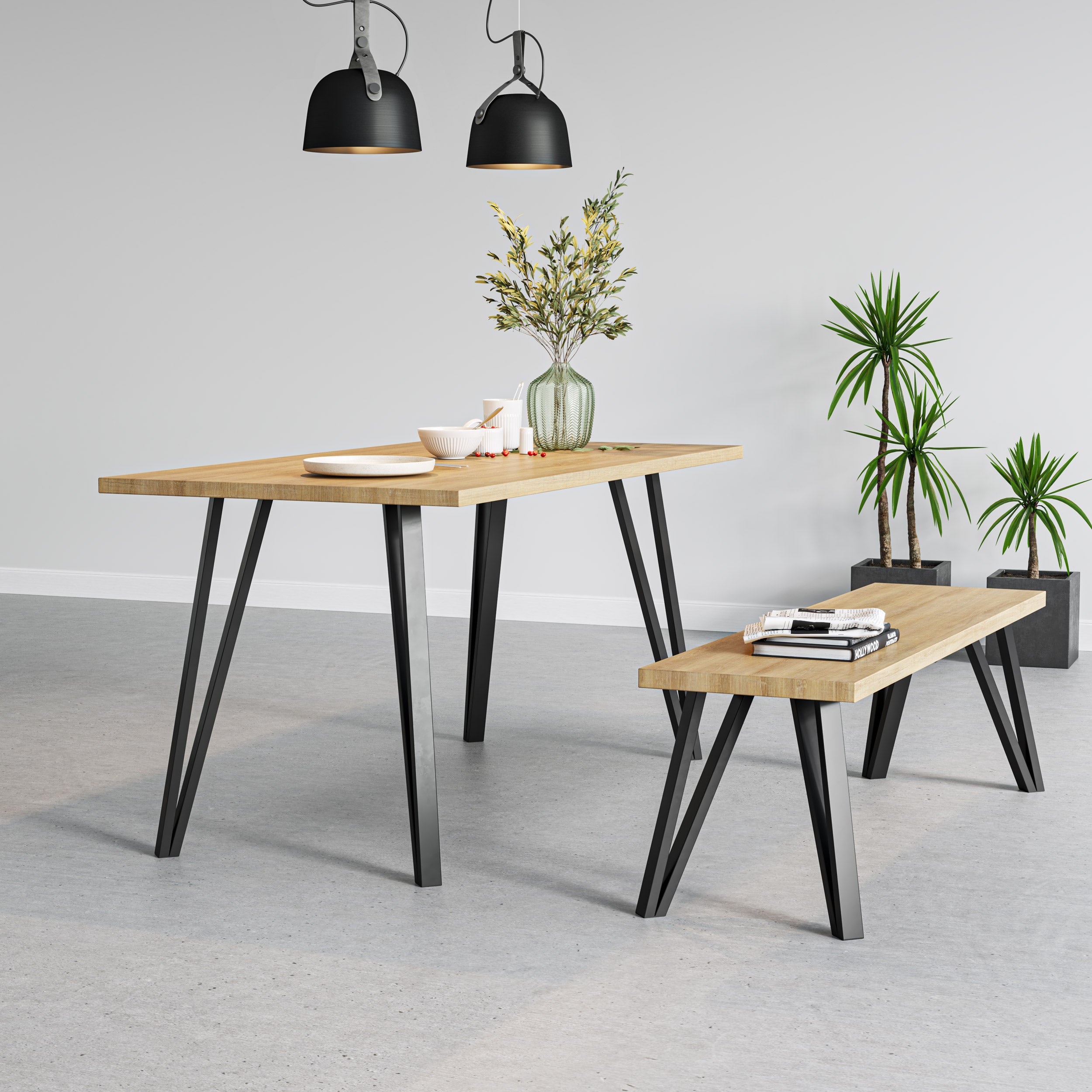
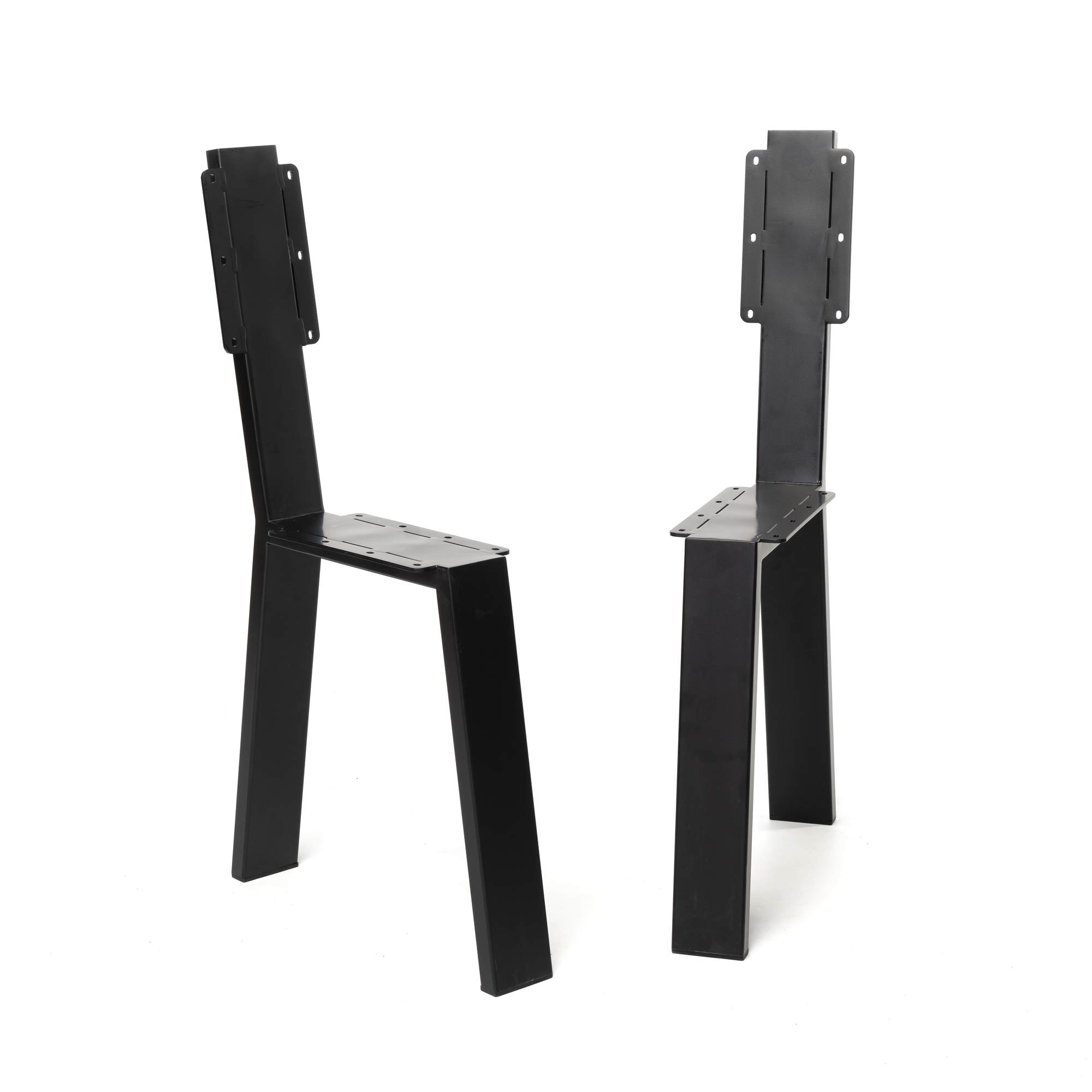
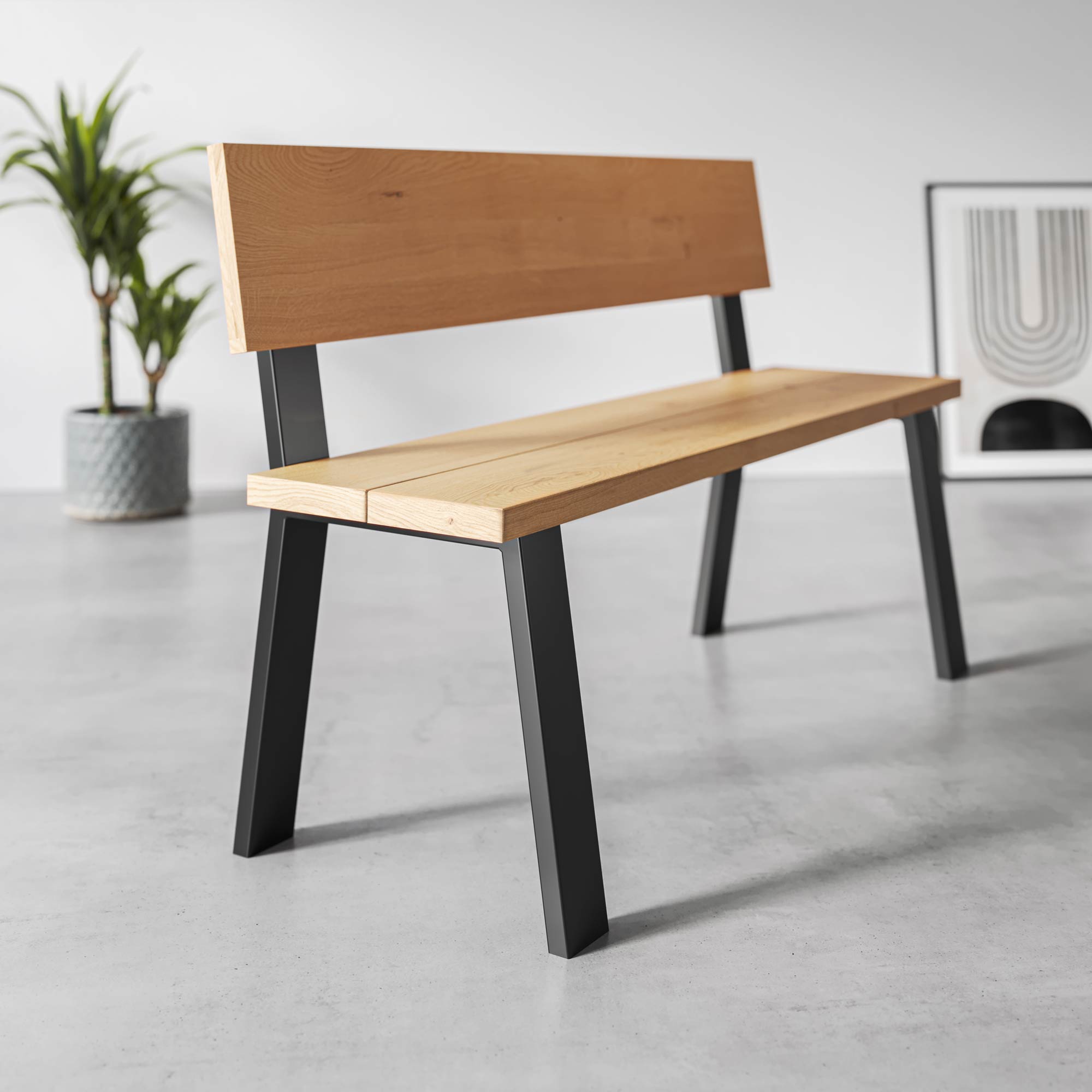
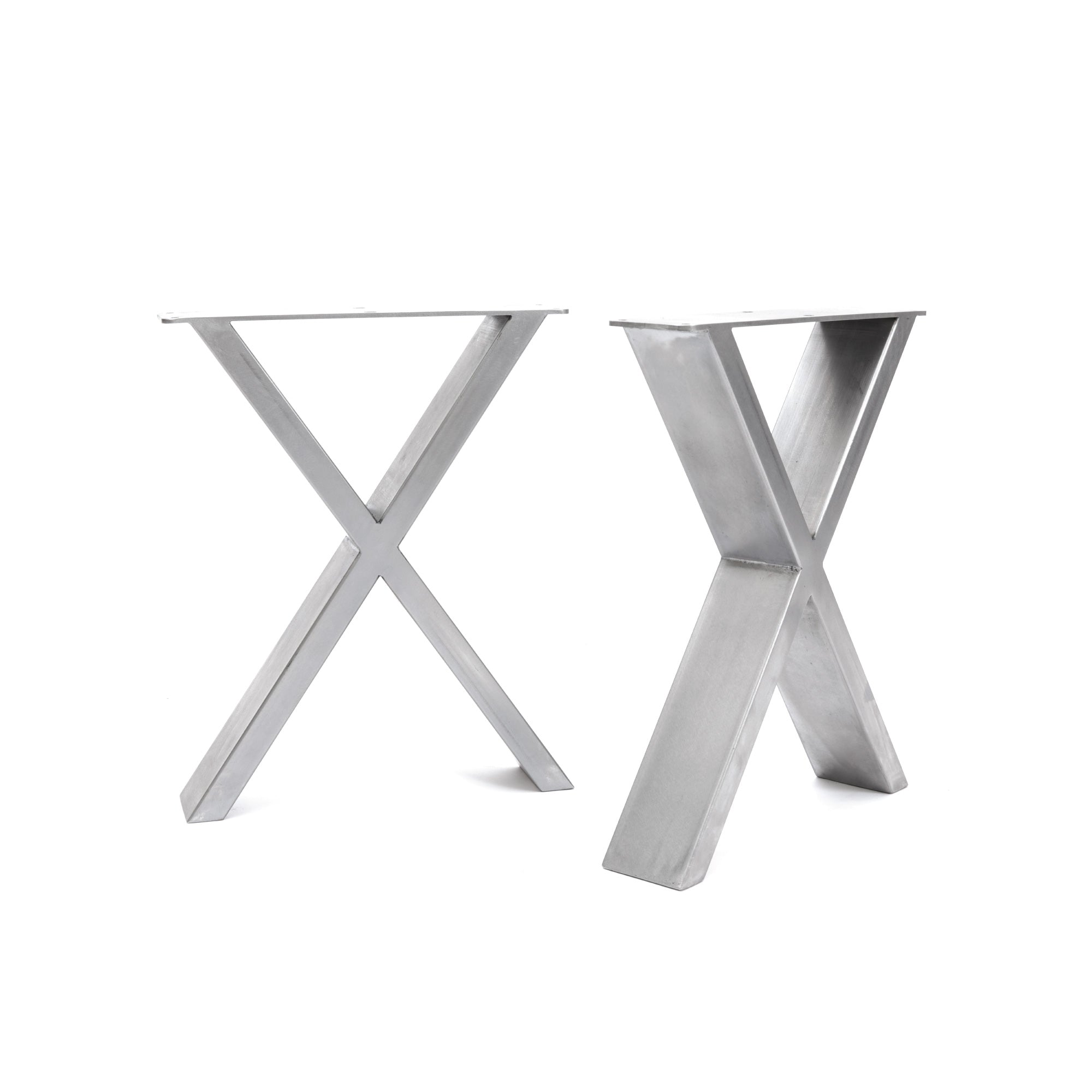
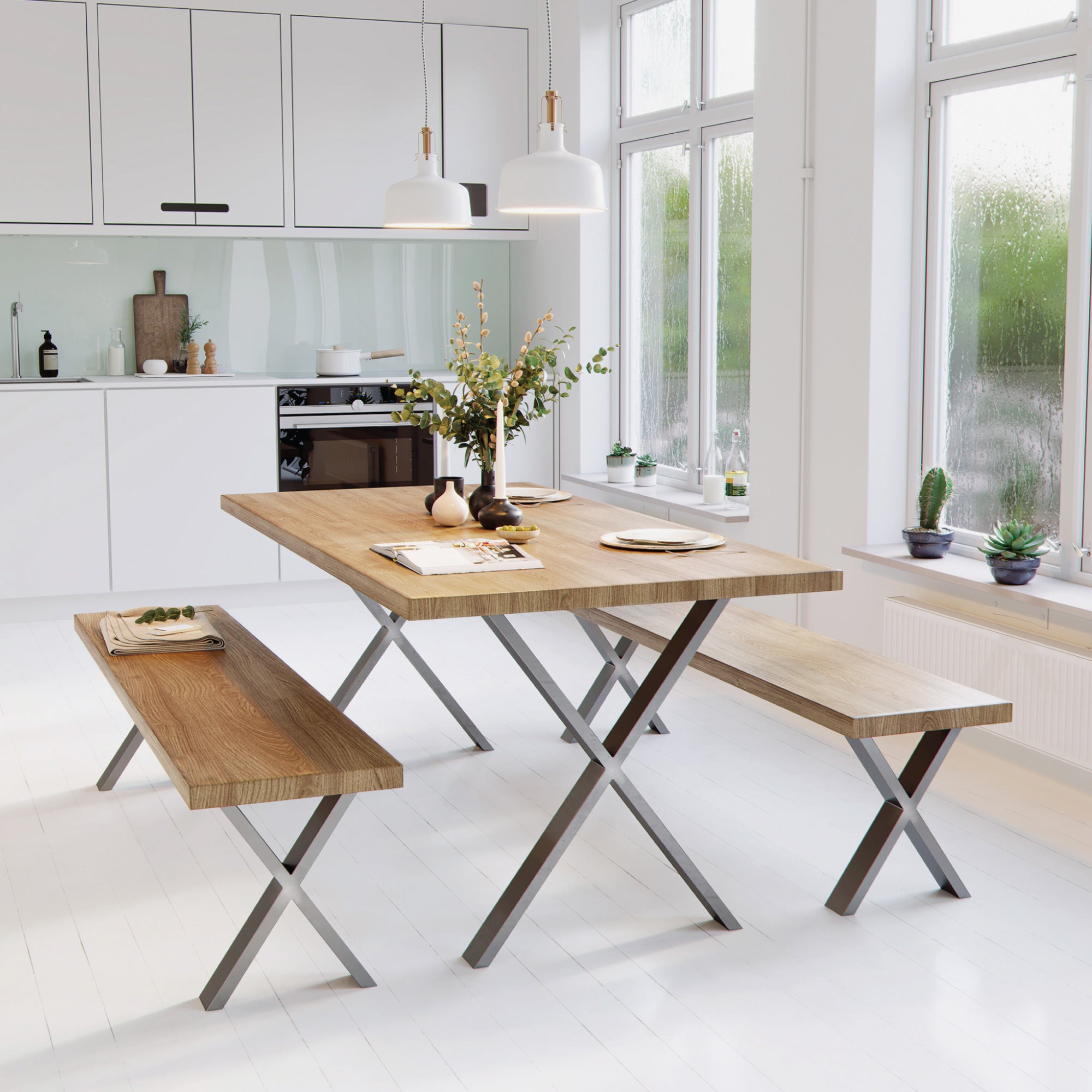
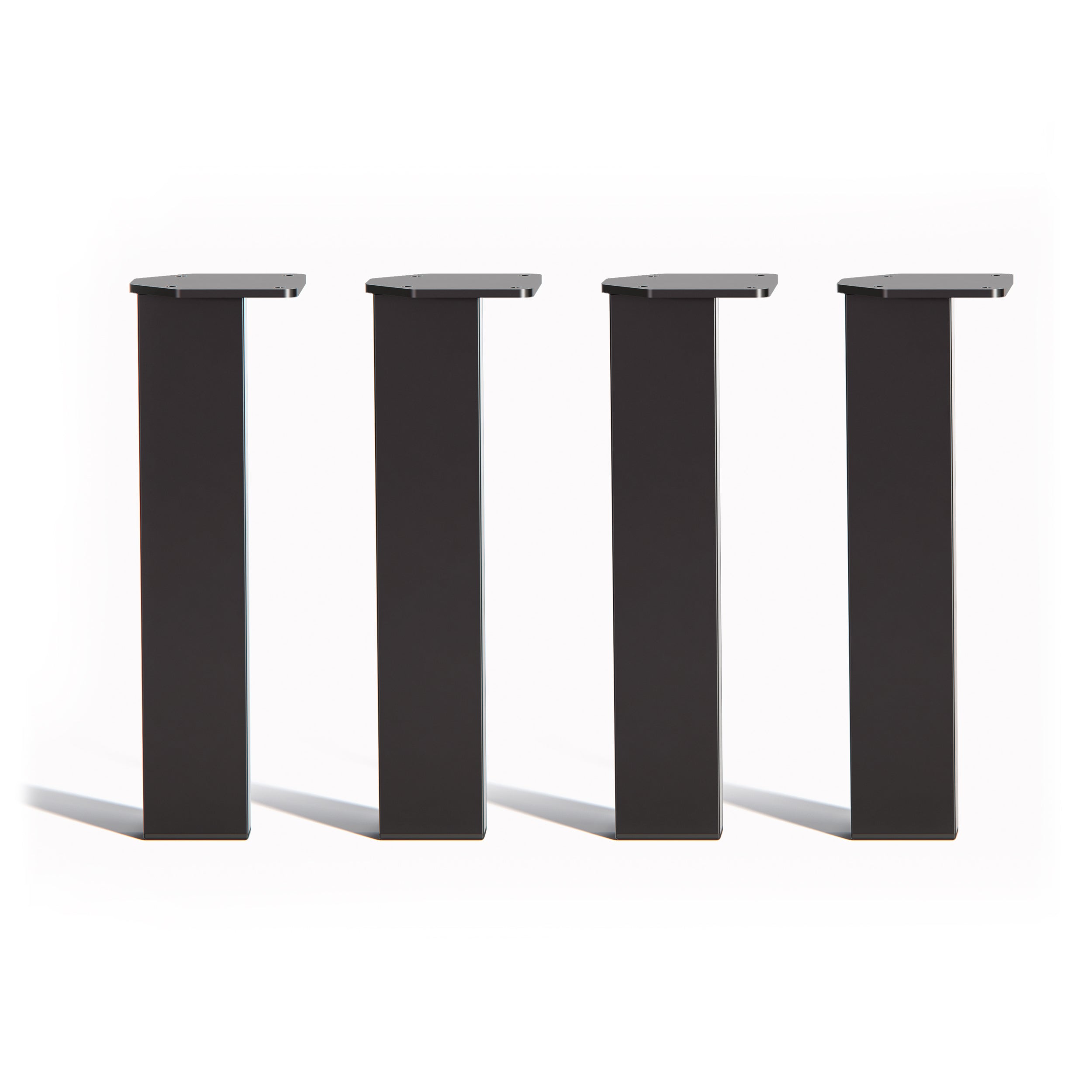
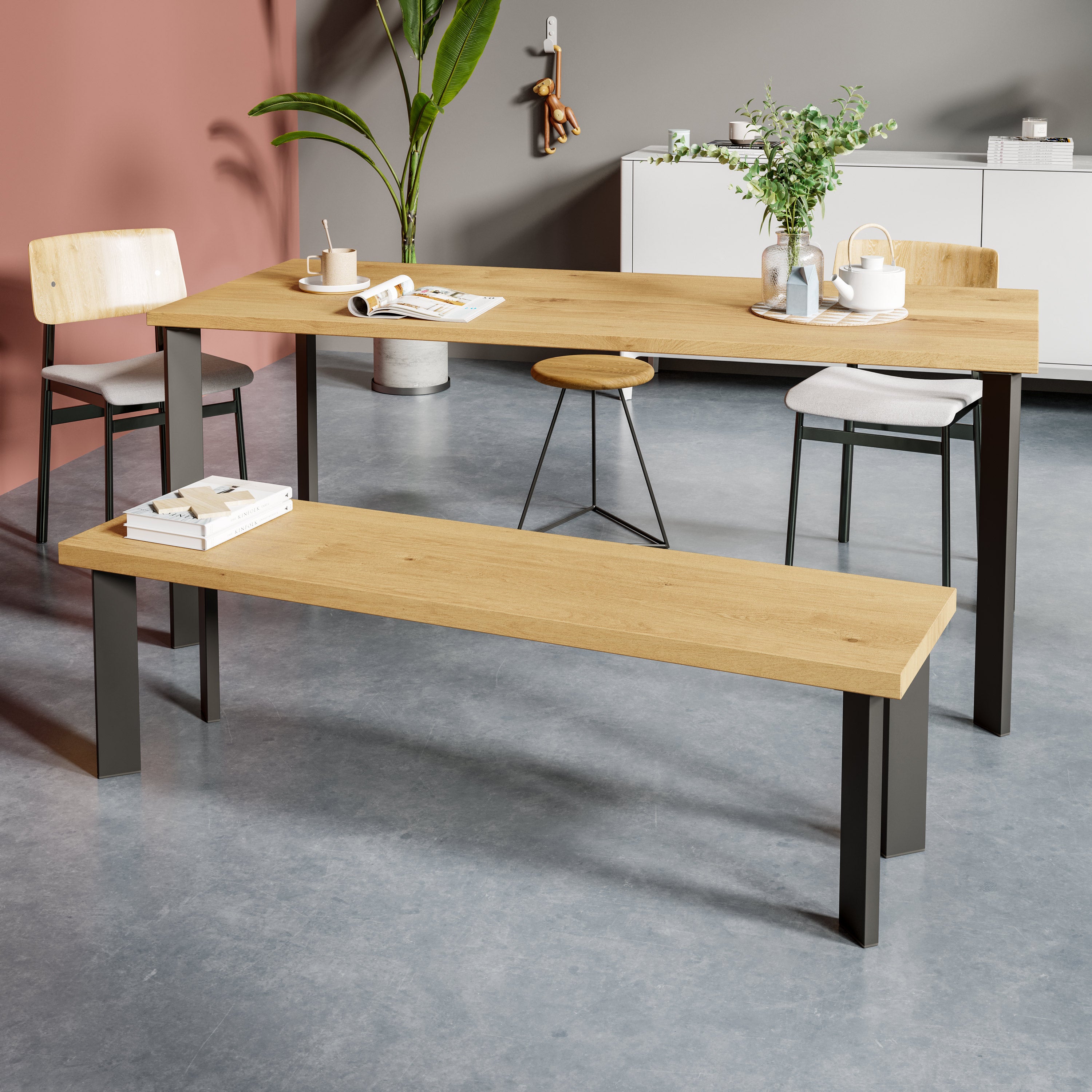
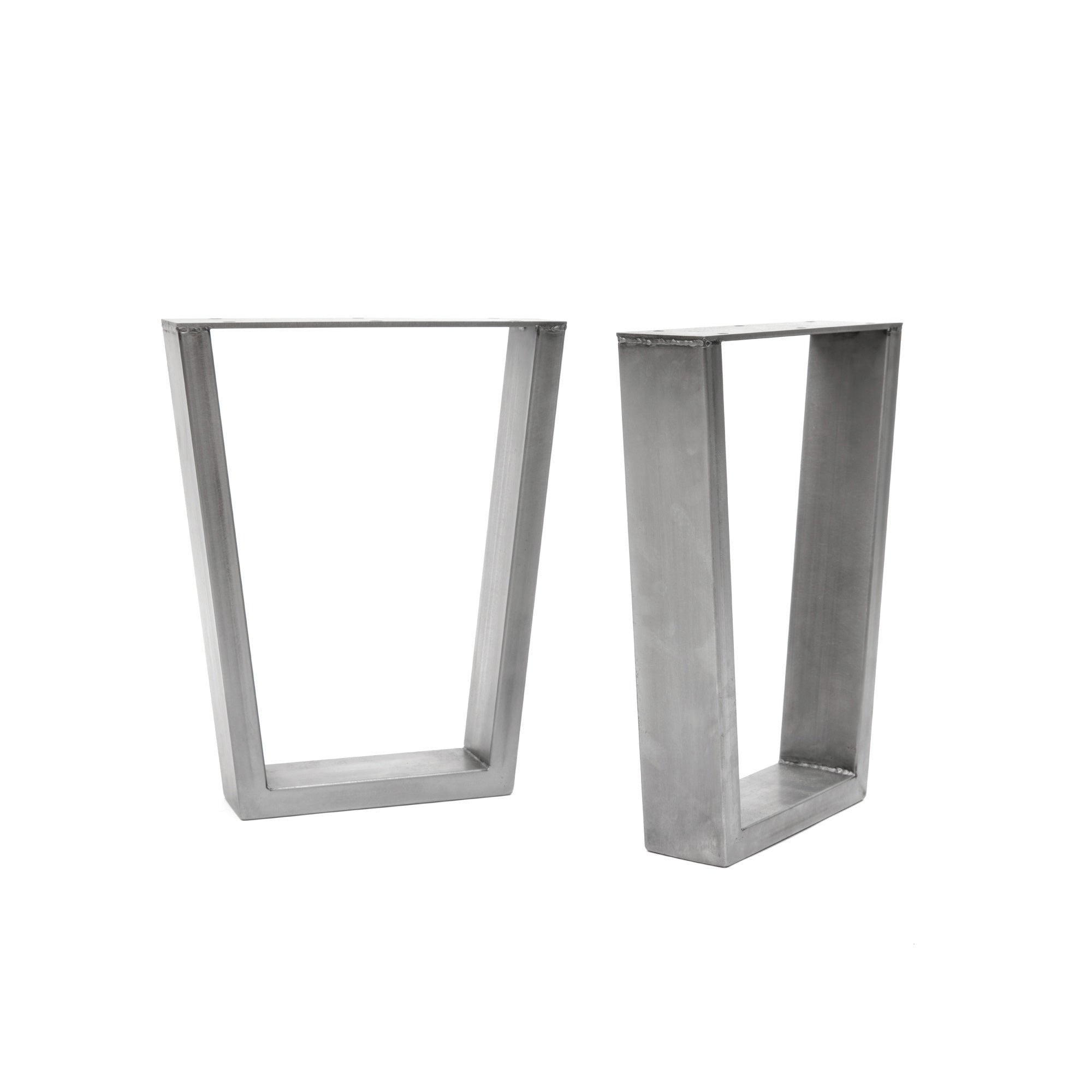
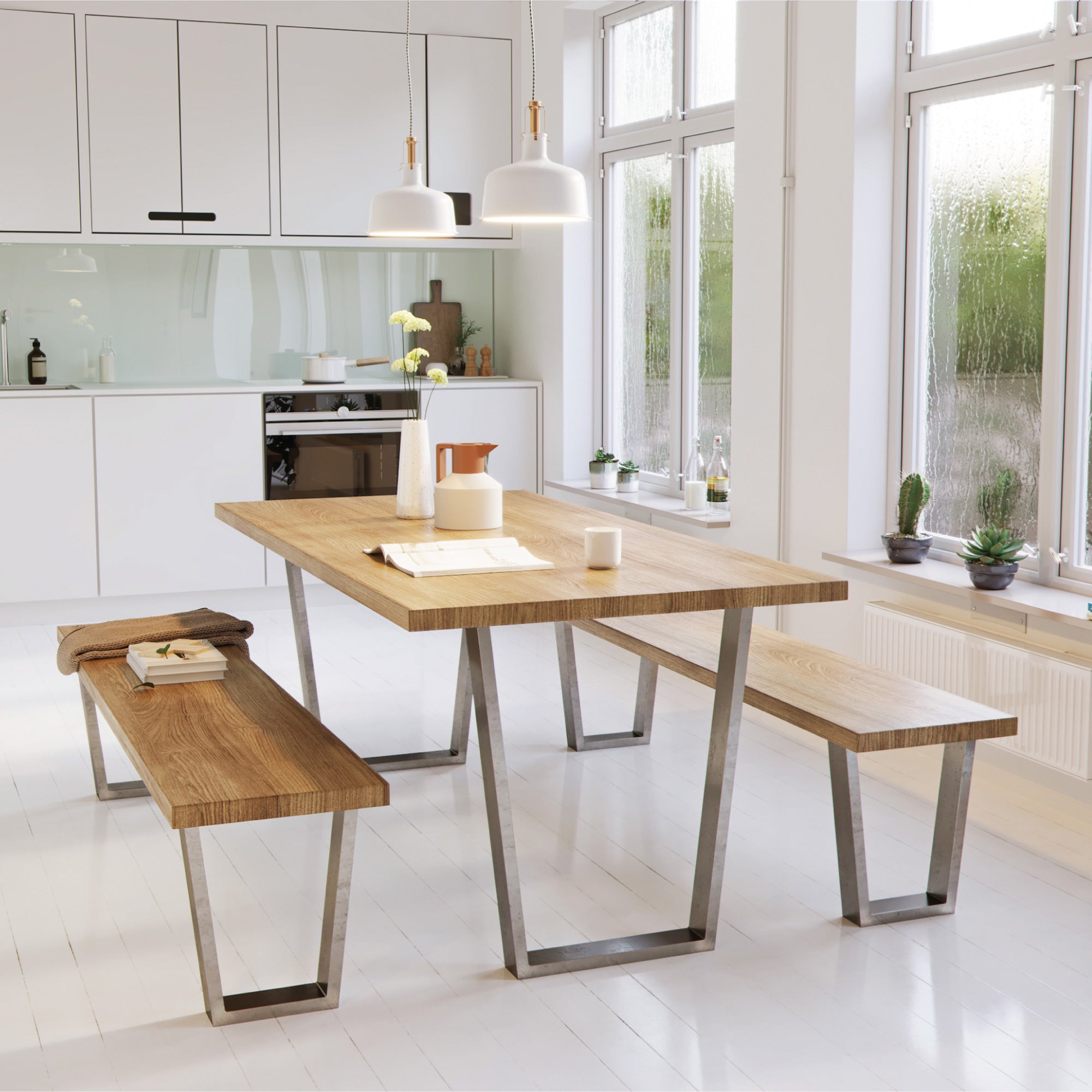
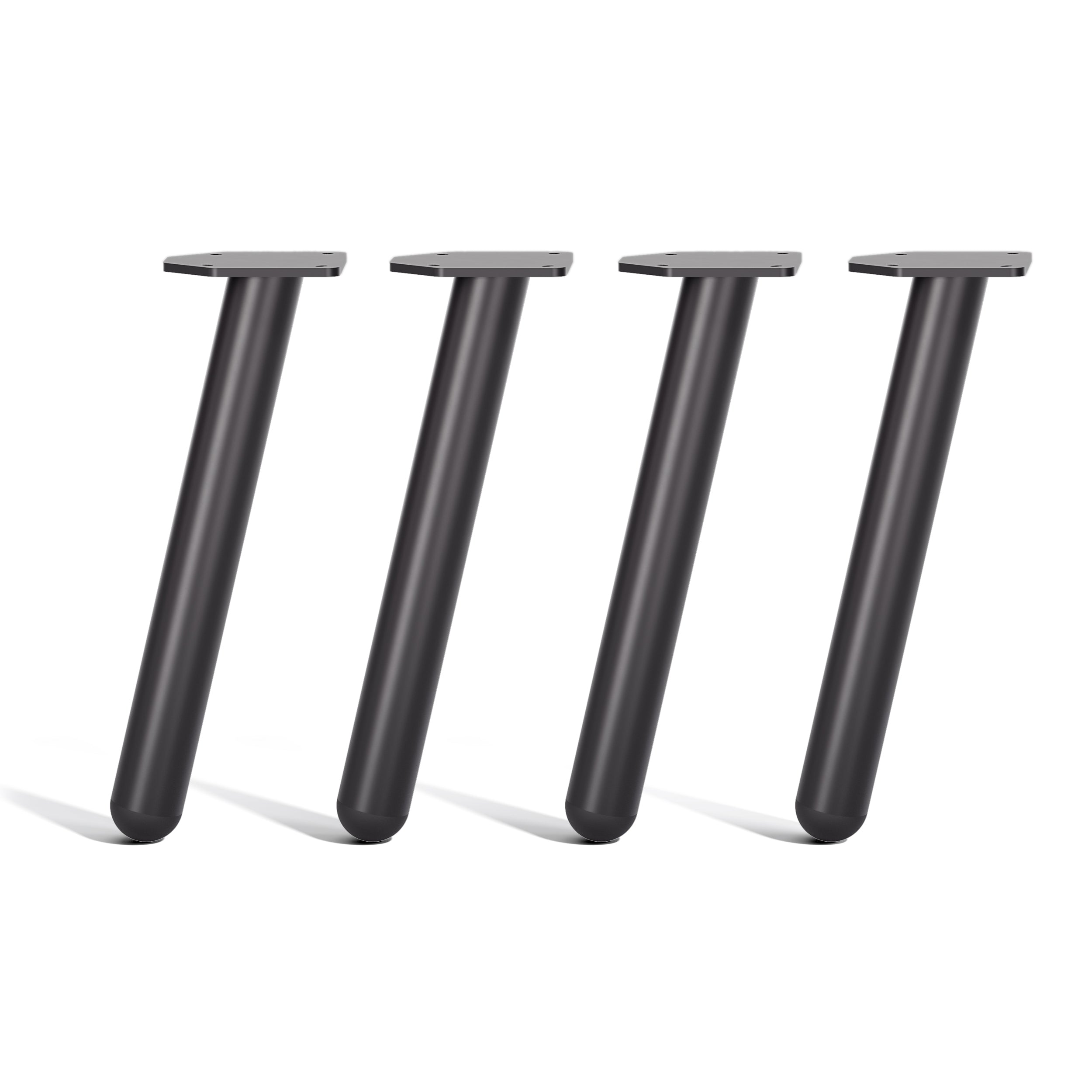
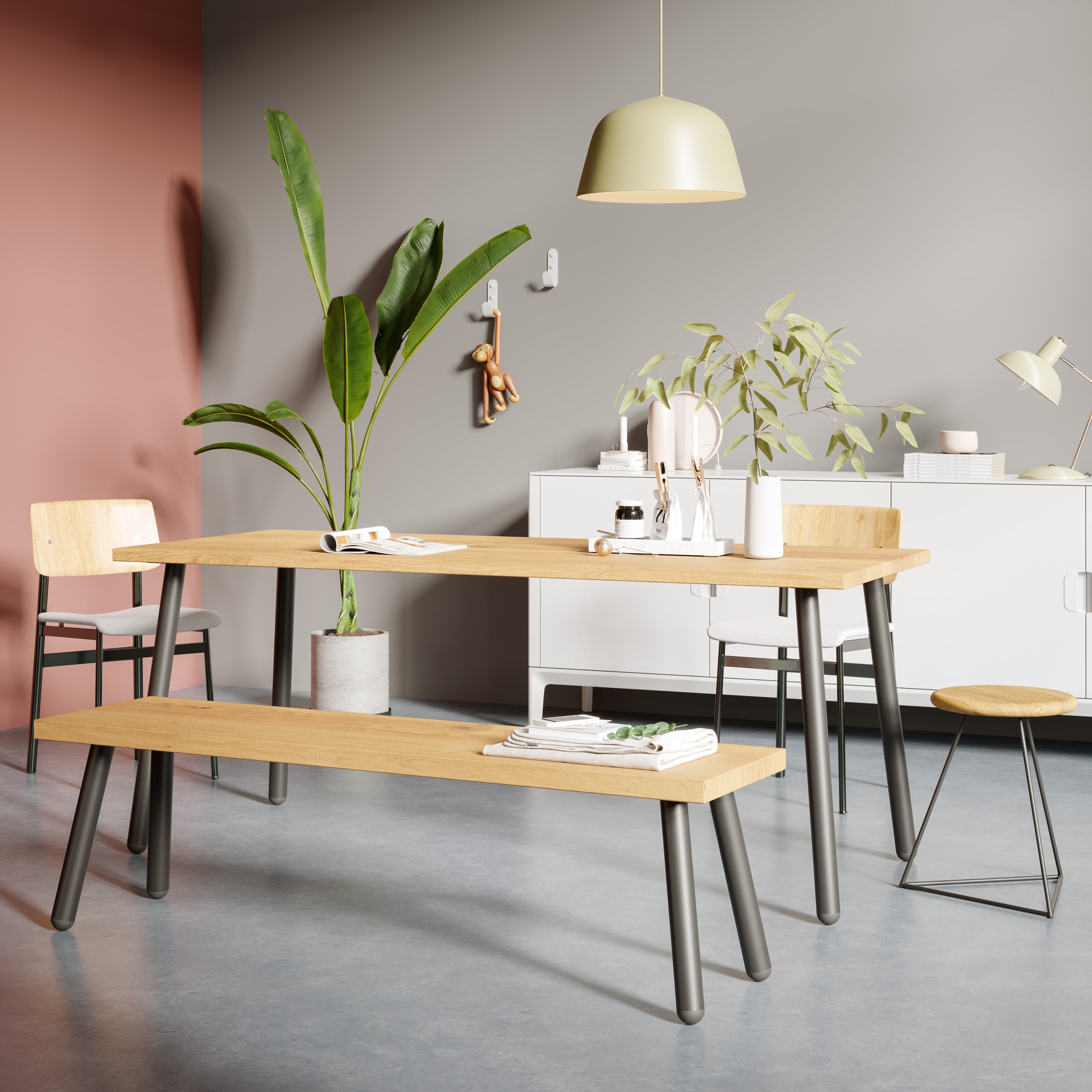
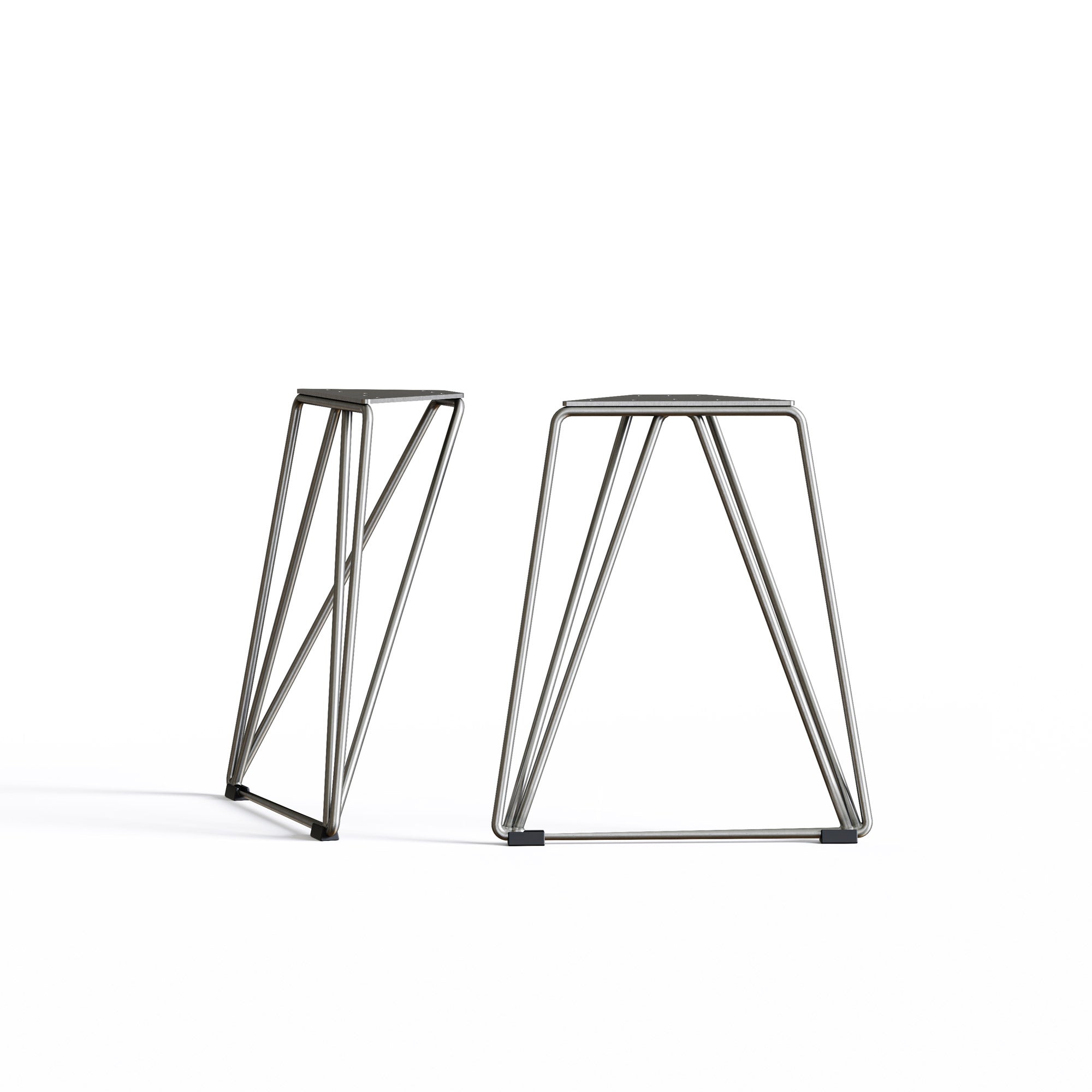
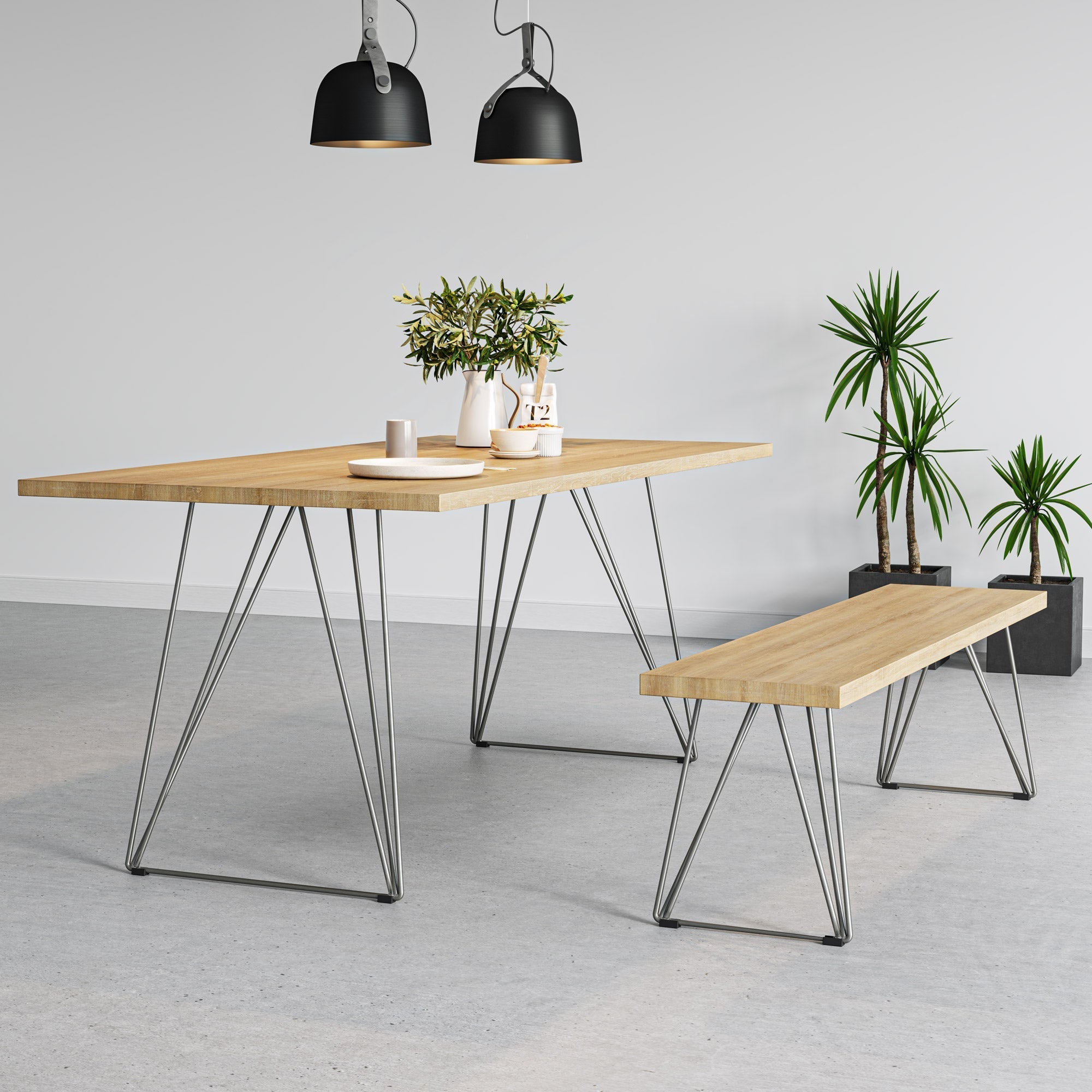
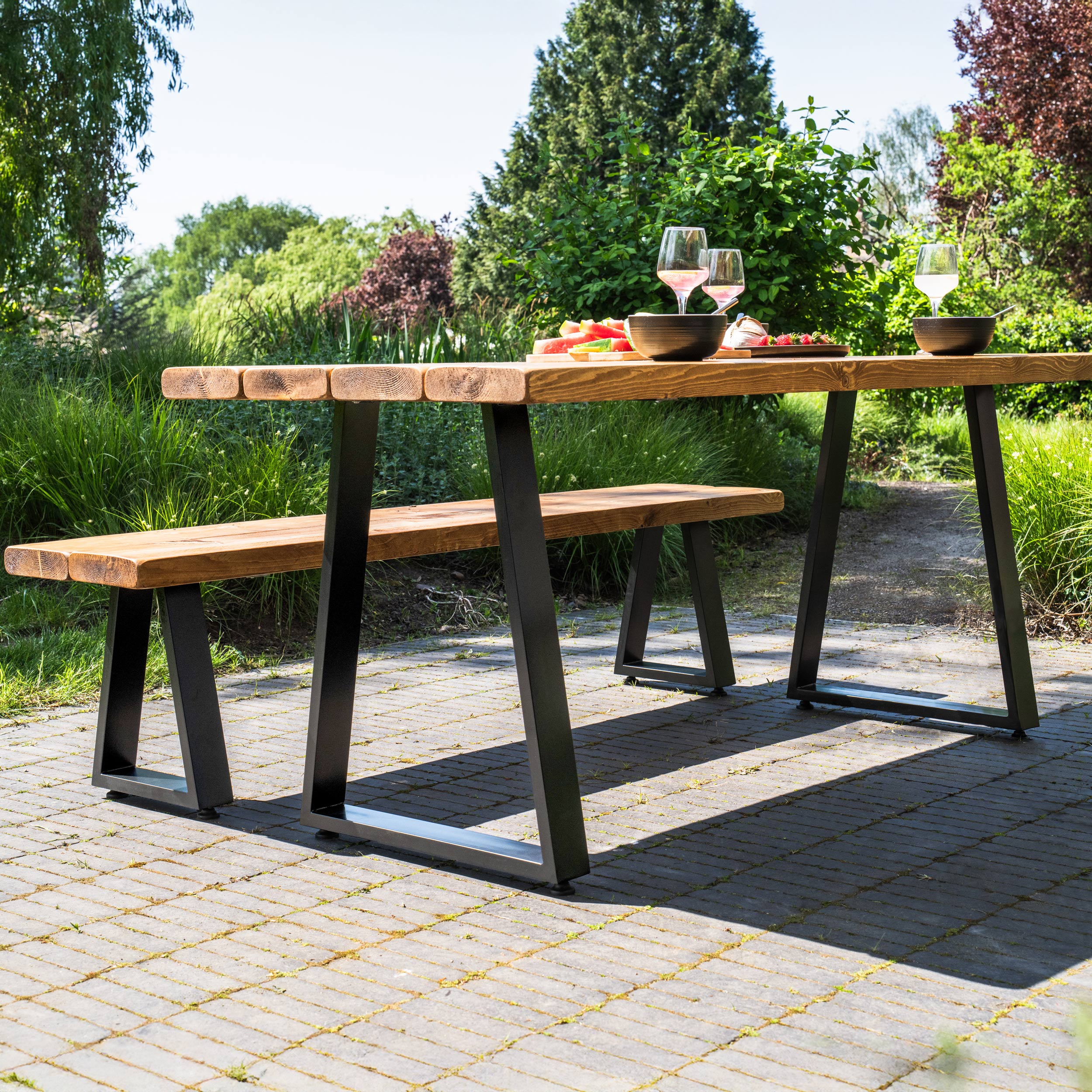
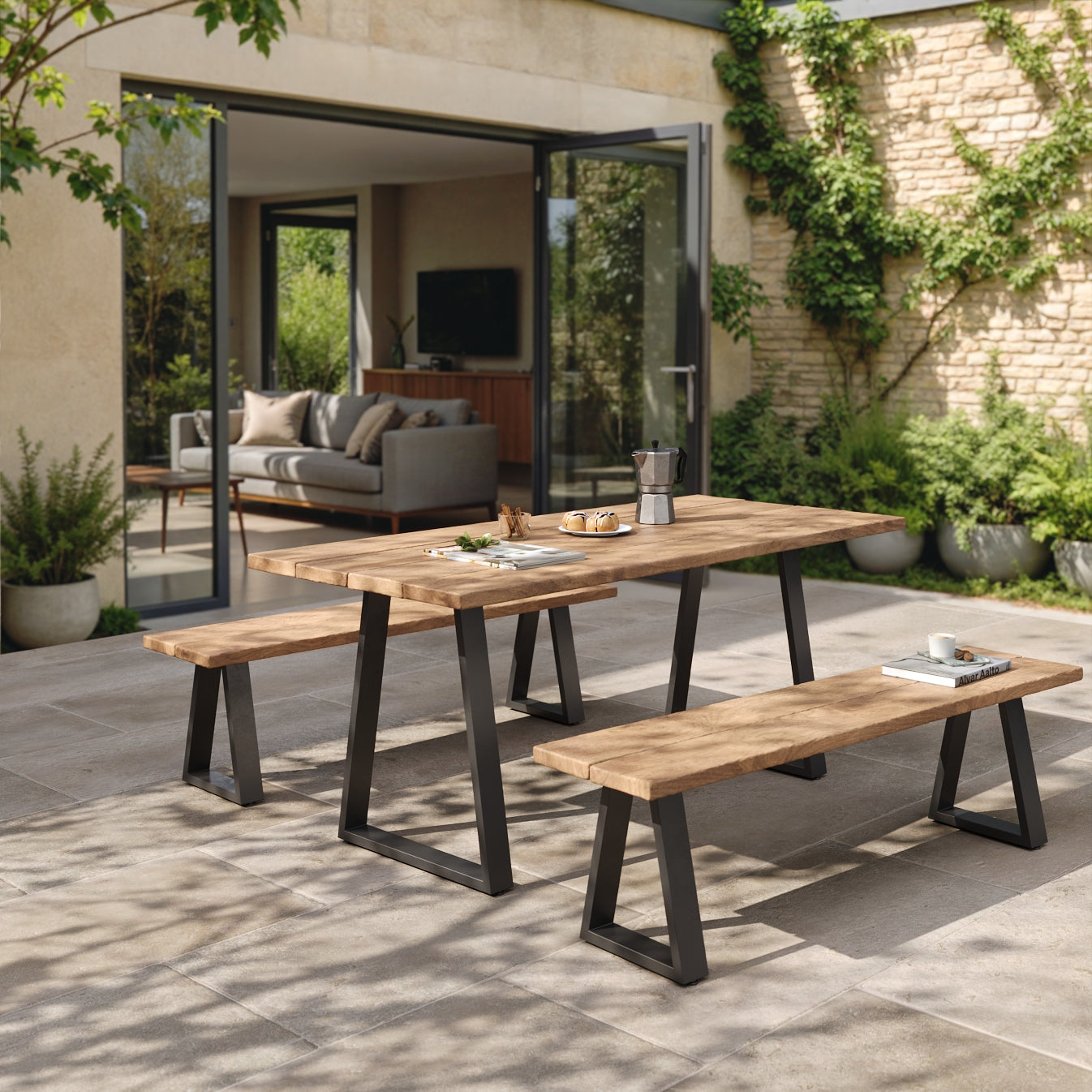
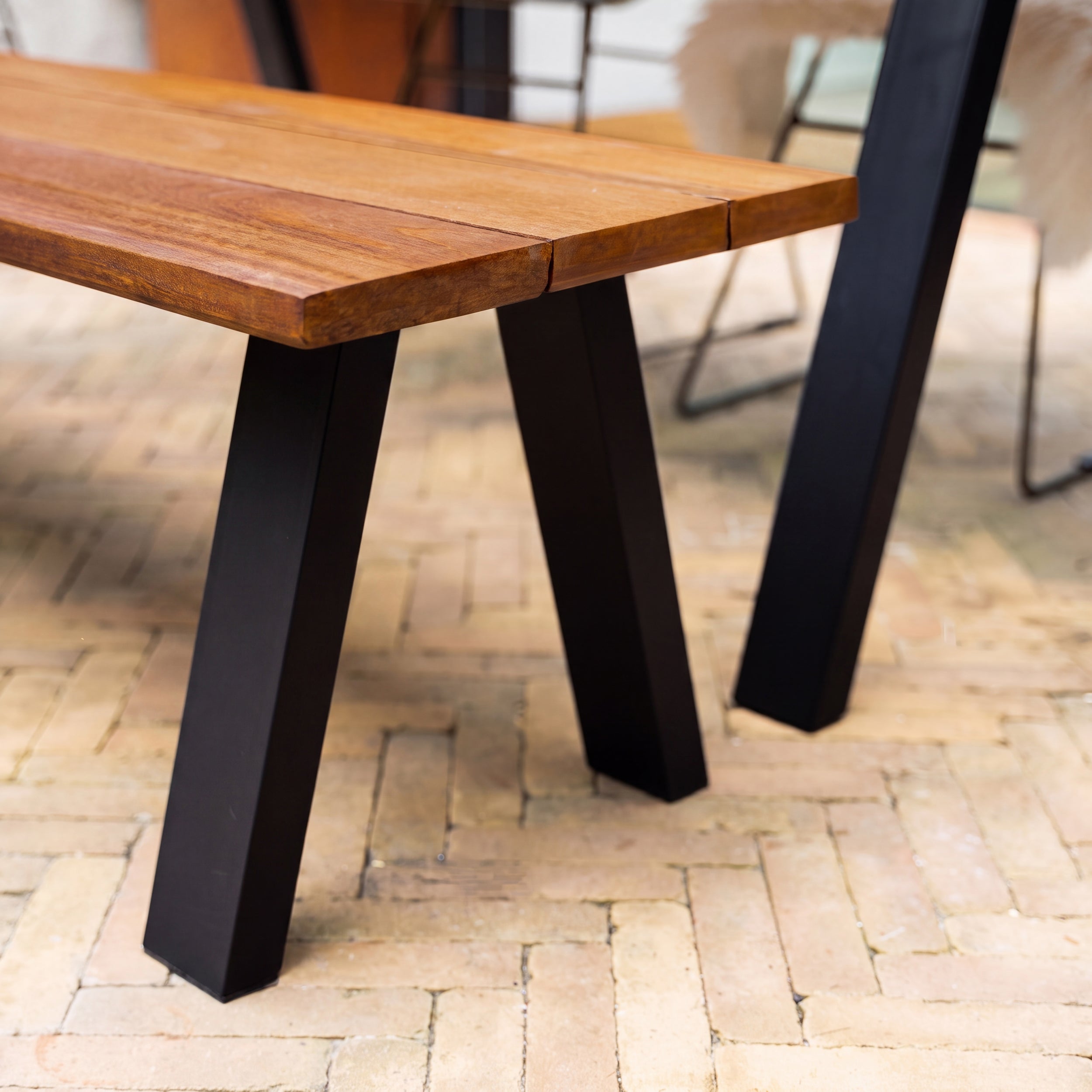
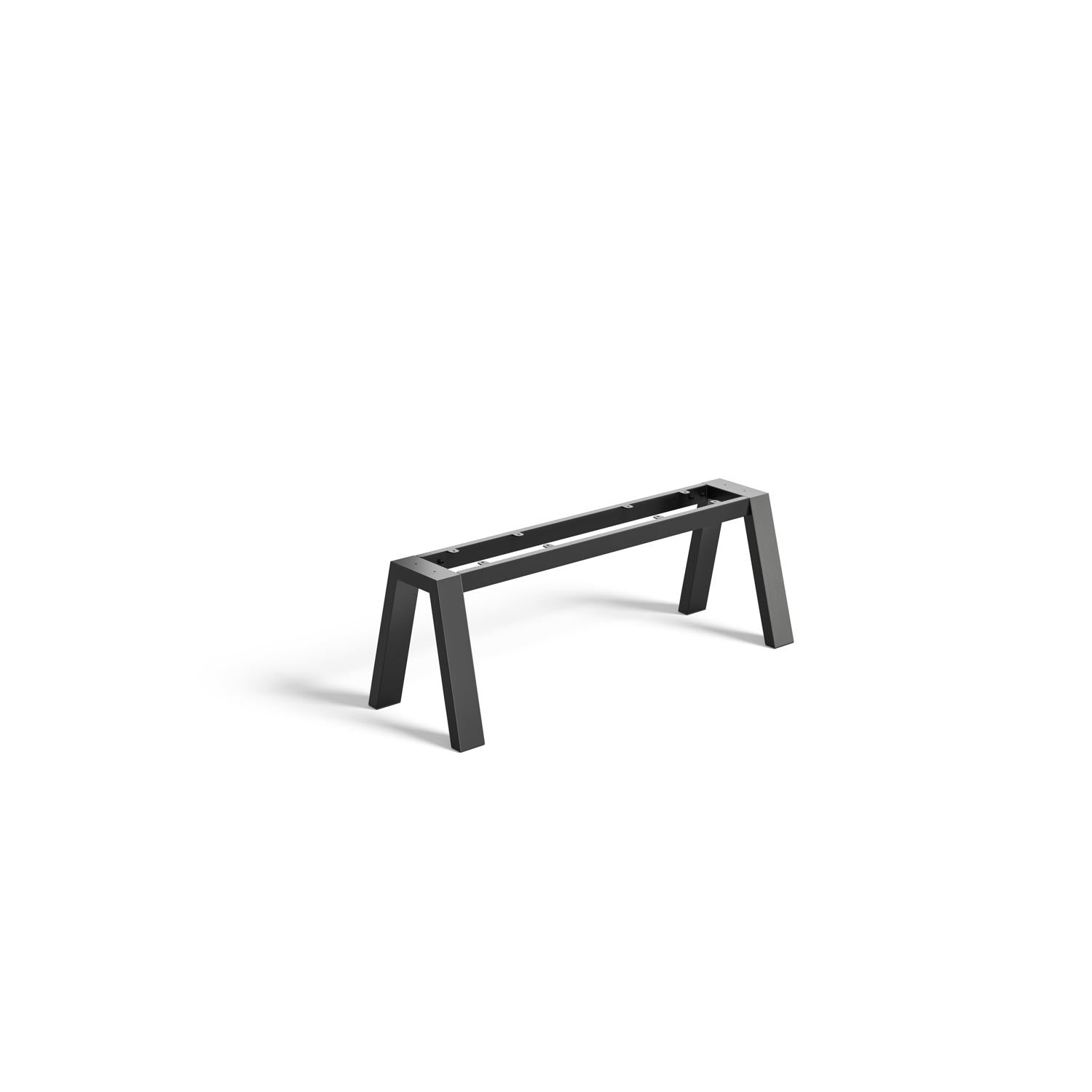
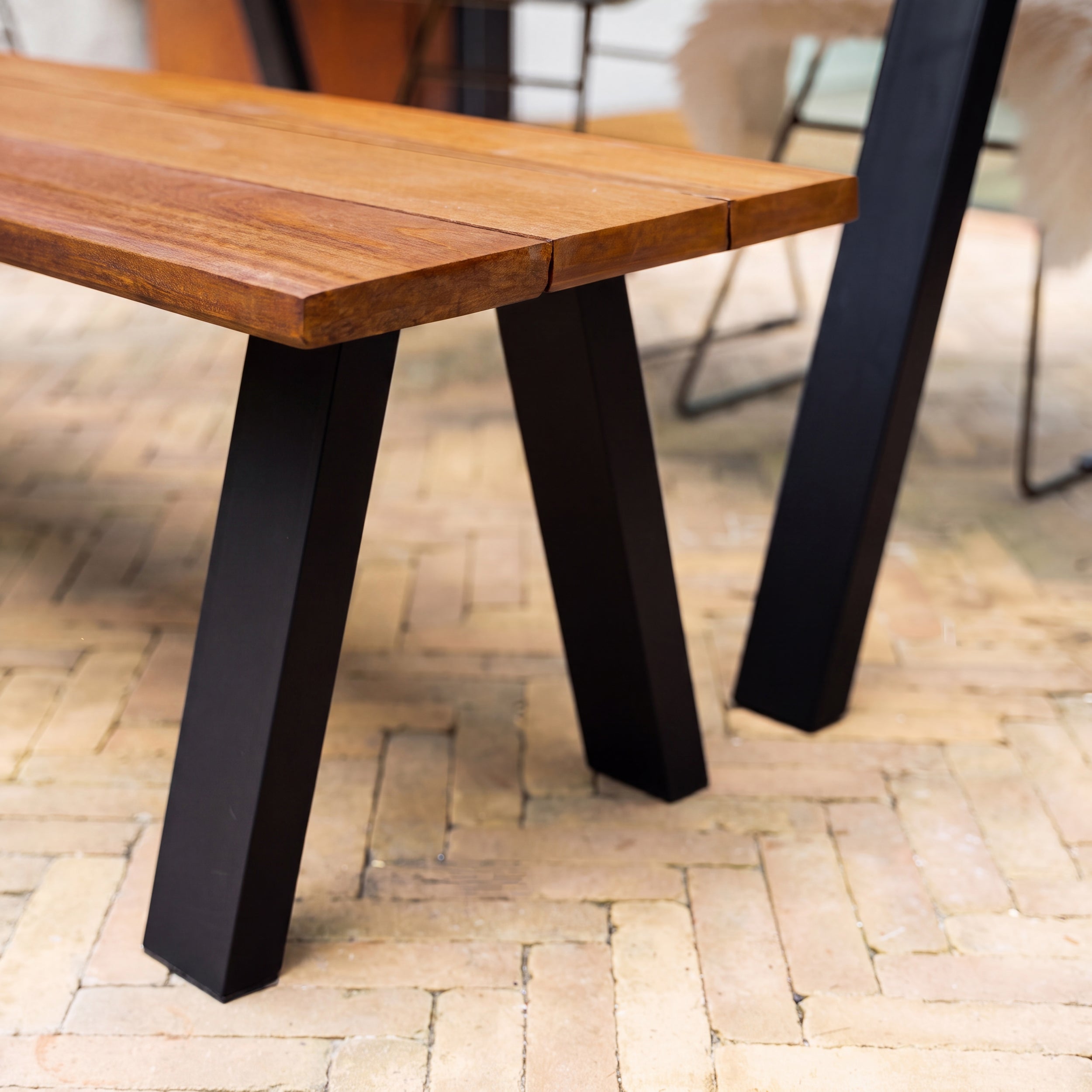
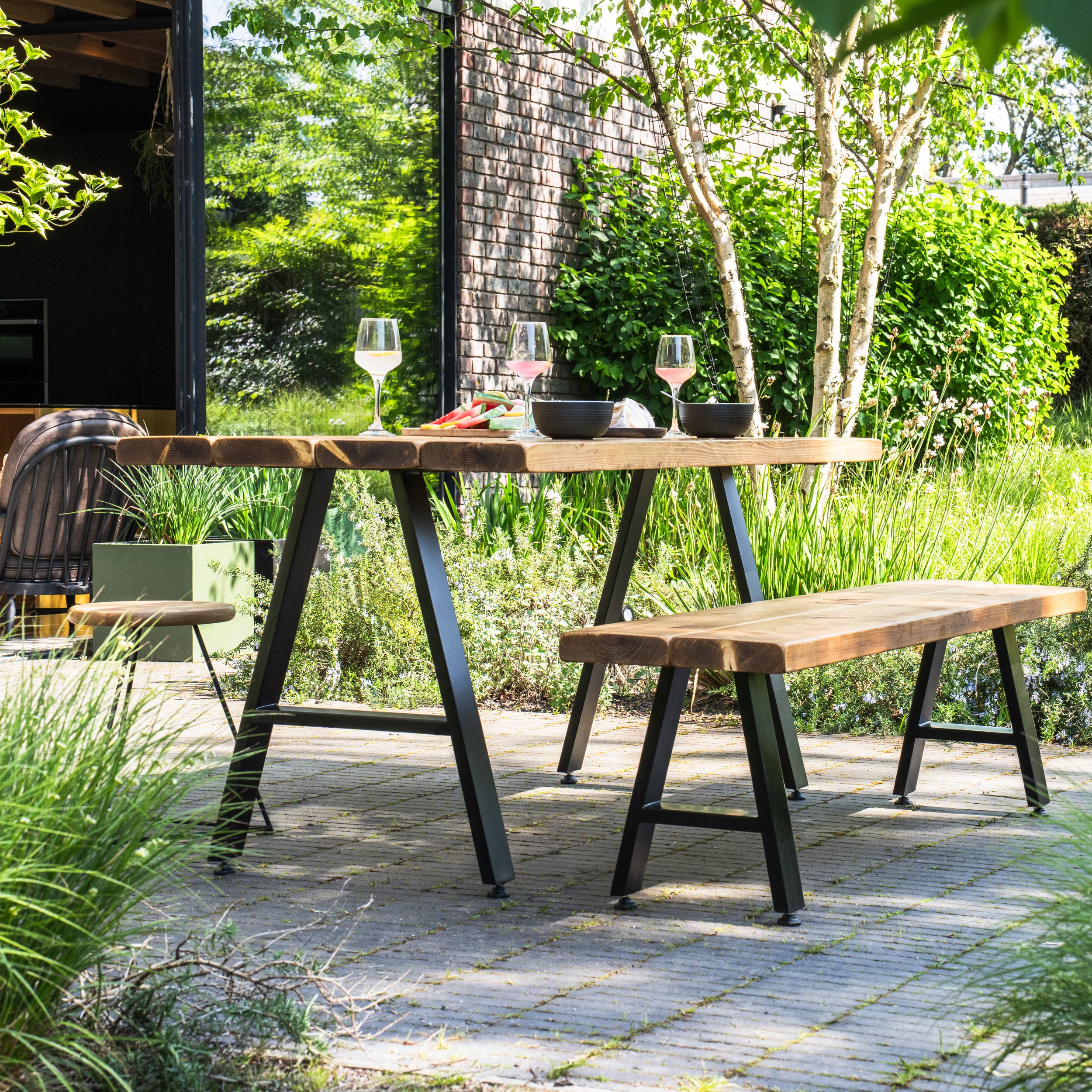
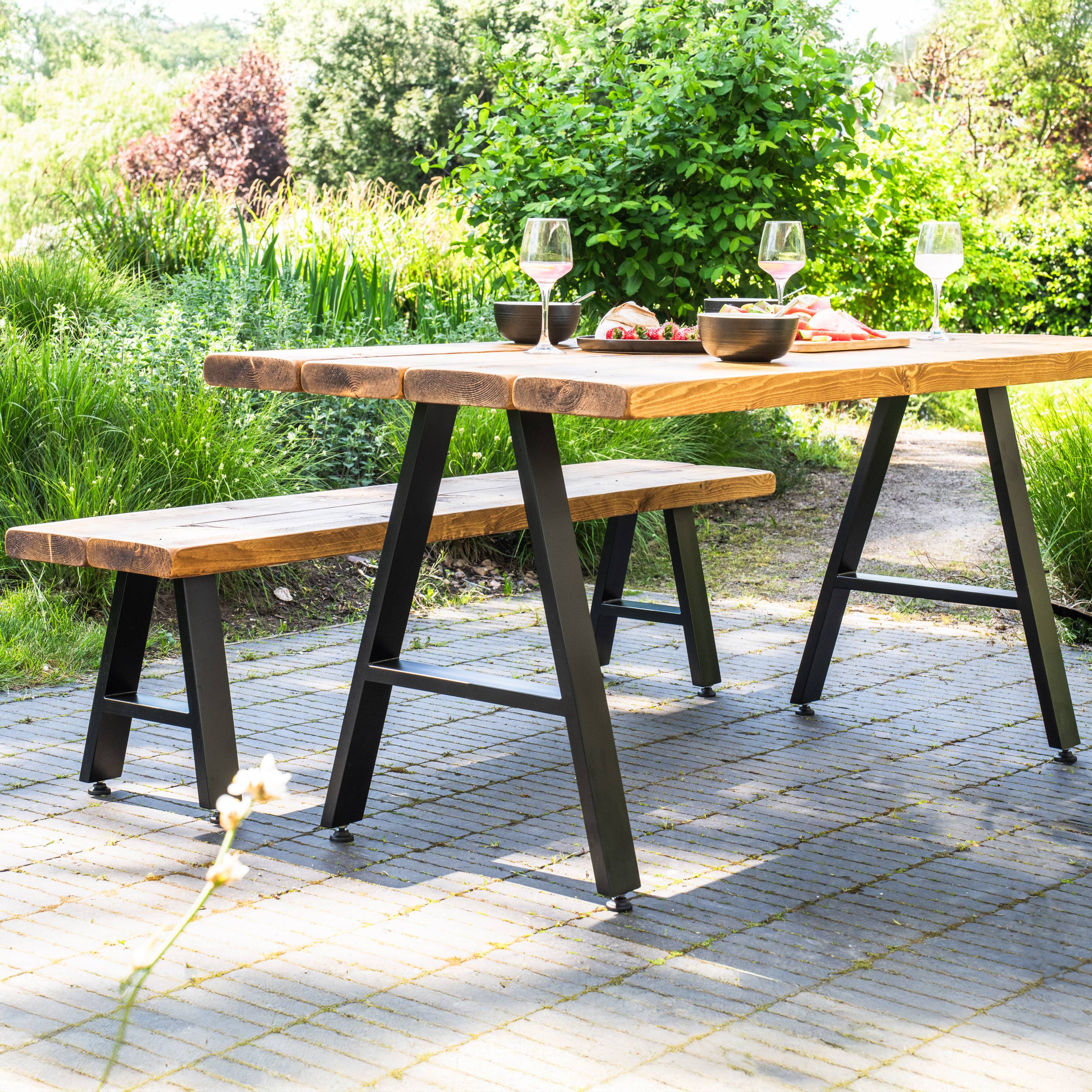
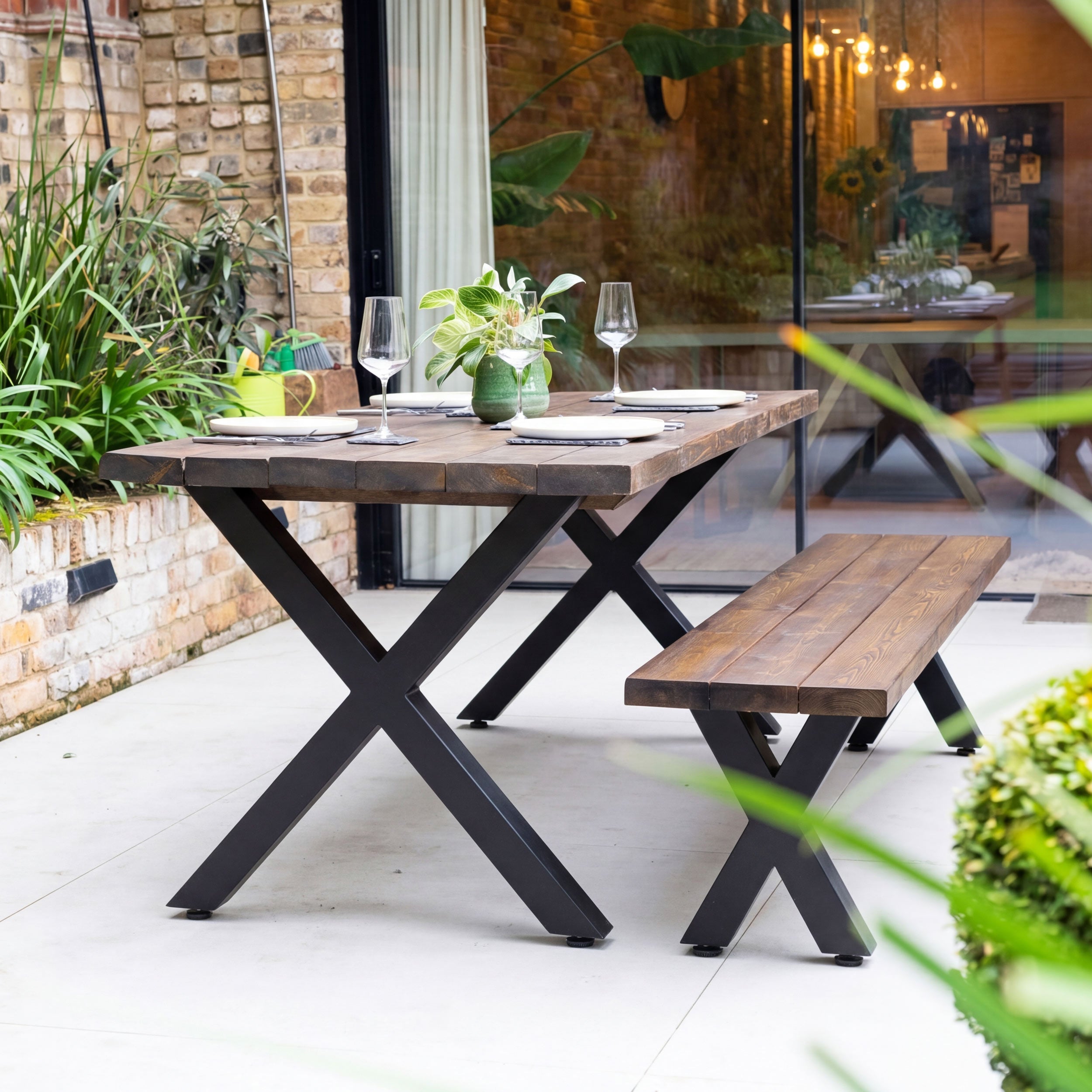
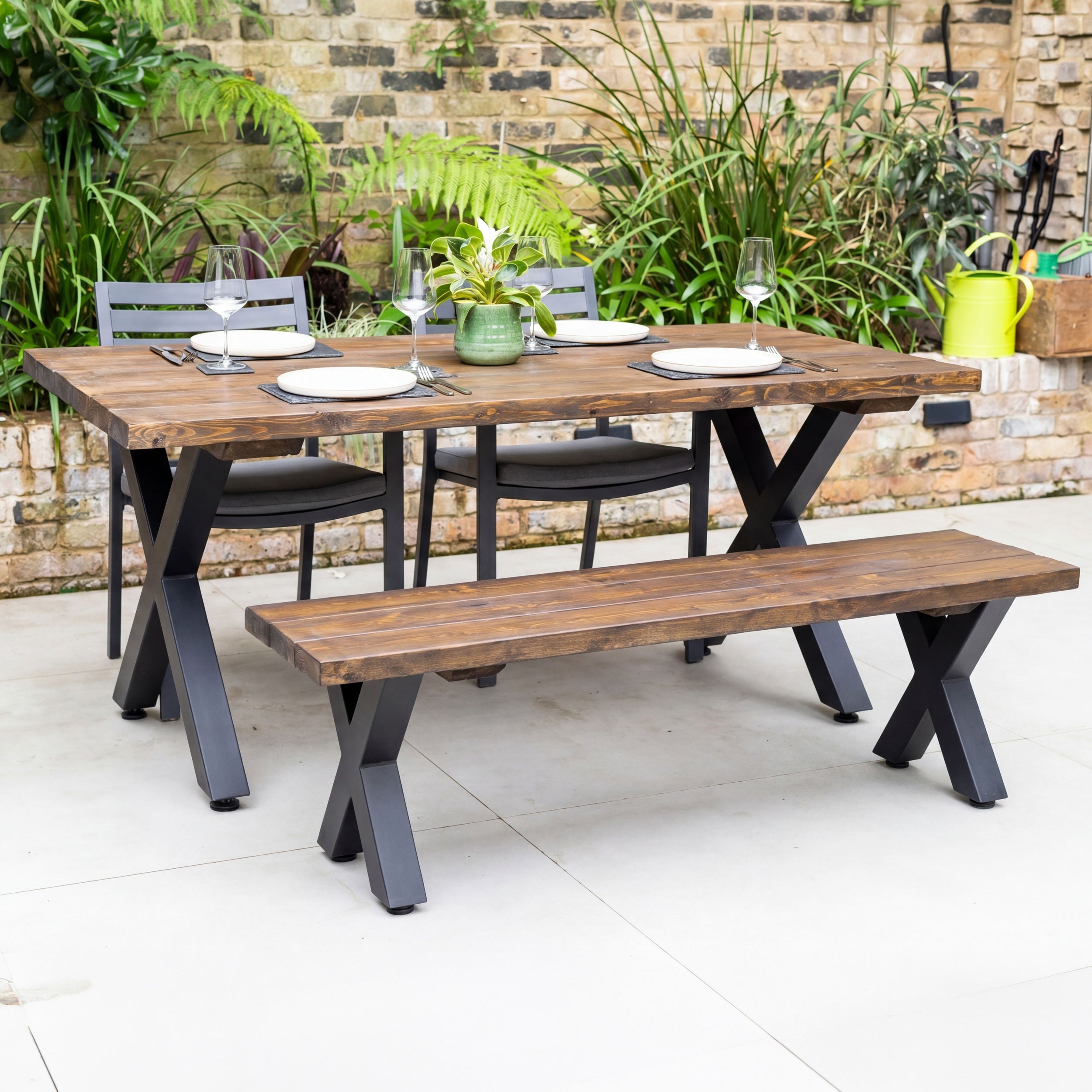
Hairpin and single-pin bench legs come in sets of 4, one for each corner. Box-section legs come in pairs, with each leg spanning the width of the seat. Our self-supporting bolt-together box-section frame legs, the Square Industrial frame, are different again: they bolt together with joining bars into a single freestanding unit and fix to the seat as one piece. Because it is self-supporting, the frame carries the load rather than leaning on the seat, so it suits thin seats as well as thick ones. There is also a wireframe leg, a tapered oak leg if you want timber rather than steel, and the Industrial Back Bench if you need a backrest. Box-section leans a little more heavy-duty and hairpins a little lighter, but that is a tendency, not a limit.
Sturdiness
All of these legs are built to take everyday seating rock-solid, with no wobble or flex. We rate them by the number of people they comfortably support rather than a kg-per-leg figure, because a bench carries people spread along a seat, not a single point load. As a guide, two-rod hairpins support a bench for up to three people, three-rod hairpins up to four (five in the Heavy Duty version), and box-section legs or the bolt-together frame up to five. There is no lower limit; the seat length sets how many can actually sit, so match the style to the size of bench you are building. The seat length sets how many can actually sit, so match the style to the length: a long seat wants a style rated for the numbers it will hold. The legs hold up the seat, but a solid, stiff seat is a big part of what makes the finished bench feel rock-solid.
What you'll need
Legs are sold on their own, so you will need a seat; our bench tops are cut to suit these legs. Fitting is straightforward: marking through the holes in the base plate is the simplest method, the Premium Drilling Kit adds a centre punch and countersink for more precise pilot holes, and we can send a paper fitting template on request. Benches often benefit from an L-channel stiffening bar along the underside, which adds stiffness for a rock-solid seat and steadies a longer or thinner top. We include one in all our bench sets, and you can add one to a self-build.
FAQ
What height are bench legs?
How many people will my bench seat?
How many people can each leg style support?
Should I choose box-section legs or hairpin legs?
Will the bench stand up to everyday seating?
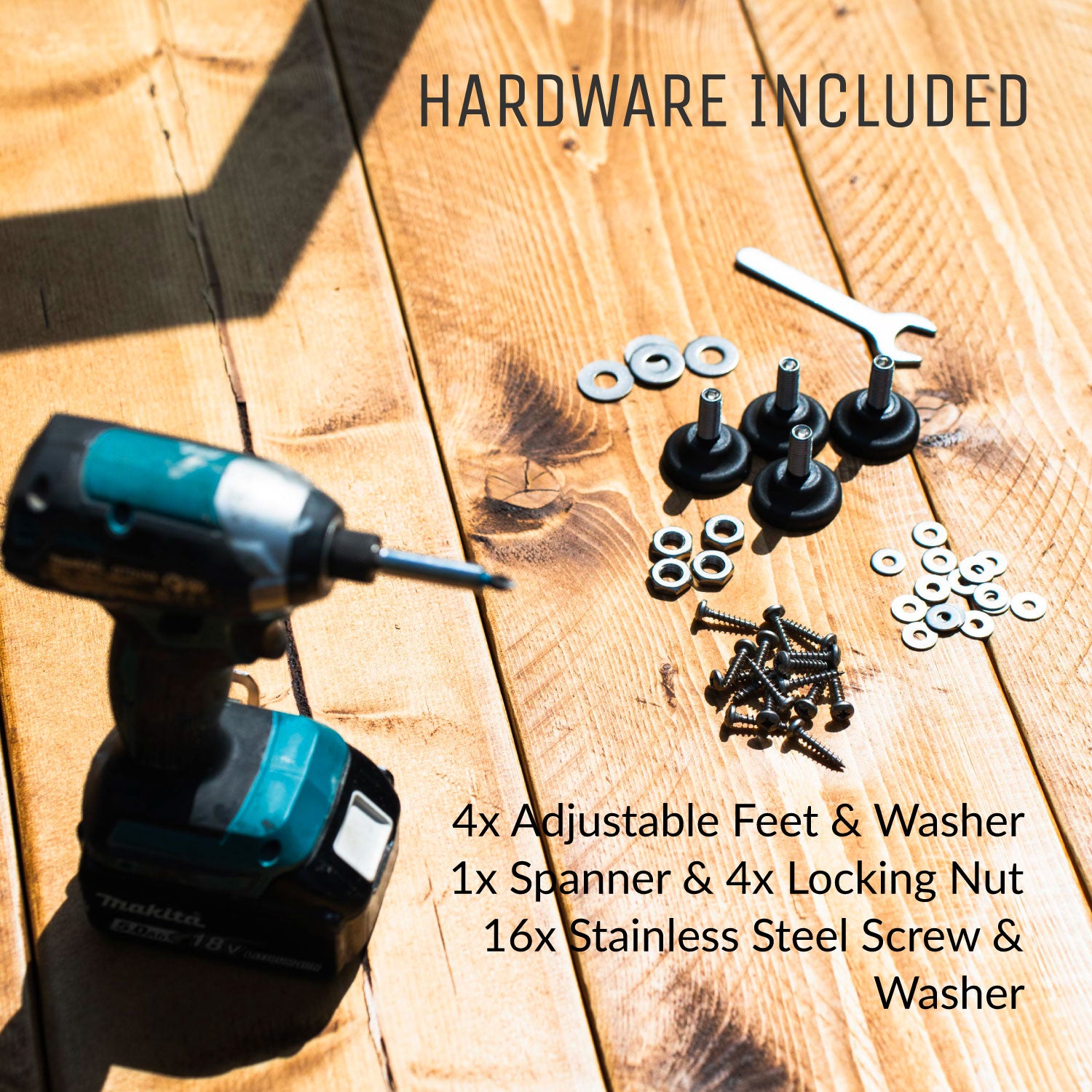
Do the legs come with fixings?
Can I use these for a hallway bench?
Can't find your answer? Contact us.