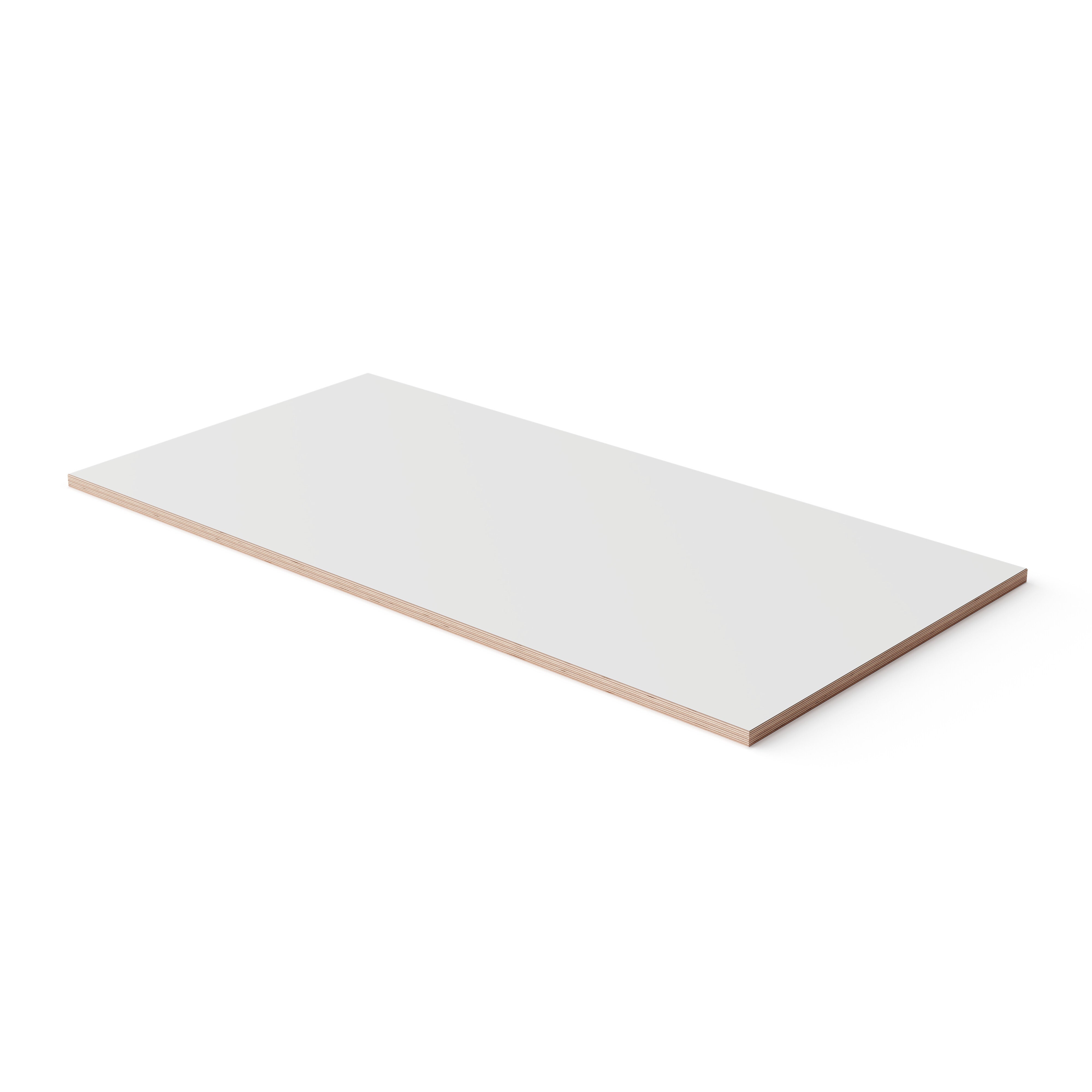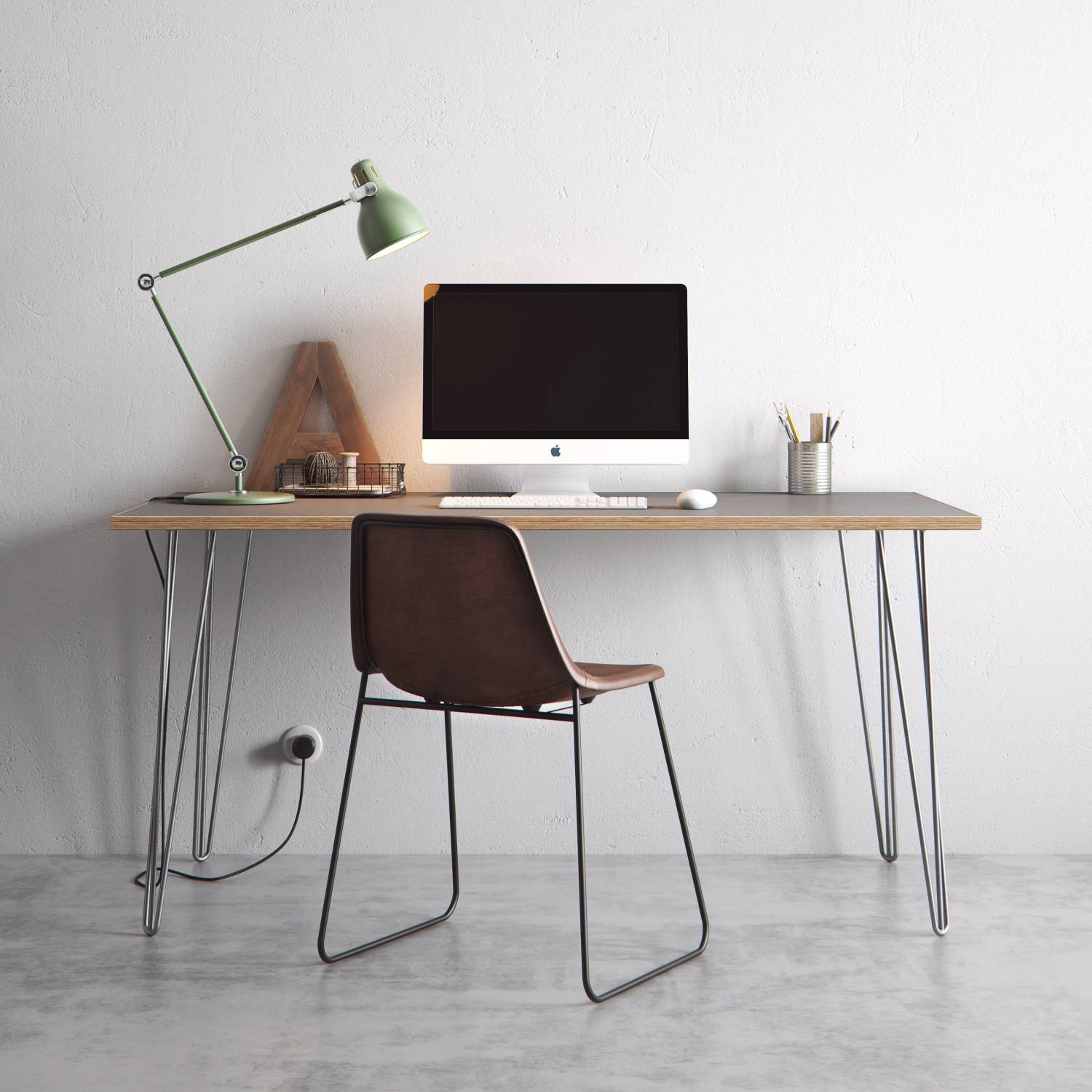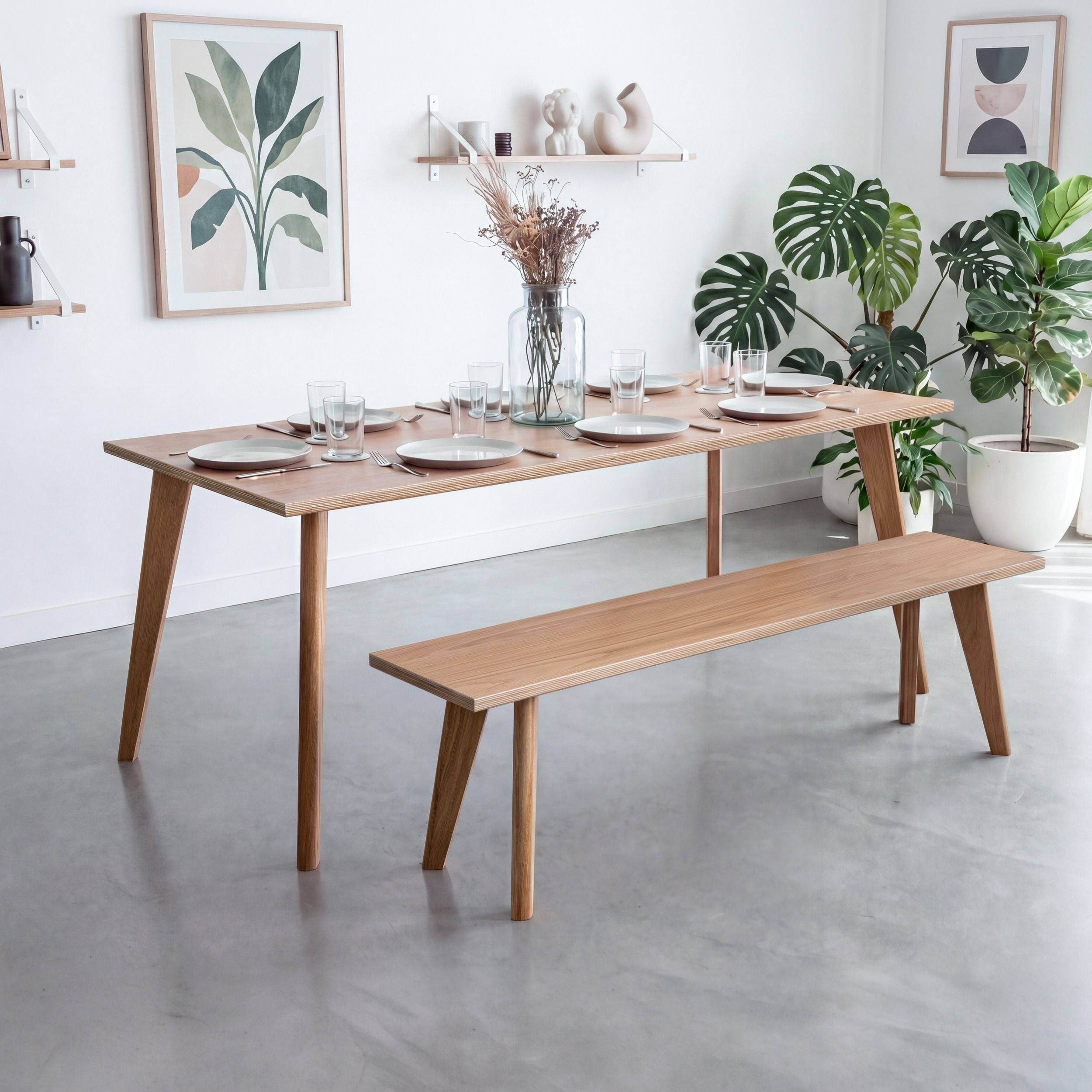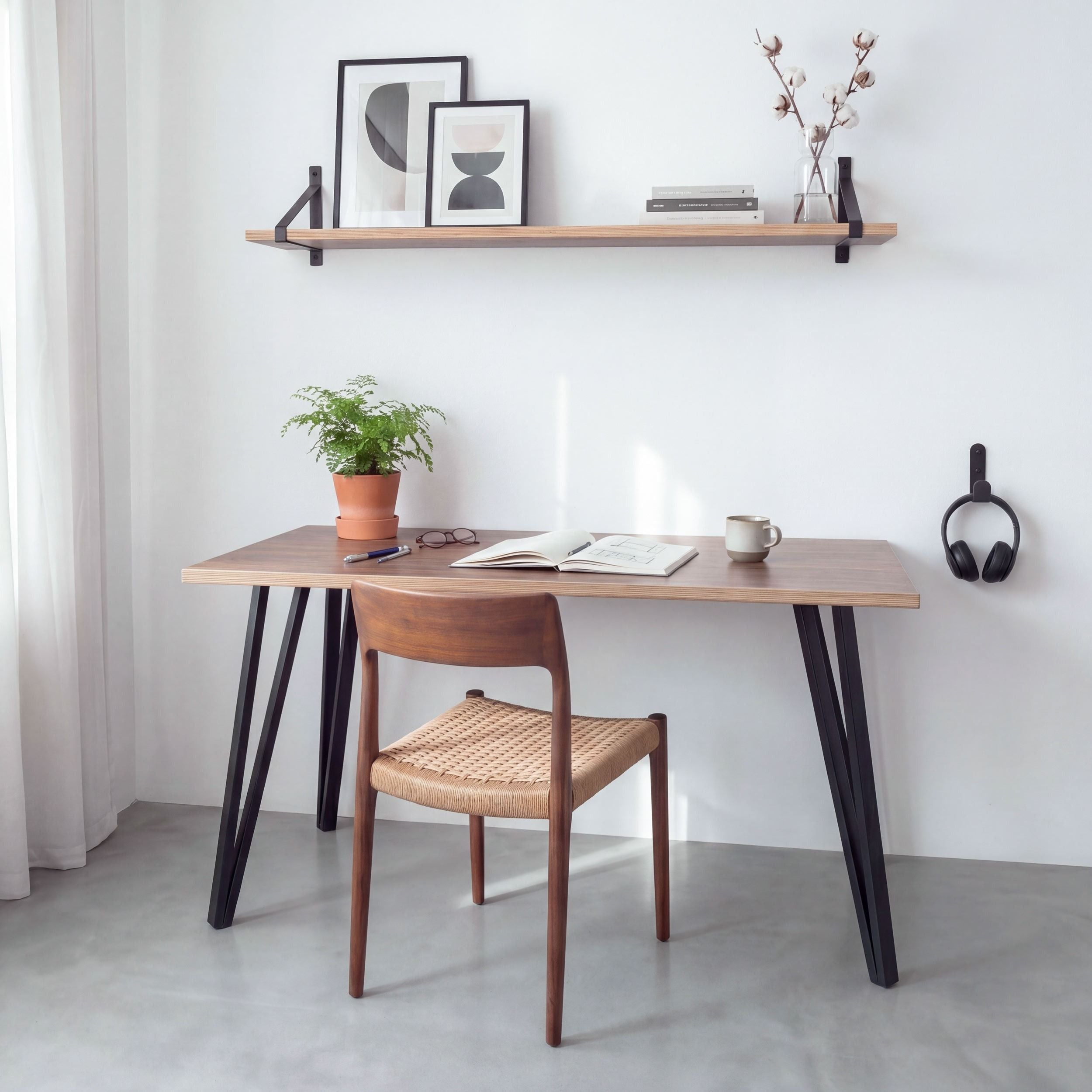

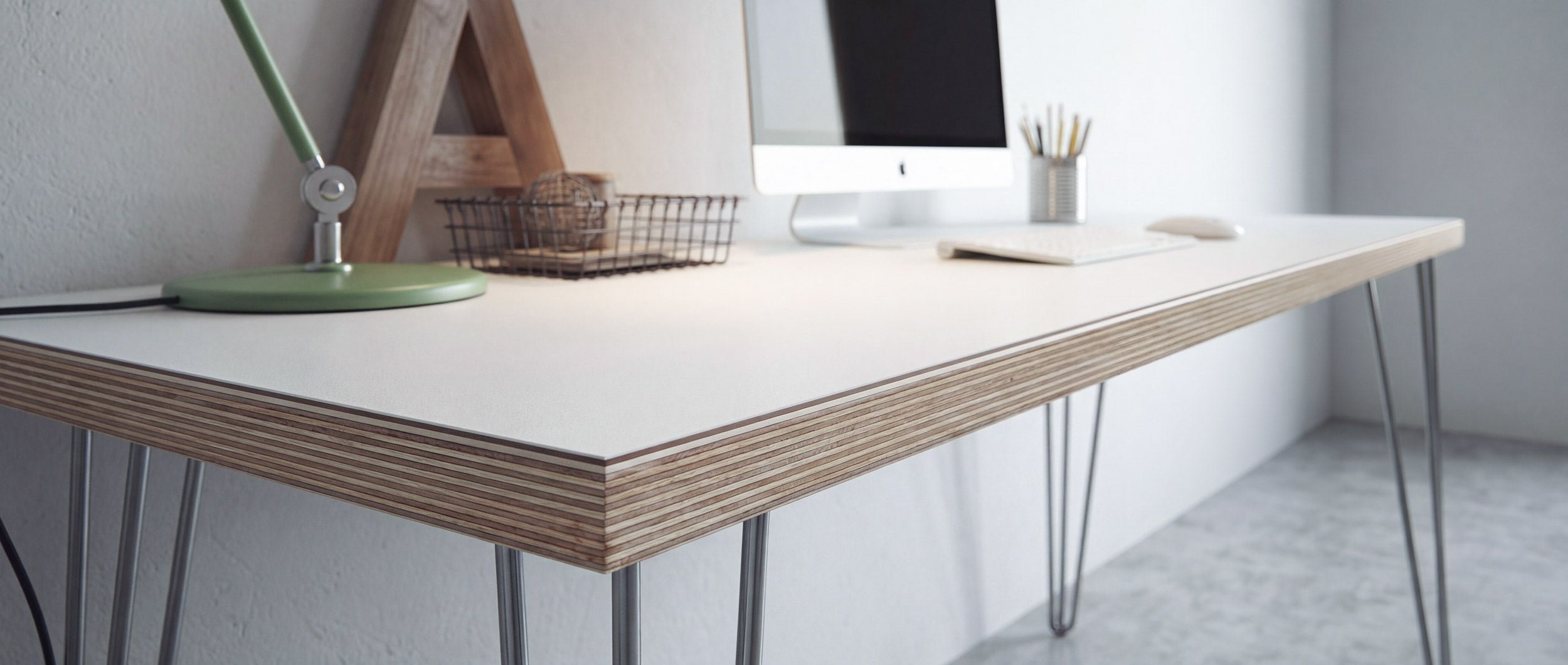
White Formica plywood desk top close-up in a home office, against a white wall and concrete floor

Desk Tops

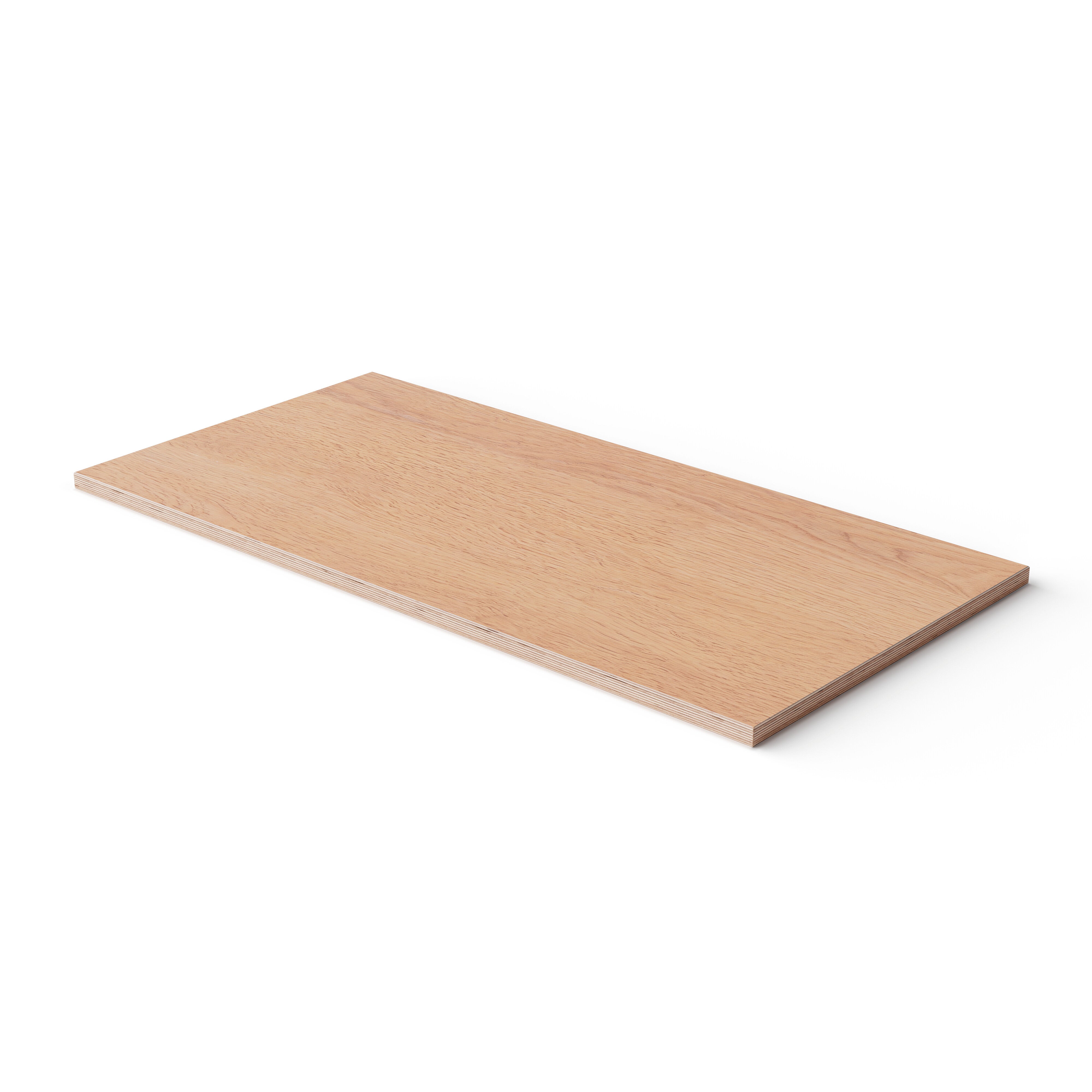
Desk tops at 120 × 60 cm or 150 × 75 cm, in oak, walnut, birch, and Formica. 25mm AA-grade Baltic birch core. Mounts to any legs or standing-desk frame.
Filters

By material

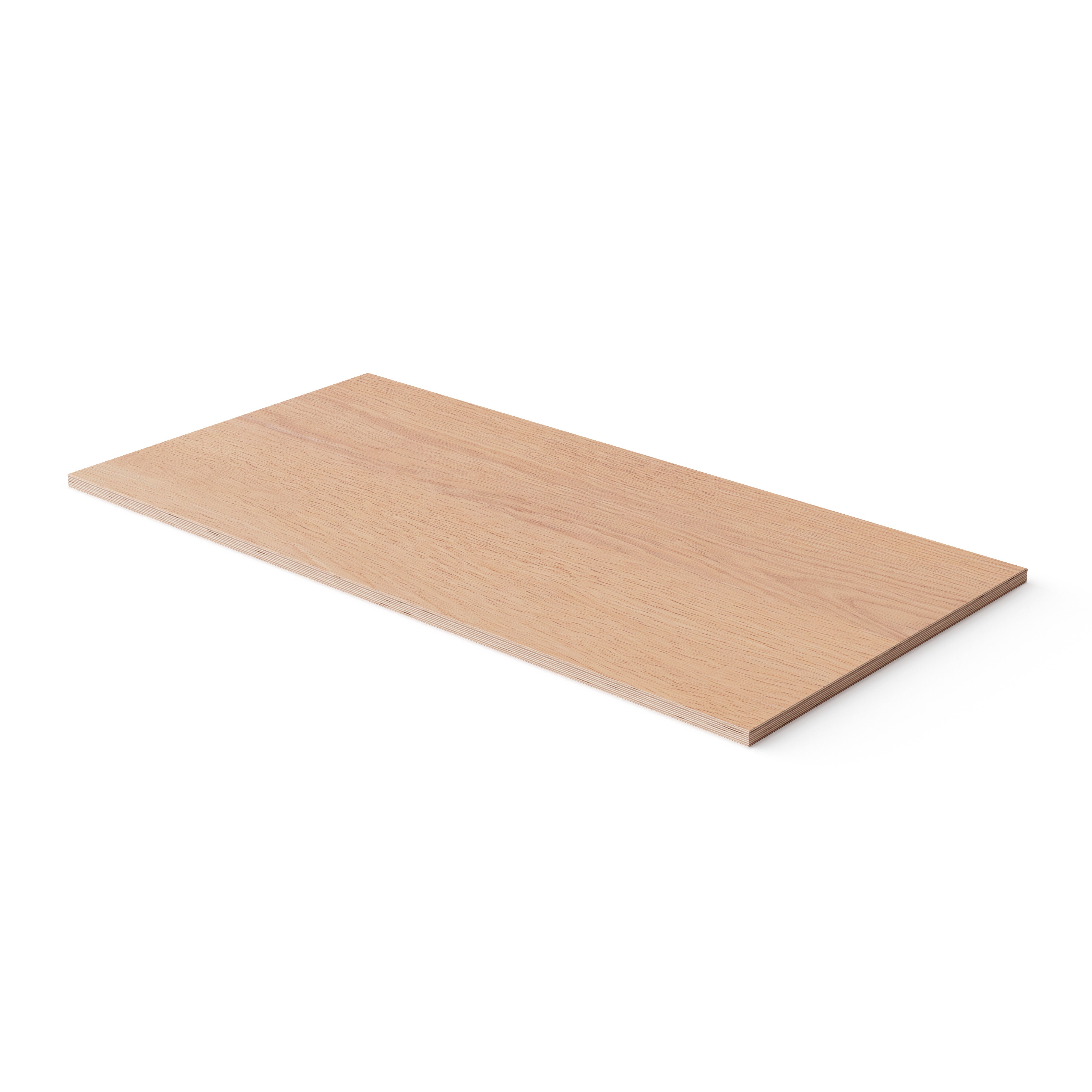
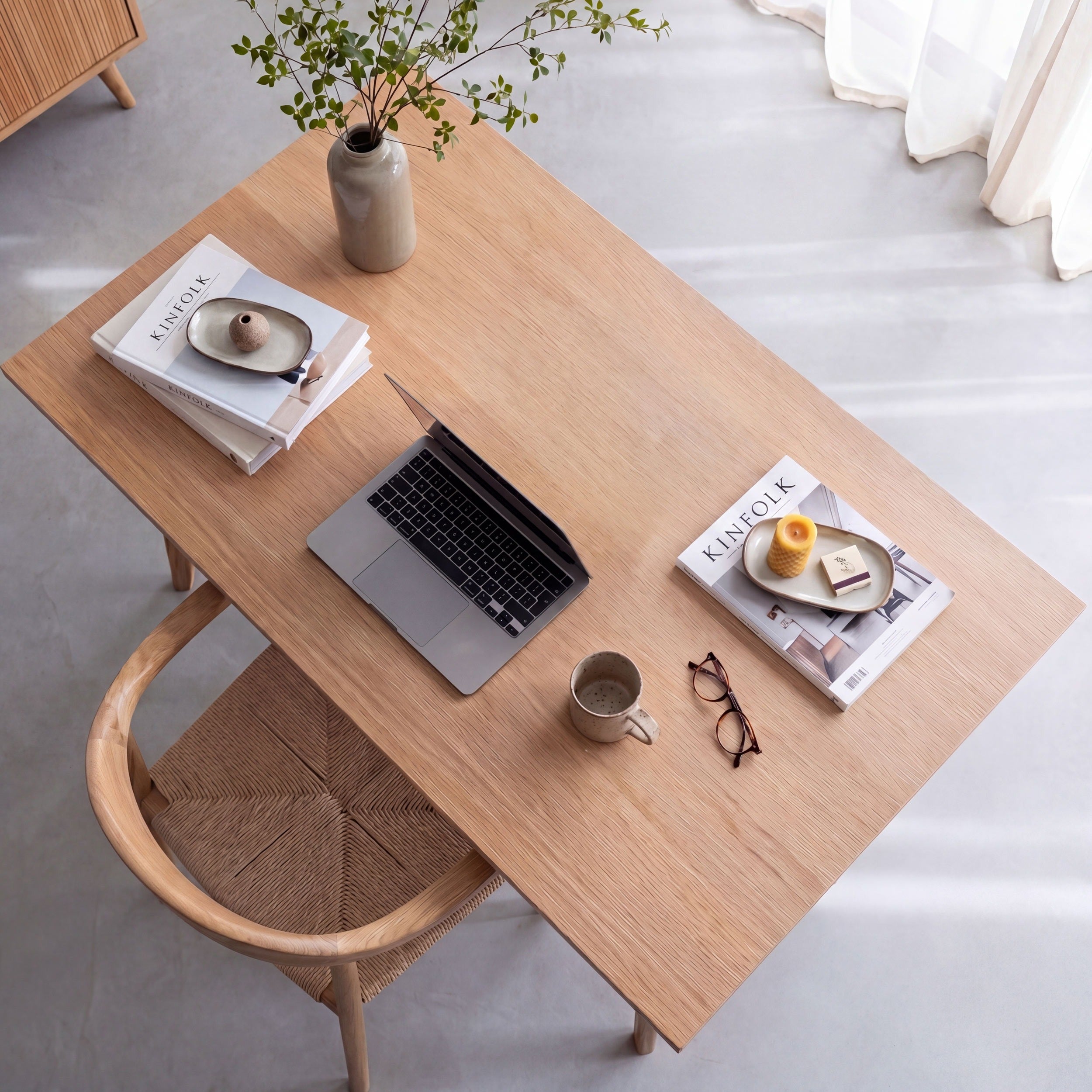
  • Oak: mid-honey tone with prominent grain. Most versatile across room styles. Hand-finished with hard wax oil.
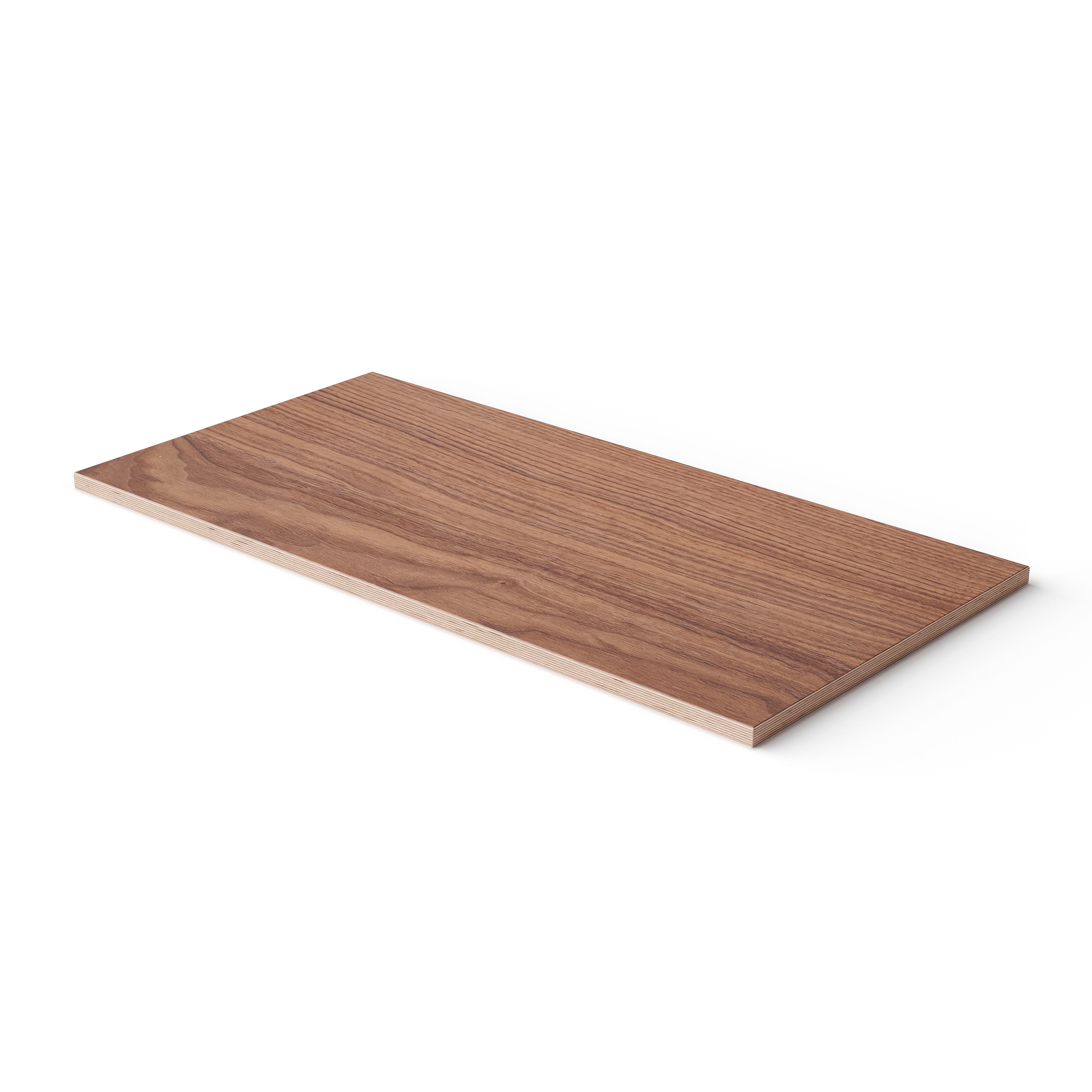
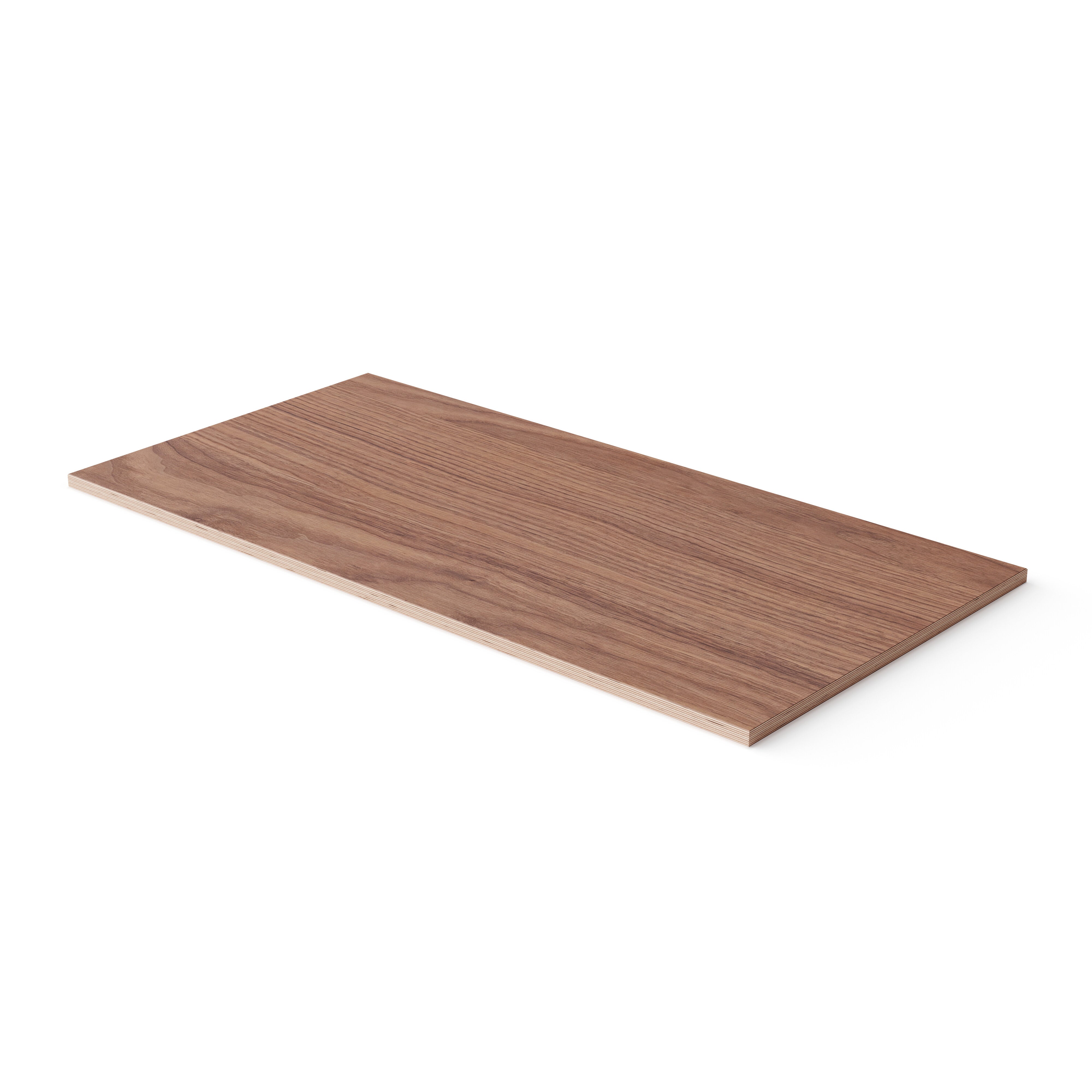
  • Walnut: American black walnut with deep tone and bold grain. An industrial or mid-century look. On a birch plywood core. Hand-finished with hard wax oil.
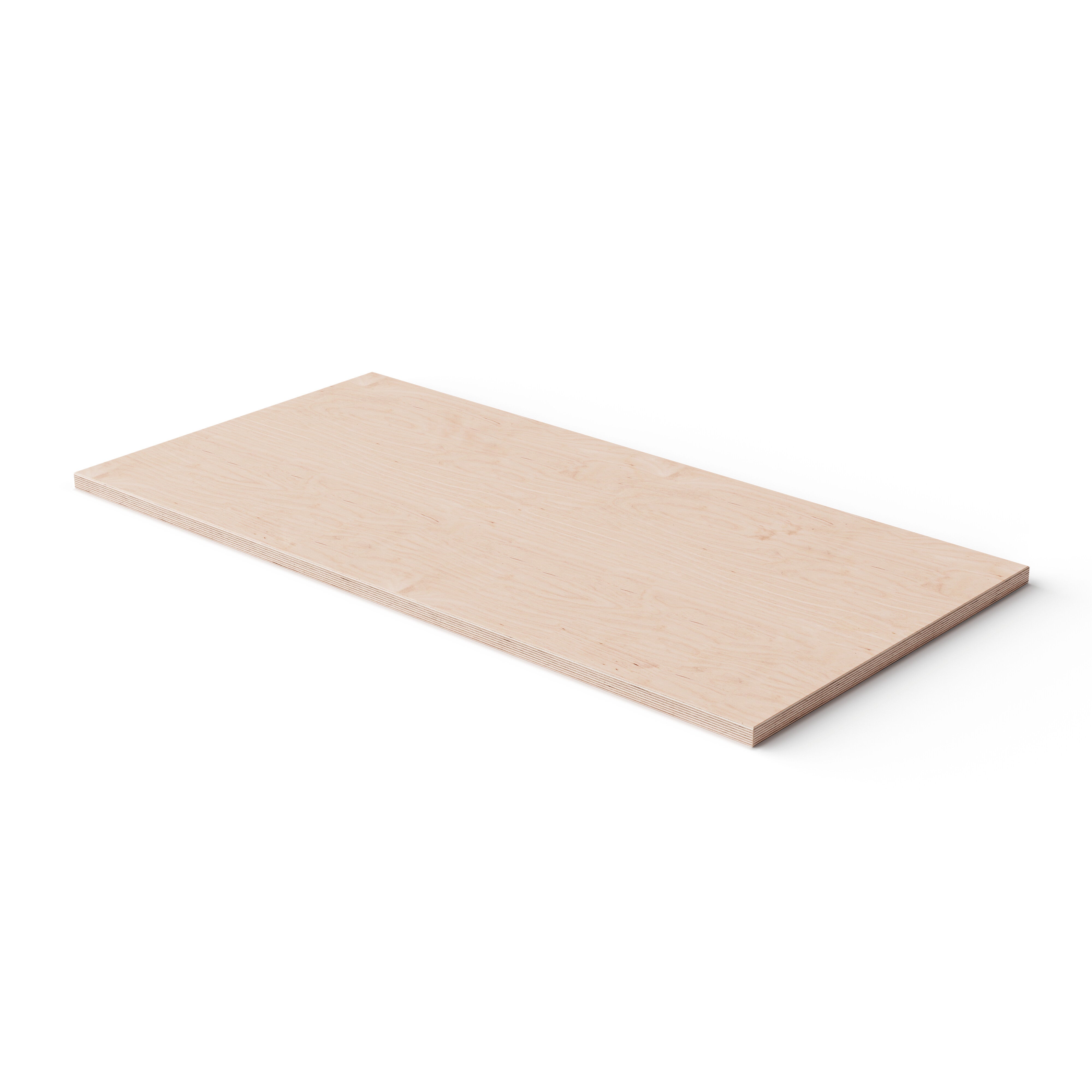
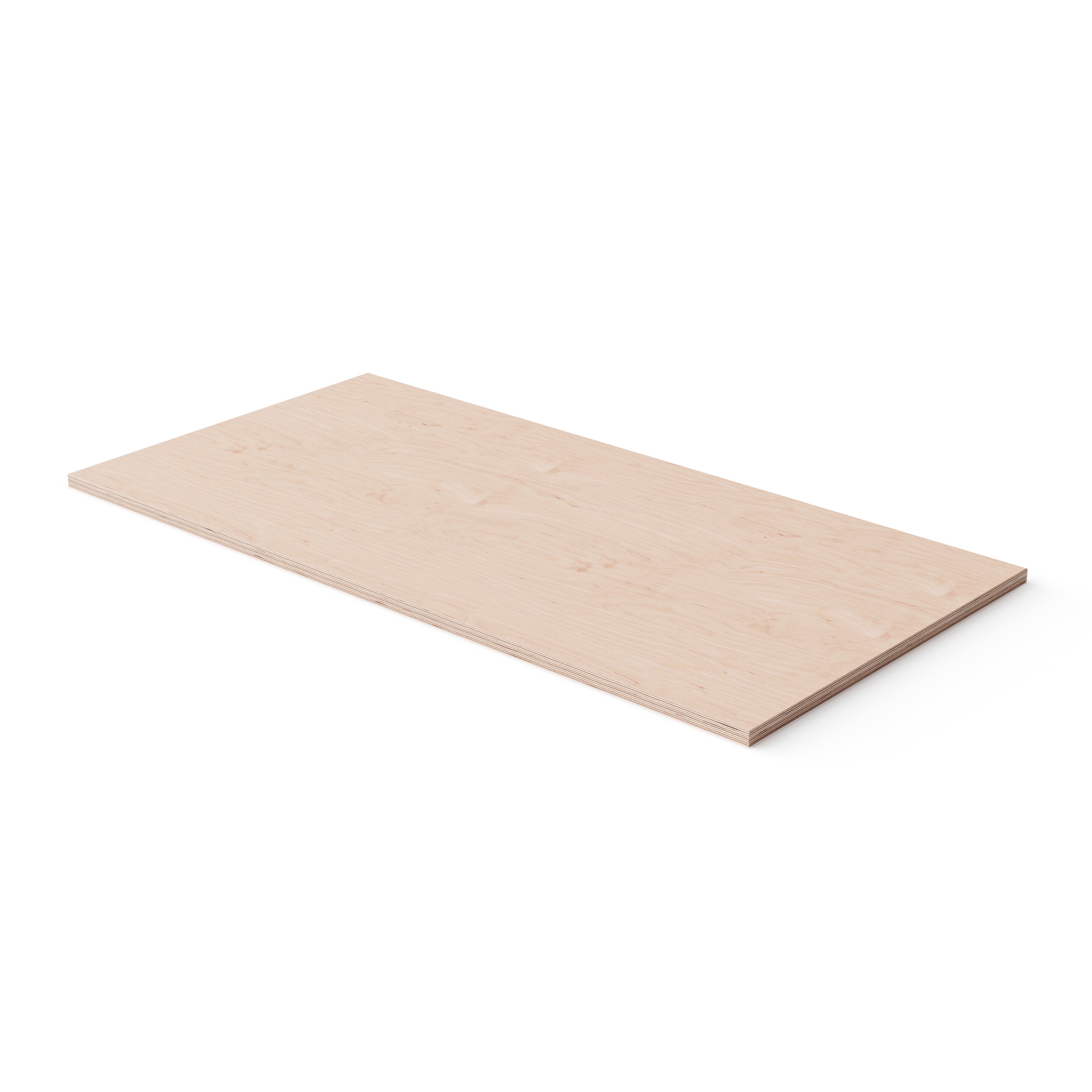
  • Birch plywood: light, even tone with a visible multi-ply edge. Clean Scandi look. AA-grade Baltic birch all the way through.
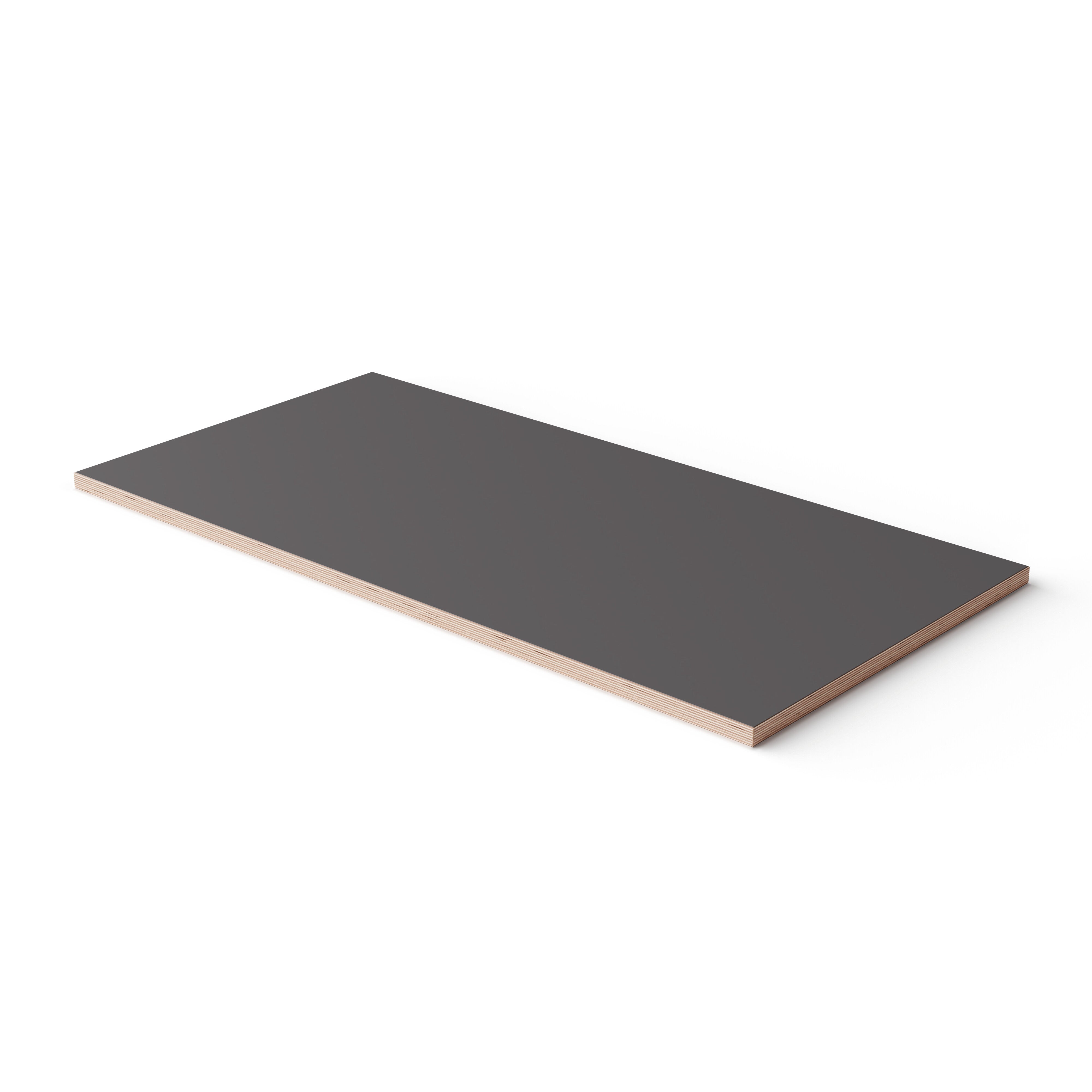
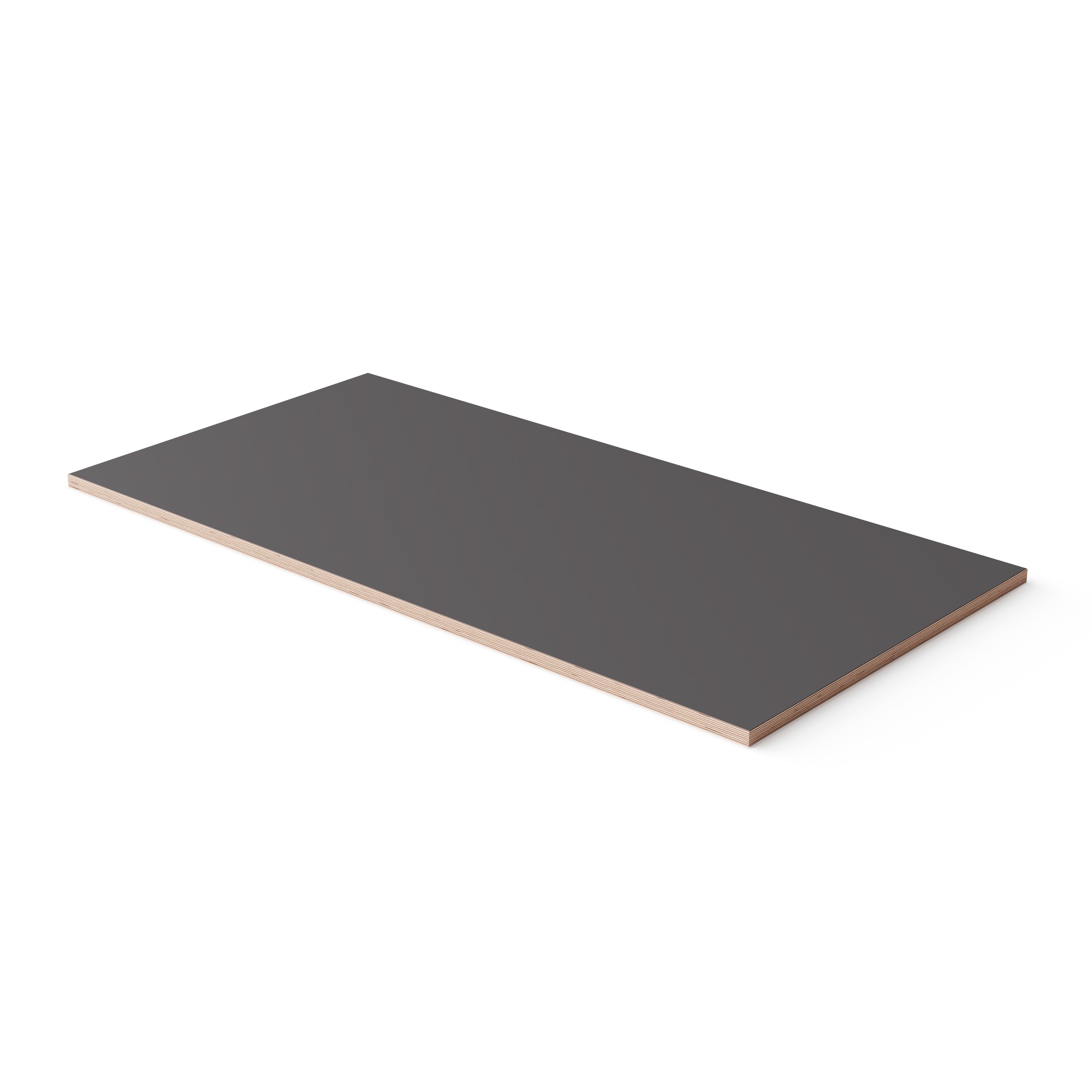
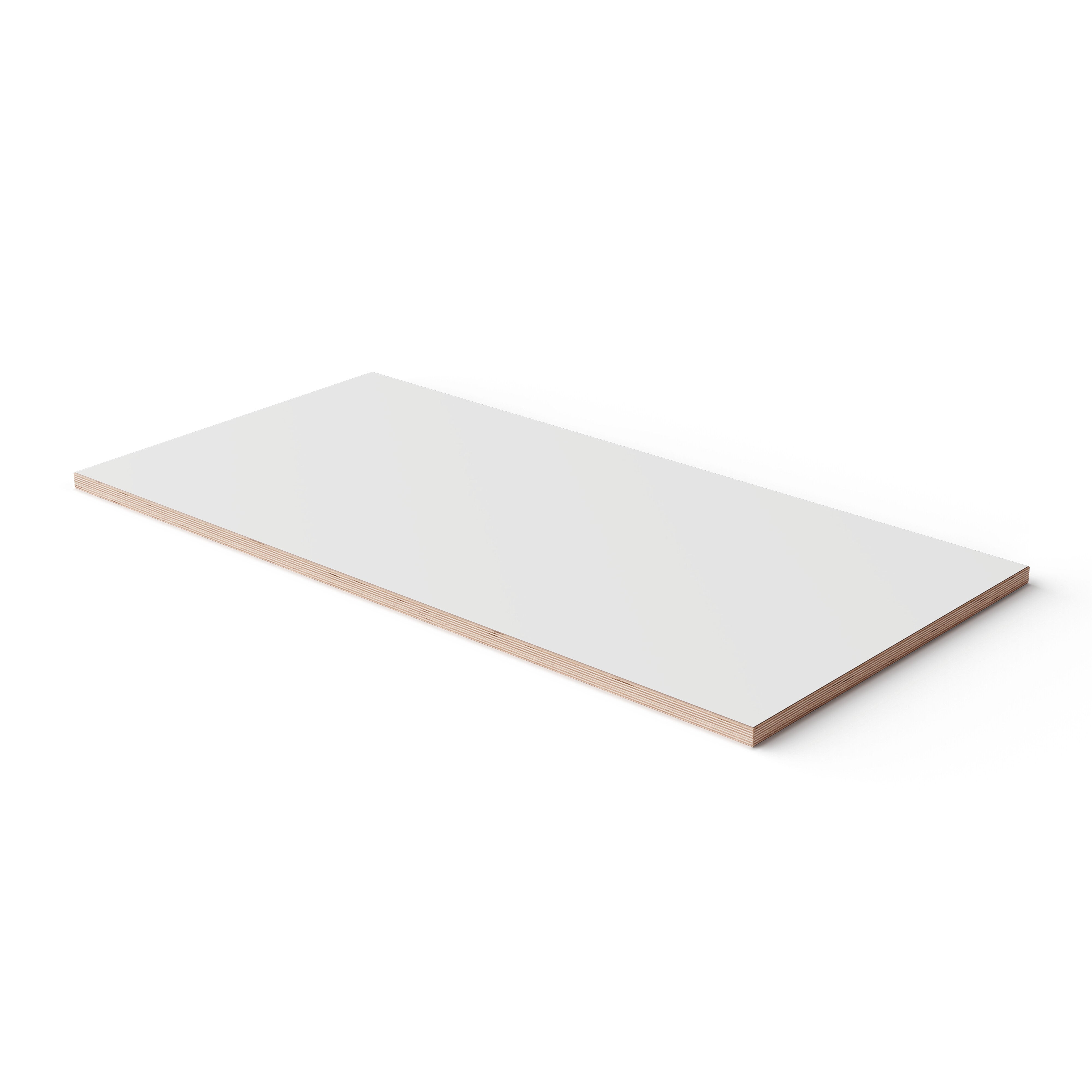
  • Formica: Formica surface on a birch plywood core. White or pewter grey. Modern, wipe-clean.

Sizing

  • 120 × 60 cm: standard desk size. Single workspace; laptop or single-monitor home-office setup.
  • 150 × 75 cm: generous desk. Room for a notebook, books, monitor, and the rest of what drifts onto a desk.

If you have the space for it, the 180 × 80 cm dining table top works as a 3-workstation desk surface. Construction is identical; we list it under dining for its standard use.

What you'll need

The tops ship undrilled. To mount legs you'll need a drill (3-3.5 mm bit for pilot holes) and a screwdriver. Screws come with the legs. The Premium Drilling Kit bundles a depth-set 3.5 mm countersink bit and an automatic centre punch.

For desk-height pairing, see desk legs: three-rod hairpin, box-section industrial, tapered wooden, or single-pin ranges. L-channel stiffening bars are optional for heavier multi-monitor setups.

Or skip the build with a complete desk kit: top, legs, and Premium Drilling Kit included.

The Hairpin standard

We use high-quality European Oak, American Black Walnut, and AA-Grade Baltic Birch on our wooden tops. Formica is high-pressure laminate (HPL), not paper or melamine. All on an AA-Grade Baltic Birch plywood core, hand-finished with hard wax oil and edged with a 1.5mm chamfer.

A desk top needs to stay flat, stiff, and strong, resisting general wear over years of daily use. Our 25mm AA-Grade Baltic Birch core is stiff across the desk span and mounts directly to legs without an apron underneath.

Adam has had a white Formica desk in his home office for nearly 15 years. We use, and thoroughly test, our products day-to-day.

FAQ

What is faced plywood?

Faced plywood is a structural plywood core with a decorative face on the visible surfaces. The core does the engineering work (load, stability, strength); the face carries the visual character. Hairpin's tops use an AA-grade Baltic birch core with four facing options: oak or walnut real wood veneer, white or grey Formica HPL (high-pressure laminate), or the AA-grade birch face sanded smooth and finished. The wood veneer is solid timber bonded to the core, and the Formica HPL is a resin-based laminate, not foil, paper, or melamine. Edges are chamfered 1.5mm, sanded smooth, and sealed with hard wax oil as the final step.

What is AA-grade Baltic birch plywood, and why does it matter?

AA-grade Baltic birch is a specialist plywood made from cross-bonded layers of birch veneer. Hairpin's 25mm sheets carry 17 to 19 plies, more than typical poplar or DIY-store hardwood plywoods, with tighter manufacturing tolerances and a void-free core. The 'AA-grade' specifies the visual face: both faces clear, no patches, plugs, knots, or keyhole repairs. The 'Baltic' specifies the wood and origin: birch from European mills, FSC-certified at source, denser than the alternatives.

Why it matters: more plies means better stiffness, less seasonal movement, and more resistance to cracking. At 25mm it sits alongside solid oak as a serious tabletop material, matching it for stiffness with cross-bonded layers that stay dimensionally stable across humidity changes. AA-grade faces give a fully presentable surface on both sides, important for tops where the layered ply edge is part of the visual. The price reflects the engineering case: this is the material the build deserves.

How does plywood compare to solid wood as a tabletop?

Plywood and solid wood are both honest furniture-grade choices with different trade-offs, not better-or-worse. AA-grade Baltic birch is stiff and flat enough at 25mm to skip the traditional skirt or apron, giving a more modern look and better legroom. It also moves less with humidity than solid timber, so the top can mount directly to legs without floating fixings like S-clips. Solid wood remains the right call for heirloom-grade tables you'll re-sand and refinish over decades, especially in a rustic style. Faced plywood is the cleaner, modern feeling alternative.

What size desk top do I need?

There's no right or wrong size for a desk top; it comes down to how much space you want to spread into.

A 120 × 60 cm top is the home-office standard: laptop, single monitor, room for a coffee, fits most rooms. A 150 × 75 cm top suits a multi-monitor setup or a desk that holds a stack of reference books, drawings, and the bits that pile up across a working day. A 180 × 80 cm top works as a 3-workstation surface for shared studios or larger offices. Same construction as our dining table tops.

Can I use this on a standing or height-adjustable desk?

Yes. Our Square Industrial Frame at 102cm Bar height is sized to fit our desk-top dimensions directly. For a Hairpin-built standing desk, the top mounts without trimming.

The 25mm cross-bonded ply is continuous through the thickness, so you can drill mounting holes anywhere the frame's underside calls for them. The top stays rigid across a standing-desk span and sits well within the lifting capacity of standard third-party frames (Flexispot, Uplift, IKEA Bekant). If the footprint doesn't quite match your frame's mounting plate, a competent DIYer can trim and refinish the edge with Osmo Polyx-Oil 3032 (Satin) to match.

Can't find your answer? Contact us.