






Dining Table Tops
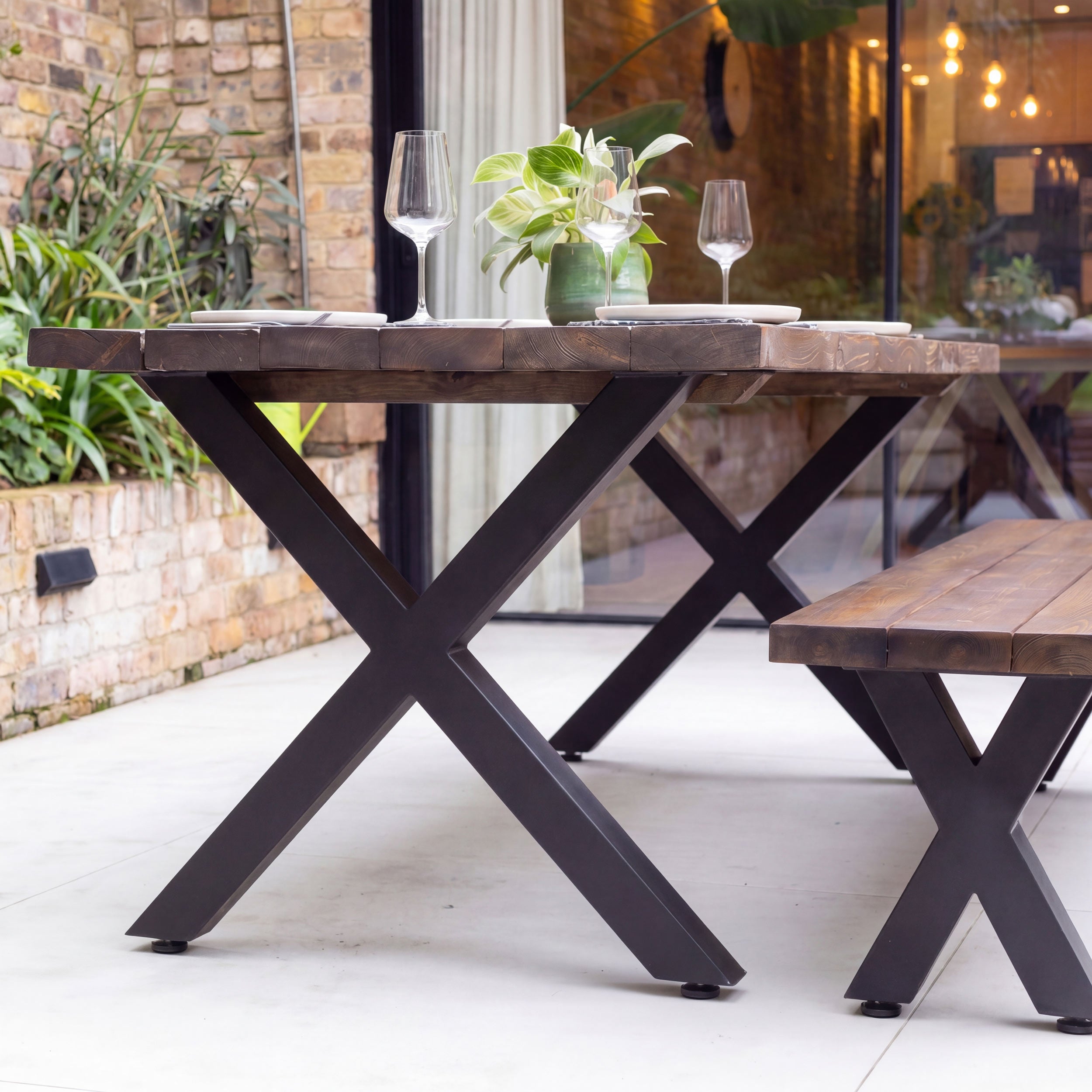
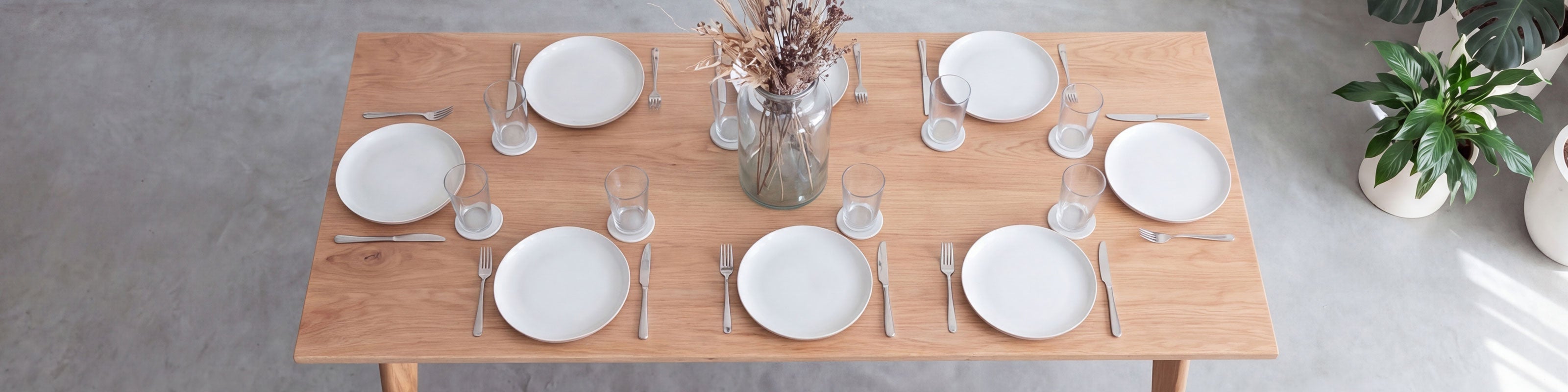
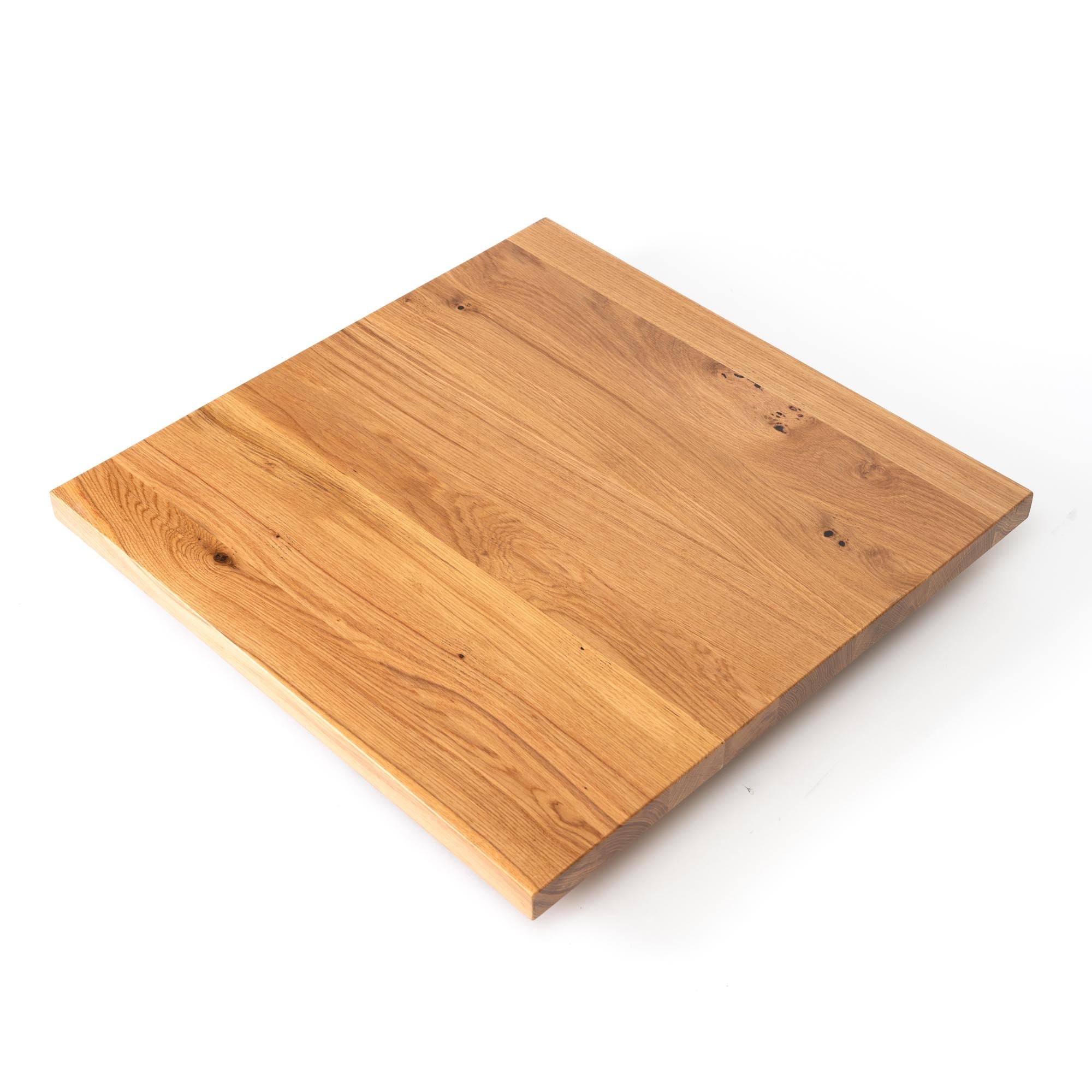
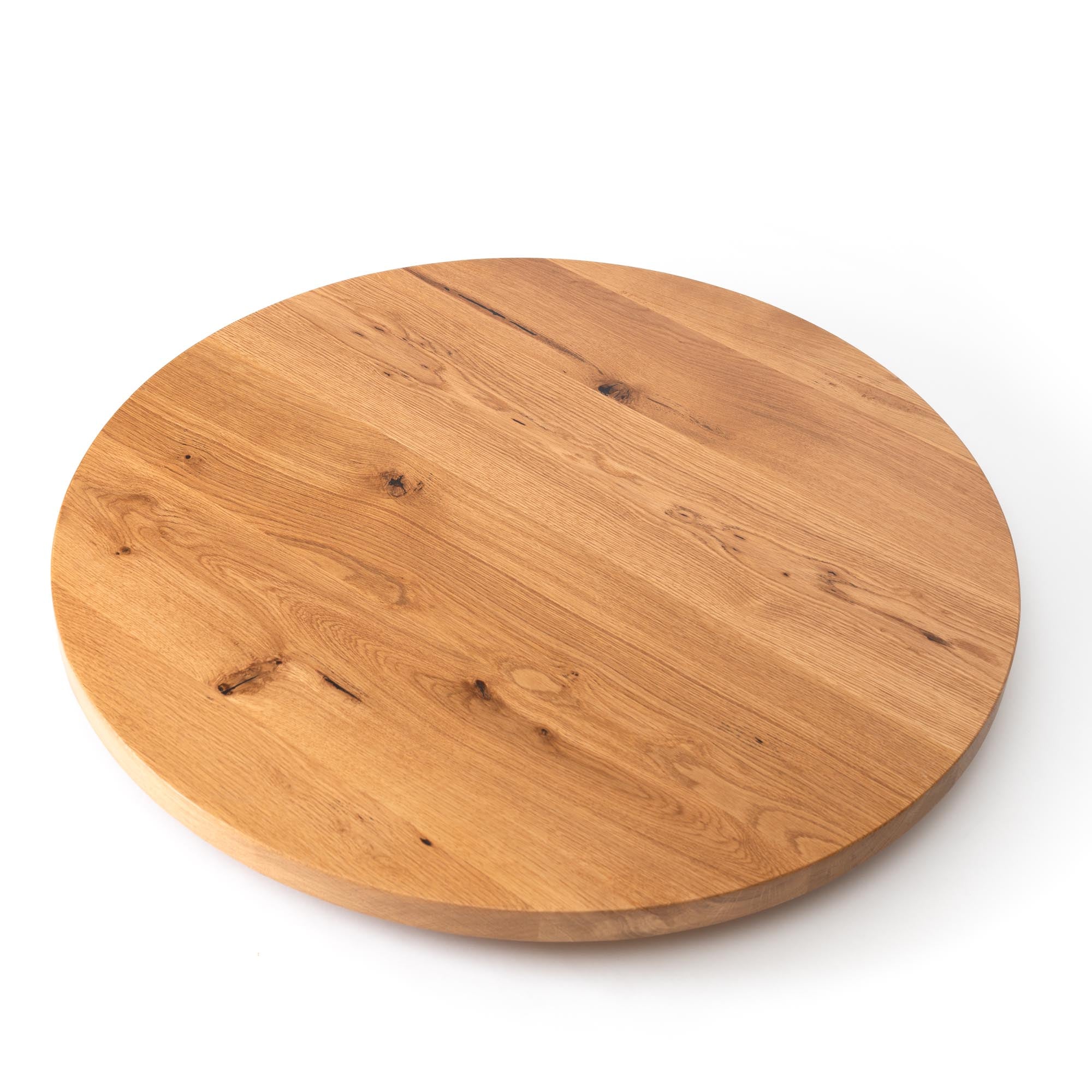
Dining table tops in oak, walnut, birch and Formica. Our 25mm AA-grade Baltic Birch range comes in 150 × 75 and 180 × 80 cm. Solid oak adds square, rectangular and round options.
Filters


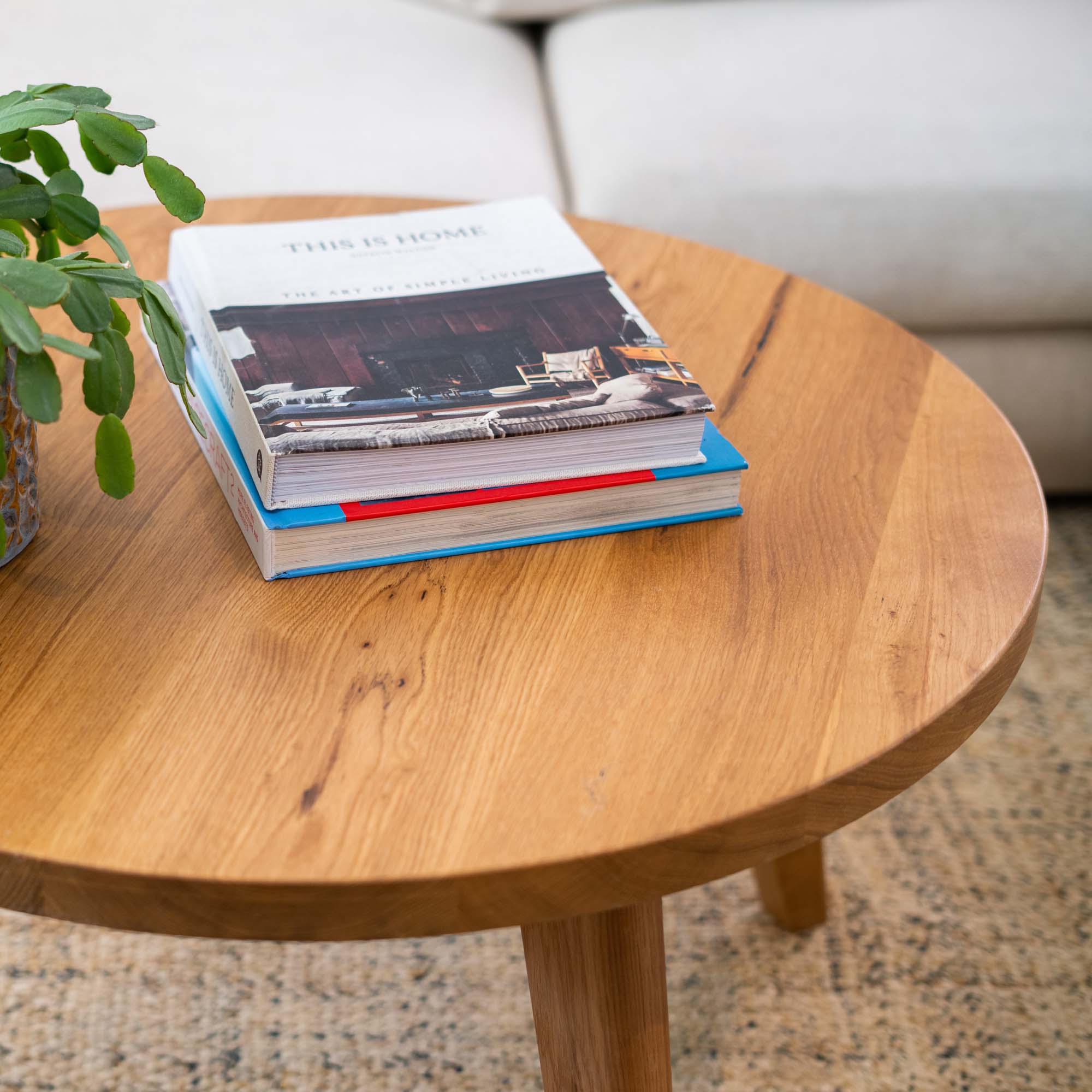
Choose your material
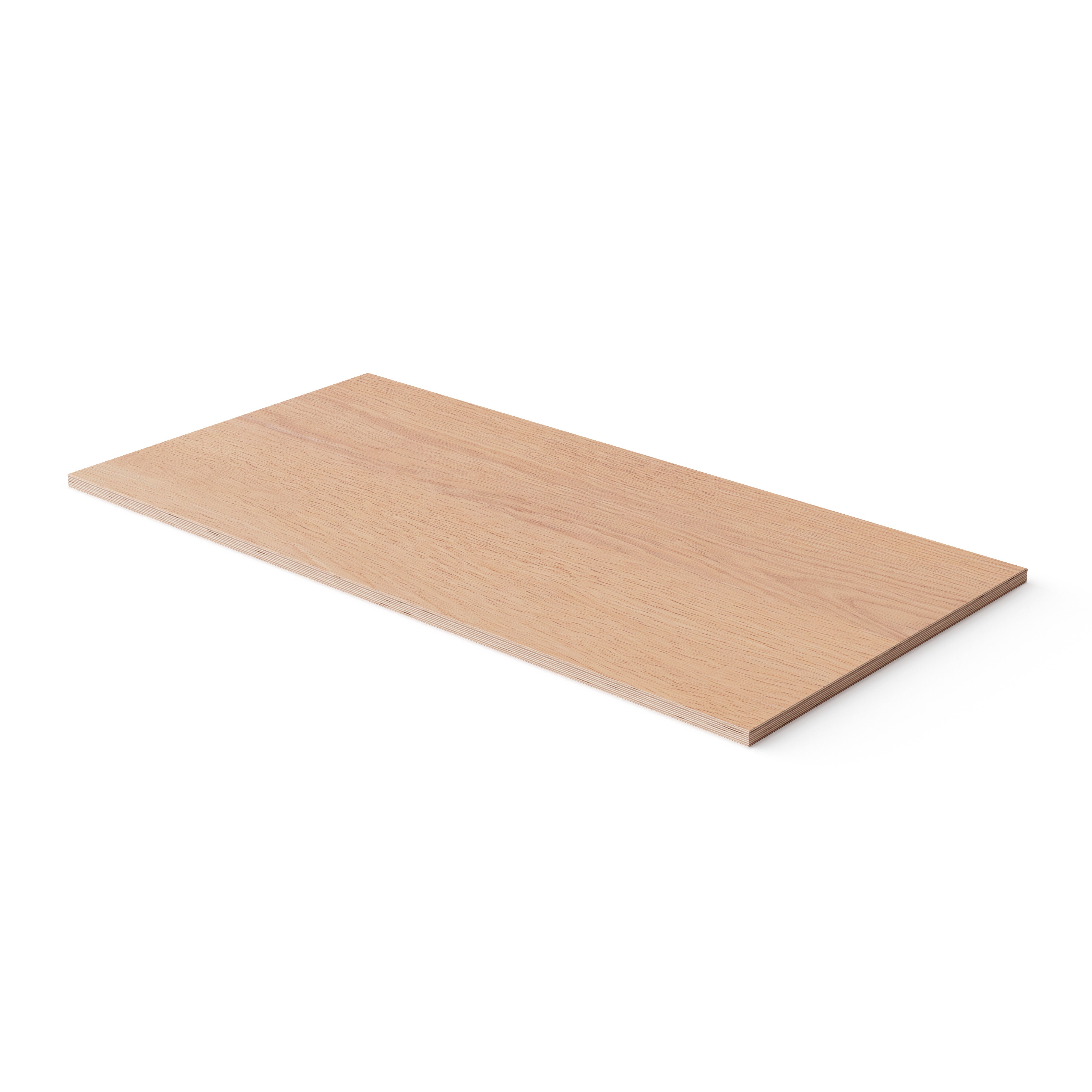
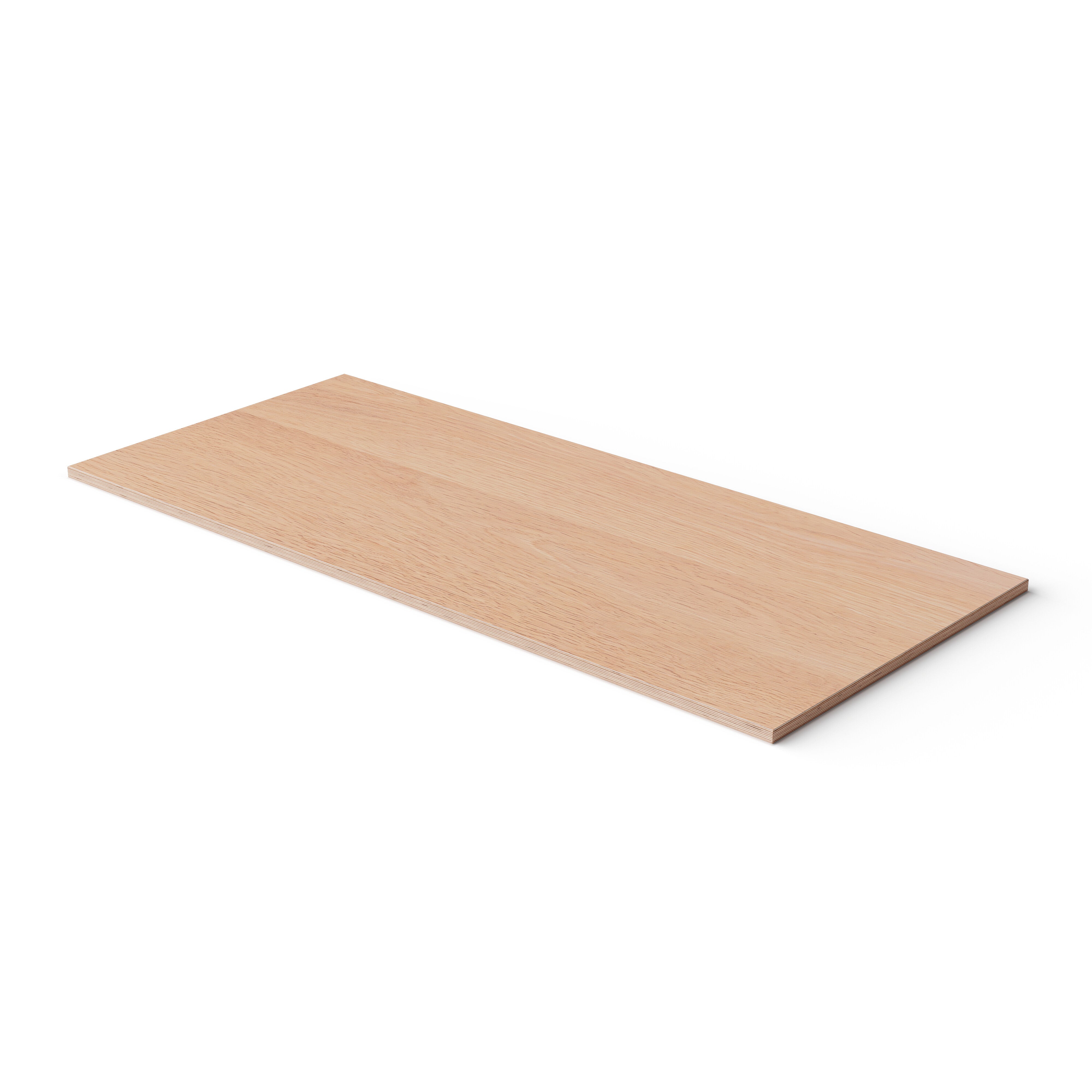
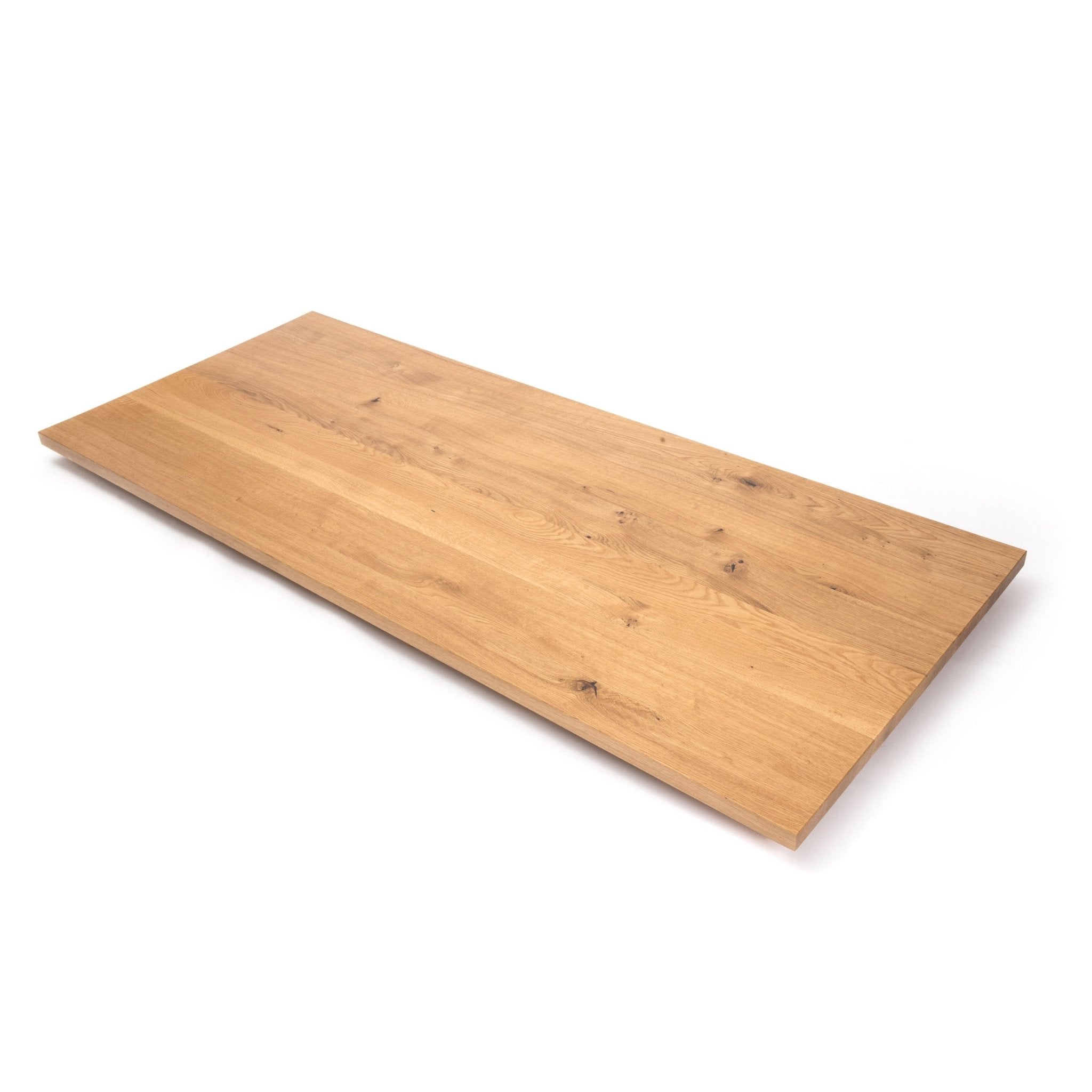
- European Oak: mid-honey tone with prominent grain, finished with hard wax oil.
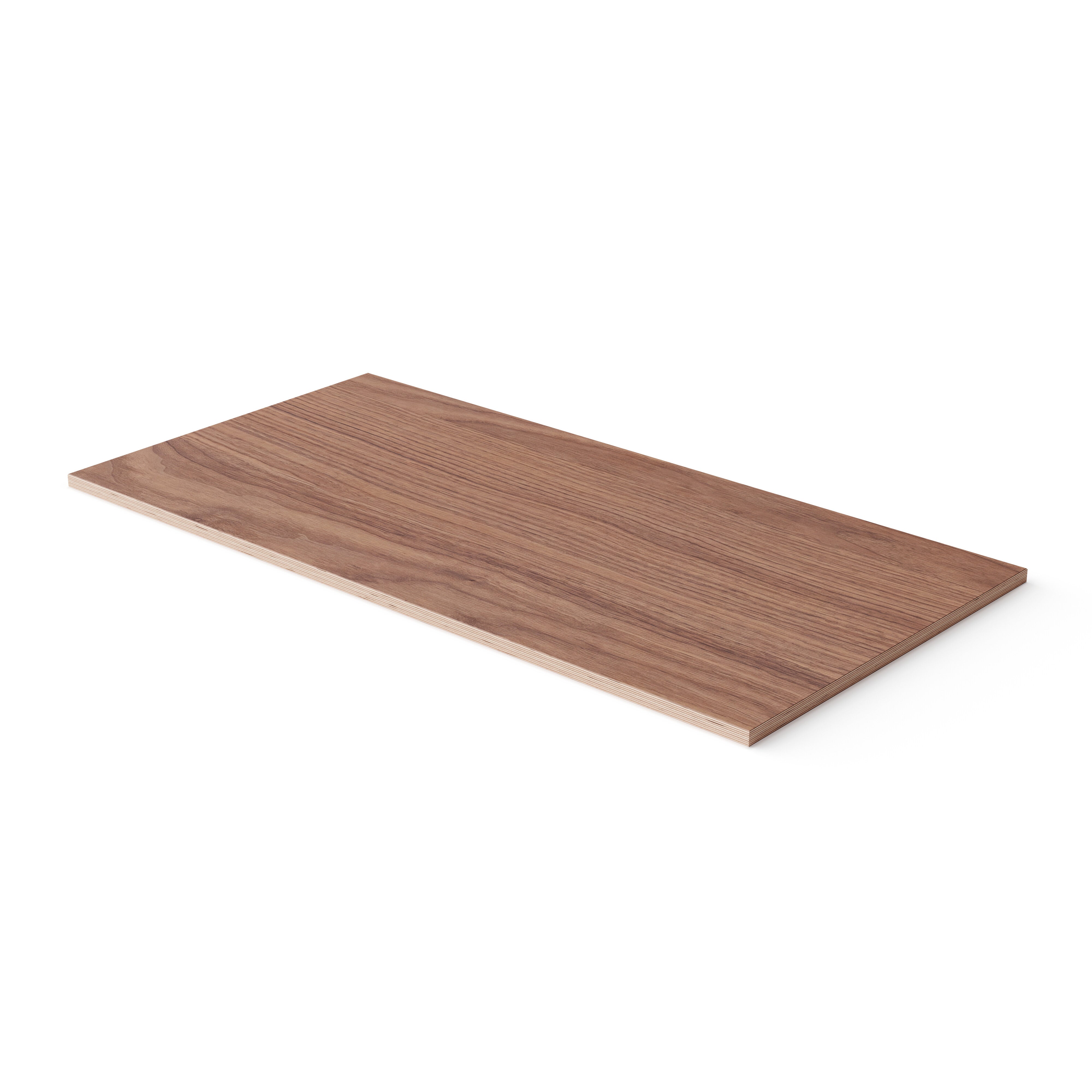
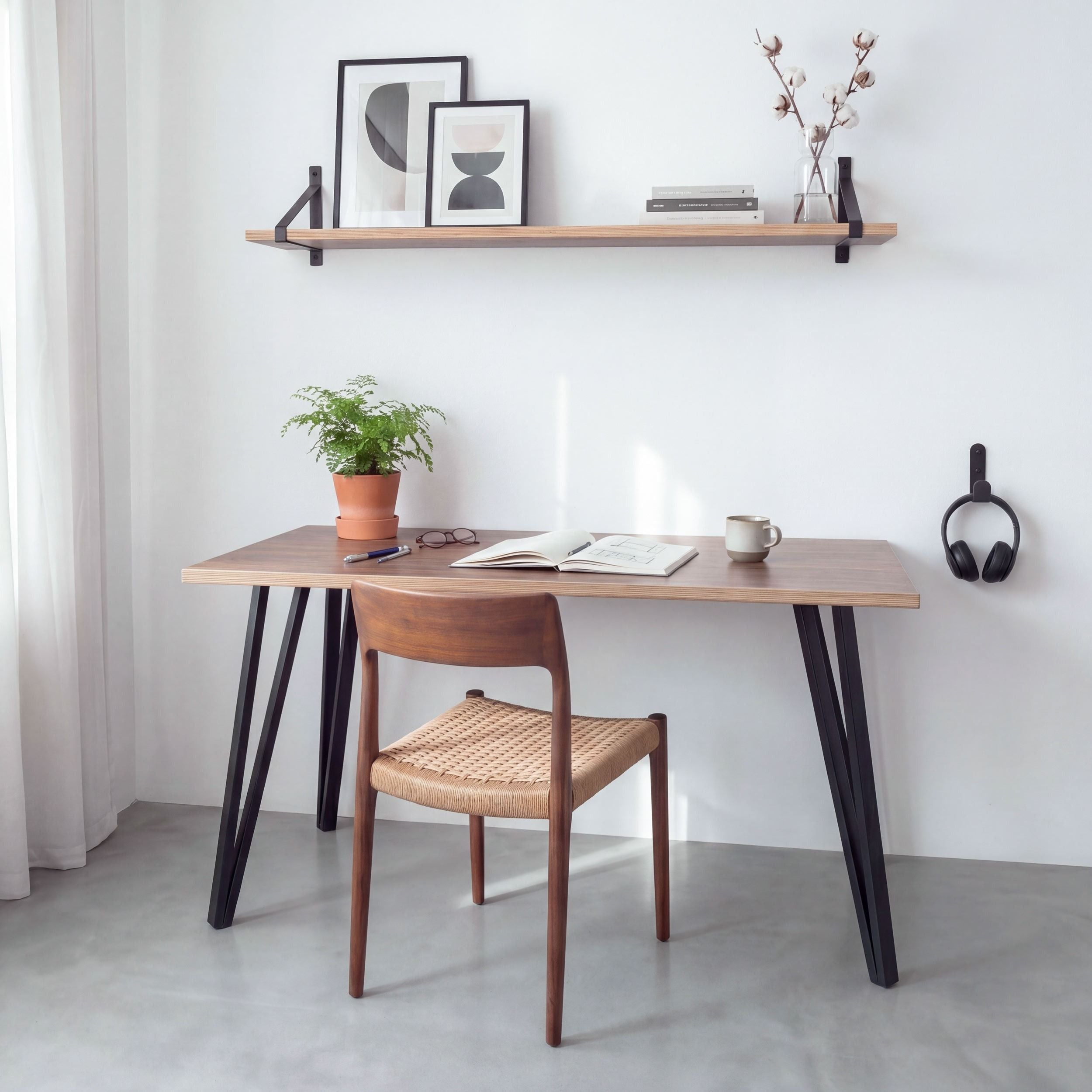
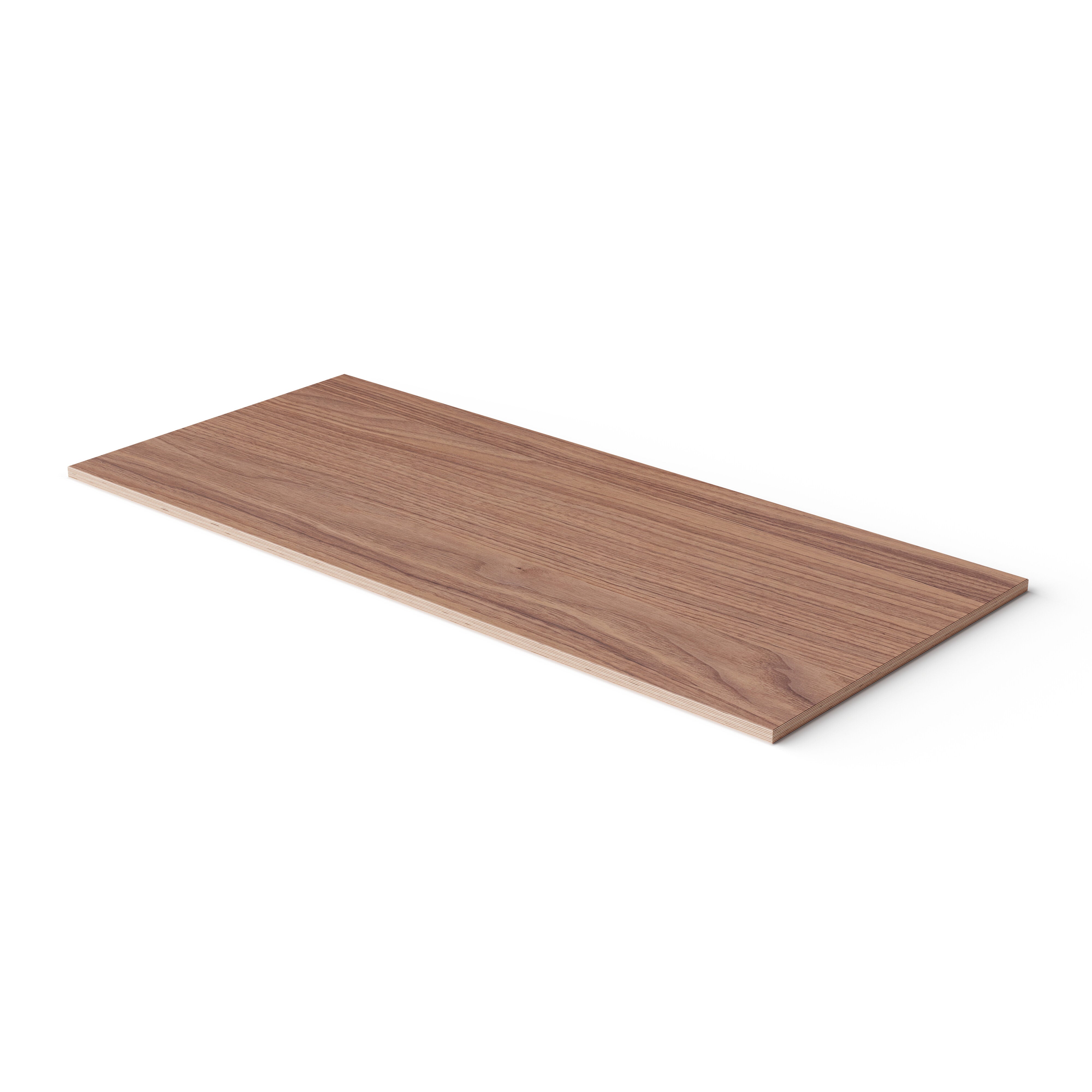
- American Black Walnut: deeper colour and bold grain, finished with hard wax oil.
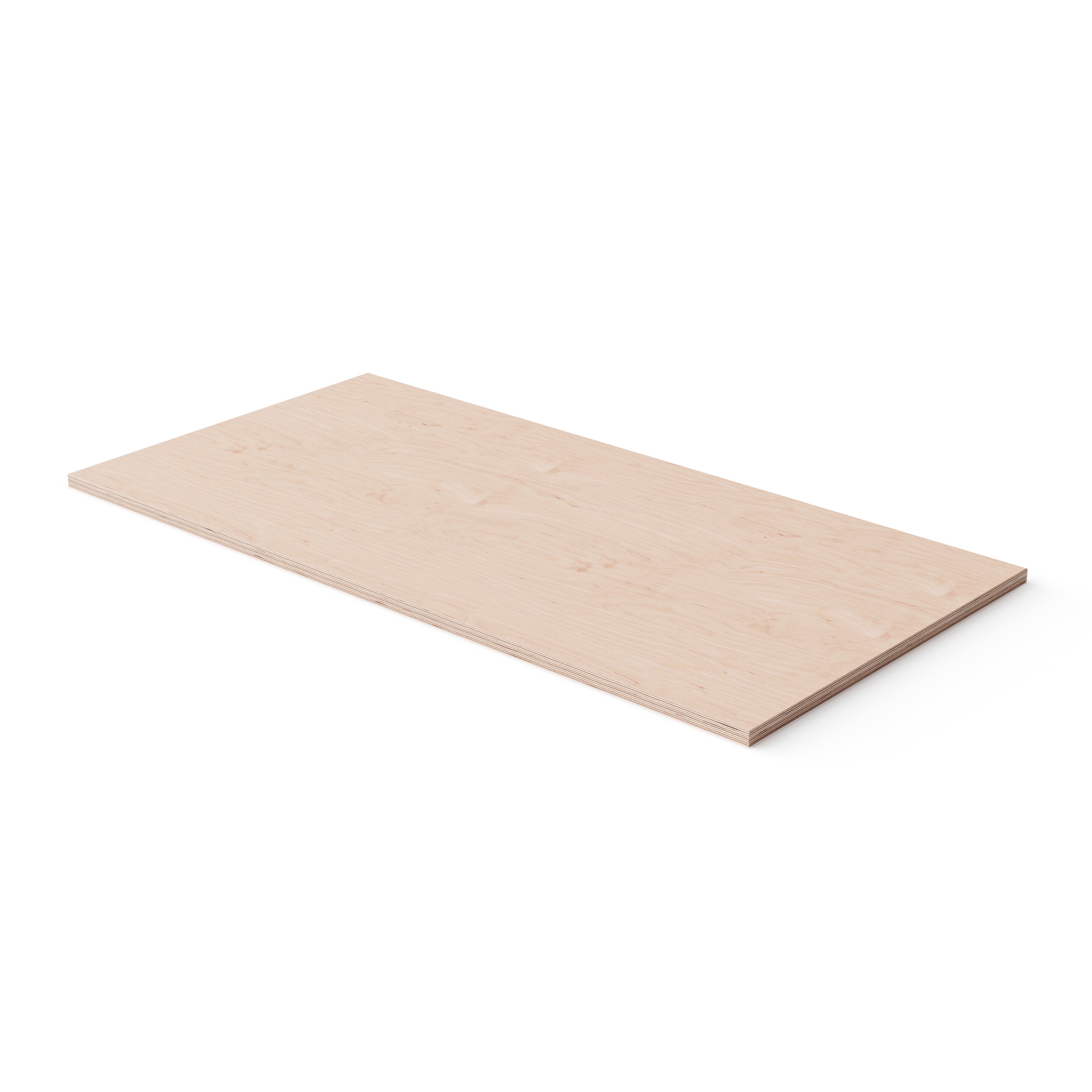
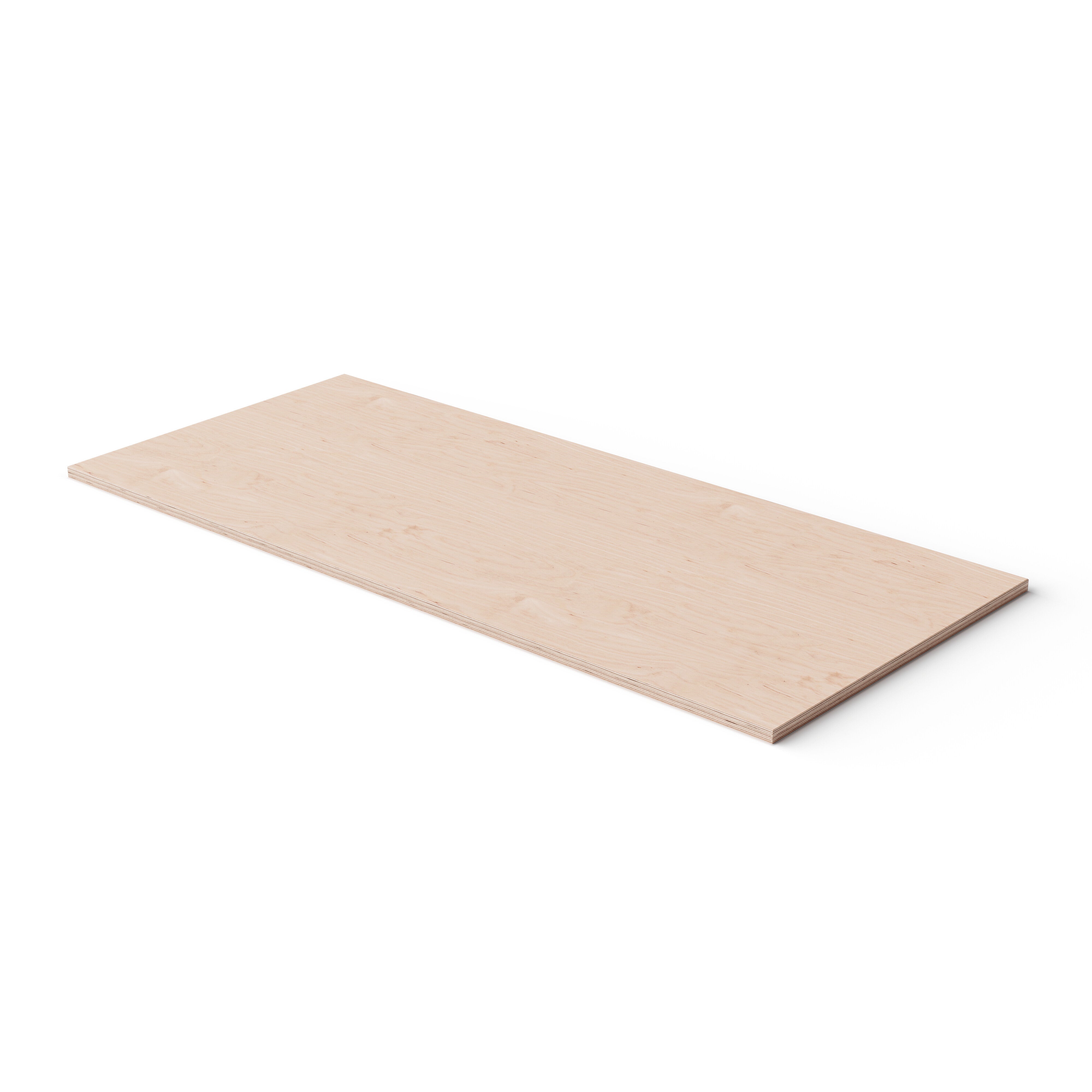
- Baltic Birch: a light, even face with a continuous grain running edge to edge.
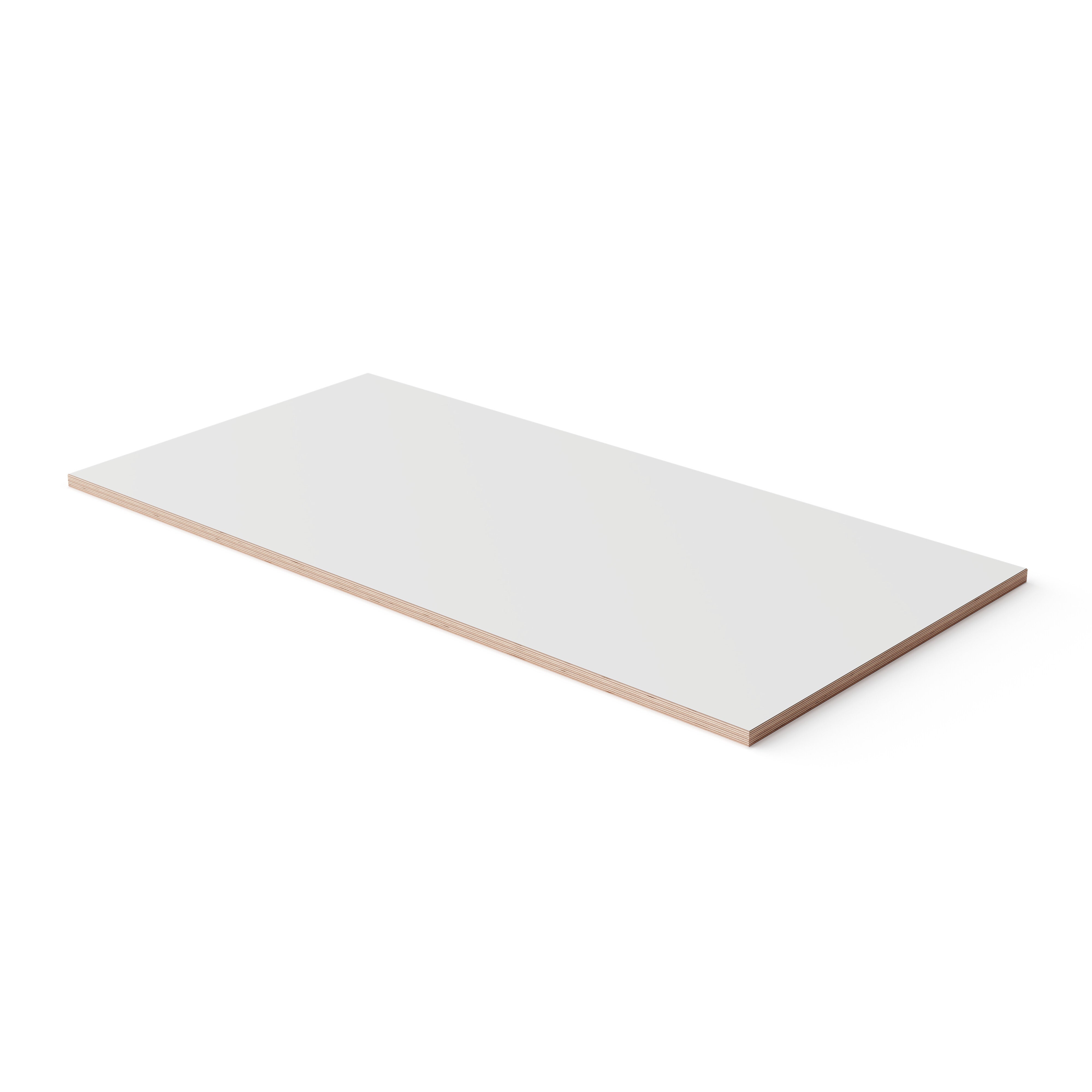
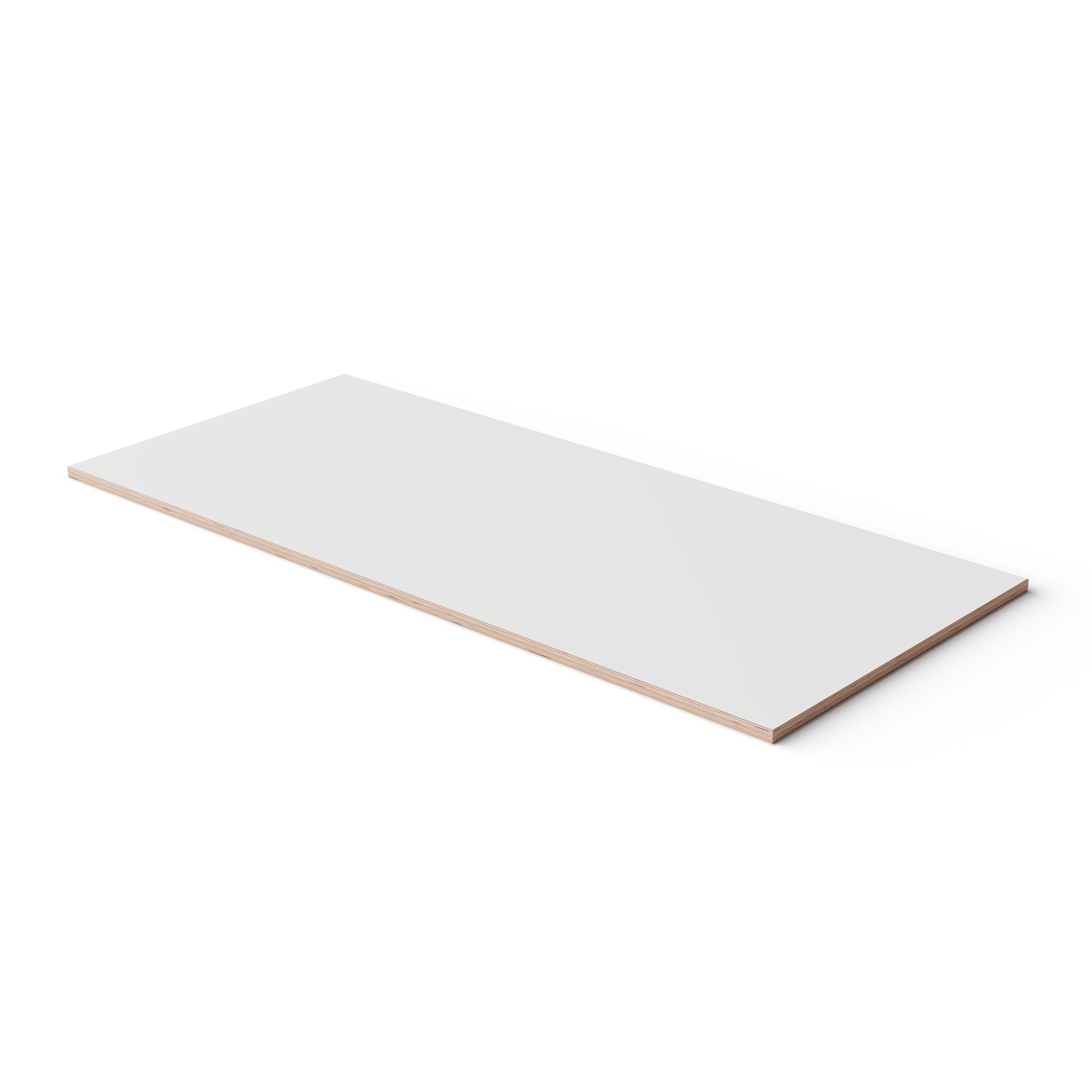
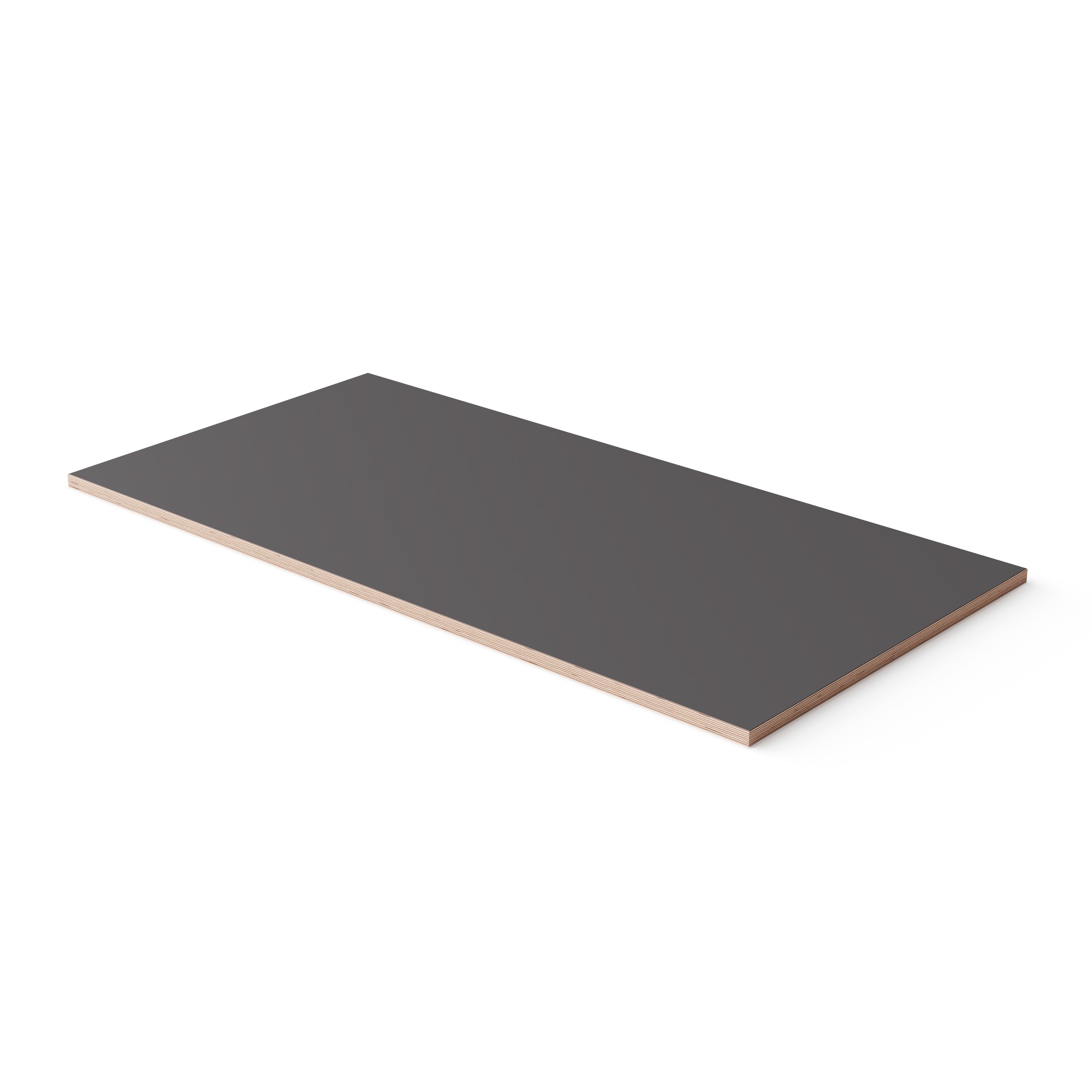
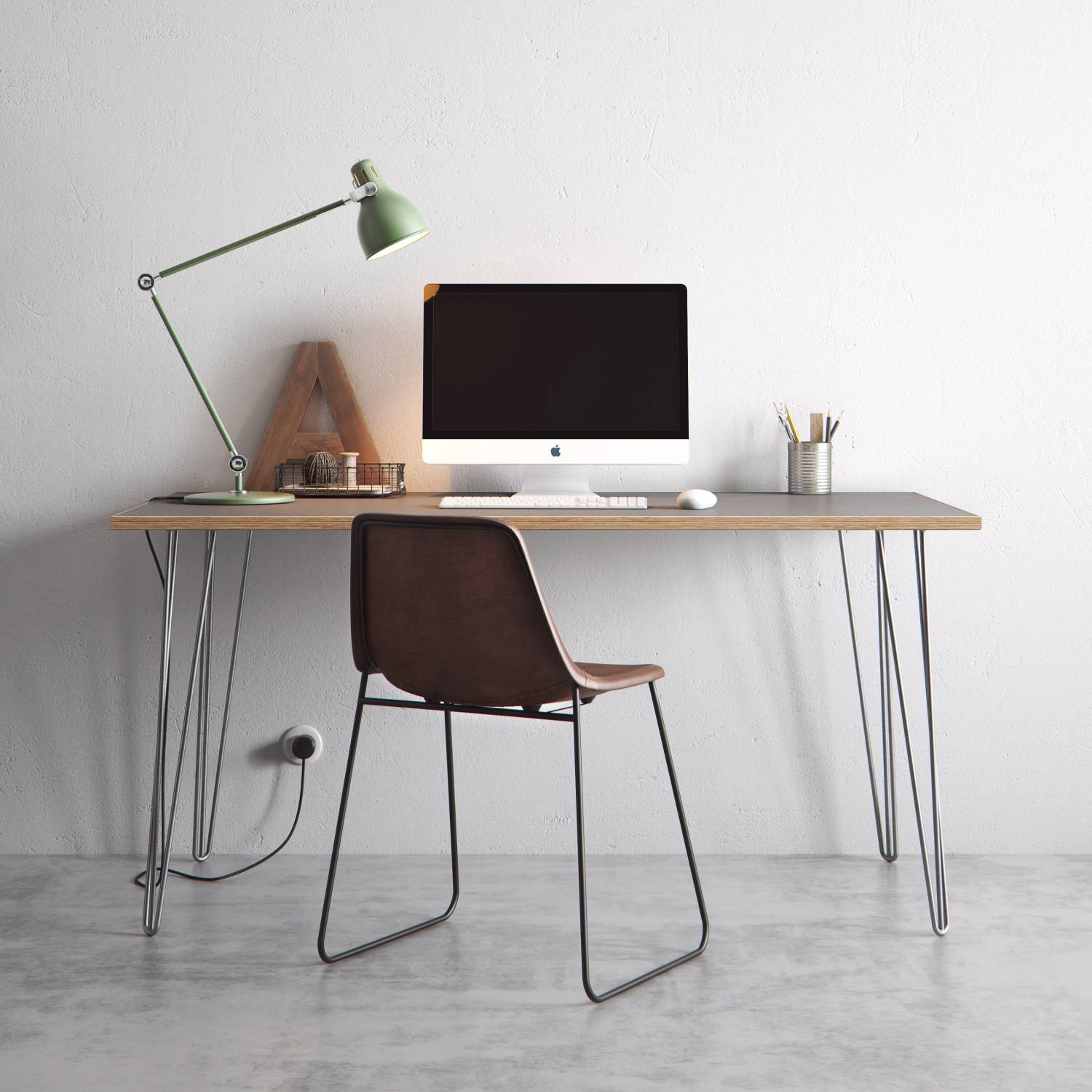
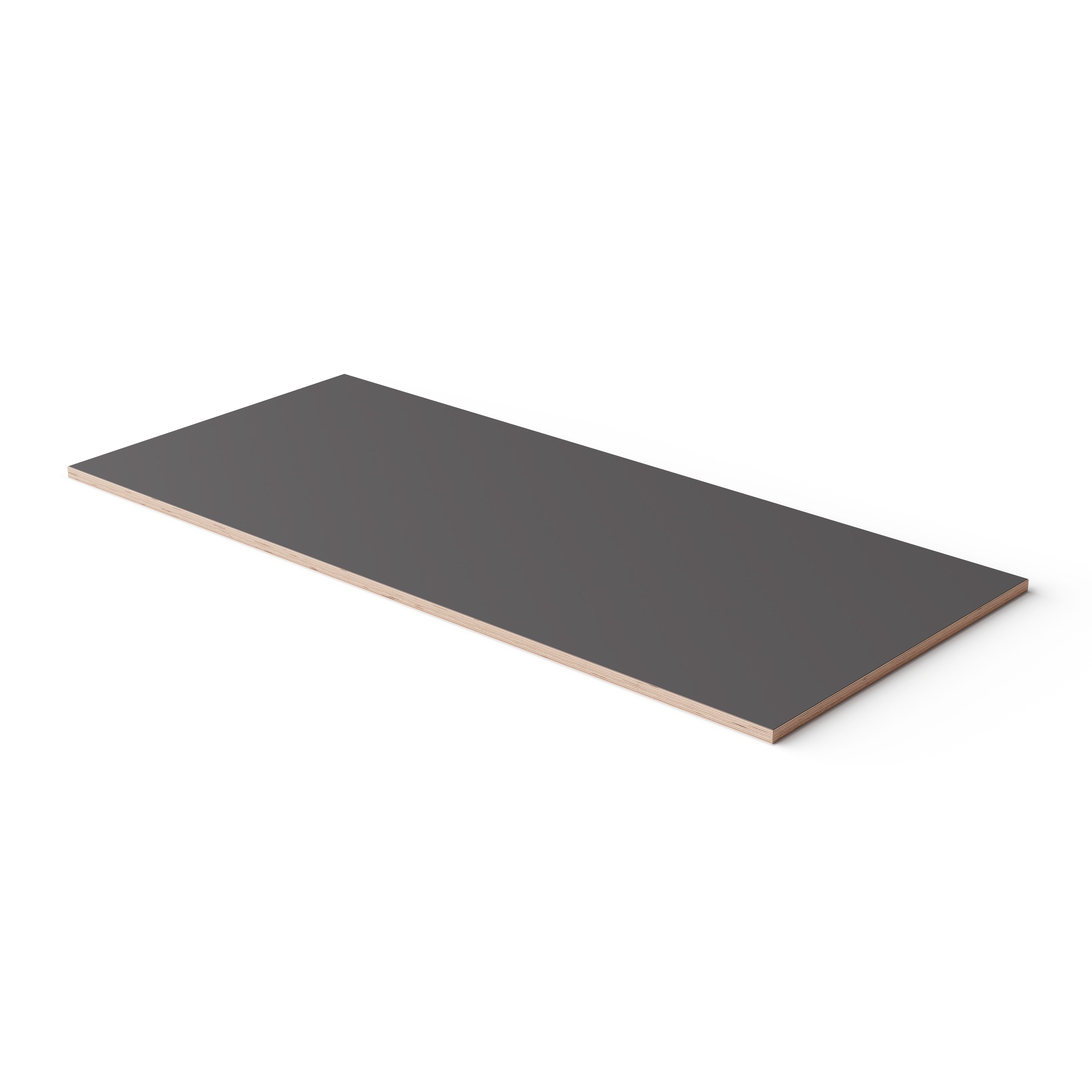
- Formica: a wipe-clean surface in Shell White or Pewter Grey.
- Solid oak: 32mm wide-stave European oak with a satin polyurethane lacquer finish. Available in rectangular, square and round shapes.
Sizing
- 150 × 75 cm Baltic Birch plywood: seats four comfortably.
- 180 × 80 cm Baltic Birch plywood: seats six comfortably.
If the size you need sits between the two, choose the next size up and we can cut your plywood top down to your measurements. Cutting to size starts at £50. This service is available across all five plywood finishes, but not for solid oak.
Solid oak adds 70 × 70, 90 × 90, 120 × 70 and 180 × 75 cm rectangular or square tops, plus Ø 75, Ø 90 and Ø 120 cm round tops.
For smaller desk-sized tops, see desk tops at 120 × 60 cm.
What you'll need
All tops ship undrilled. To mount legs you'll need a drill (3–3.5 mm bit for pilot holes) and a screwdriver. Screws come with the legs. The Premium Drilling Kit bundles a depth-set 3.5 mm countersink bit and an automatic centre punch, and works with every top in this collection.
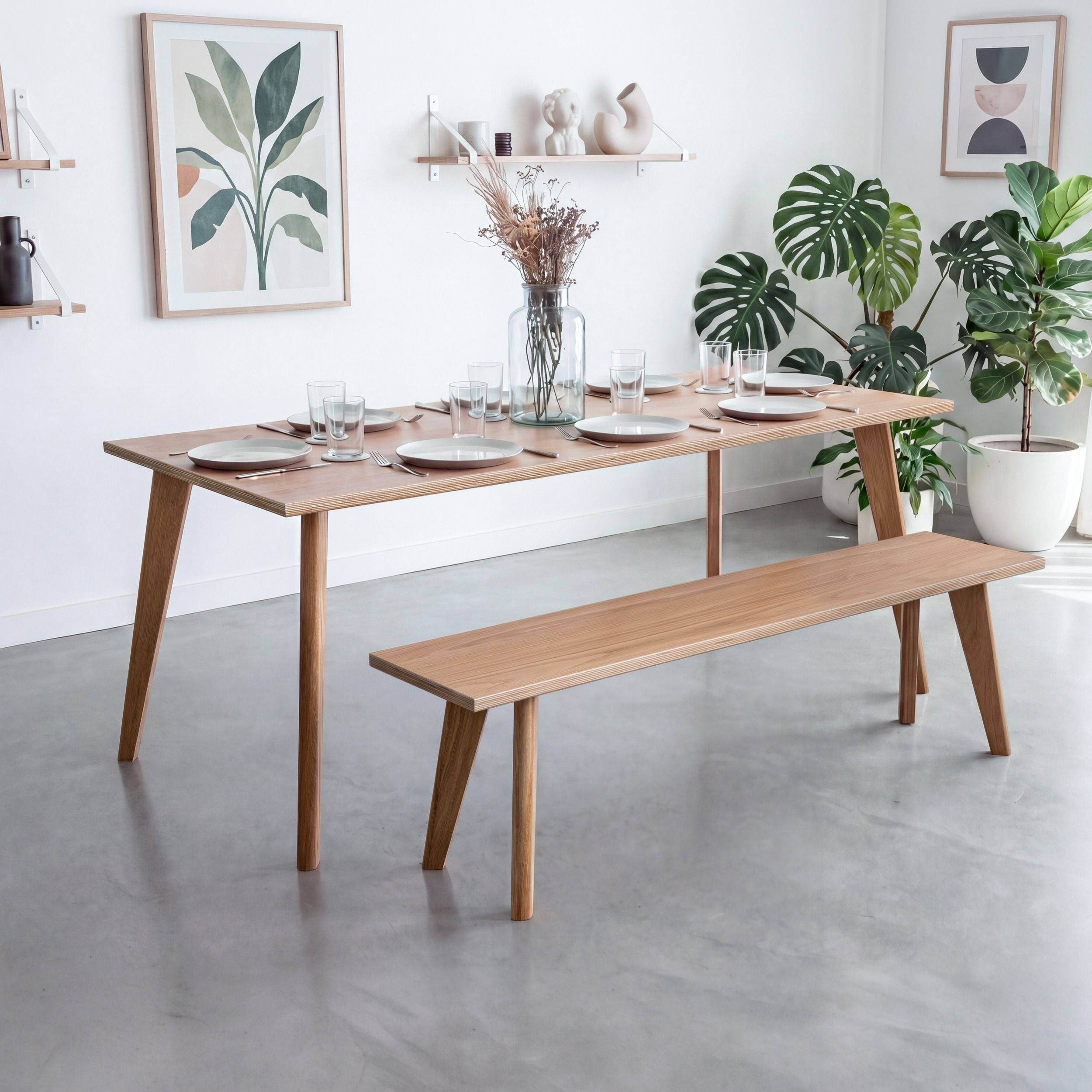
For dining-height pairing, see dining table legs: three-rod hairpin, box-section industrial, tapered wooden, or single-pin ranges. L-channel stiffening bars add rigidity across the 180 × 80 cm span if you want extra stability.
Or skip the build with a complete dining table kit: top, legs, and Premium Drilling Kit included.
The Hairpin standard
Our 25mm AA-grade Baltic birch plywood range is available with European oak, American black walnut, Baltic birch or Formica HPL surfaces. The wood surfaces and exposed plywood edges are finished with hard wax oil. Every edge has a 1.5mm chamfer and is sanded smooth.
The cross-grain core stays flat and stiff across the 180 × 80 cm span, so the top mounts directly to legs without an apron underneath.
Solid oak uses a different construction: 32mm wide-stave European oak from an FSC-certified source, with resin-filled knot details, a satin polyurethane lacquer finish and underside support bars.
FAQ
What is the difference between plywood and solid wood?
Oak, walnut, birch or Formica: which material should I choose?
What size dining table do I need for 4 or 6 people?
Is plywood strong enough for a dining table, desk, or bench?
Will the 180 × 80 cm top sag in the middle?
How thick should plywood be for a tabletop?
What is the difference between oak and walnut plywood?
How do I look after a dining table top?
What do I need to build a desk, dining table, or bench?
Can't find your answer? Contact us.