
Bench Tops

Bench Tops

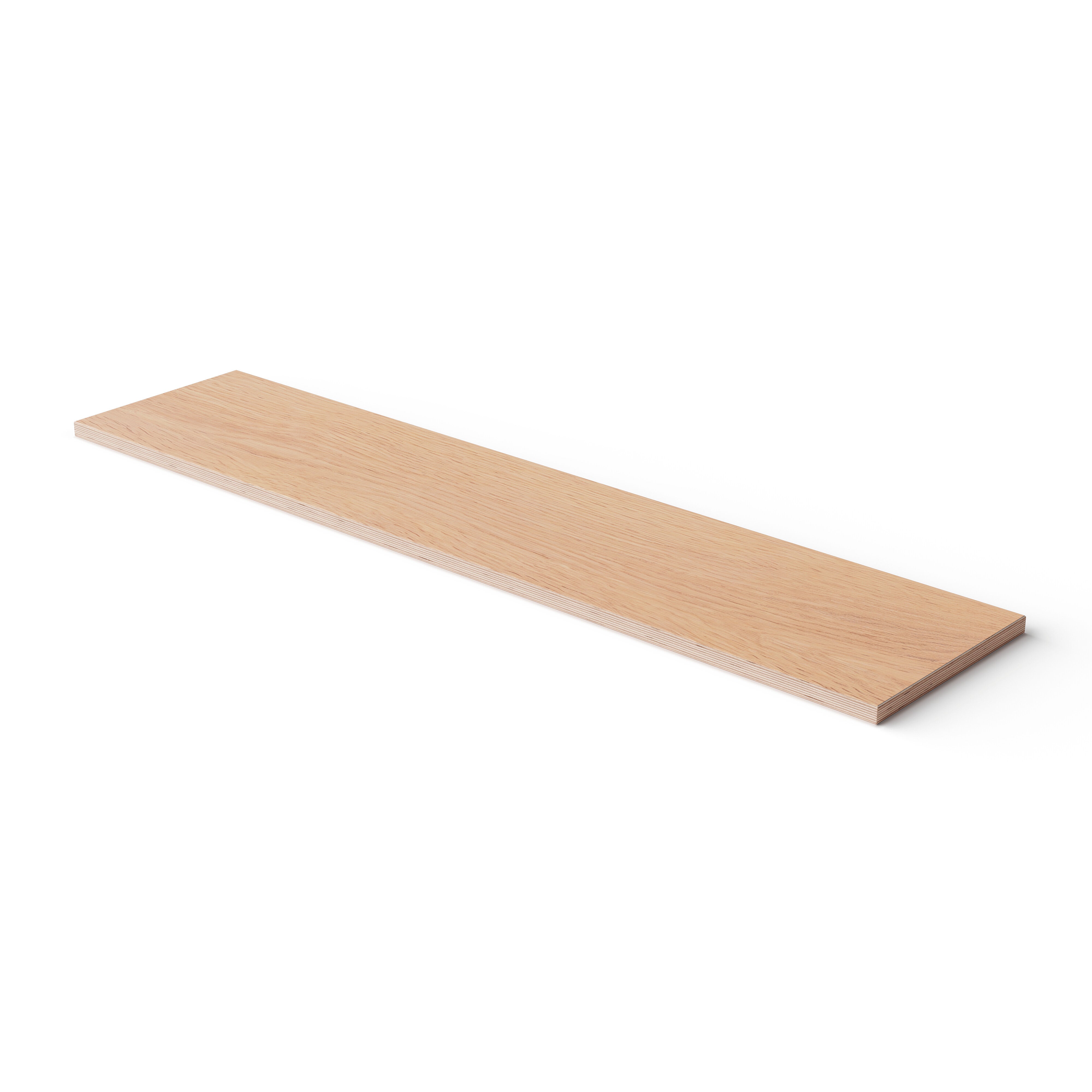
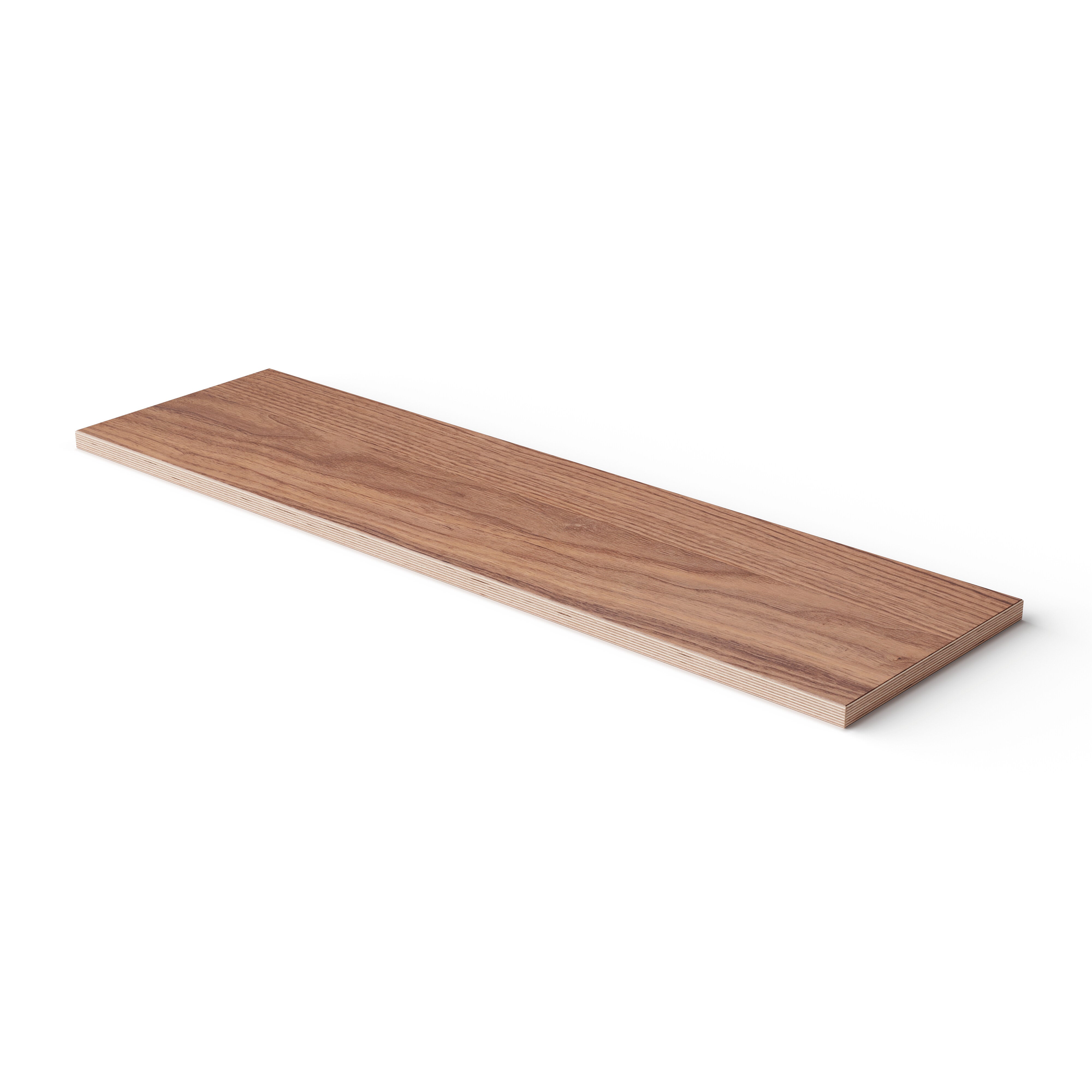
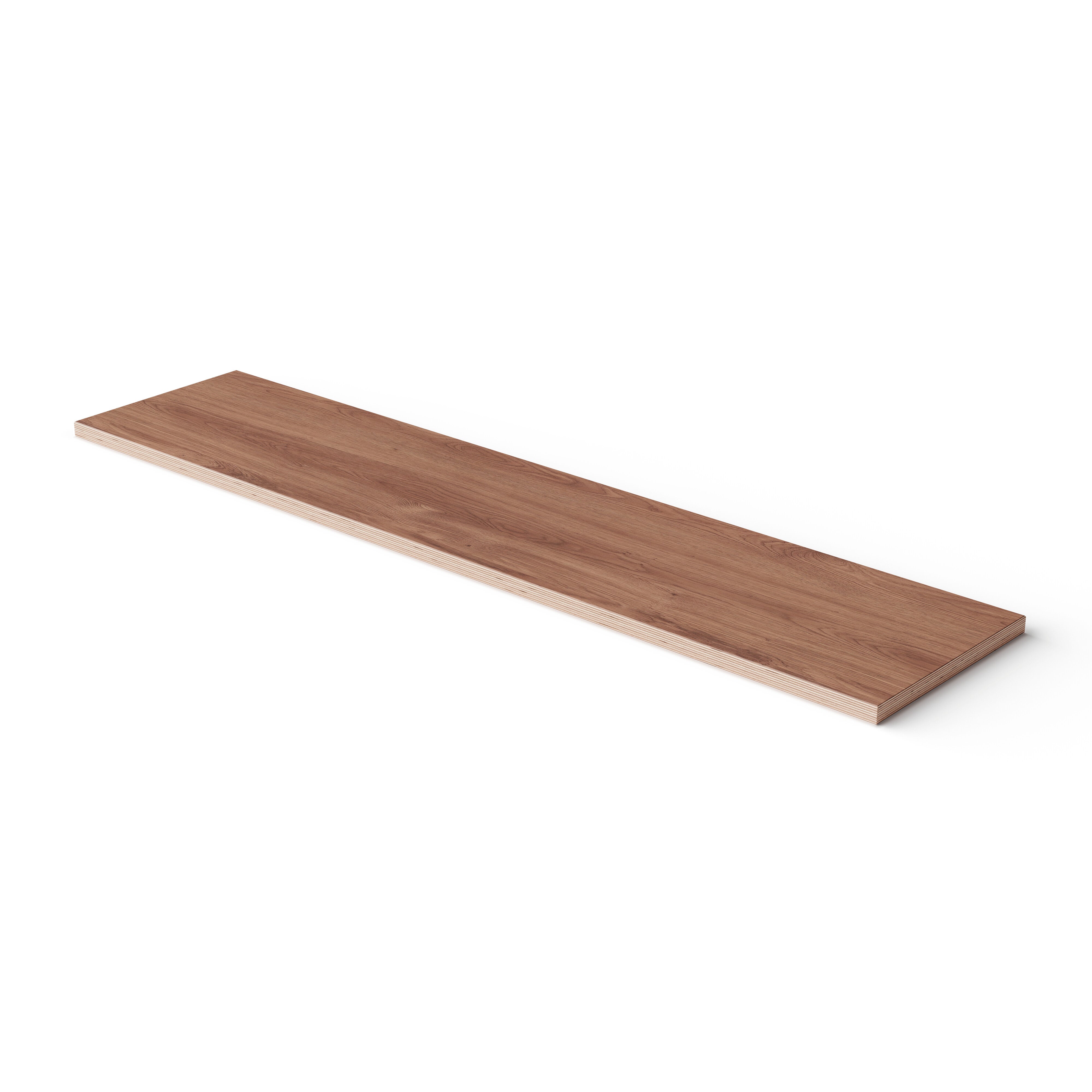
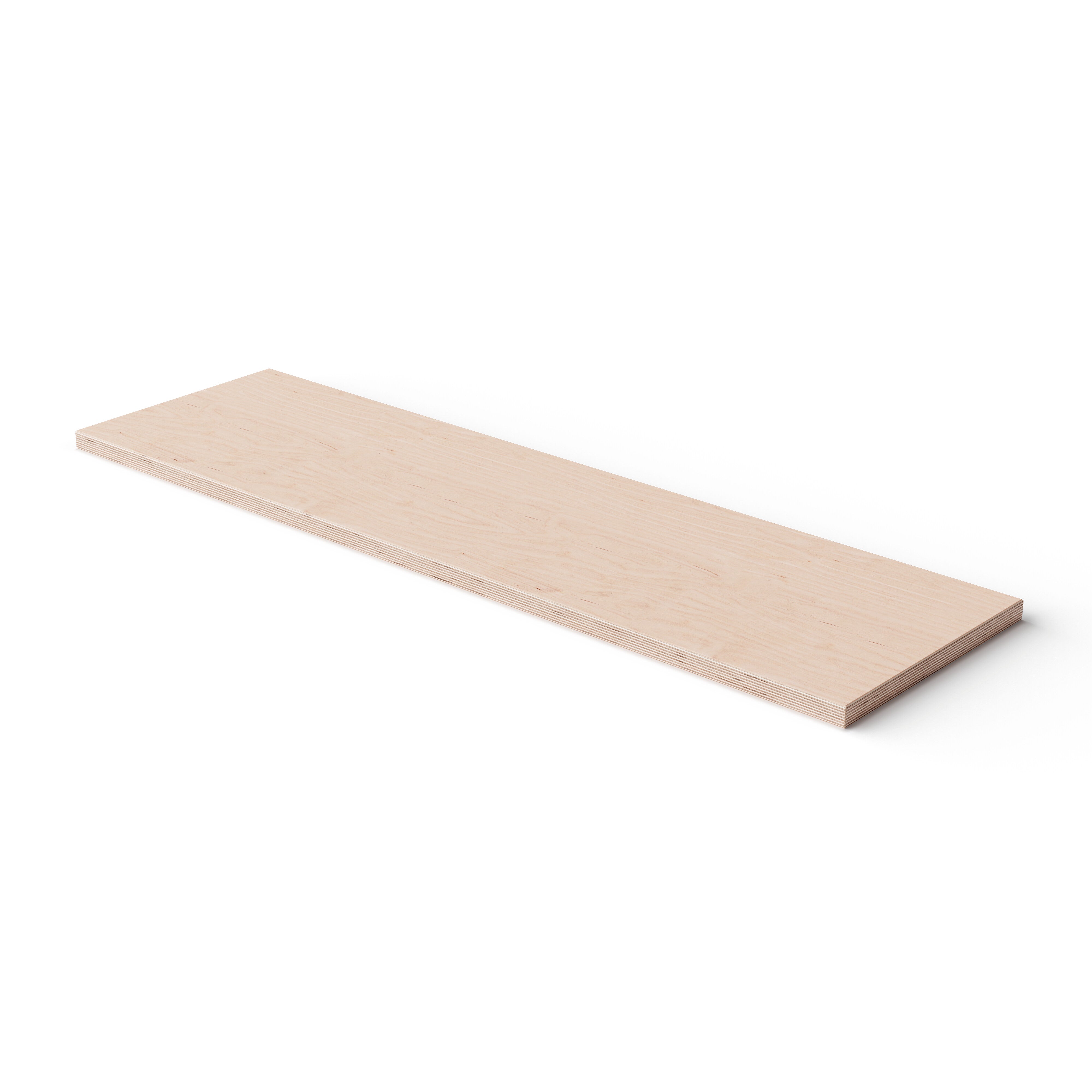
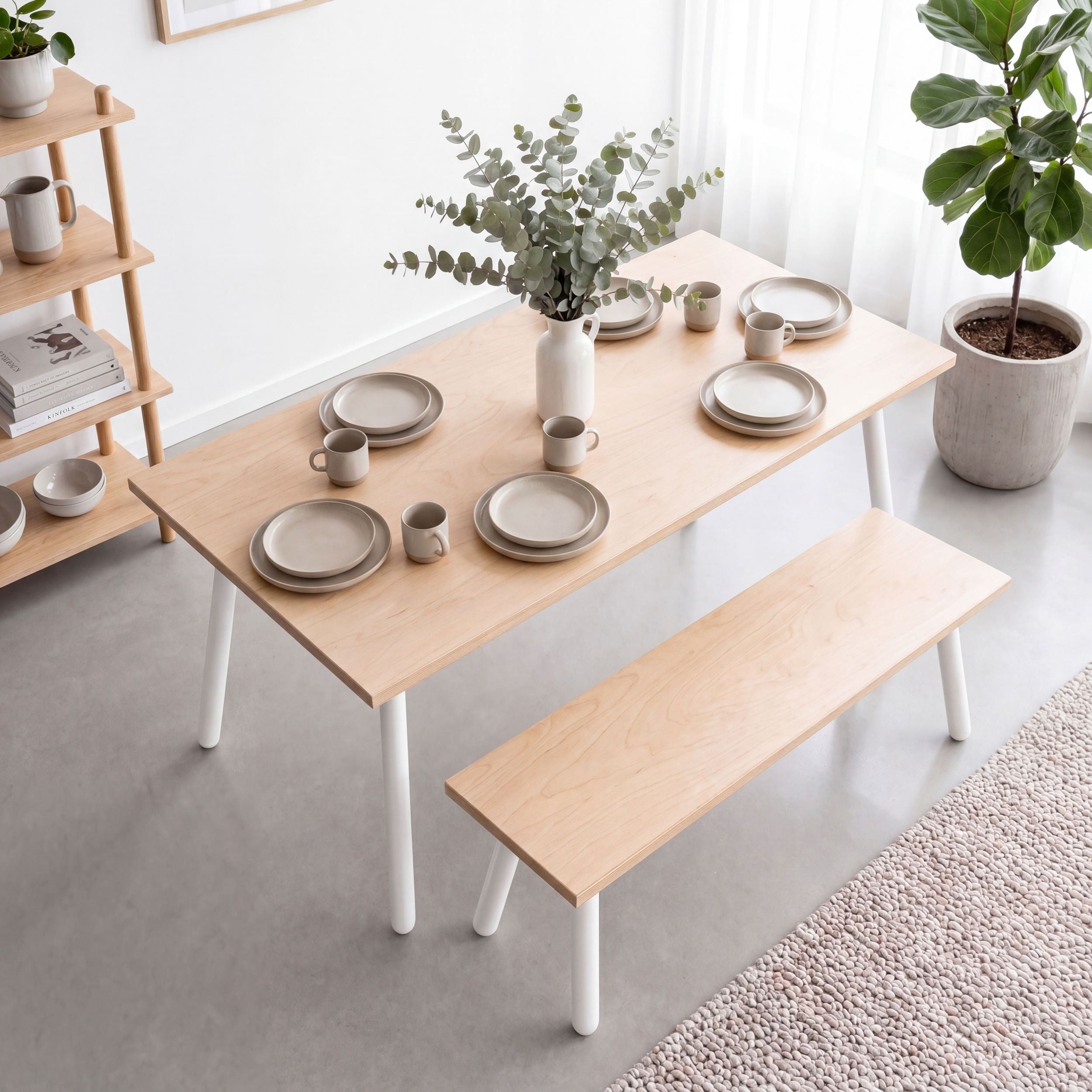
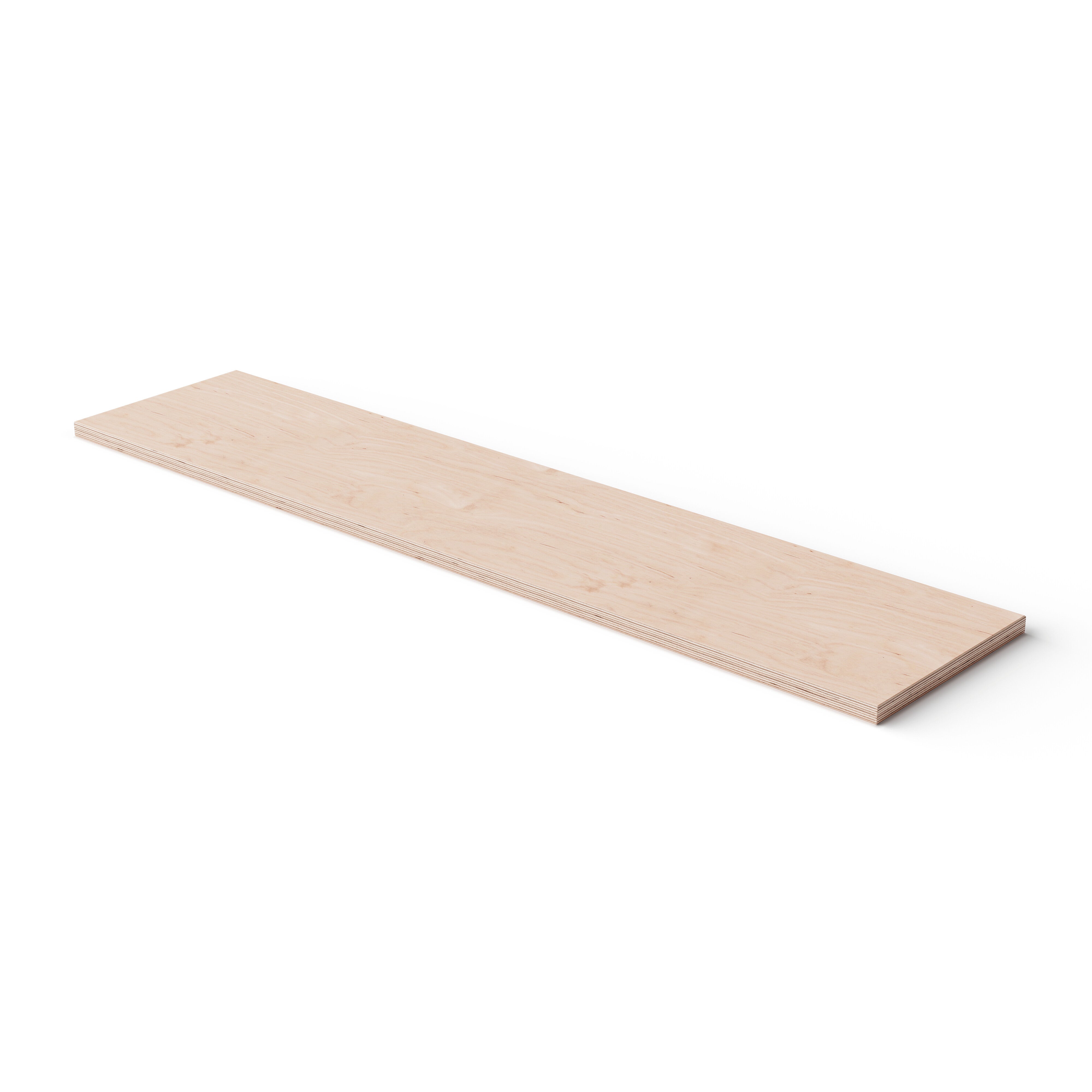
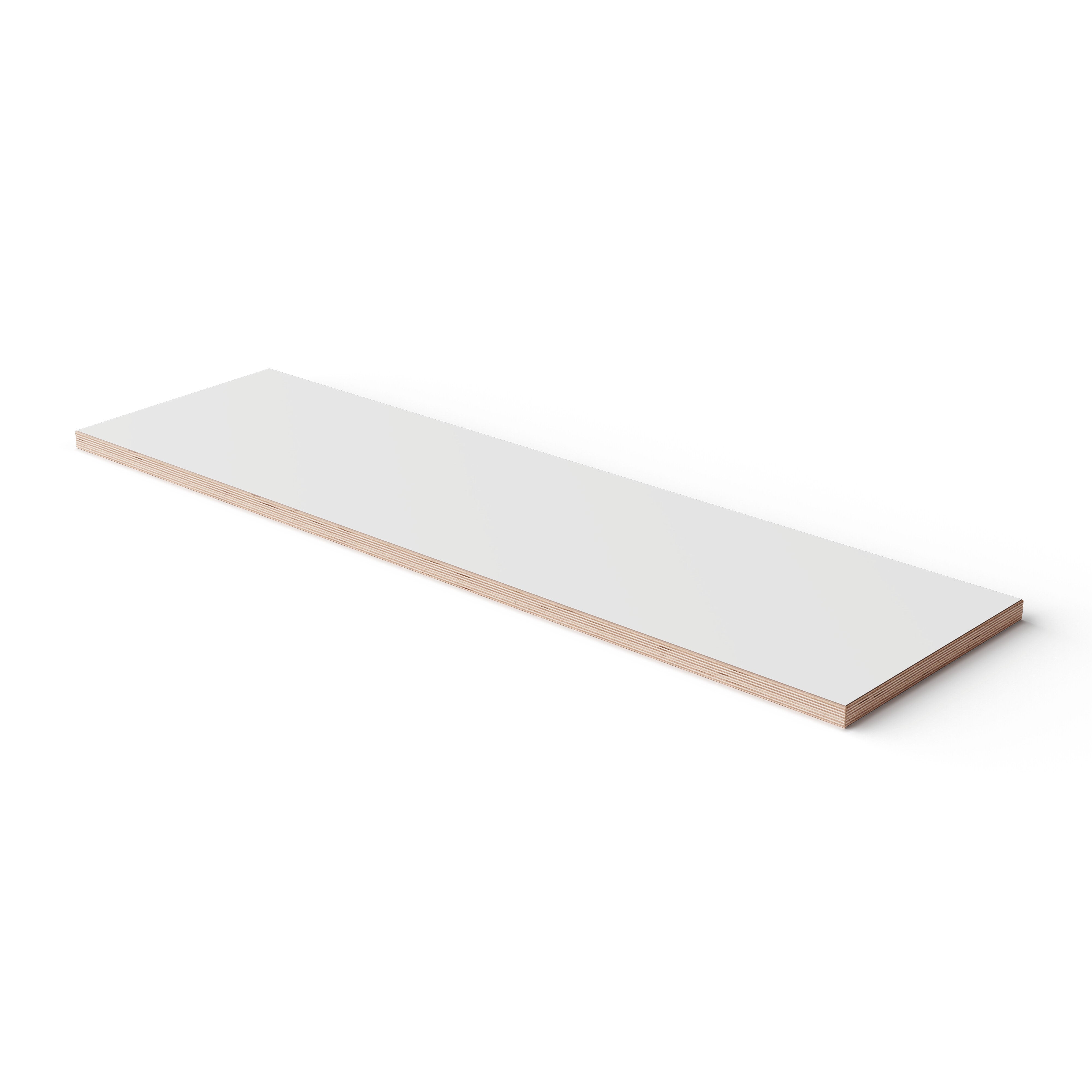
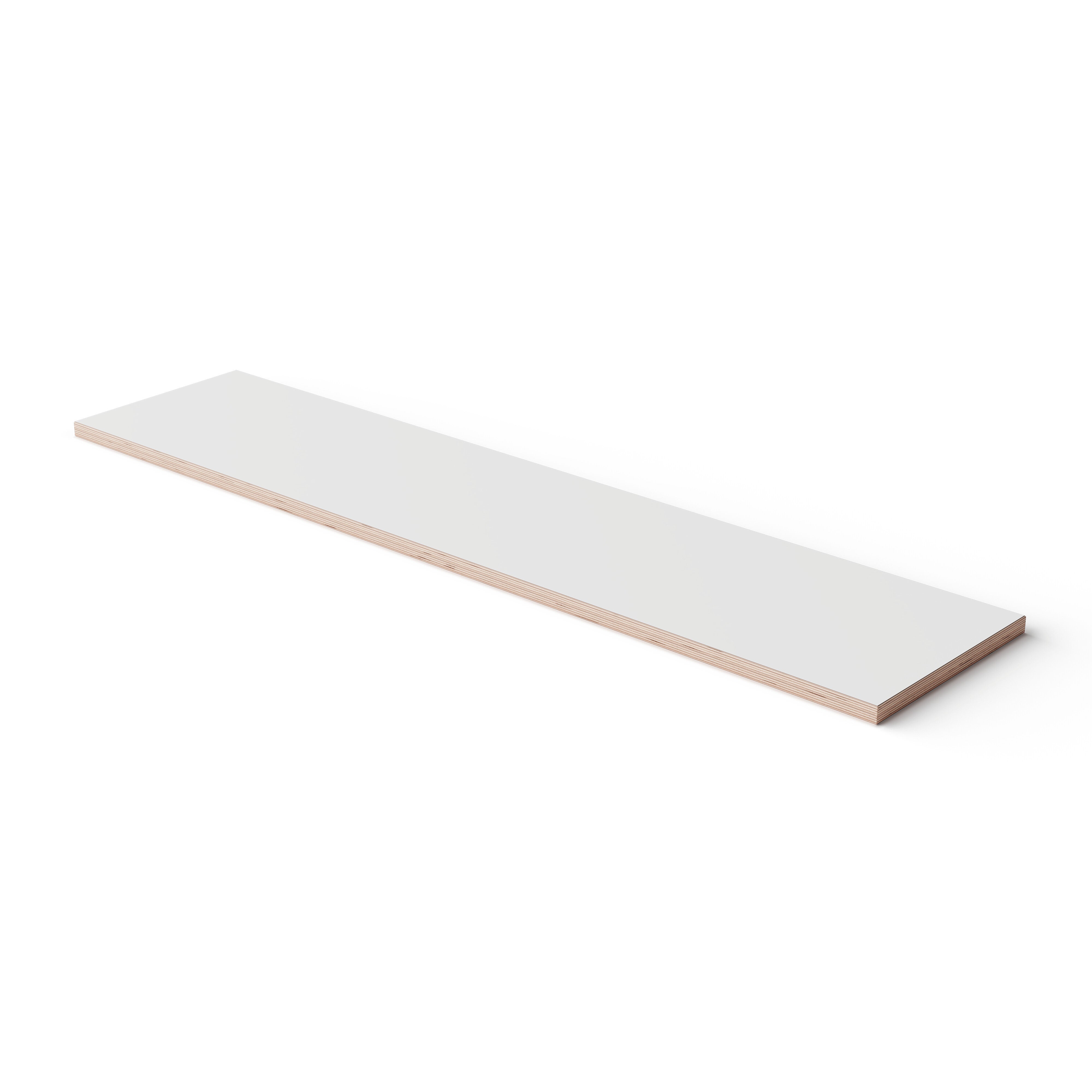
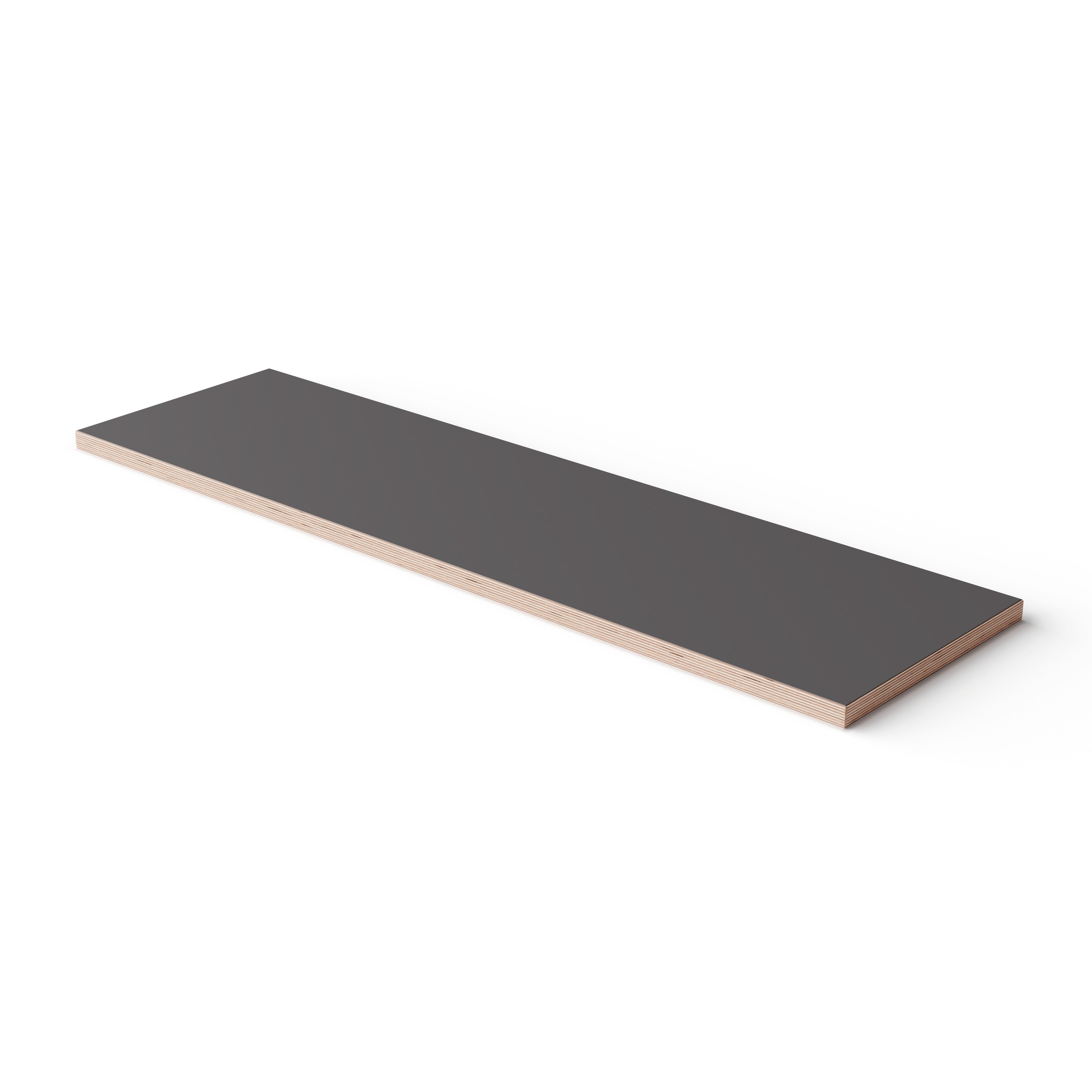
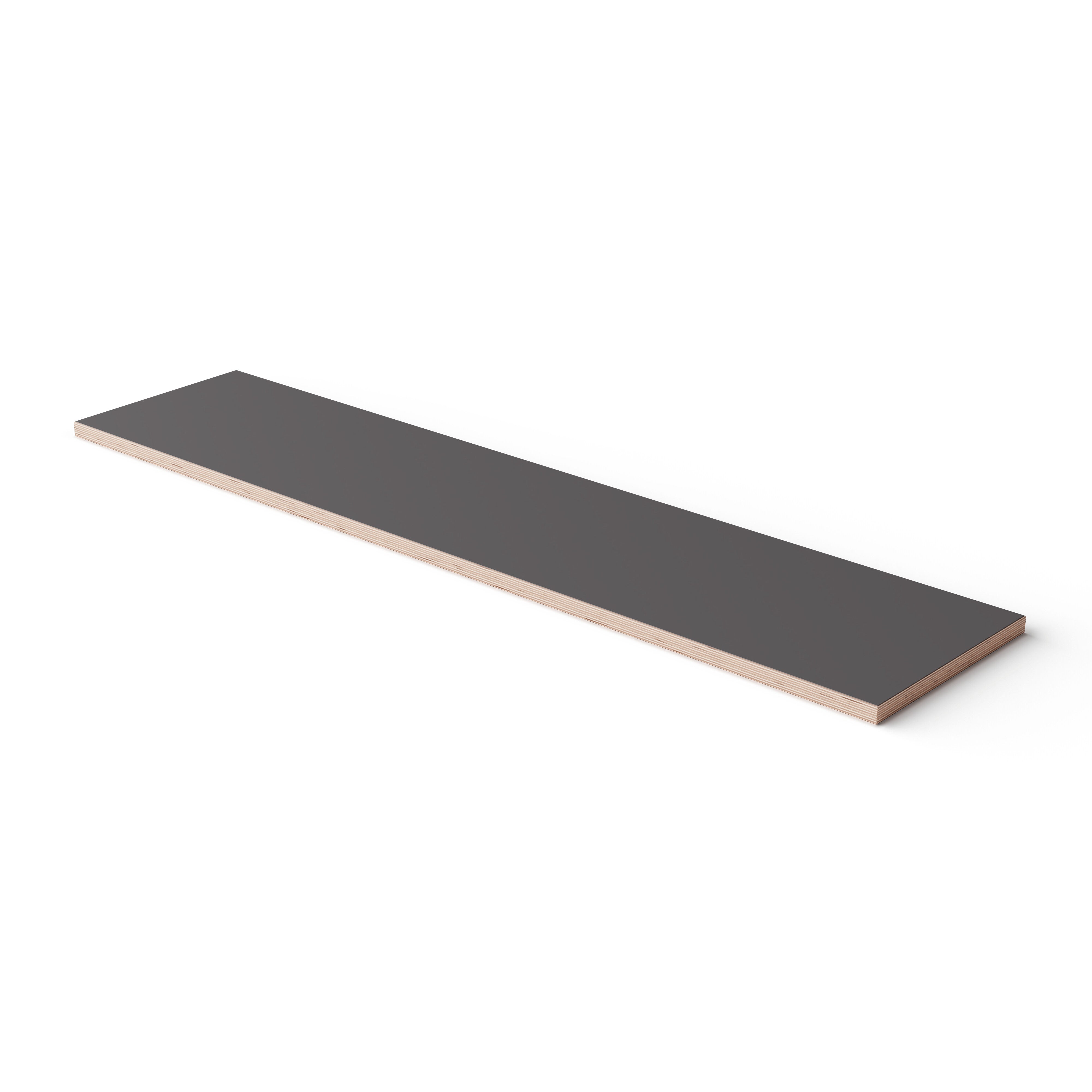
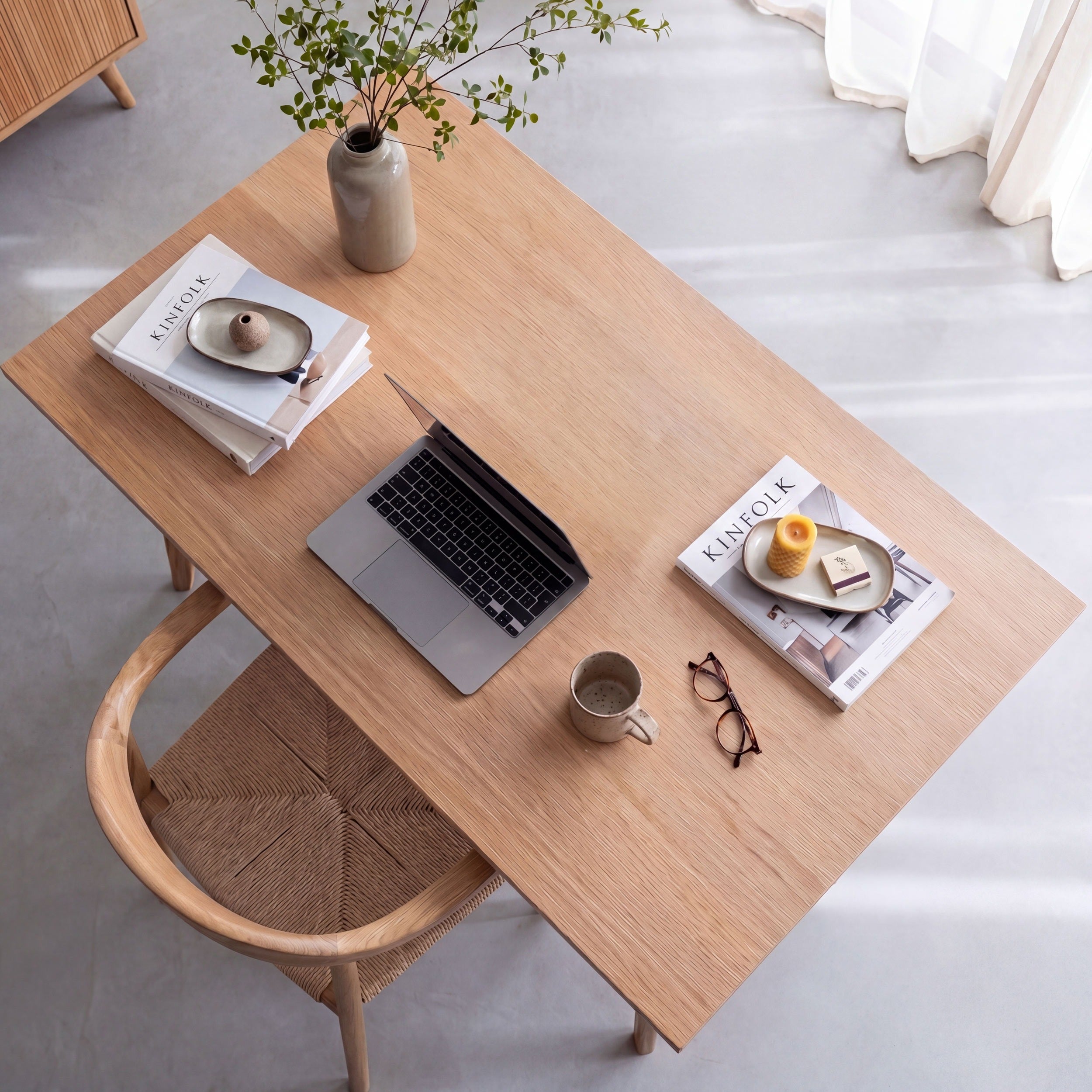
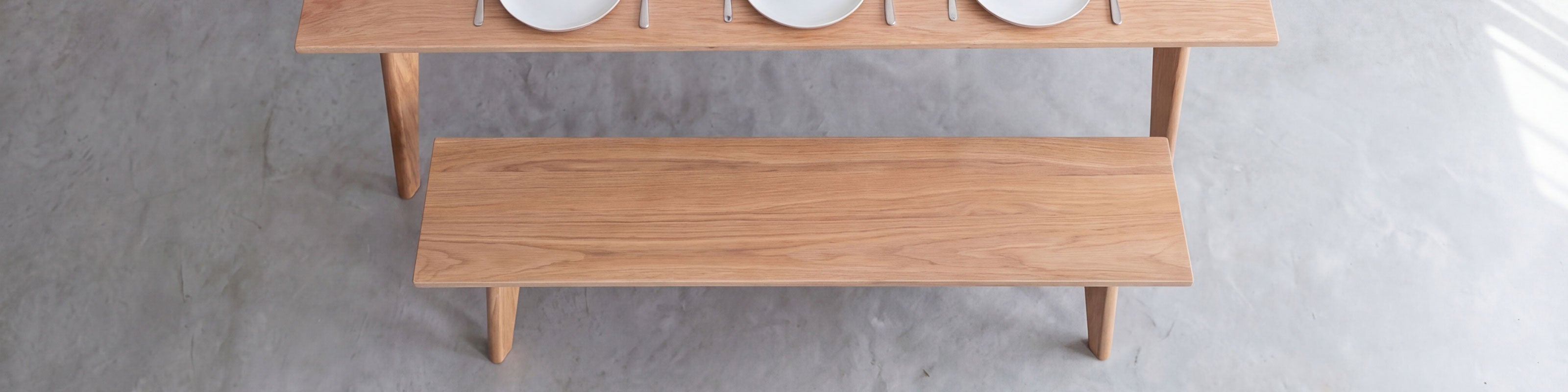
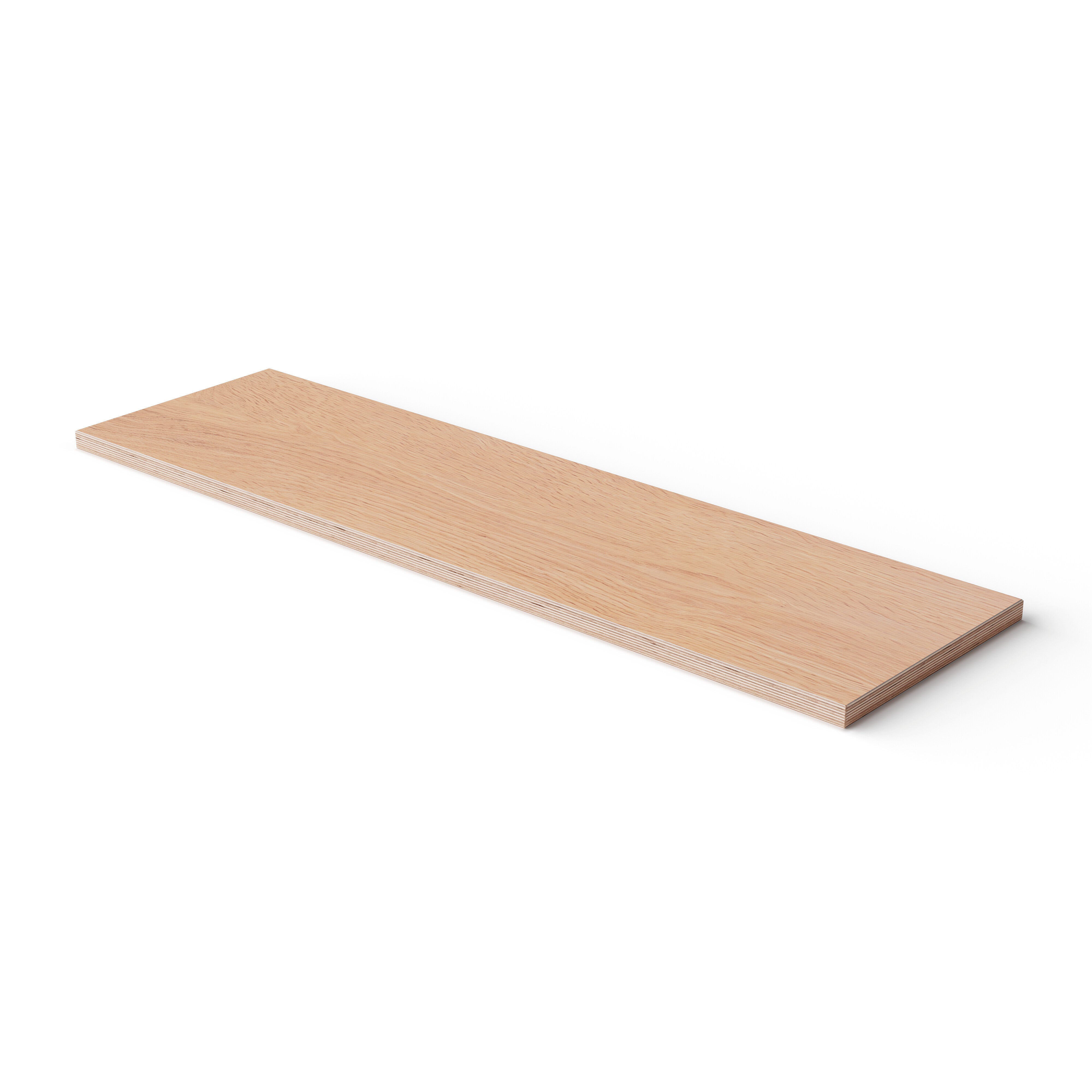
Bench tops at 120 × 34 cm or 150 × 34 cm, in oak, walnut, birch, and Formica. 25mm AA-grade Baltic birch core. Narrow rectangles for dining benches, entryway benches, and window seats.

Filters
By material

  • Oak: mid-honey tone with prominent grain. Most versatile across room styles. Hand-finished with hard wax oil.
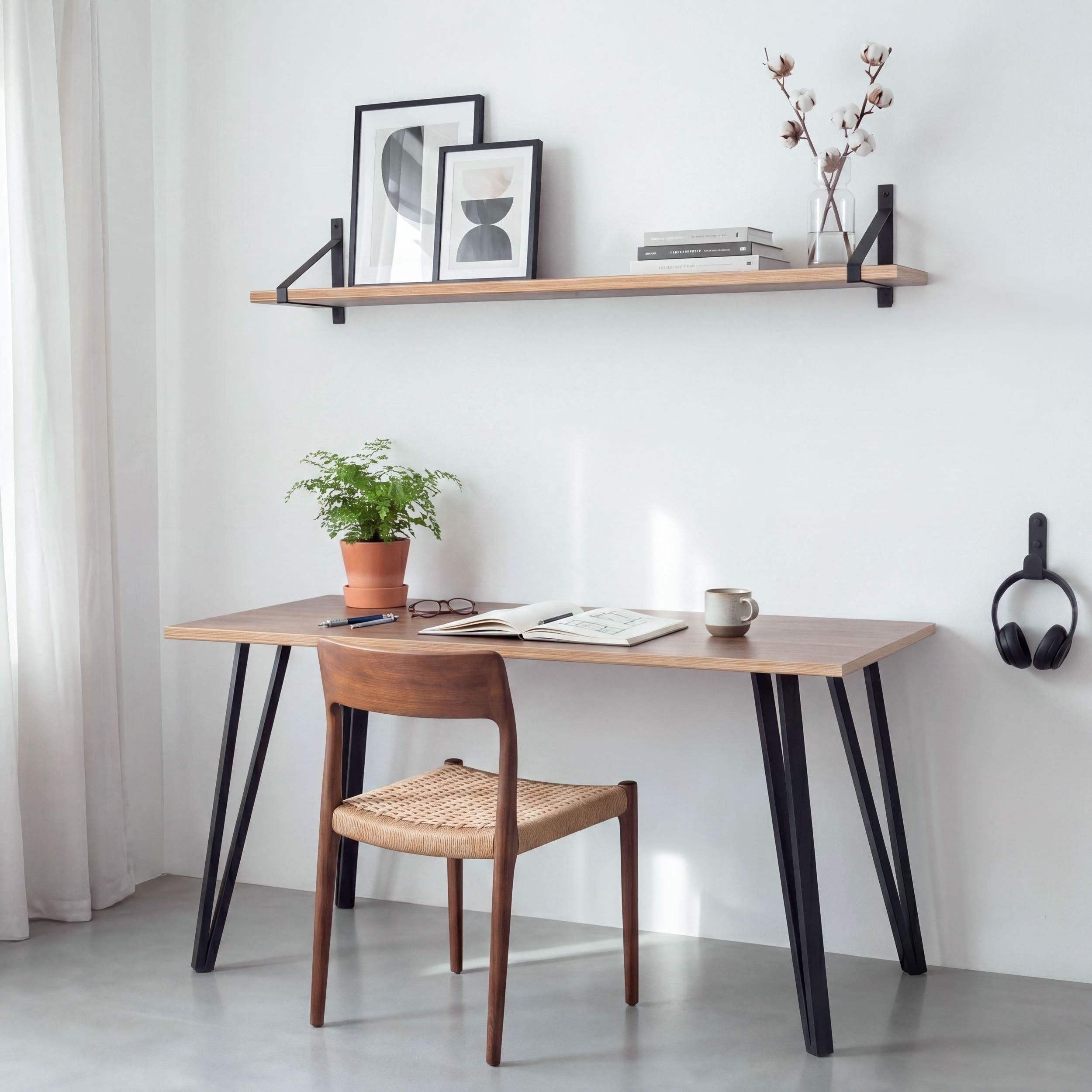
  • Walnut: American black walnut with deep tone and bold grain. An industrial or mid-century look. On a birch plywood core. Hand-finished with hard wax oil.
  • Birch plywood: light, even tone with a visible multi-ply edge. Clean Scandi look. AA-grade Baltic birch all the way through.
  • Formica: Formica surface on a birch plywood core. White or pewter grey. Modern, wipe-clean.

Sizing

Bench length comes down to three things: seat count, tucking practicality, and looks.

Seat count. Allow about 50 cm per person along the bench. A 120 cm bench seats two; a 150 cm bench seats three.

Tucking. A shorter bench slides fully under the table when not in use. How cleanly it tucks depends on the table's legs: Hairpin and single-pin legs sit in the corners with legroom at every seat; industrial and box-section legs sit further in, so plan the seating around them.

Looks. Matching the bench to the table length gives a built-in look and maximises seating along the edge; a shorter bench looks lighter.

What you'll need

The tops ship undrilled. To mount legs you'll need a drill (3-3.5 mm bit for pilot holes) and a screwdriver. Screws come with the legs. The Premium Drilling Kit bundles a depth-set 3.5 mm countersink bit and an automatic centre punch.

For bench-height pairing, see bench legs: three-rod hairpin, box-section industrial, tapered wooden, or single-pin ranges. L-channel stiffening bars add rigidity under the 150 cm length for a firmer seat.

The Hairpin standard

We use high-quality European Oak, American Black Walnut, and AA-Grade Baltic Birch on our wooden tops. Formica is high-pressure laminate (HPL), not paper or melamine. All on an AA-Grade Baltic Birch plywood core, hand-finished with hard wax oil and edged with a 1.5mm chamfer.

A bench top needs to stay flat, stiff, and strong, resisting general wear over years of daily use. Our 25mm AA-Grade Baltic Birch core stays solid under a seated load, and mounts directly to legs without an apron underneath.

FAQ

What is faced plywood?

Faced plywood is a structural plywood core with a decorative face on the visible surfaces. The core does the engineering work (load, stability, strength); the face carries the visual character. Hairpin's tops use an AA-grade Baltic birch core with four facing options: oak or walnut real wood veneer, white or grey Formica HPL (high-pressure laminate), or the AA-grade birch face sanded smooth and finished. The wood veneer is solid timber bonded to the core, and the Formica HPL is a resin-based laminate, not foil, paper, or melamine. Edges are chamfered 1.5mm, sanded smooth, and sealed with hard wax oil as the final step.

What is AA-grade Baltic birch plywood, and why does it matter?

AA-grade Baltic birch is a specialist plywood made from cross-bonded layers of birch veneer. Hairpin's 25mm sheets carry 17 to 19 plies, more than typical poplar or DIY-store hardwood plywoods, with tighter manufacturing tolerances and a void-free core. The 'AA-grade' specifies the visual face: both faces clear, no patches, plugs, knots, or keyhole repairs. The 'Baltic' specifies the wood and origin: birch from European mills, FSC-certified at source, denser than the alternatives.

Why it matters: more plies means better stiffness, less seasonal movement, and more resistance to cracking. At 25mm it sits alongside solid oak as a serious tabletop material, matching it for stiffness with cross-bonded layers that stay dimensionally stable across humidity changes. AA-grade faces give a fully presentable surface on both sides, important for tops where the layered ply edge is part of the visual. The price reflects the engineering case: this is the material the build deserves.

How does plywood compare to solid wood as a tabletop?

Plywood and solid wood are both honest furniture-grade choices with different trade-offs, not better-or-worse. AA-grade Baltic birch is stiff and flat enough at 25mm to skip the traditional skirt or apron, giving a more modern look and better legroom. It also moves less with humidity than solid timber, so the top can mount directly to legs without floating fixings like S-clips. Solid wood remains the right call for heirloom-grade tables you'll re-sand and refinish over decades, especially in a rustic style. Faced plywood is the cleaner, modern feeling alternative.

How tall should a dining bench be?

A bench top usually sits around 40 to 45 cm from the floor, paired with a tabletop at 70 to 75 cm. Two measurements matter: the gap from the tabletop down to the bench top sets how comfortable it is to work or eat, and the gap from the bench top to the floor sets how your legs rest. Hairpin's 40 cm bench legs plus the 25 mm top give a 42.5 cm seat, a good match for a standard dining table.

Is plywood strong enough for a dining table, desk, or bench?

Yes. AA-grade Baltic birch at 25mm is strong enough for any standard dining table, desk, or bench span Hairpin sells. The ply is stiff enough on its own; L-channel stiffening bars (sold separately) add extra rigidity for certain use cases. For tables, bars are worth adding on heavy desk setups where vibration could move a large monitor, or on dining tables at 180cm+ for extra stiffness. For benches, we recommend bars on every length: plywood handles the load alone, but bars make the bench feel rock solid when you sit down.

Can't find your answer? Contact us.