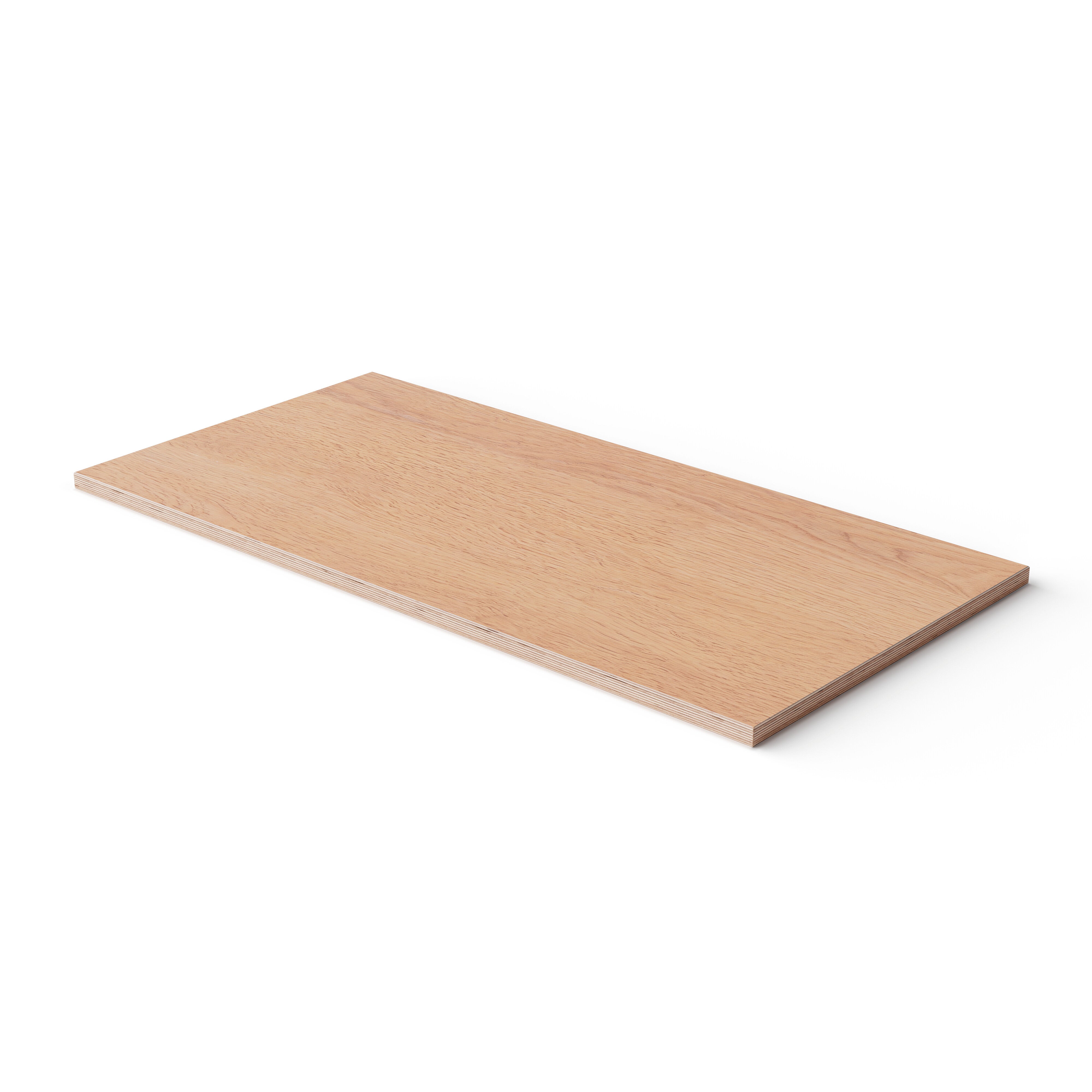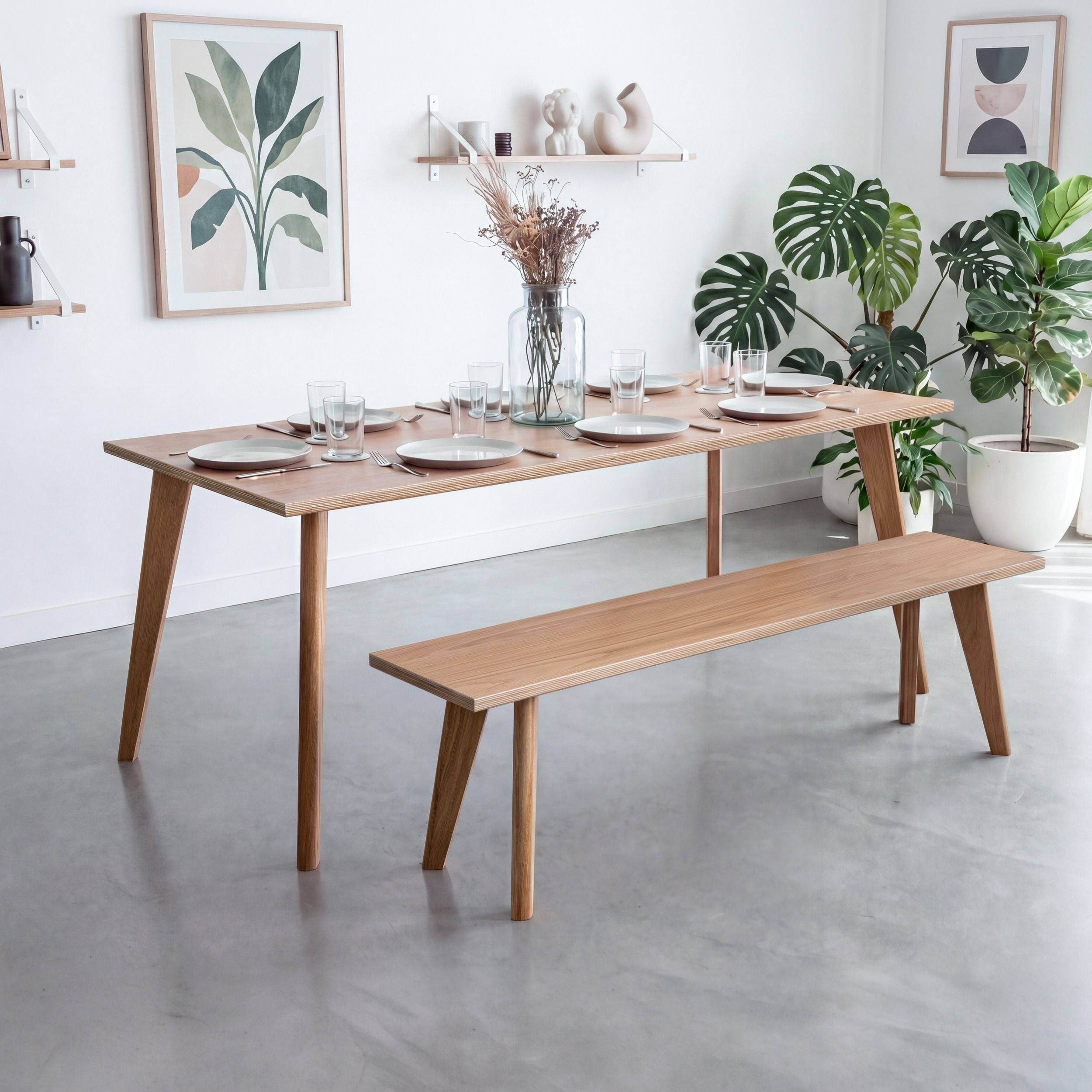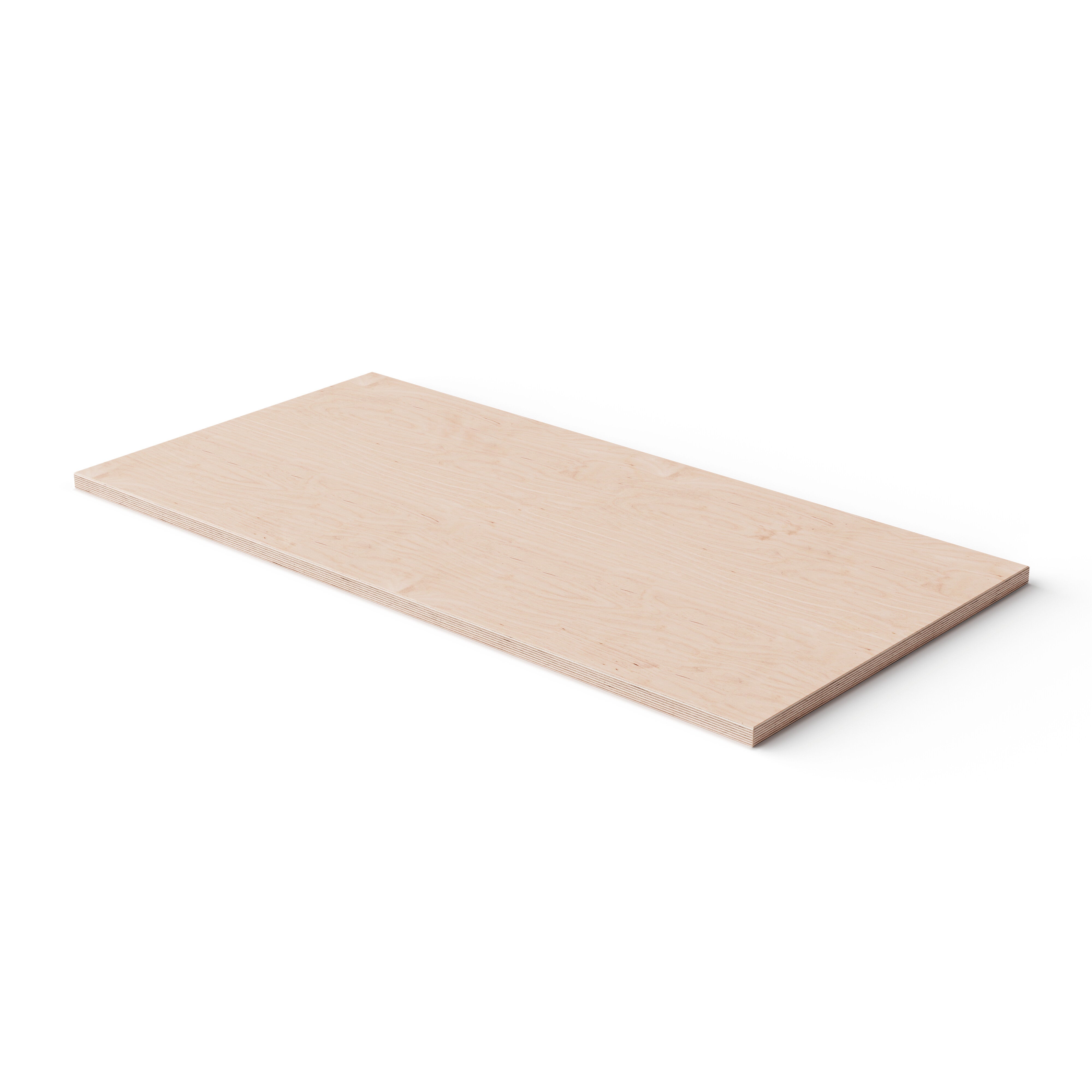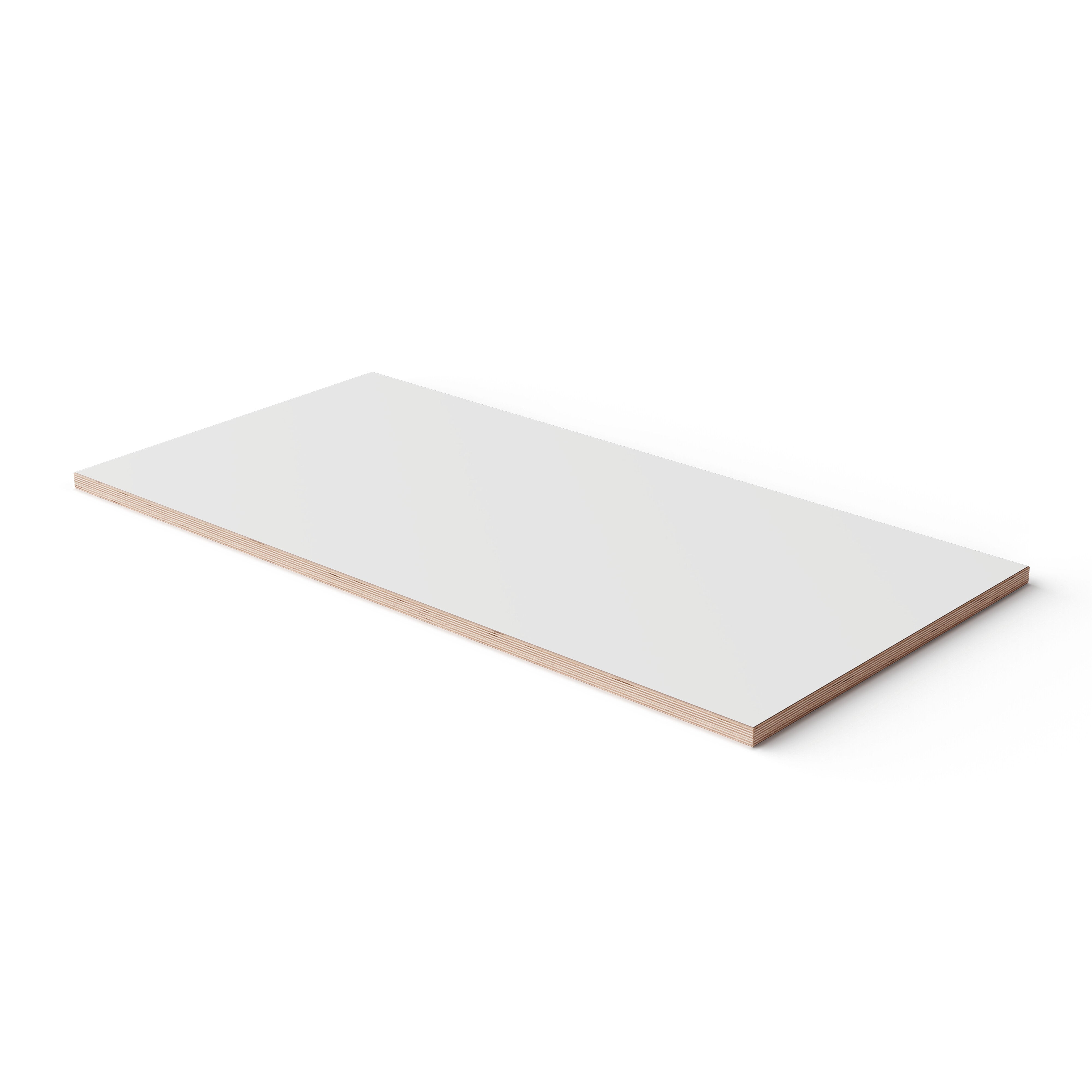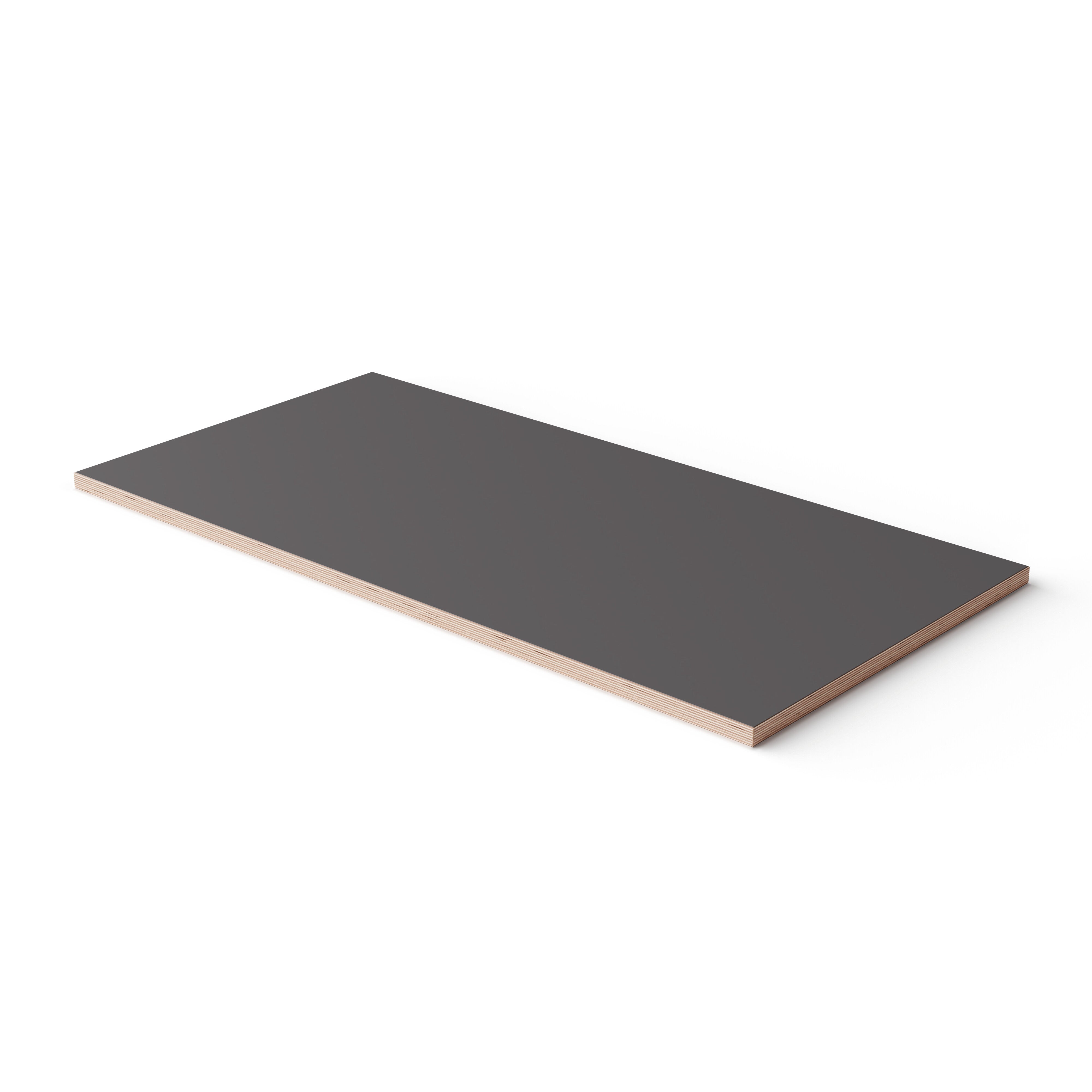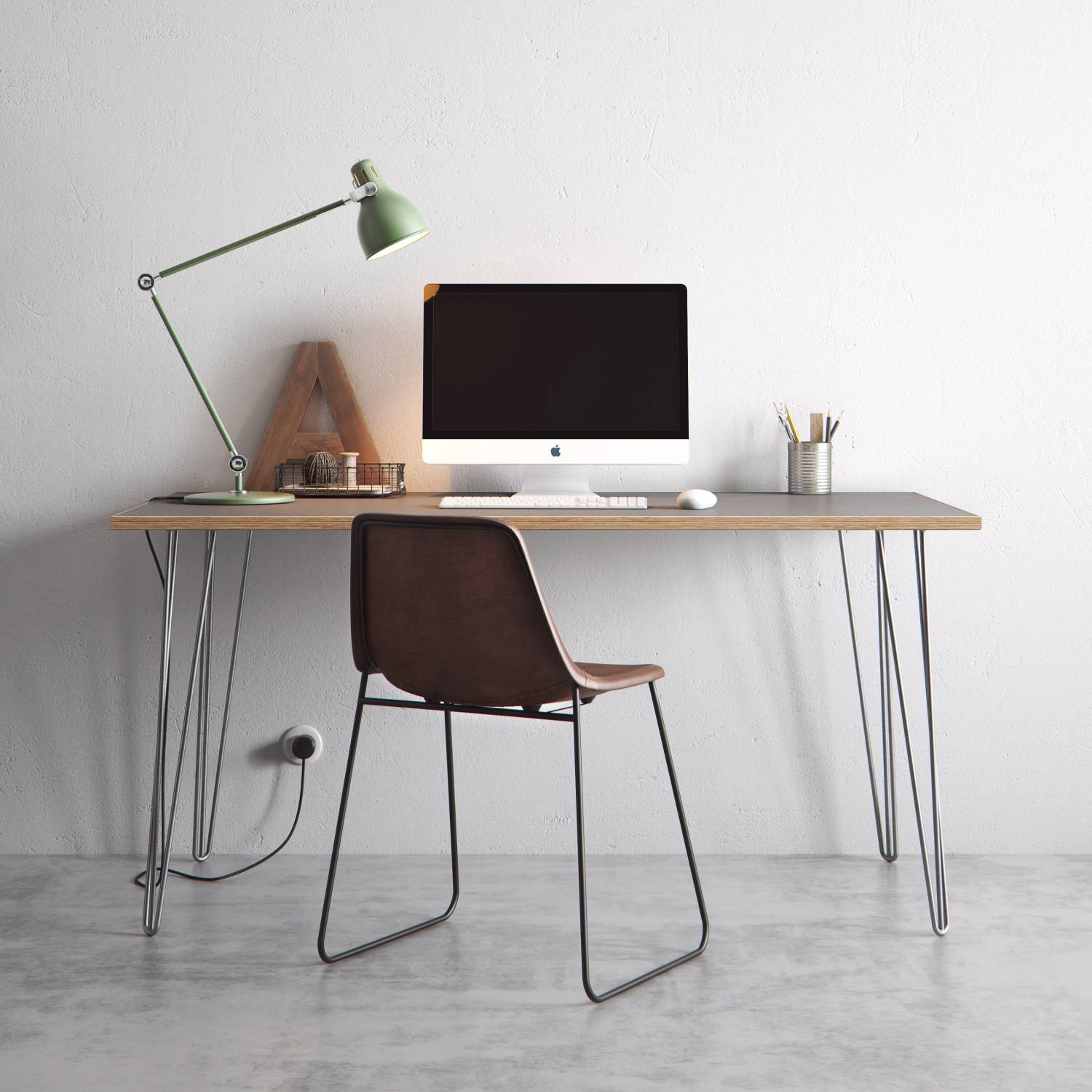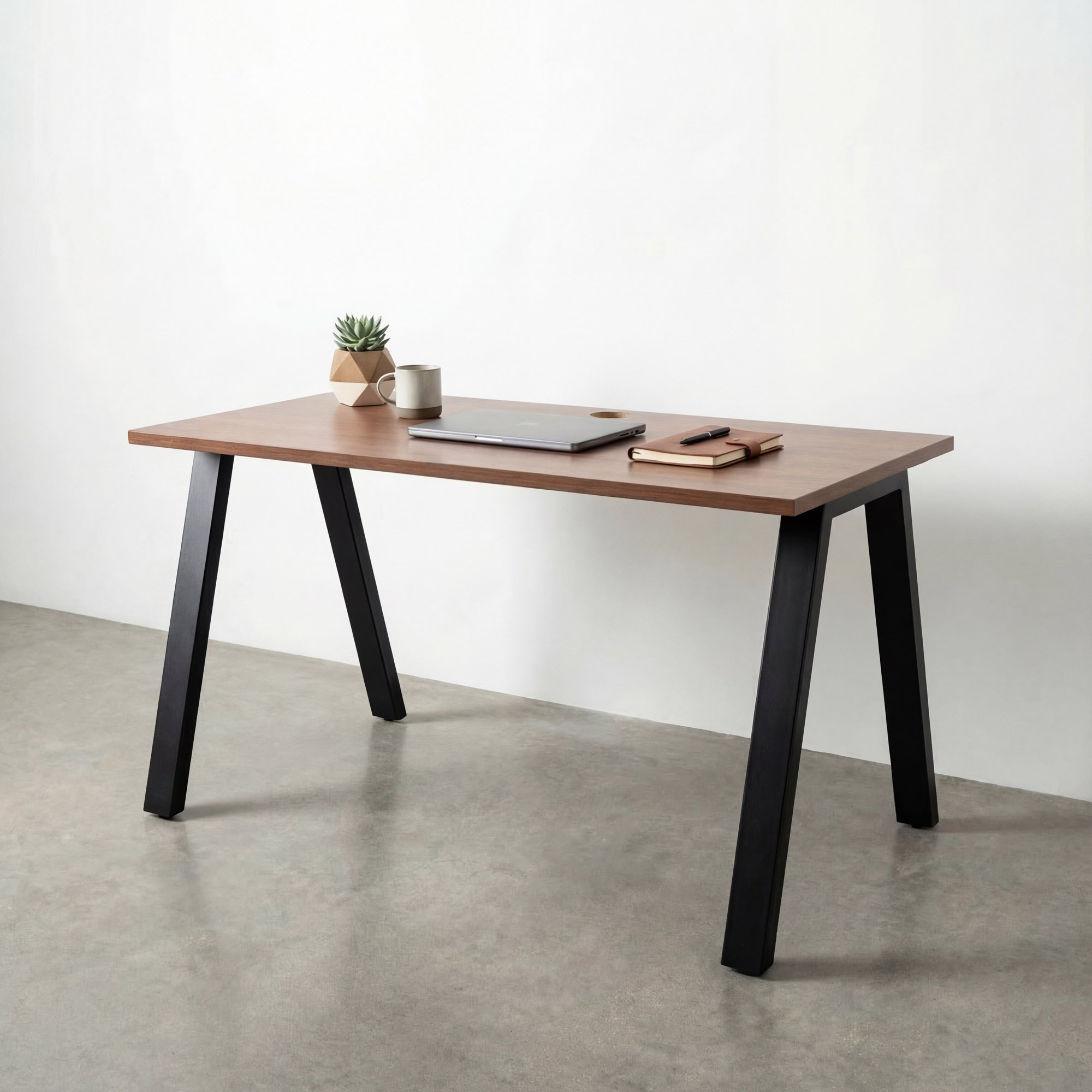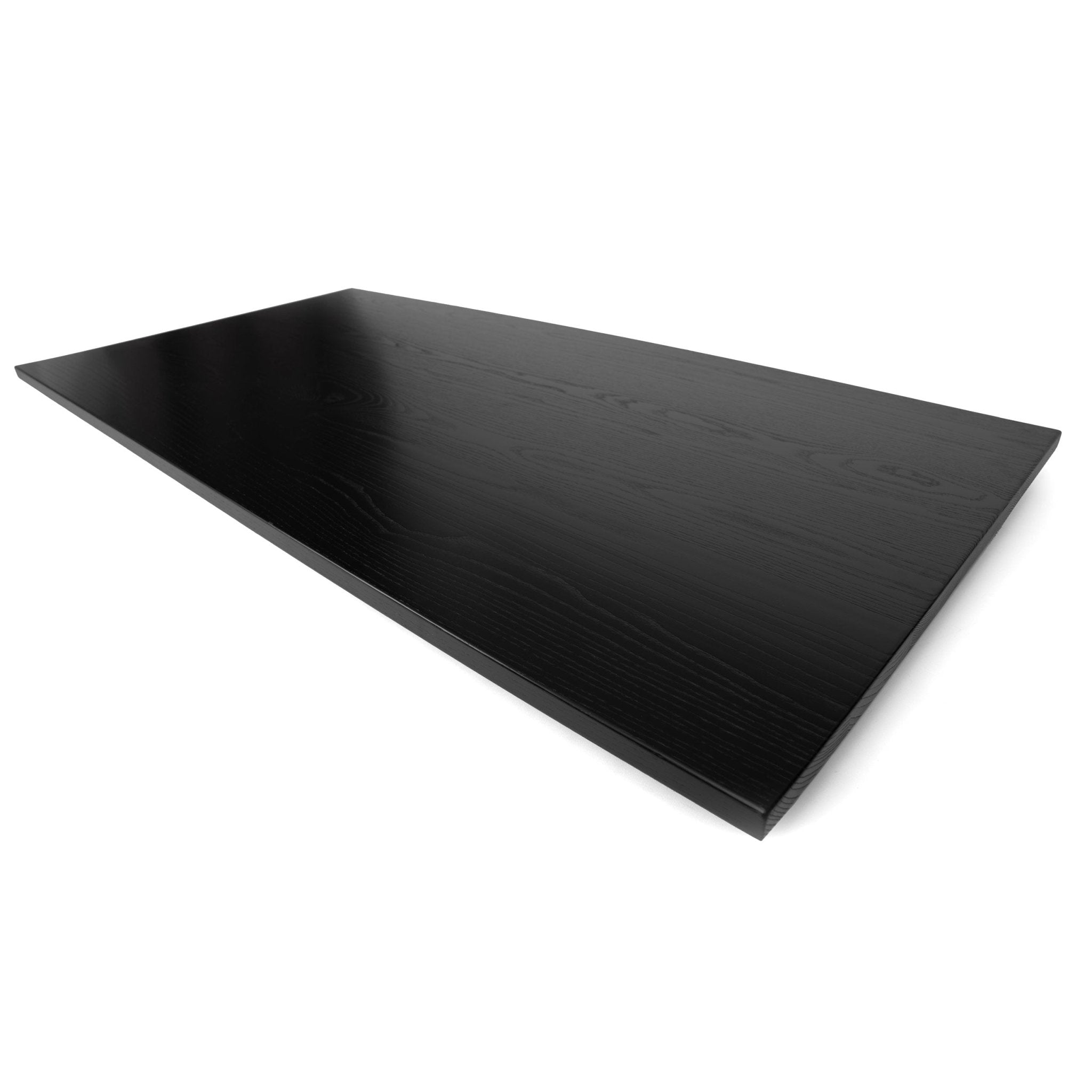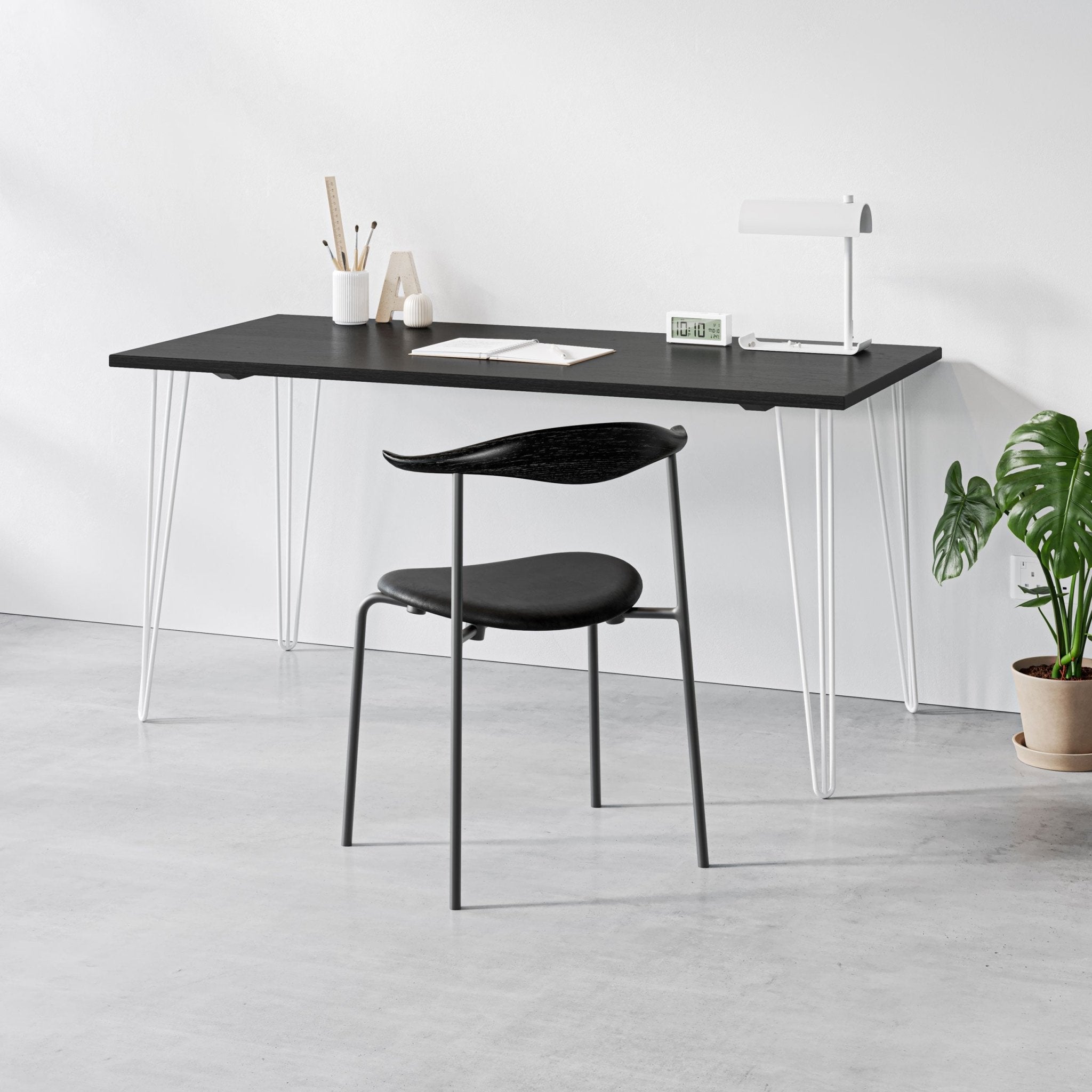

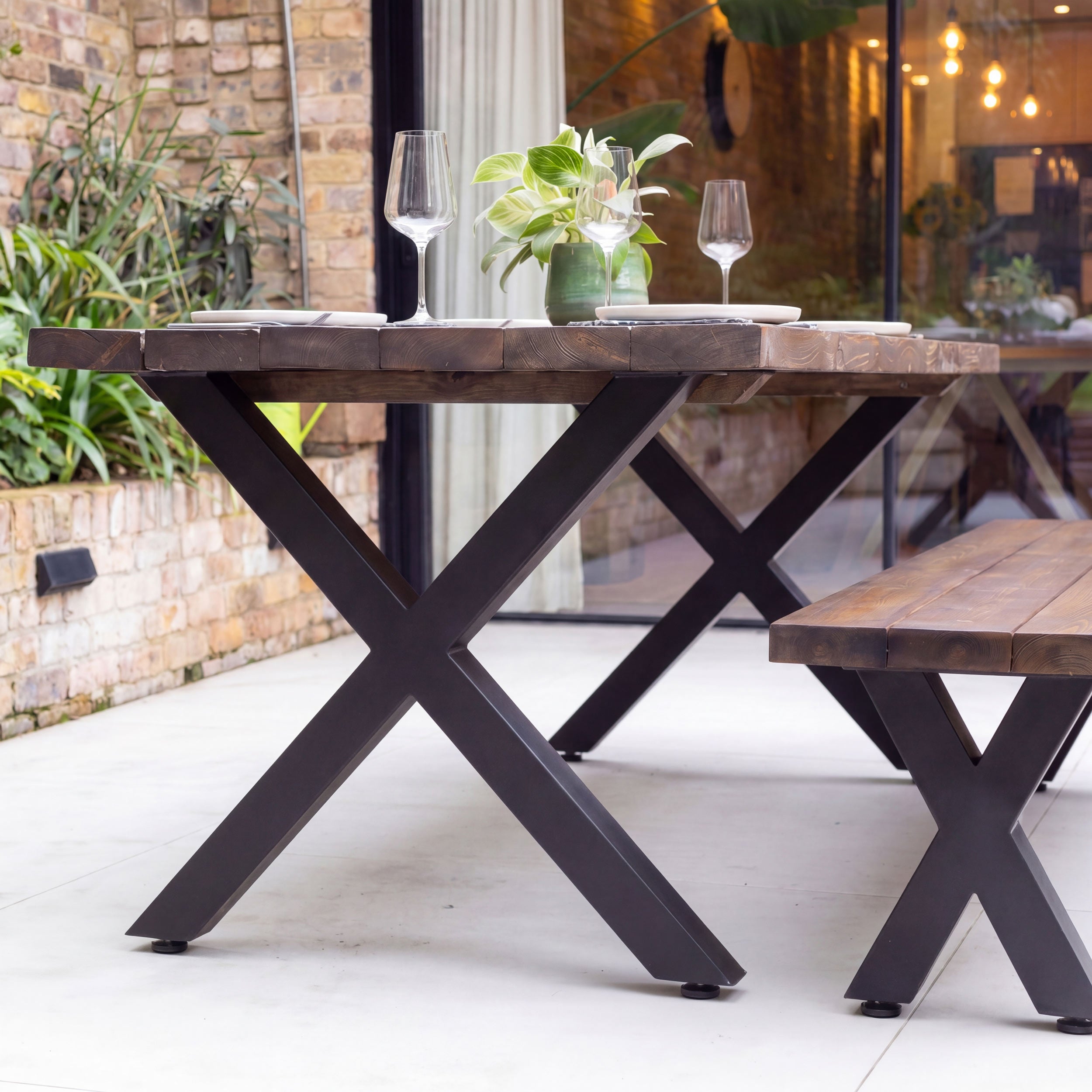
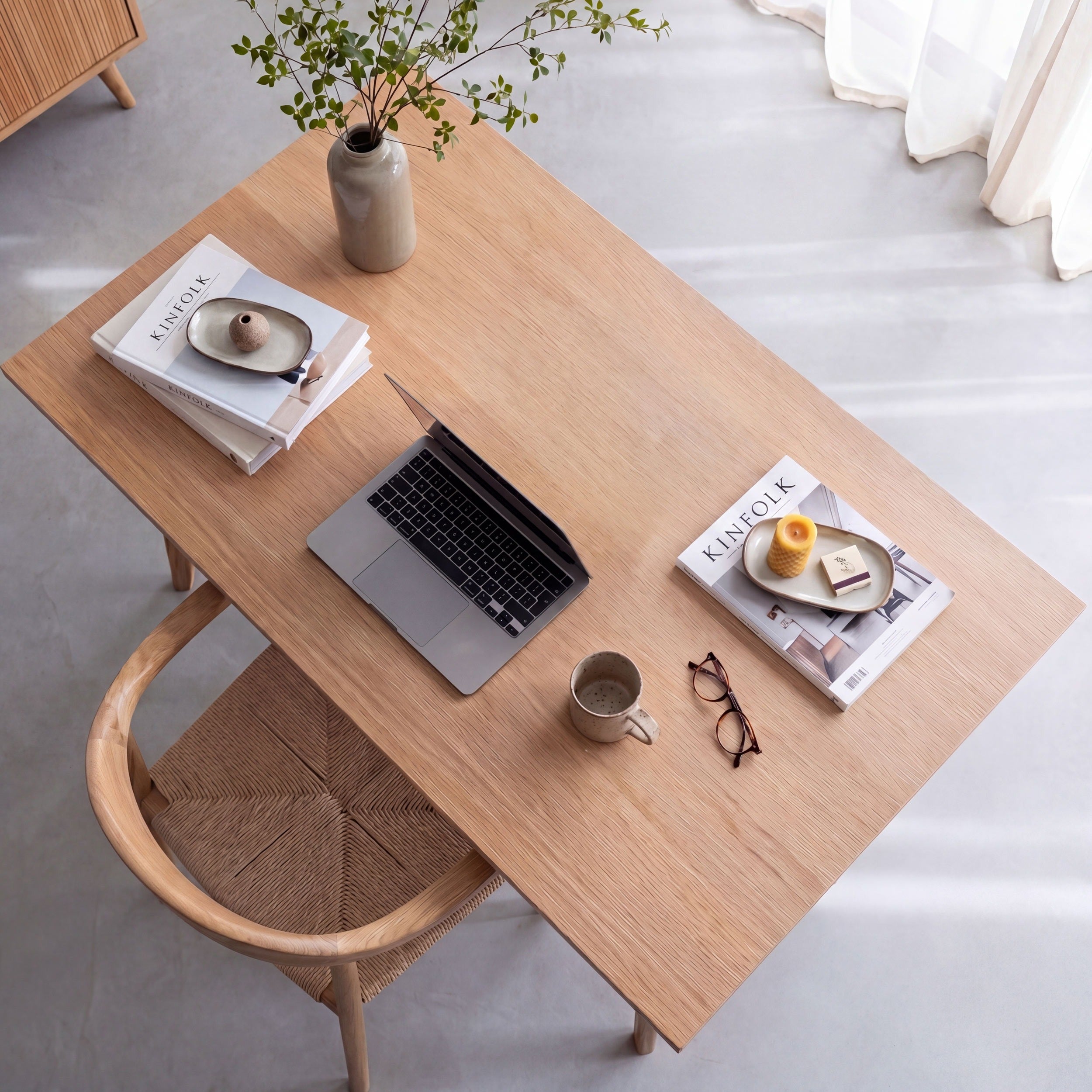
Oak plywood table top on oak legs, close-up with a laptop, mug, and books in a home office.

Oak Tops

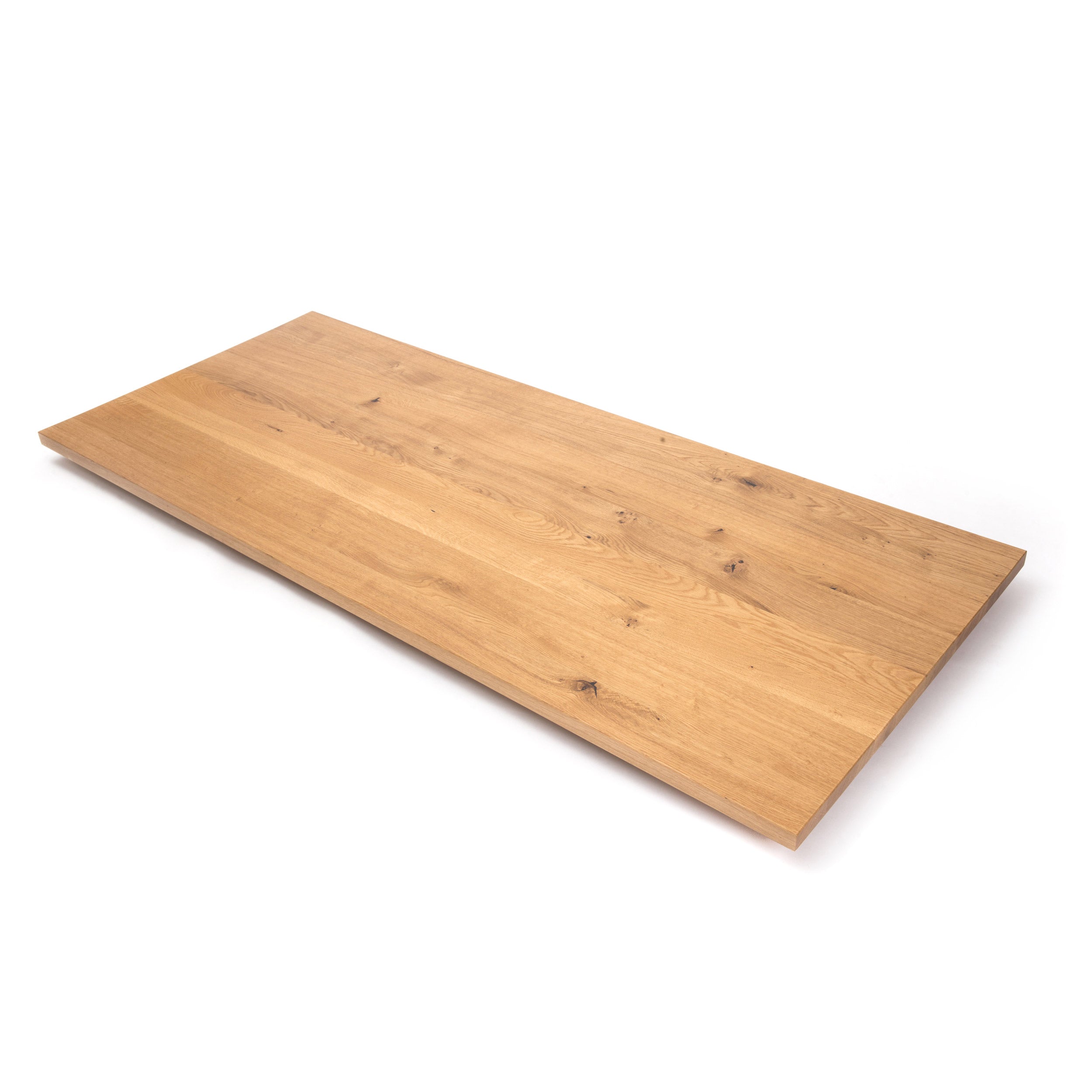
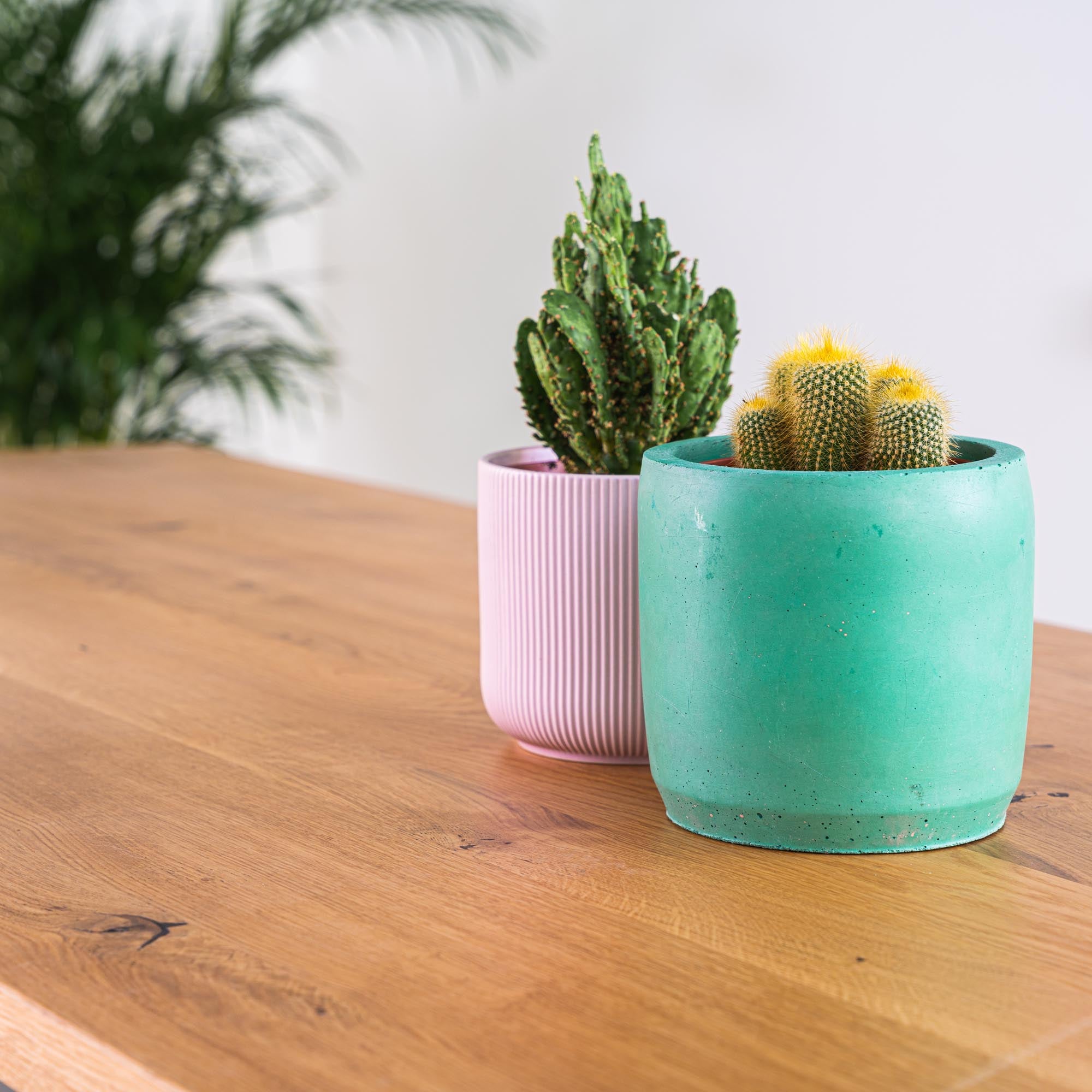
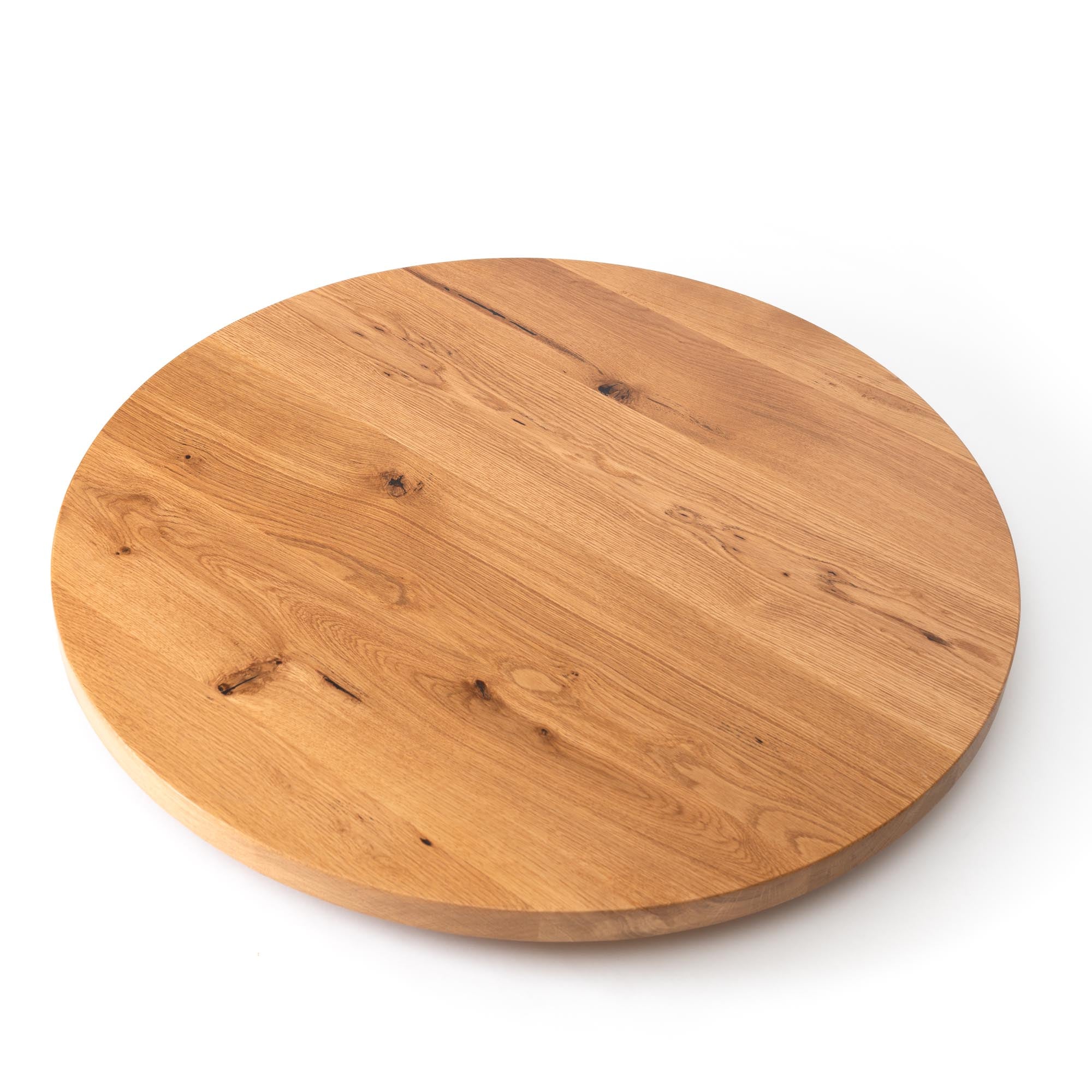
European oak tops in oak plywood and solid wood. For tables, benches, seats, consoles, and coffee tables; mounts directly to any legs or frame. Hand-finished with hard wax oil.

Filters

6 products

hiddenSolid Oak Table Top
Solid Oak Table Top Sale priceFrom £260.00
Solid Oak Stool Top---The Hairpin Leg Co.Solid Oak Stool Top
Solid Oak Stool Top Sale priceFrom £47.96 Regular price£59.95
Color
Round Solid Oak Table Top-Ø 120cm x 3.2cm--The Hairpin Leg Co.Round Solid Oak Table Top-Ø 120cm x 3.2cm--The Hairpin Leg Co.
Round Solid Oak Table Top Sale priceFrom £280.00
Oak Table Top — corner detailoak-dining-table-top-2500sq.jpg
Oak Table Top — corner detailoak-prism-shelf-top-down-2500sq.jpg
Oak Table Top — corner detail

The oak

European oak across both options. Oak plywood uses a 25mm AA-grade Baltic birch core; the solid range is full-thickness oak. Same mid-honey grain and warm tone, same hand-finished hard wax oil, same 1.5mm chamfered edge.

Oak gains depth as it ages. The mid-honey at install mellows to a richer amber over months and years; hard wax oil seals the surface without blocking the change.

Oak plywood or solid oak

Two options across the range, with the same oak surface and finish.

European oak on an AA-grade Baltic birch plywood core. The cross-bonded core moves less with humidity than solid timber, so the top stays flat and mounts directly to legs without floating fixings. The exposed ply edge is part of the design.

Full-thickness solid oak boards. Moves with the seasons; needs floating fixings (S-clips or figure-8 clips) on a fixed frame. Heirloom-grade and refinishable over decades. Heavier, more traditional in feel.

Pick by use-case

  • Table tops: desks, dining tables, workbenches, bar tables. Rectangular oak plywood from 120 × 60 to 180 × 80 cm; solid oak rectangular and round.
  • Bench tops: 34 cm wide, in 120 / 150 / 180 cm lengths. Oak plywood.
  • Seat tops: solid oak stool tops, for bar-stool builds.
  • Console tops: 25 cm or 34 cm wide narrow tops, for hallway, entryway, and sofa-table builds.
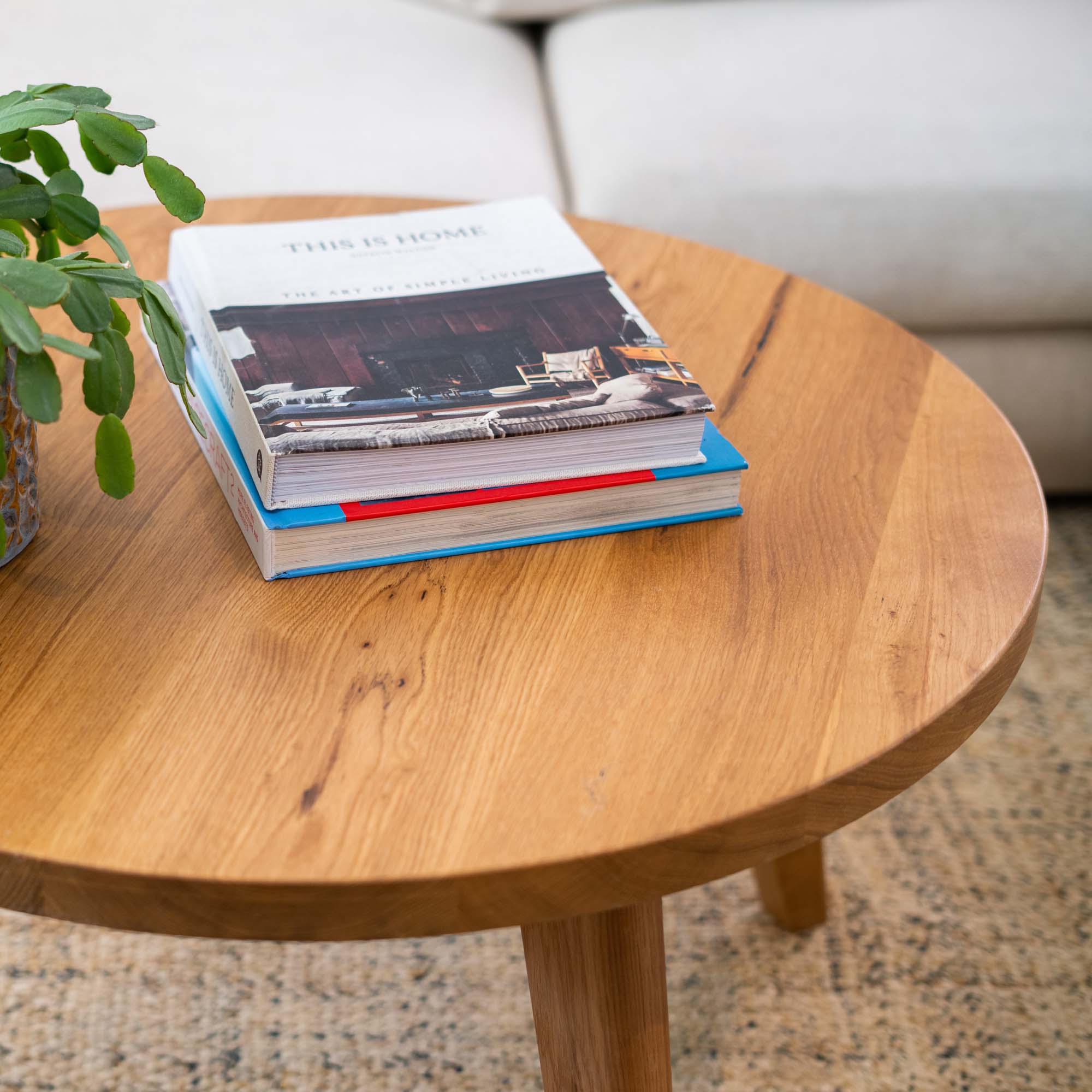
  • Coffee table tops: round solid oak; further sizes planned.

Looking for shelves? See oak shelf boards.

The Hairpin standard

Each top is sealed with hard wax oil on every face: top, bottom, sides, and edges. The 1.5mm chamfered edge is sanded smooth to the touch.

Our team all love the oak plywood and use it throughout their homes: dining tables, console tables. Tom even cut up a number of oak plywood table tops to make an entire cabinet.

Other materials

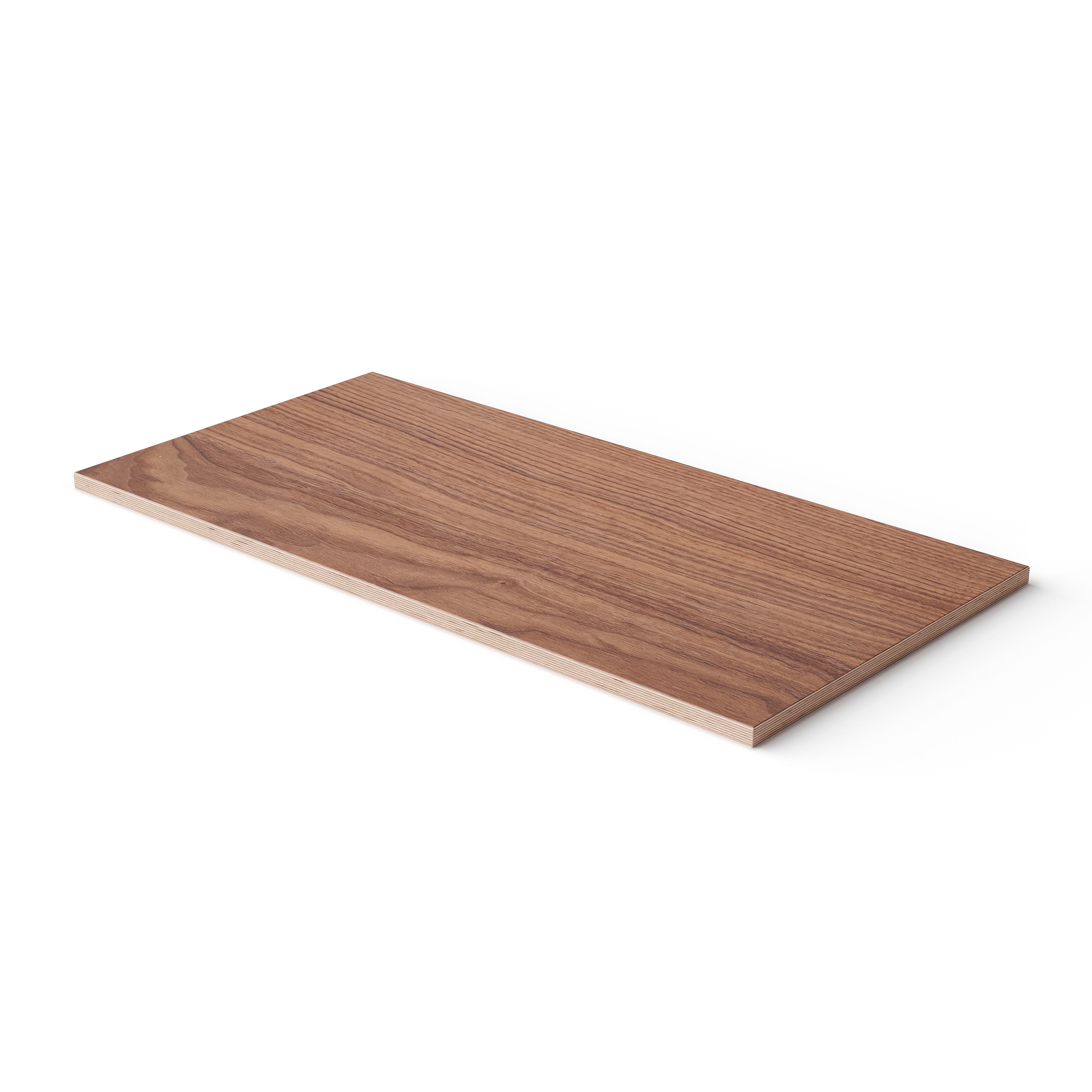
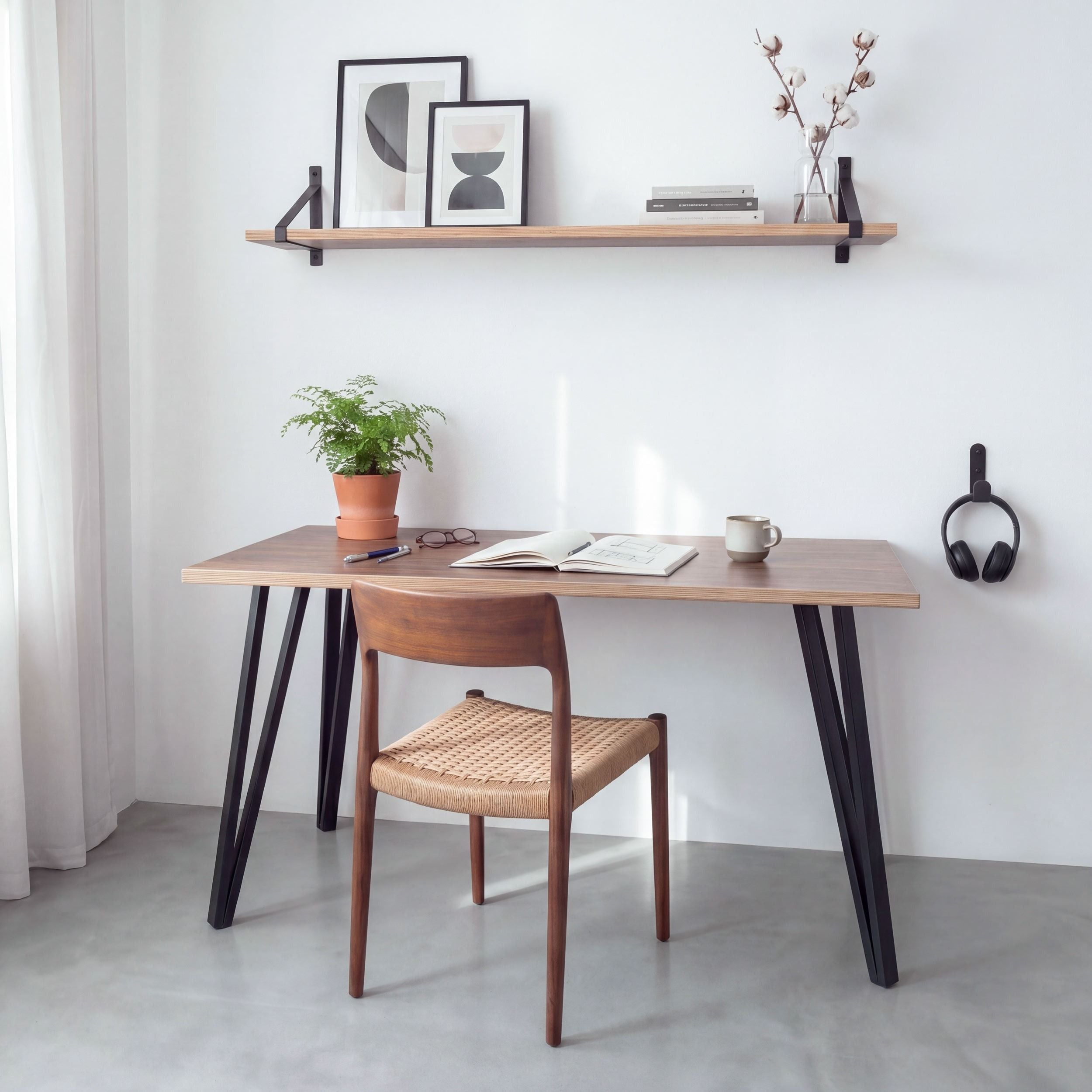
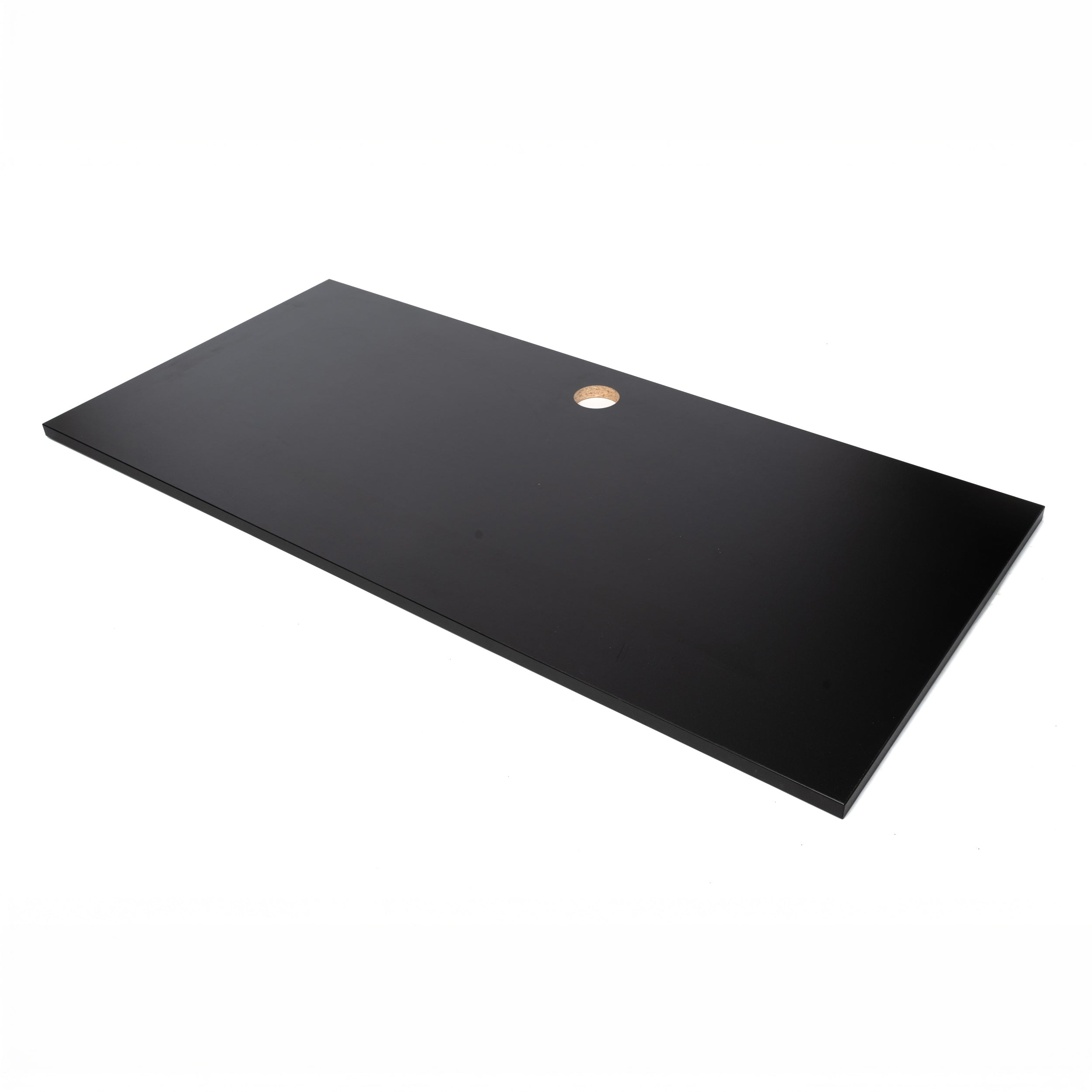
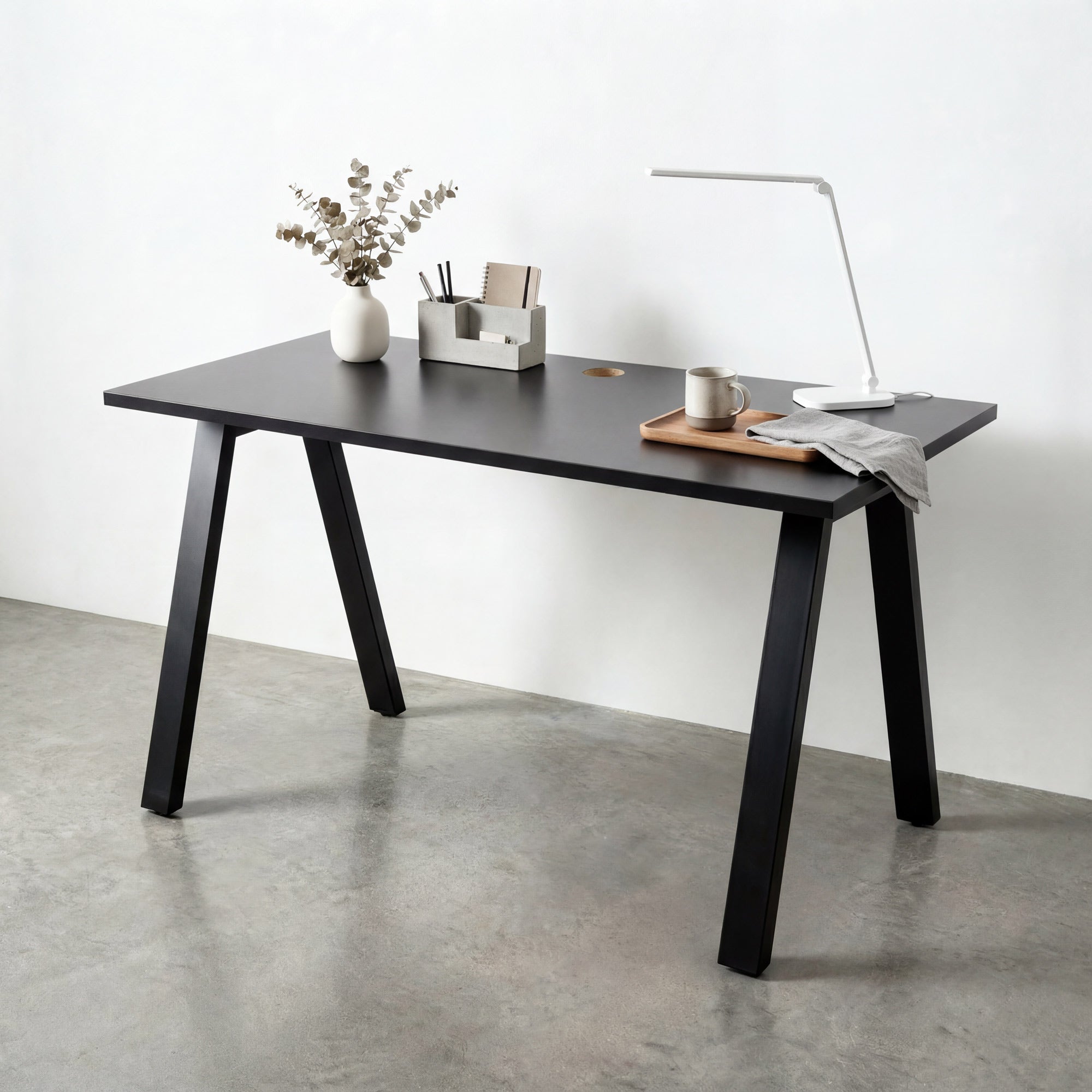
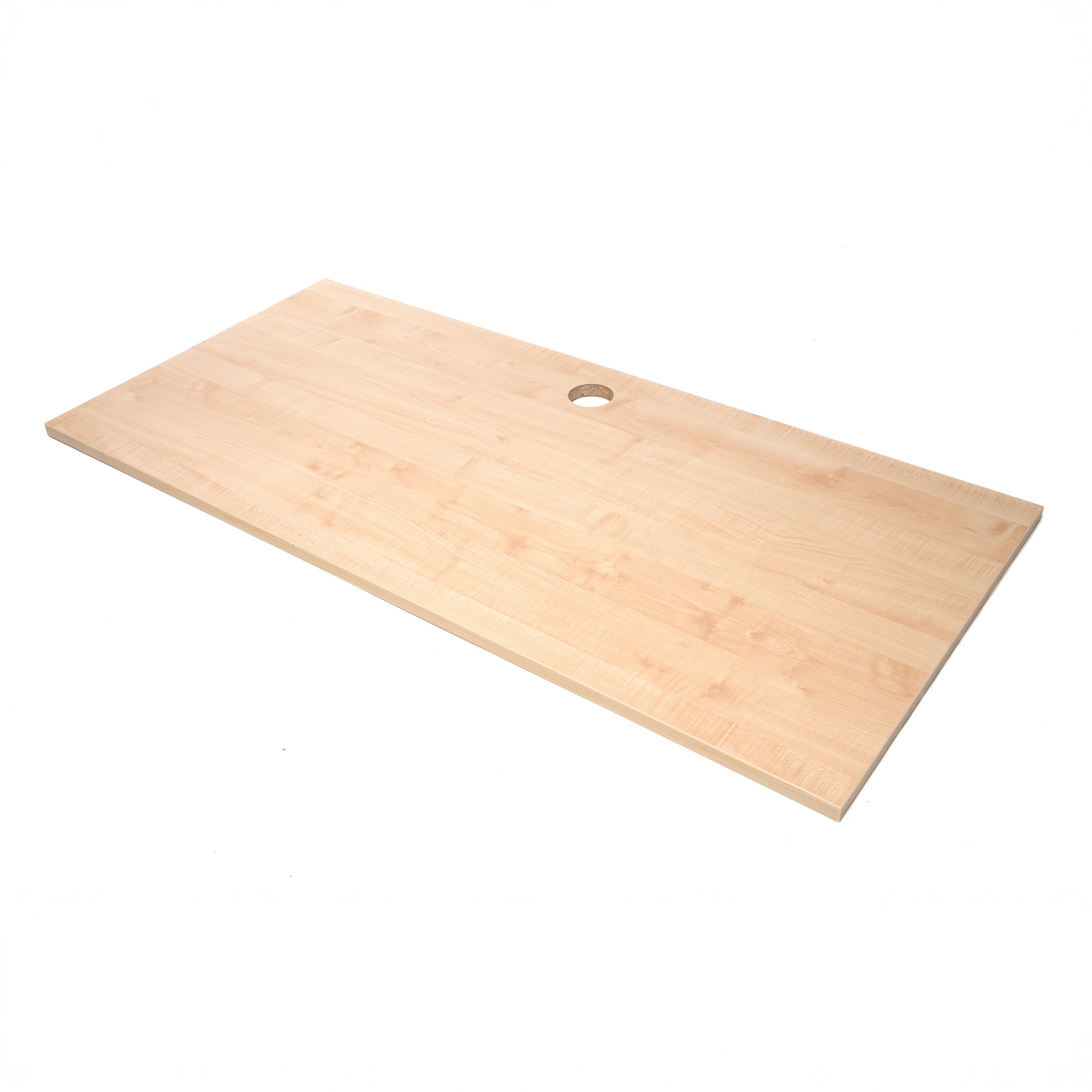
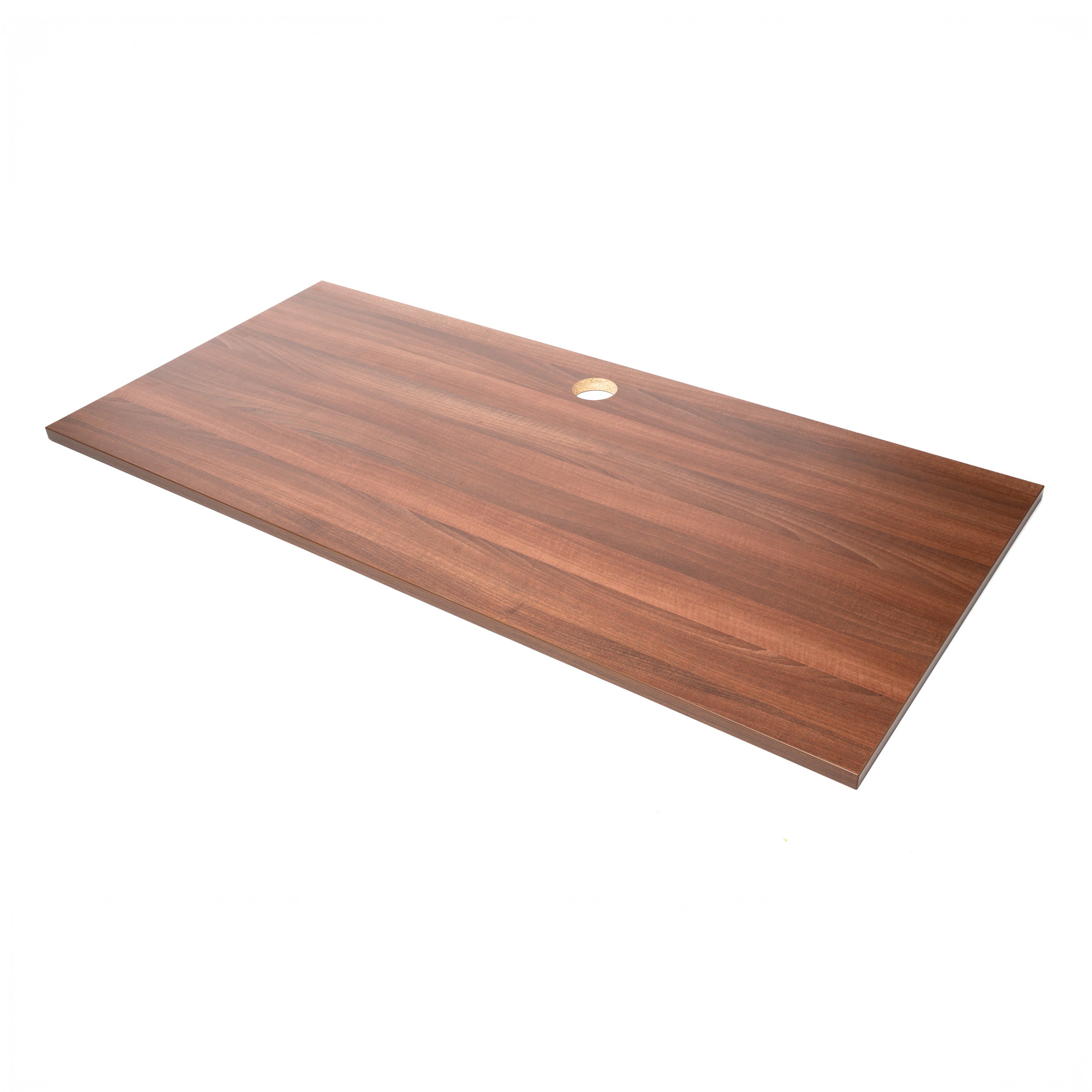
Same Baltic birch core under walnut, birch, and Formica. Oak for warmth, walnut for deeper grain, birch for a clean Scandi look, Formica for wipe-clean durability.

FAQ

What is faced plywood?

Faced plywood is a structural plywood core with a decorative face on the visible surfaces. The core does the engineering work (load, stability, strength); the face carries the visual character. Hairpin's tops use an AA-grade Baltic birch core with four facing options: oak or walnut real wood veneer, white or grey Formica HPL (high-pressure laminate), or the AA-grade birch face sanded smooth and finished. The wood veneer is solid timber bonded to the core, and the Formica HPL is a resin-based laminate, not foil, paper, or melamine. Edges are chamfered 1.5mm, sanded smooth, and sealed with hard wax oil as the final step.

What is AA-grade Baltic birch plywood, and why does it matter?

AA-grade Baltic birch is a specialist plywood made from cross-bonded layers of birch veneer. Hairpin's 25mm sheets carry 17 to 19 plies, more than typical poplar or DIY-store hardwood plywoods, with tighter manufacturing tolerances and a void-free core. The 'AA-grade' specifies the visual face: both faces clear, no patches, plugs, knots, or keyhole repairs. The 'Baltic' specifies the wood and origin: birch from European mills, FSC-certified at source, denser than the alternatives.

Why it matters: more plies means better stiffness, less seasonal movement, and more resistance to cracking. At 25mm it sits alongside solid oak as a serious tabletop material, matching it for stiffness with cross-bonded layers that stay dimensionally stable across humidity changes. AA-grade faces give a fully presentable surface on both sides, important for tops where the layered ply edge is part of the visual. The price reflects the engineering case: this is the material the build deserves.

How does plywood compare to solid wood as a tabletop?

Plywood and solid wood are both honest furniture-grade choices with different trade-offs, not better-or-worse. AA-grade Baltic birch is stiff and flat enough at 25mm to skip the traditional skirt or apron, giving a more modern look and better legroom. It also moves less with humidity than solid timber, so the top can mount directly to legs without floating fixings like S-clips. Solid wood remains the right call for heirloom-grade tables you'll re-sand and refinish over decades, especially in a rustic style. Faced plywood is the cleaner, modern feeling alternative.

Oak or walnut: which is right for my room?

Mechanically, oak and walnut are on par: same AA-grade Baltic birch core, same hard wax oil finish, same scratch and wear resistance. The real choice is colour, grain character, and how the facing sits in the room.

Oak is mid-honey toned with warm, open grain. It's the most versatile facing across room styles, brightens darker spaces, and sits comfortably in light rooms. Walnut is deeper in colour with bolder grain. It reads industrial or mid-century, works as a statement piece against white walls, and holds its own in darker rooms. Both have lasted across decades of furniture design. Both age subtly under natural light: oak deepens to a richer honey, walnut mellows toward warmer tones.

Walnut typically costs slightly more than oak, but for most buyers the choice comes down to fit with the room. Match the facing to the space you're putting it in.

Does oak darken or change colour over time?

Yes, oak develops a deeper, warmer tone over time. The mid-honey colour at install gradually mellows to a richer amber over months and years of light exposure. This is natural; hard wax oil seals the surface without blocking the UV that drives the change. If you want to slow it, keep the top out of direct sunlight; if you want to accelerate it, the opposite. Walnut moves the other way, lightening slightly from very dark to a softer brown. Both are honest signs this is real wood, not a paper print.

Can't find your answer? Contact us.