




Particle board furniture is affordable, super easy to work with and widely available. It’s a solid starting point for custom projects - you just need to learn how to add legs to particle board furniture to make it unique and improve stability. That’s what we’re here to discuss today.
We’ll help you upgrade a basic piece into something that looks intentional and works in everyday use. The Hairpin Leg Co. is your one-stop shop for furniture legs in the UK, with more than a decade of experience supplying makers and DIYers with the best foundations for their projects.
Choose the right legs, follow the steps, and get your next project off the ground - literally.
“On a hunch, we purchased hairpin legs to convert a very ordinary IKEA cabinet into a shoe cabinet. There was a lot of choice of colours which added an element of fun into the project. Our order came very quickly and the legs were very well manufactured. We couldn't be happier with how things have turned out.”
“The Hairpin Leg Company is far and away the best source of this type of table legs that I have found. Their variety of colors is wonderful, quality top notch, and their service is fantastic. I won't do business with anyone else!”
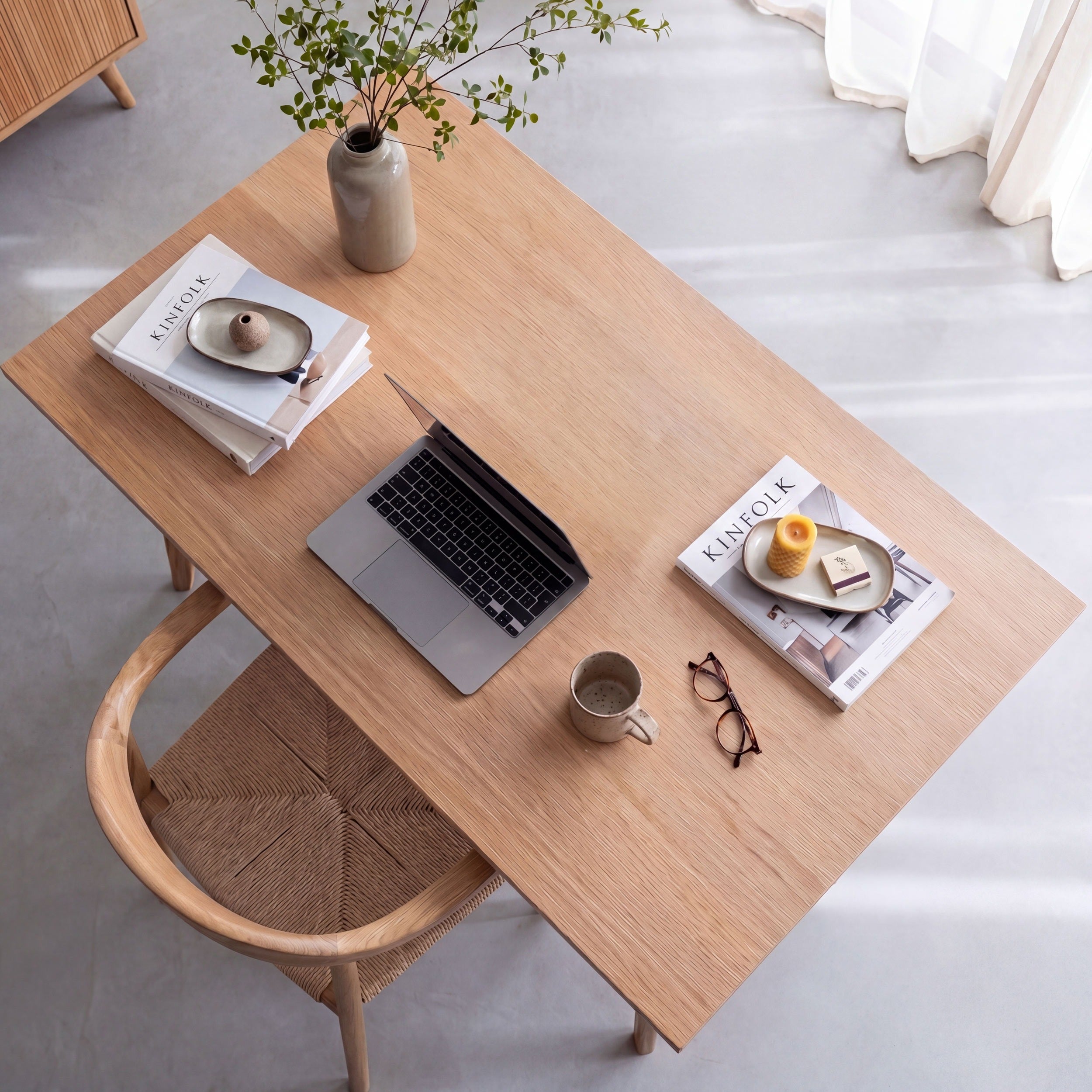
“Screwed the legs onto the underside of an IKEA kitchen worktop (£50) and I now have a very smart and sturdy desk for our new home office!”
Pros and Cons of Particle Board Furniture
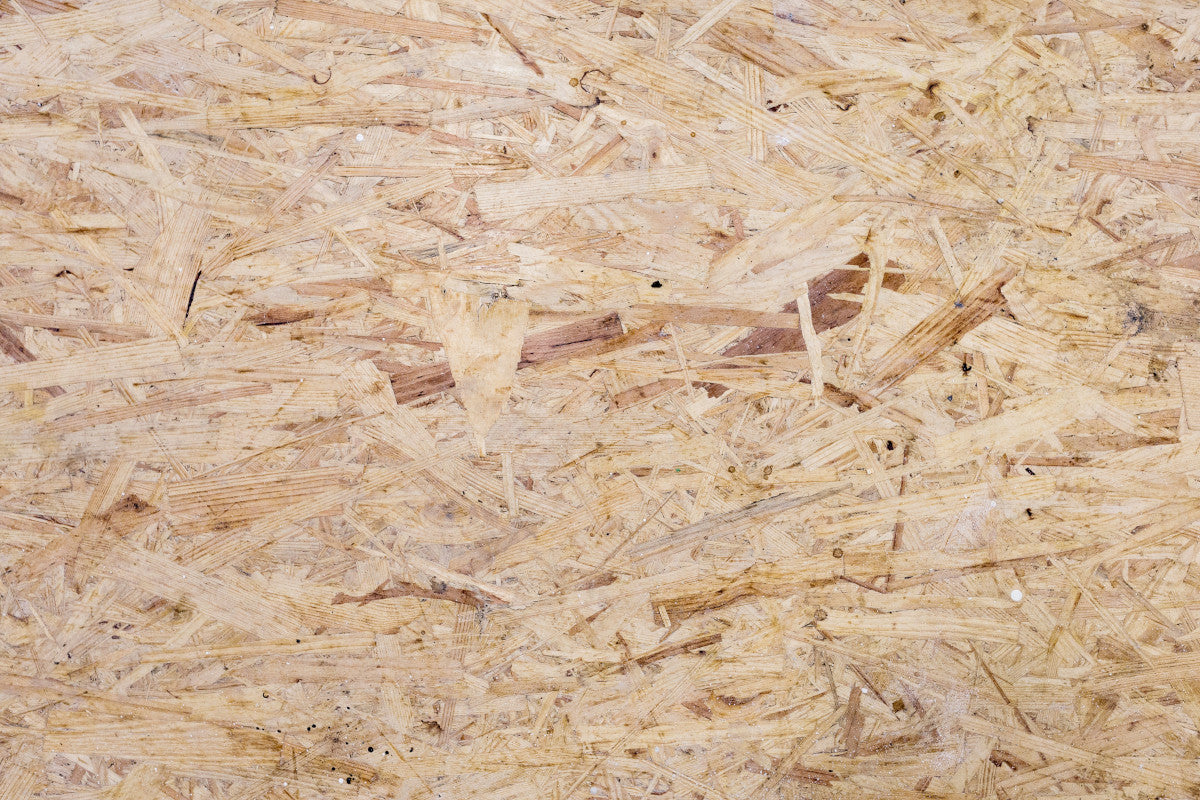
Particle board is a man-made sheet material made from compressed wood chips and resin. It’s the most common choice for flat-pack and budget furniture because it’s cheap. But that doesn’t mean furniture made from particle board has to look low-quality.
Pros
- Widely available and easy to replace or modify
- Consistent thickness simplifies planning and layout
- Lightweight compared to solid wood panels
- Works well with veneers, laminates and painted finishes
- Ideal for simple builds and upgrades
Cons
- Lower screw-holding strength than solid wood or plywood
- Can crumble if over-tightened or drilled carelessly
- Vulnerable to moisture and swelling if left unsealed
- Not designed for heavy loads without added support
- Limited lifespan compared to higher-grade materials
Plywood, laminated panels and solid timber all have their place - but particle board is a practical, predictable solution for cabinets, light tables and upcycled flat-pack furniture. You just need the right legs to elevate it!
Choosing the Right Legs For Particle Board Furniture
Because the board itself has limits, the right leg choice spreads load properly, avoids damage, and makes the finished piece feel intentional rather than improvised. Here are some tips on picking the perfect legs for your particle board furniture.
Weight Capacity and Load Distribution
Particle board doesn’t fail because it can’t hold weight at all. That weight just has to be distributed evenly, and it’s why legs with wide mounting plates are the safest option. A larger plate spreads the load across more of the board, so there’s less risk of screws pulling out.
Keep weight expectations realistic and avoid designs where most of the weight sits on a small fixing area. Legs with tiny mounting points or single bolts concentrate stress in one spot. Particle board doesn’t handle that well over time.
Leg Styles That Work Best With Particle Board
Slim hairpin legs can work for particle board furniture, but with a few caveat: the fixing plate has to do the heavy lifting. Ours here at The Hairpin Leg Co. are a good candidate.
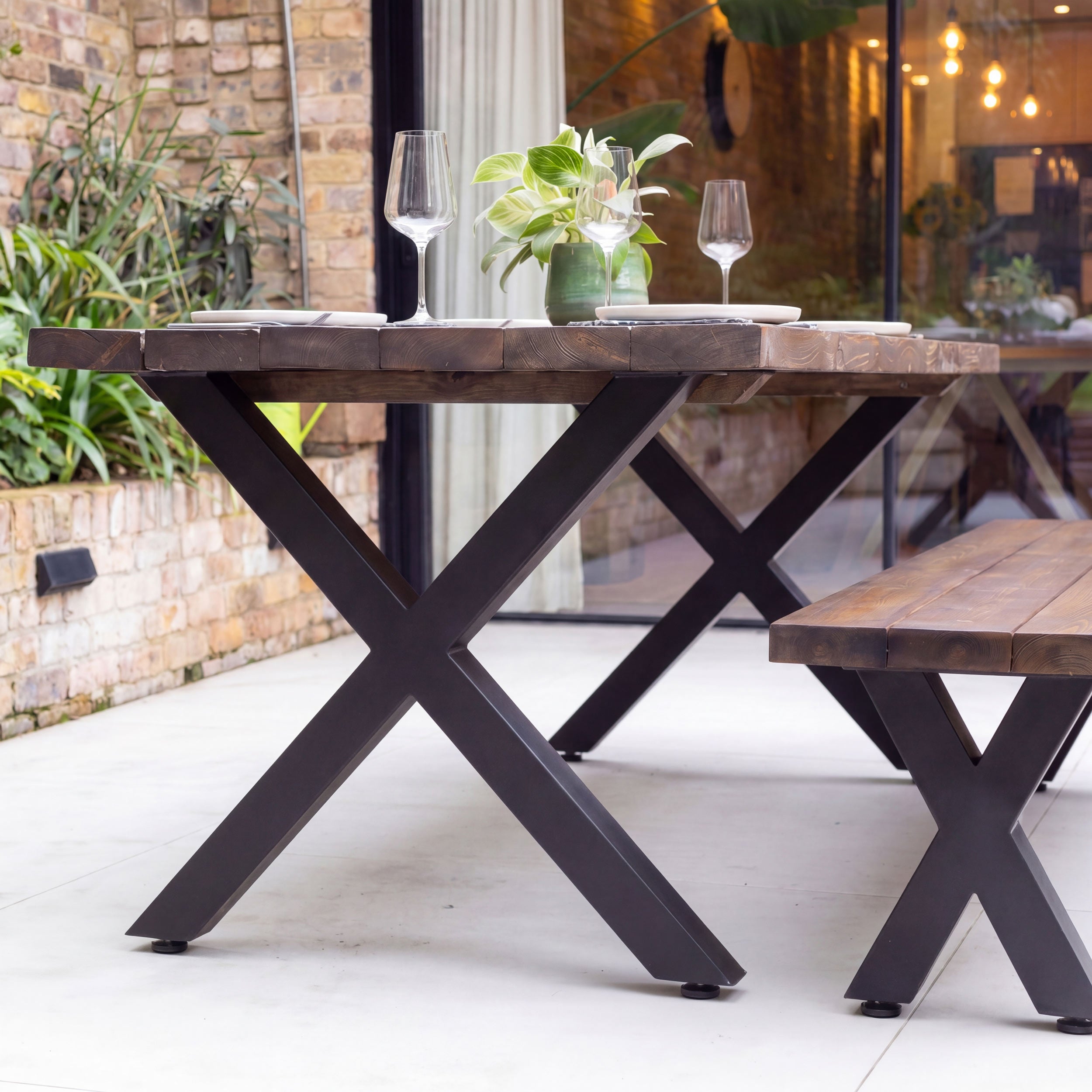
However, box-section legs or shared supports can make more sense for wider furniture or longer spans. Whatever you do, don’t use legs that only have a single central bolt or narrow fixing points. They ask too much of the material.
The key takeaway: legs that contact more of the board give extra peace of mind.
Shop Furniture Legs at Hairpin Leg Co. Today
No matter what you have in mind, you can find the perfect wooden furniture legs or metal furniture legs for your DIY particle board furniture here at The Hairpin Leg Co.
We’ve been supplying makers and DIYers for more than a decade now, with a 4.9/5 star rating across thousands of reviews from people just like you who have transformed ordinary furniture into custom works of art.
All our legs are crafted from premium materials and engineered with precision, so you’re getting legs that last a lifetime and serve their purpose wonderfully. Your order is backed by our 5-year warranty and 60-day return policy, too.
Take a look and see what catches your eye, or connect with our team today for a personalized recommendation. From coffee table legs to cabinet legs, we’ve got all the different sizes and tons of designs to choose from.
In the meantime, let’s get into how to add legs to particle board furniture.
How to Add Legs to Particle Board Furniture: Step-by-Step Guide
Adding legs to particle board furniture is all about preparation and restraint. You’re already halfway there with the right furniture legs on hand. Now it’s just a matter of making sure everything plays nicely together.
Check Thickness and Internal Structure
Take a moment first to assess how thick the panel actually is. Many particle board tops are thinner than they look once laminated.
Anything under about 18 mm needs extra care. Normal wood screws are unlikely to be suitable in these cases. You may need threaded inserts. Or, you can glue a small piece of plywood (ideally 18mm plywood) under the particle board itself and screw into that.
The alternative, of course, is to just simplify things with frame legs. You can rest thinner tops on the frame and use rubber grommets, permanent double sided tape or glue to hold the top in place.
Position the Legs for Stability
Lay the furniture upside down and place the legs where they’ll sit. It’s about balance rather than precision. Pull the legs in from the edge just a bit to reduce span. Keep spacing even.
Mark and Drill Pilot Holes Carefully
Use the mounting plate as a template and mark all holes clearly. Drill pilot holes with a bit slightly smaller than the screw diameter. Driving screws straight into particle board can cause the surface to break down internally. Drill slowly and stop as soon as you reach depth.
Fix the Legs Without Over-Tightening
Attach the legs, and remember that brute force is only going to cause more harm than good. Tighten each screw only to the point that it feels secure. Then stop. Going any further is only going to strip the board and weaken the fixing.
If you notice a screw spinning without tightening, remove it and shift its position just slightly. Don’t try to force it into a place that is stripped. You’ll never get a secure hold.
Test for Movement and Add Support if Required
Flip the furniture back upright and test it by applying light pressure from different angles. Don’t ignore movement. A simple rail, brace, or shared support underneath often solves the issue. Particle board performs best when the structure helps carry the load.
Wrapping Up Our Guide to Building Particle Board Furniture
There you have it, how to add legs to particle board furniture! This can work well when you respect the material’s limits and build with them in mind. Most of the work is simplified just by choosing the right legs from the get-go.
Our blog has more DIY guides on how to attach legs to a granite table top, how much weight table legs can support, and how to put up a shelf - along with many, many more.
From table legs to table frames, The Hairpin Leg Co. is your one-stop shop for everything you need to create particle board furniture DIY. Get started today and see how easy it can be with our supplies!

Leave a comment
This site is protected by hCaptcha and the hCaptcha Privacy Policy and Terms of Service apply.