
Table Tops

Table Tops

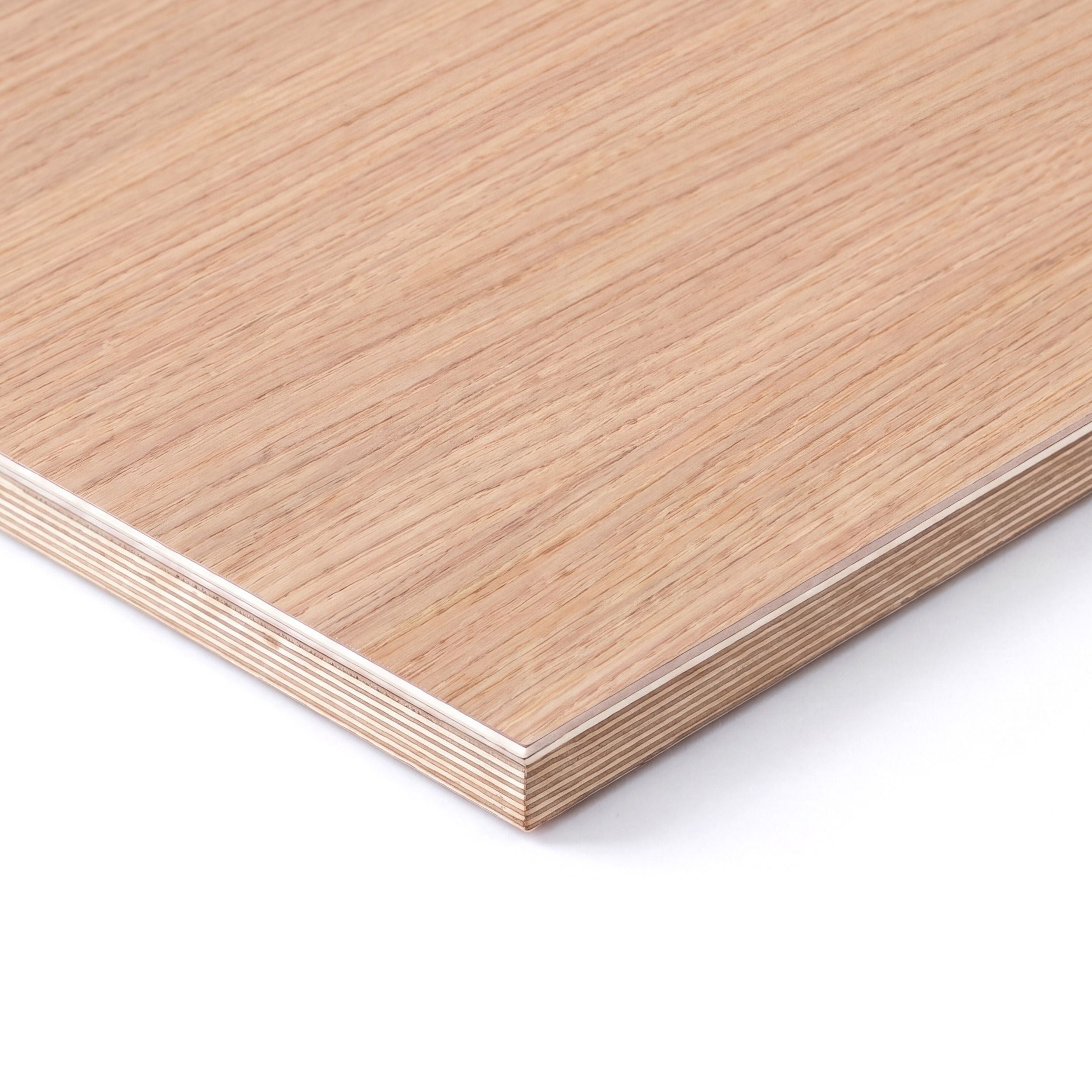
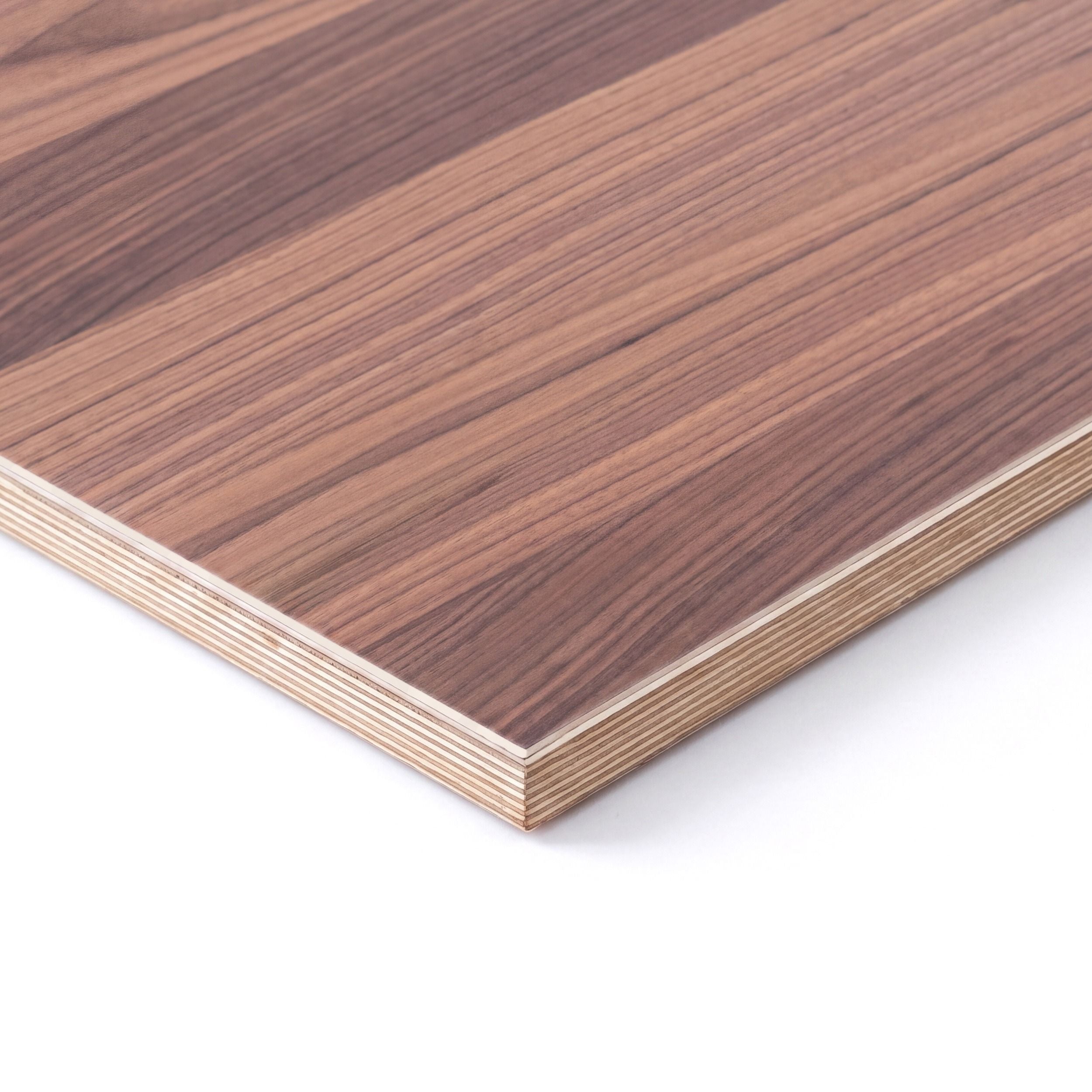
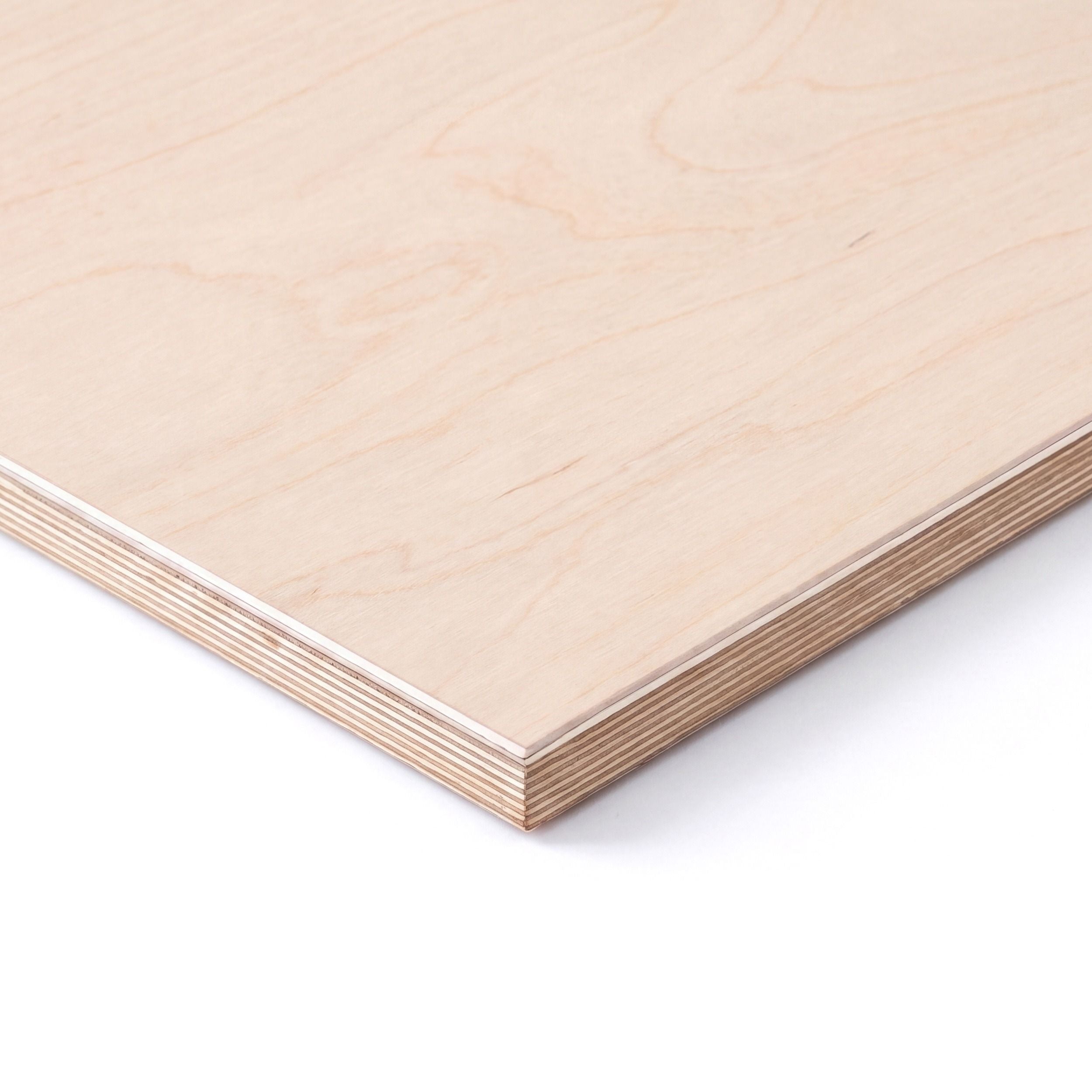
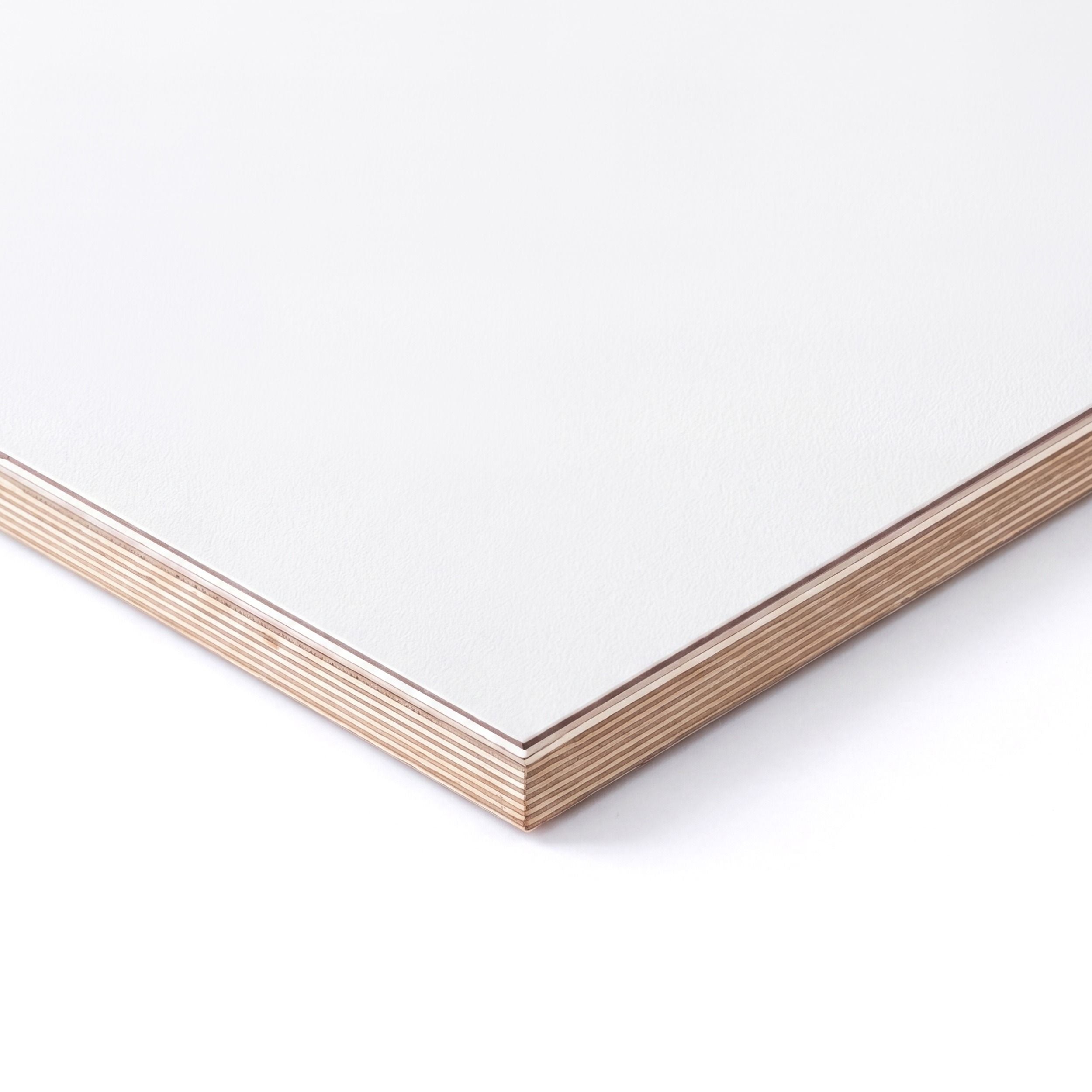
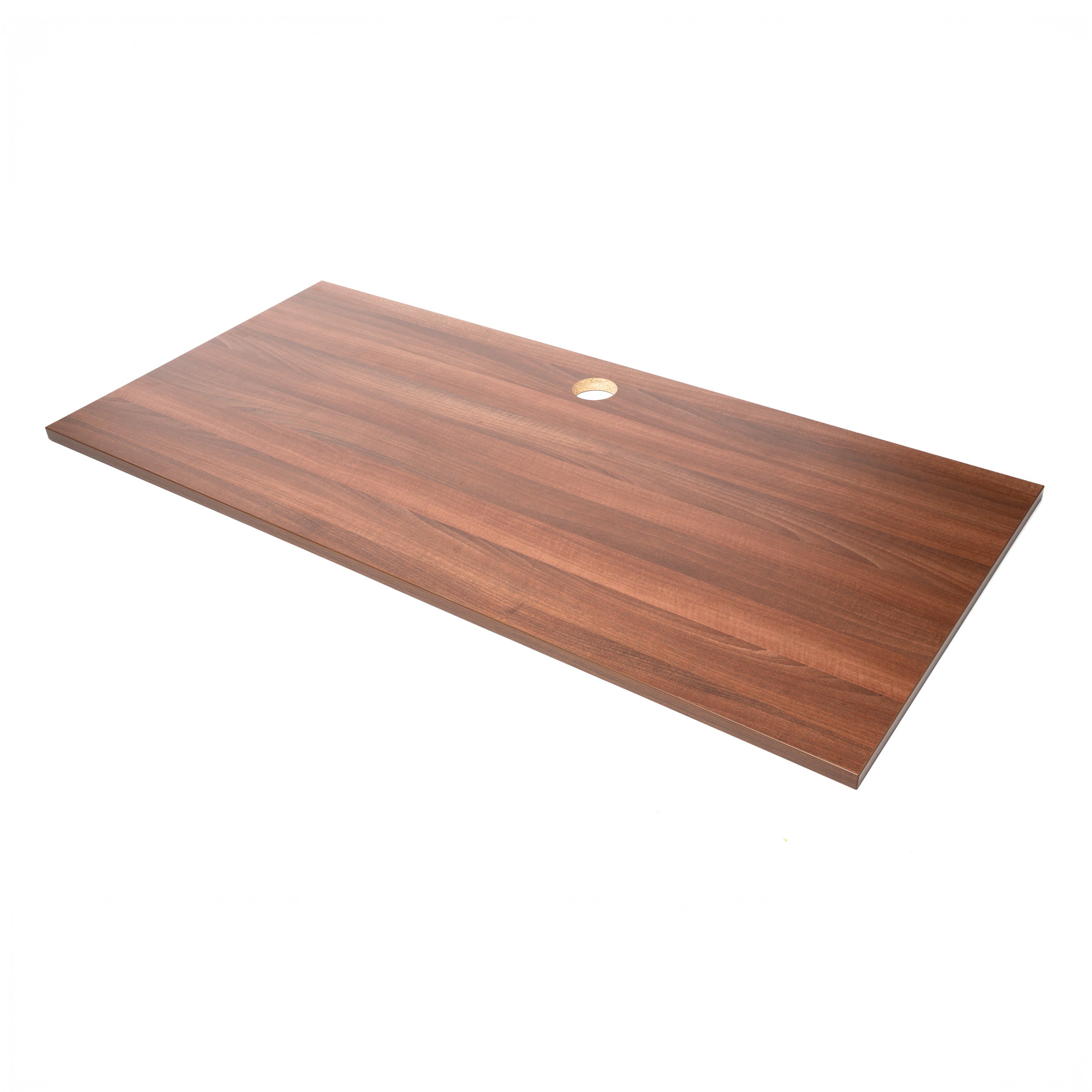
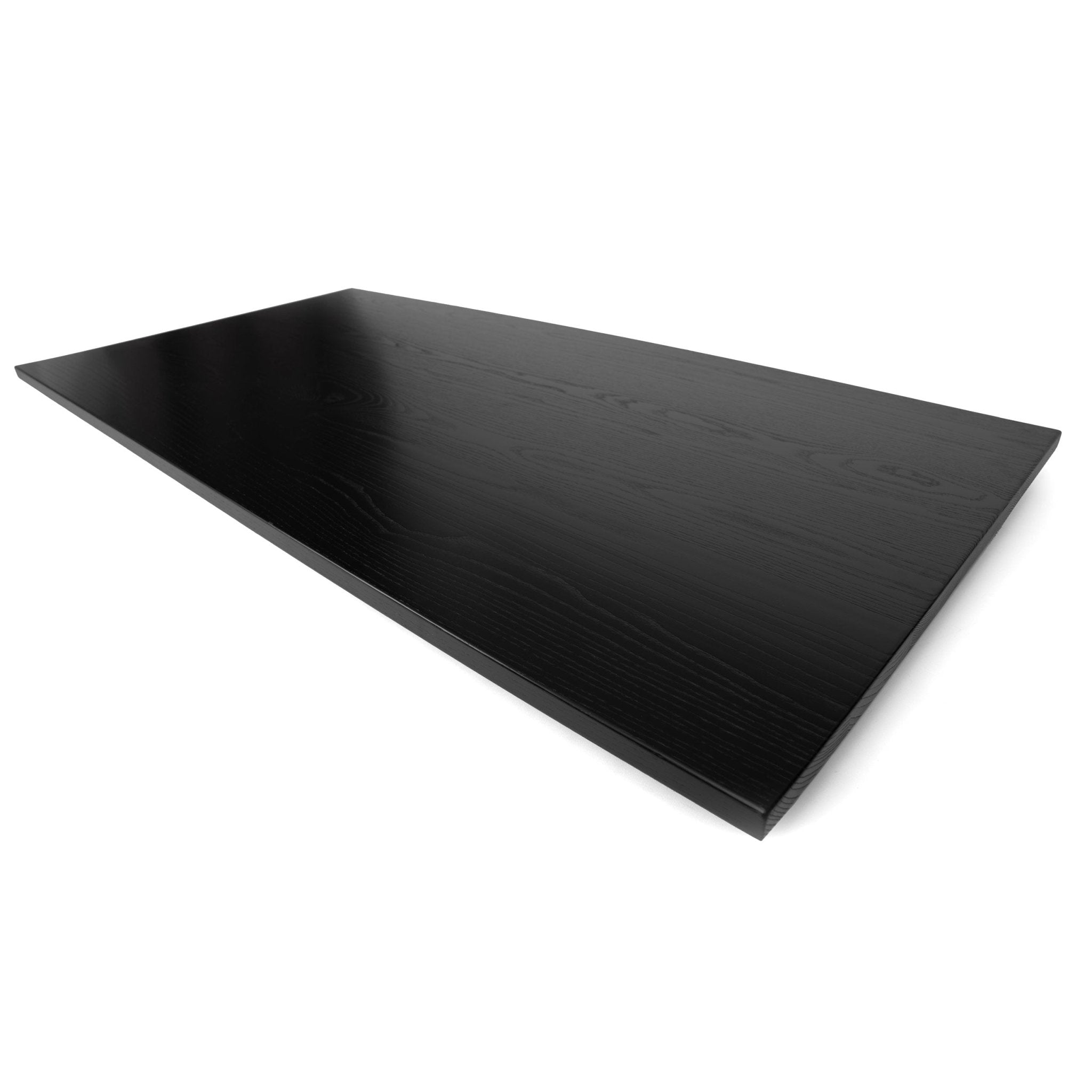
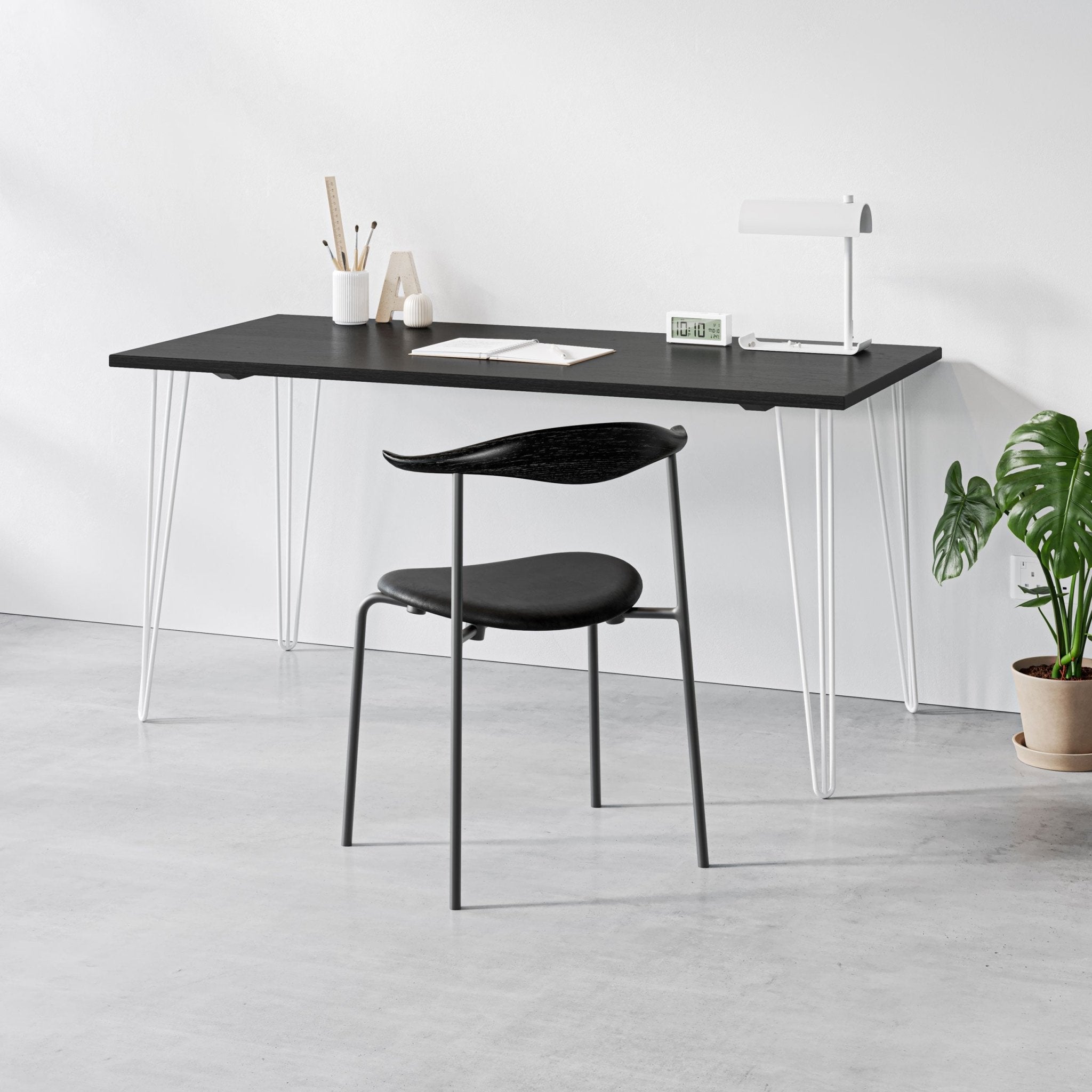
Table tops in oak, walnut, birch, and Formica. Mount to any legs or frame. Pick by material, or by project: desks, dining tables, benches, or consoles.

Filters

By material

Oak, walnut, and birch plywood, plus Formica and solid oak. Sized for desks, dining and coffee tables, benches, and consoles.

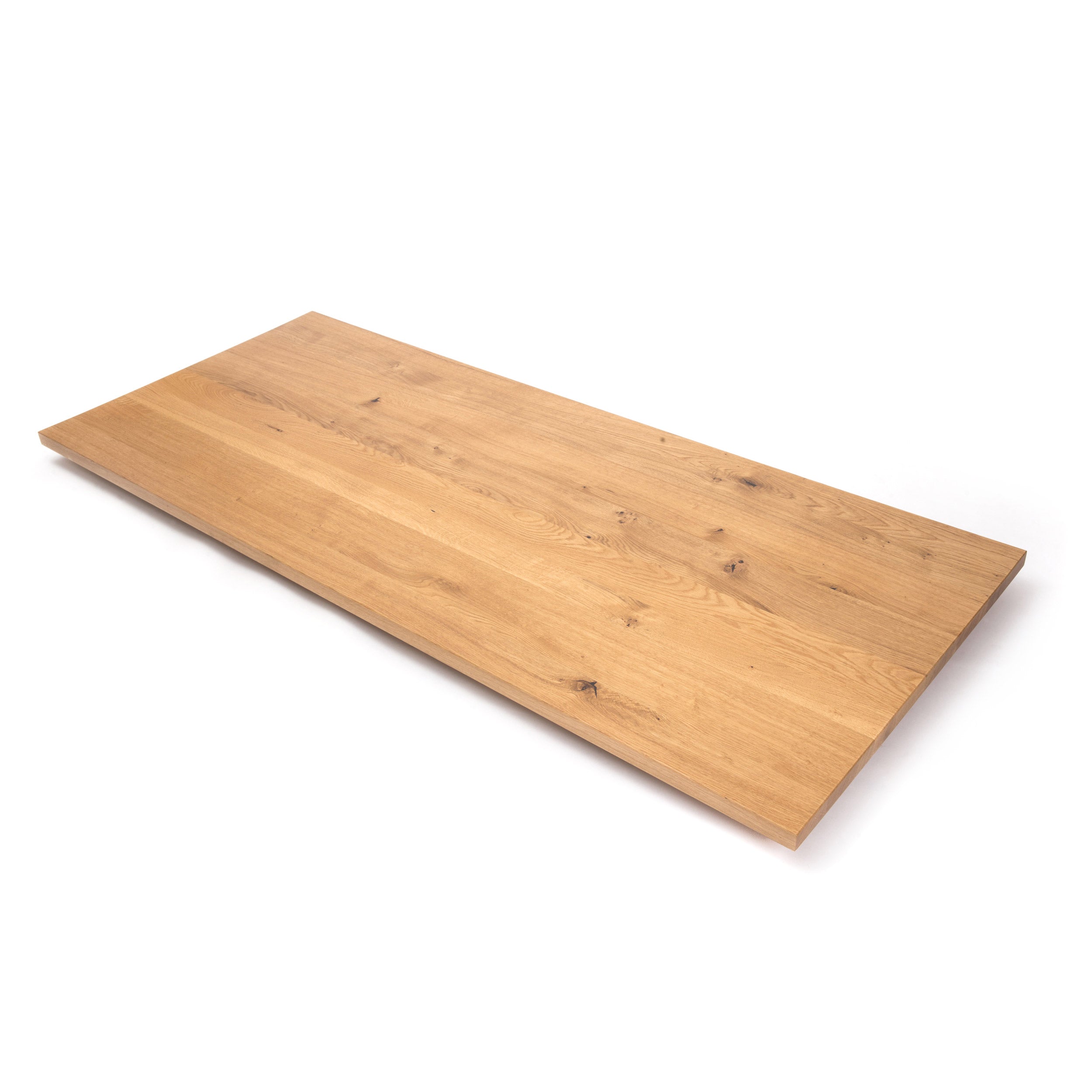
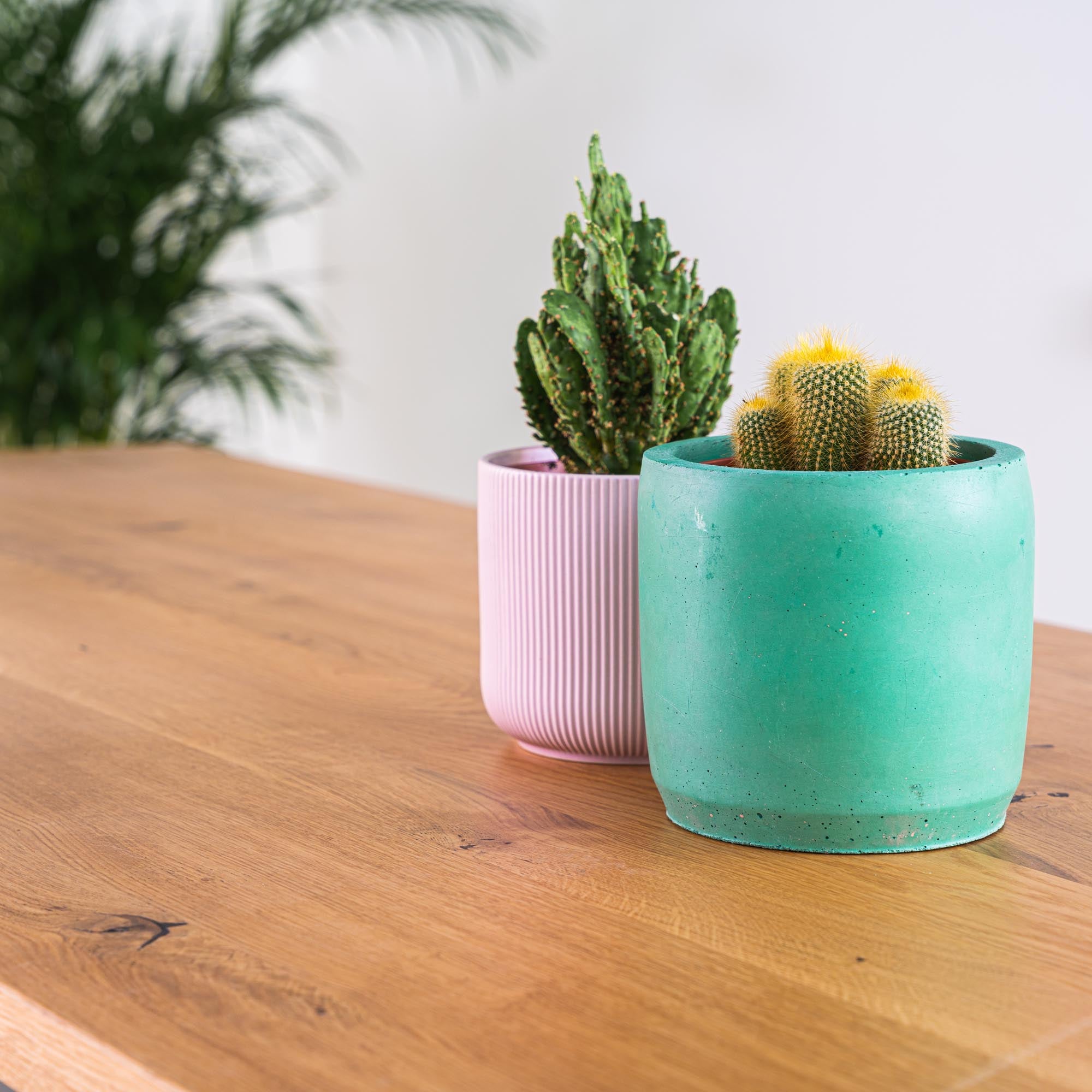
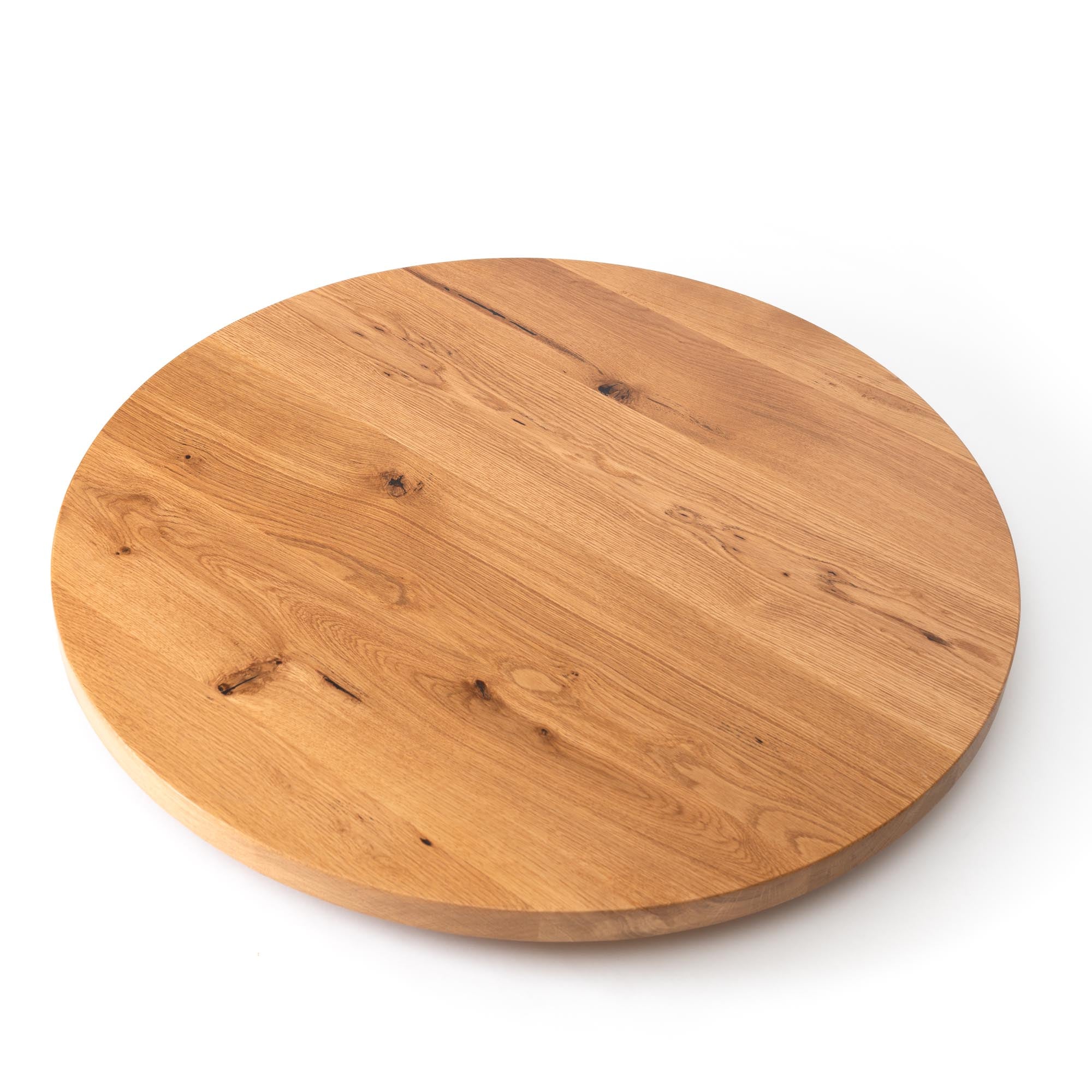
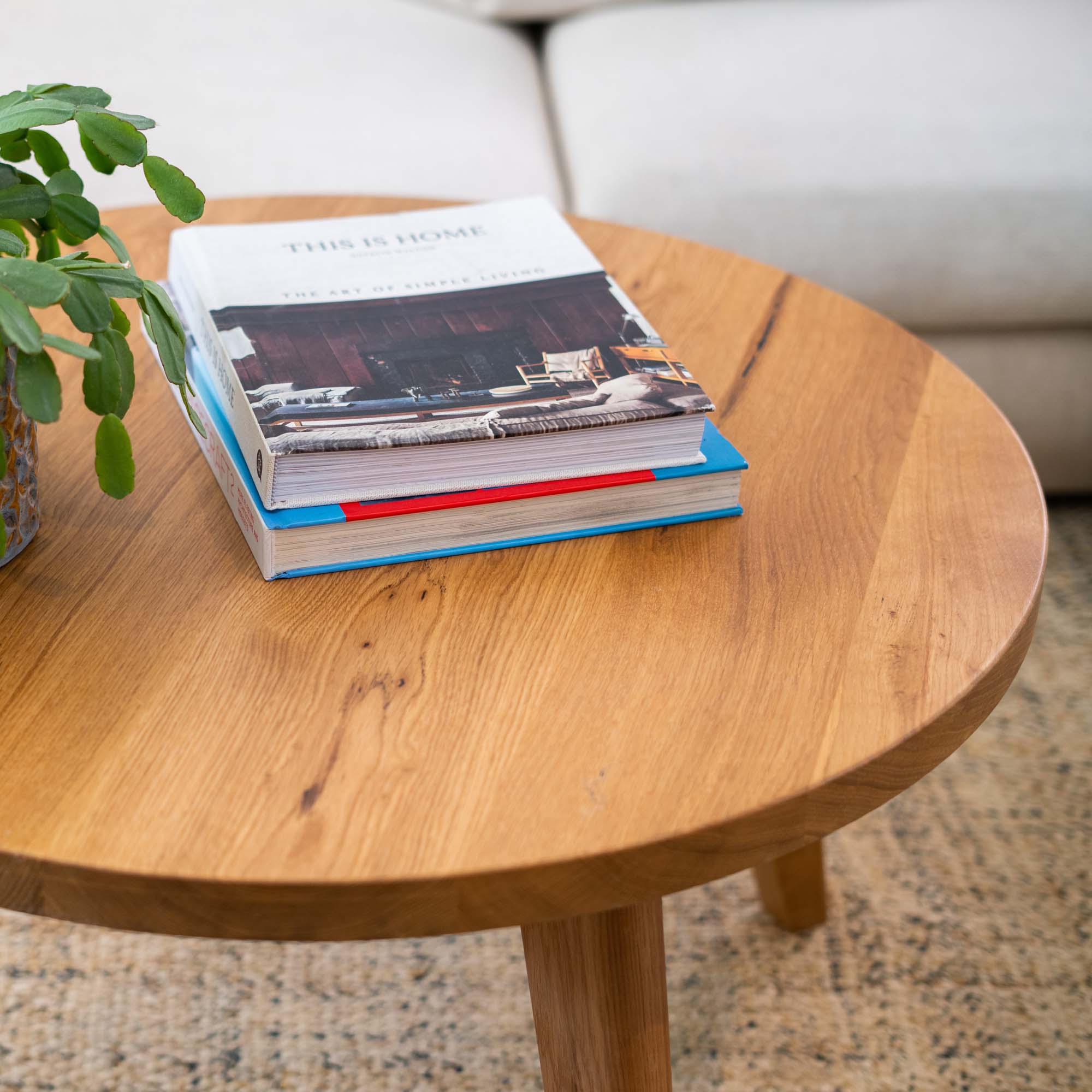
  • Oak: mid-honey tone with prominent grain. Hand-finished with hard wax oil. Available in oak plywood or solid oak.
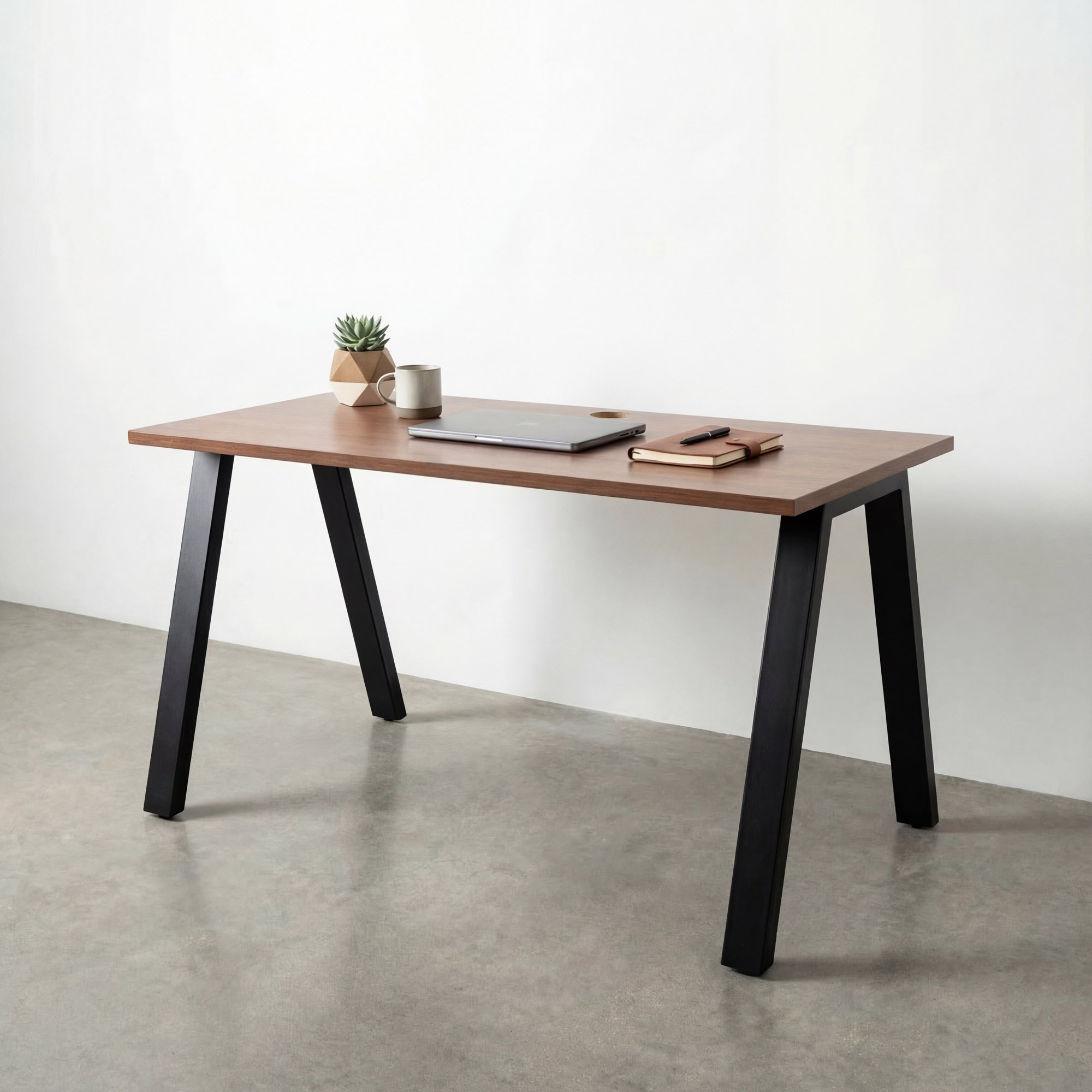
  • Walnut: American black walnut with deep tone and bold grain. On a birch plywood core. Hand-finished with hard wax oil.
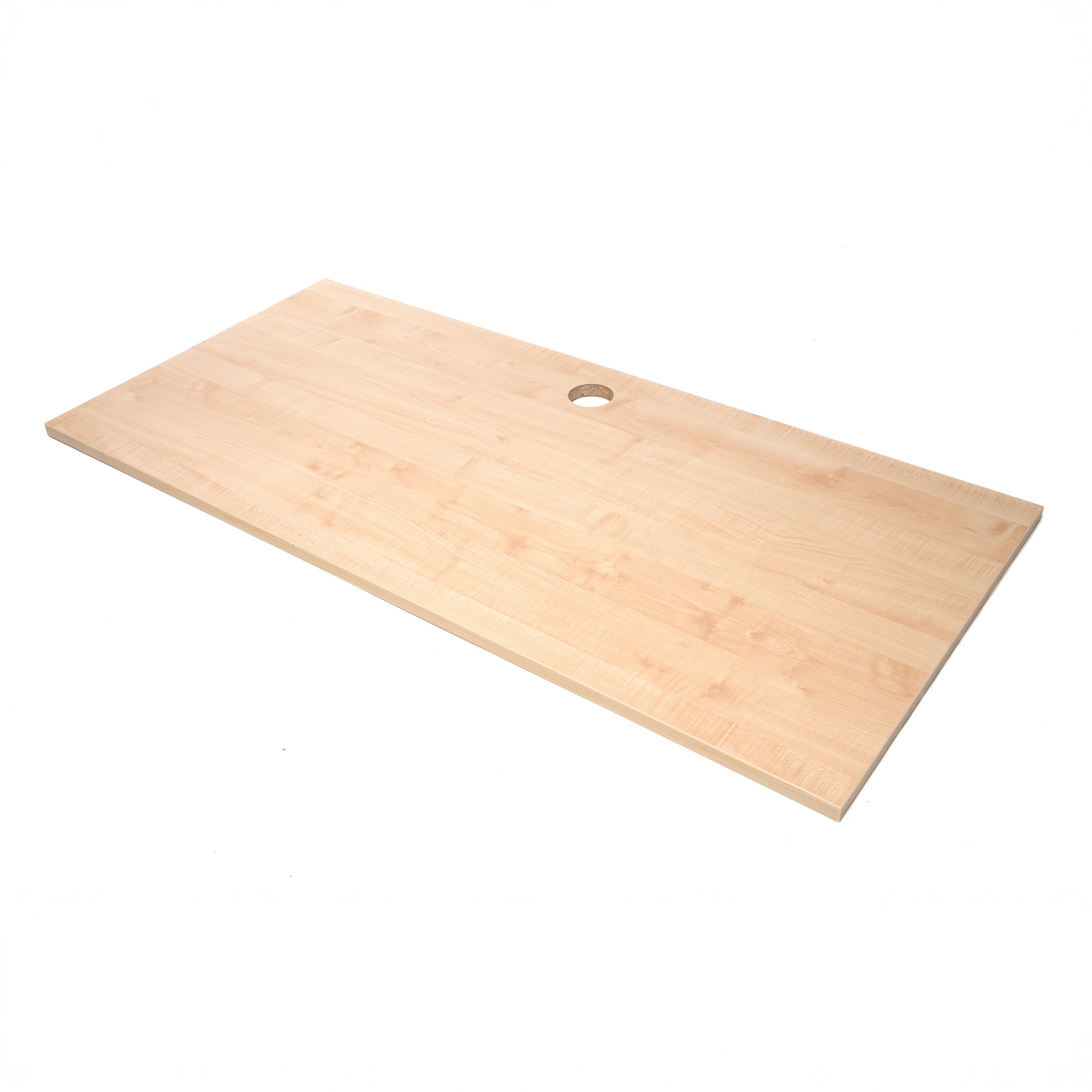
  • Birch plywood: light, even tone with a visible multi-ply edge. AA-grade Baltic birch all the way through.
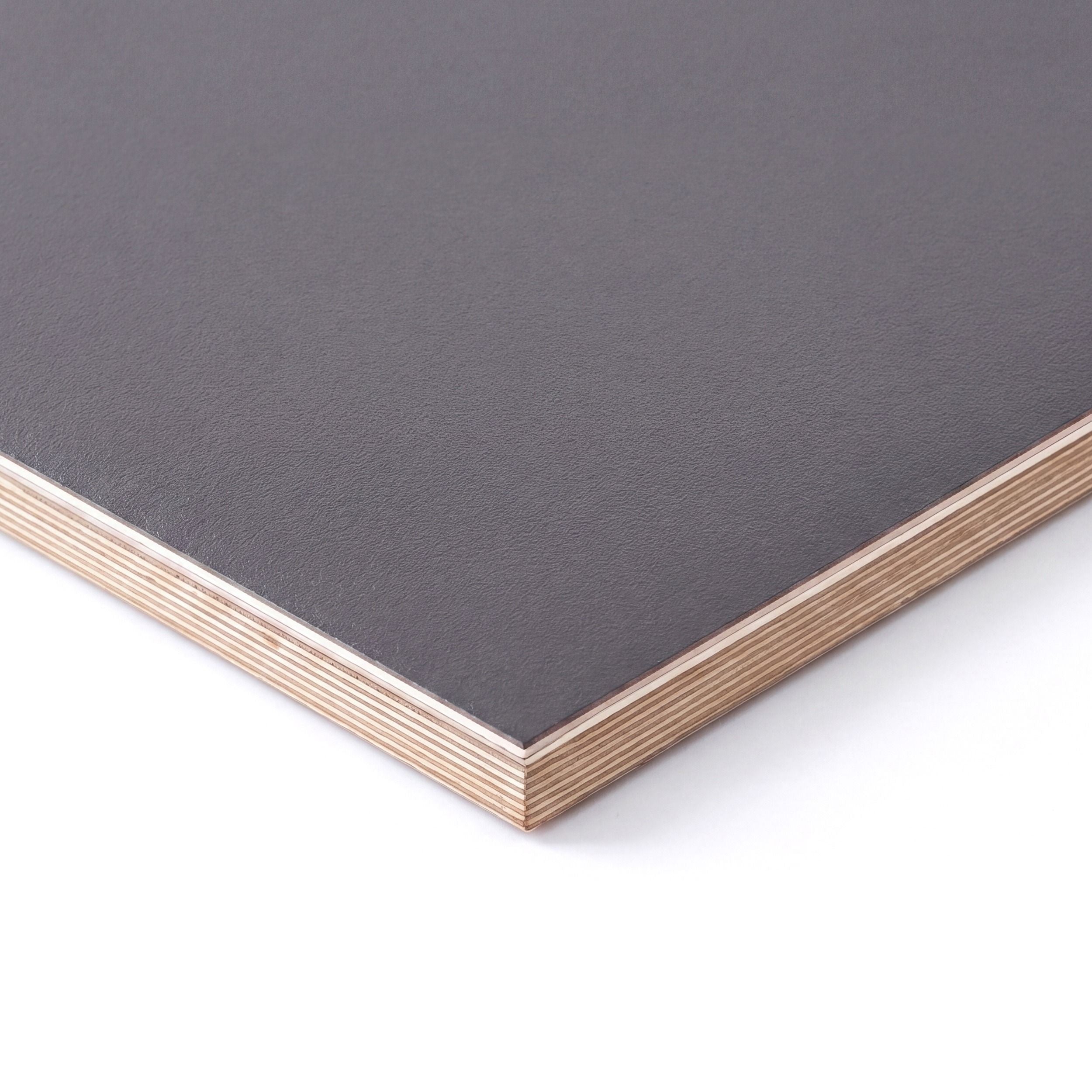
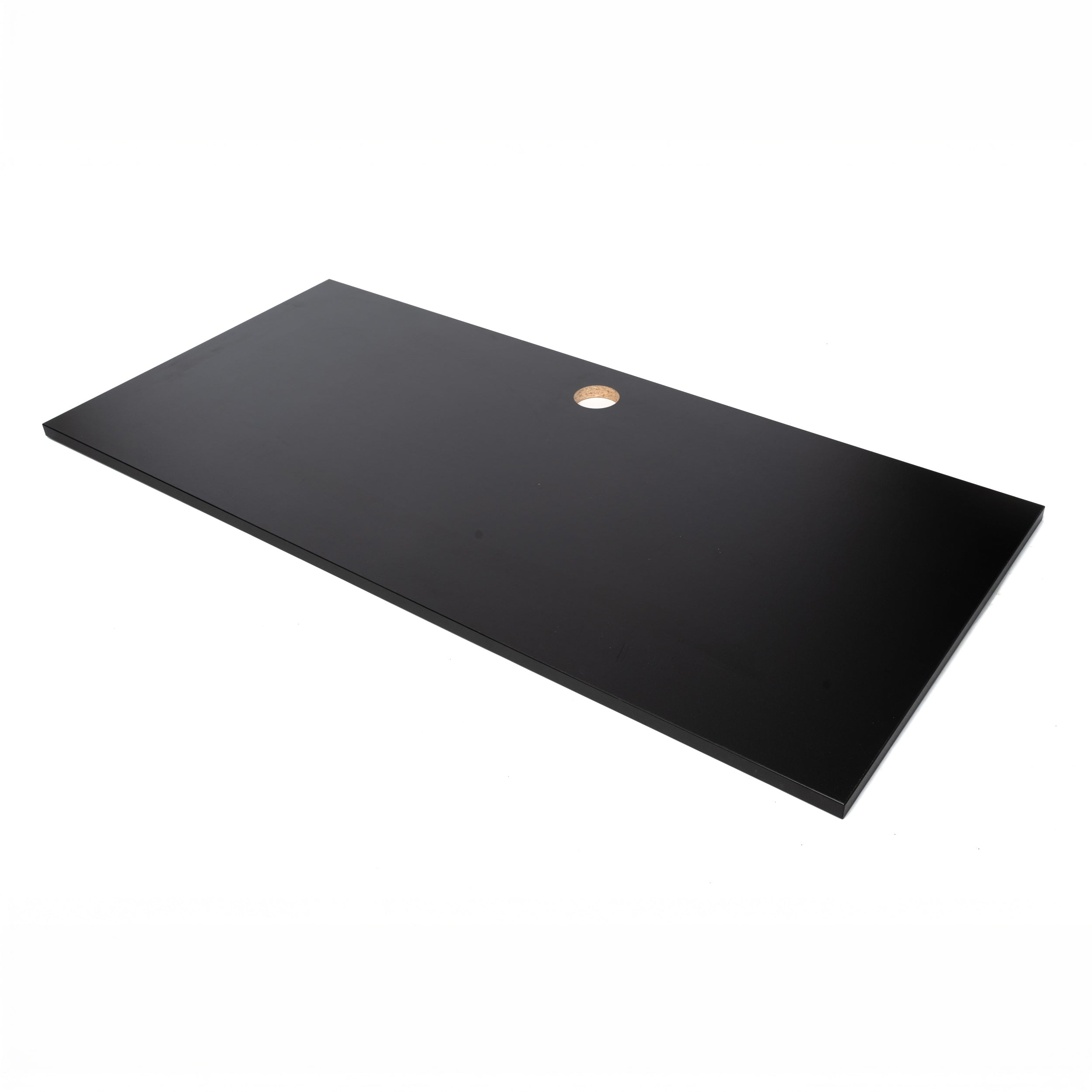
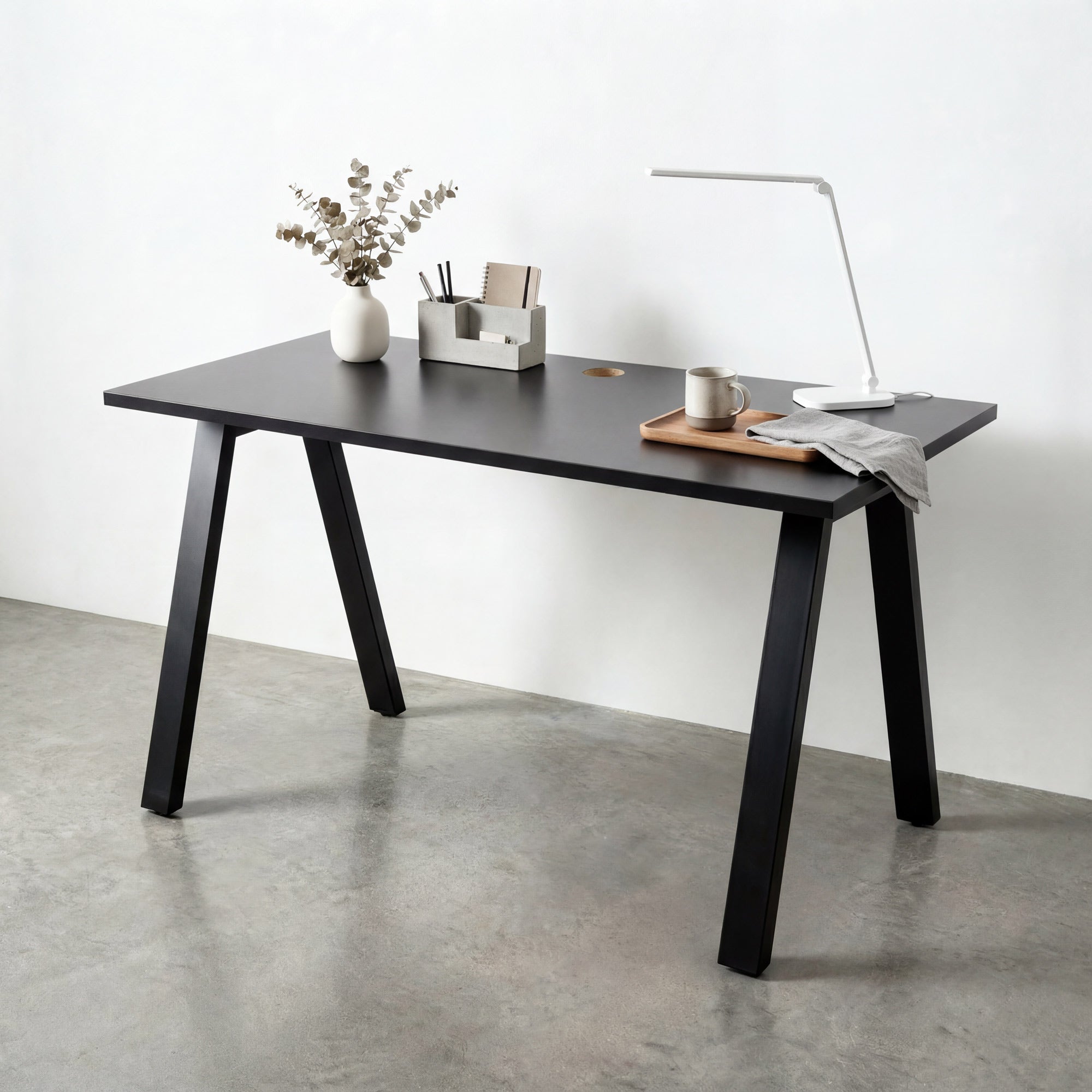
  • Formica: Formica surface on a birch plywood core. White or pewter grey. Wipe-clean.

By project

  • Desk tops: 120 × 60 cm. Single workspace.
  • Dining table tops: 180 × 80 cm. Seats six.
  • Bench tops: 120 × 34 cm and 150 × 34 cm. Narrow rectangles for dining benches, entryway benches, or console-style surfaces.

Solid wood or plywood

Two construction options across the range.

Solid oak is full-thickness European oak, with grain running all the way through. It can be refinished across decades.

Plywood is AA-grade Baltic birch with European oak, American black walnut, or Formica facings. The Birch range shows the core directly. The cross-bonded core stays dimensionally stable across humidity.

All mount directly to legs or a frame.

Sizing

Three rectangle sizes across the range, each available in every facing.

  • 120 × 60 cm: standard desk size.
  • 150 × 75 cm: generous desk or four-seat dining.
  • 180 × 80 cm: six-seat dining.

What you'll need

The tops ship undrilled. To mount legs you'll need a drill (3-3.5 mm bit for pilot holes) and a screwdriver. Screws come with the legs.

The Premium Drilling Kit bundles a depth-set 3.5 mm countersink bit and an automatic centre punch. Fits a top in a couple of minutes.

See all table legs, or pick by project: desk legs, dining table legs, bench legs.

FAQ

What is faced plywood?

Faced plywood is a structural plywood core with a decorative face on the visible surfaces. The core does the engineering work (load, stability, strength); the face carries the visual character. Hairpin's tops use an AA-grade Baltic birch core with four facing options: oak or walnut real wood veneer, white or grey Formica HPL (high-pressure laminate), or the AA-grade birch face sanded smooth and finished. The wood veneer is solid timber bonded to the core, and the Formica HPL is a resin-based laminate, not foil, paper, or melamine. Edges are chamfered 1.5mm, sanded smooth, and sealed with hard wax oil as the final step.

How does plywood compare to solid wood as a tabletop?

Plywood and solid wood are both honest furniture-grade choices with different trade-offs, not better-or-worse. AA-grade Baltic birch is stiff and flat enough at 25mm to skip the traditional skirt or apron, giving a more modern look and better legroom. It also moves less with humidity than solid timber, so the top can mount directly to legs without floating fixings like S-clips. Solid wood remains the right call for heirloom-grade tables you'll re-sand and refinish over decades, especially in a rustic style. Faced plywood is the cleaner, modern feeling alternative.

Can I get a custom-size table top?

A competent DIYer can cut most tops down at home with the right tools. A circular saw or track saw works for table-size panels; a chop saw handles narrow tops cleanly. After cutting, sand the edge smooth and refinish with Osmo Polyx-Oil 3032 (Satin) to match the rest of the top.

If you'd rather not cut it yourself, get in touch. We offer a simple cut-down service: straight reductions only, not bespoke fabrication.

Is plywood strong enough for a dining table, desk, or bench?

Yes. AA-grade Baltic birch at 25mm is strong enough for any standard dining table, desk, or bench span Hairpin sells. The ply is stiff enough on its own; L-channel stiffening bars (sold separately) add extra rigidity for certain use cases. For tables, bars are worth adding on heavy desk setups where vibration could move a large monitor, or on dining tables at 180cm+ for extra stiffness. For benches, we recommend bars on every length: plywood handles the load alone, but bars make the bench feel rock solid when you sit down.

How thick should plywood be for a tabletop?

25mm is the right thickness for Hairpin's tops. It's a common ply size, thick enough that screws bite securely into the underside, and stiff enough on its own for most table, desk, and bench builds. Going thicker does add stiffness, but at the cost of much more weight per unit of stiffness gained, and ply gets harder to transport and handle. When extra stiffness is wanted (longer dining tables, heavy desk setups, or benches with regular heavy load), L-channel stiffening bars are the more efficient answer. A bar adds the stiffness needed without the extra weight (and material cost) of going thicker. For most builds one bar is enough; on a 180cm bench expecting heavy users, two bars down the centre is the right call.

Can't find your answer? Contact us.