




A table can look great and still feel weak if the top flexes, because even the strongest legs can’t compensate for a surface that bends under weight. That’s why you need to know how to brace a table top if you’re going to build furniture.
Table bracing is of the utmost importance for anything you’ll eat, work, or lean on. It’s really not all that complicated, though. If you’ve discovered that your tabletop needs bracing, it’s as simple as choosing between a steel or wooden brace and figuring out where to place it on the tabletop.
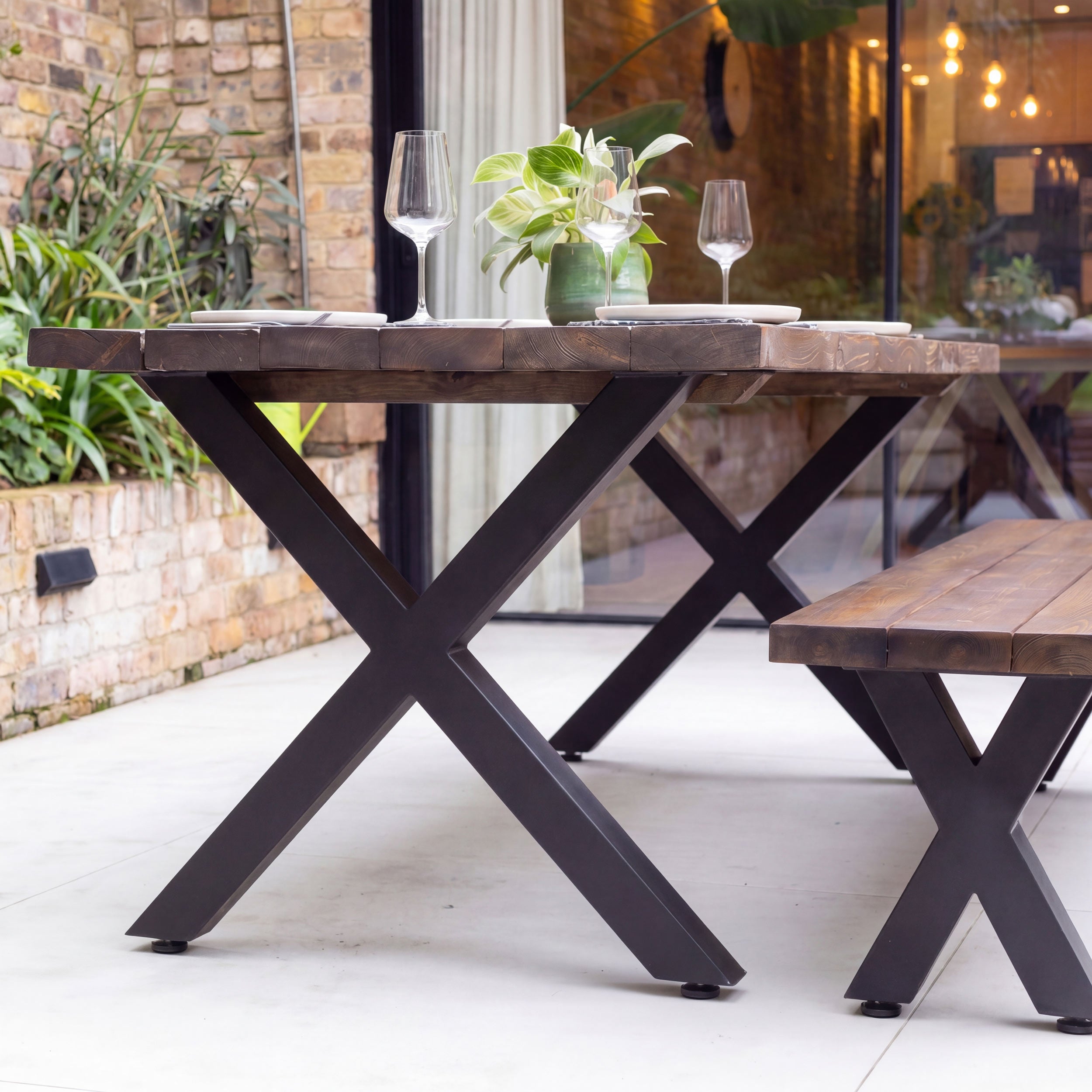
We’ll break down each step in detail below, but you’ll get the best results when the top is paired with the right legs - and we can help you with that, too. The Hairpin Leg Co. stocks the best selection of metal table legs and wooden table legs in the UK, made with makers in mind.
Whether you prefer hairpin legs or industrial table legs, you’ll find the perfect fit for your project here in our online storefront. Shop now or get in touch for a personalised recommendation.
“Easy to order on the website. My queries were answered swiftly and to my satisfaction. Product arrived well packaged and on time. Very pleased with how the legs look!! The dining table I’ve had for 40 years is transformed!!” - Annette
“Easy to order, quick delivery and the legs are of great quality. Apparently, they were easy to install to the desk top and they look great! Very happy.” - Judith
“The Hairpin Leg Co. is far and away the best source of this type of table legs that I have found. Their variety of colours is wonderful, quality top notch, and their service is fantastic.” - Peter
The Importance of Table Bracing
Table bracing involves adding support that stops a top from flexing when weight shifts across it. A thin or oversized top can bend enough to make the whole table feel loose, even with strong legs - especially when people lean on the edge or push off to stand up.
Bracing stiffens the underside so the load is spread across the full surface instead of concentrating in one weak point. It’s not always necessary, though. It’s usually only needed when the top is long, wide, made from soft timber, or built from boards that aren’t rigid enough.
How to Brace a Table Top: Step-by-Step Guide
Table bracing comes down to adding the right support in the right place so the surface can’t flex under load. The same rules apply whether you’re working with solid timber, construction lumber, or a large glued-up panel:
- Check what you’re starting with.
- Decide how much extra stiffness you need.
- Fit a brace that works with the material rather than against it.
It’s really that simple! Here’s how to brace a table top.
Check Whether Your Top Needs Bracing
Let’s make sure your tabletop actually needs bracing in the first place. Assess these 3 things:
- Thickness
- Width
- Span
A hefty hardwood board might stay rigid without help, but thinner softwood or anything wider than about 800-900 mm will likely need more support.
Press down on different areas of the panel before fitting the legs. Do you feel movement with moderate pressure? That’s a telltale sign that table bracing will make a noticeable difference.
Note: The wider the overhang at the ends, the more likely the table is to flex.
Choose the Right Bracing Method
There are a few ways you can learn how to brace a table top. Think about the ideal look and the tools you have at your disposal.
Steel bracing is the cleanest option because it sits flat, adds huge stiffness, and doesn’t interfere with leg placement. On the other hand, wooden bracing is easier to source but often bulkier since you need more wood to get the same stiffness.
A full wooden skirt is the most traditional method. It works extremely well for large dining tables. However, it will change the profile of the piece, getting in the way of legroom, especially if it sits too deep. We’ll walk you through each option below:
Option 1: Install a Steel Box Section or Angle Iron Brace
Steel support is the best way to take flex out of a top. Choose a length of box section or angle iron between 25 mm and 50 mm and fix it along the underside of the table, running with the grain.
One brace is usually enough for narrow tops, while wider panels may need two. Drill pilot holes so the screws pull the steel tight without stripping the timber. Test the top again after fitting the brace. You’ll feel the increase in stiffness immediately.
Option 2: Add a Wooden Brace for Extra Support
A wooden brace follows the same idea but uses a timber strip rather than steel. Pick a straight length 50-100 mm wide and run it through the centre or slightly offset to avoid future leg placement. Screw it into place. Make sure it sits flat against the underside.
You can form a T-shape for added strength if you deem fit. Just add a narrower piece vertically. Just be aware that this method takes more time and needs accurate cuts to avoid gaps.
Option 3: Build a Wooden Skirt for Maximum Rigidity
A skirt sits around the perimeter of the table, tying the top together on all sides. We recommend this approach for solid wood dining tables where you want a very stiff surface.
Keep the skirt shallow enough for comfortable leg clearance. Otherwise, the table won’t be practical for people to actually sit at. Mitre the corners for a clean look and secure the skirt to the underside. Add a centre rail if the table is wide to stop the middle section from bowing.
Allow for Wood Movement in Every Fixing Point
Be aware that solid timber will move across the grain as moisture changes, so every brace needs to accommodate that. Slot your fixing holes or use hardware designed to move a little with the timber.
If you do lock the top in place with rigid screws along every edge, it can split as the seasons change. That’s the last thing you want.
Test the Table Before Fitting the Legs
That’s pretty much everything you need to know about how to brace a table top. But before you figure out how to install furniture legs, it’s worth taking a moment to confirm the table bracing is doing its job.
Press around the edges and centre of the top again. You should feel a tangible increase in rigidity. If not, you might need to add a second brace or rethink the placement of your original brace. It’s way easier to fix issues before the legs are fitted than after the table is assembled.
Find the Perfect Legs For Any Table Top at The Hairpin Leg Co.
A beautiful, practical table starts with a good top and ends with the right furniture legs. The Hairpin Leg Co. has you covered with both. This is your one-stop shop for table tops and table legs alike!
Since 2013 we’ve been empowering makers and DIYers alike with the best products the UK has to offer. Everything we make is constructed from premium materials with unparalleled attention to detail.
Our range covers all the different types of table legs, from slim, mid-century hairpin legs for lighter builds to heavier box-section frame legs that anchor wide, modern tabletops without racking. Everything is made to the same exacting standards and backed by our guarantee.
You’ll love how easy it is to bring your table to life, too. You get clean mounting plates, accurate hole placement and finishes that look sharp straight out of the box.
Whether you’re working with solid hardwood, plywood, or a reclaimed slab, you’ll find a leg style that fits the look and gives the table the stability it needs. Shop now or get in touch with our customer service team for a personalised recommendation!
Parting Thoughts on How to Brace a Table Top
That does it for our guide on how to brace a table top. Table bracing is often necessary for thinner tops that flex under weight and end up wobbling. It’s really simple, too, as you can see from our tips above.
Whether you choose steel, a wooden brace or a full skirt, the right support stops the top from flexing and helps the whole table stay steady. All that’s left to do now is get started! Source the essentials, from tabletops to table legs, at The Hairpin Leg Co. today.

Leave a comment
This site is protected by hCaptcha and the hCaptcha Privacy Policy and Terms of Service apply.