




Desk Legs
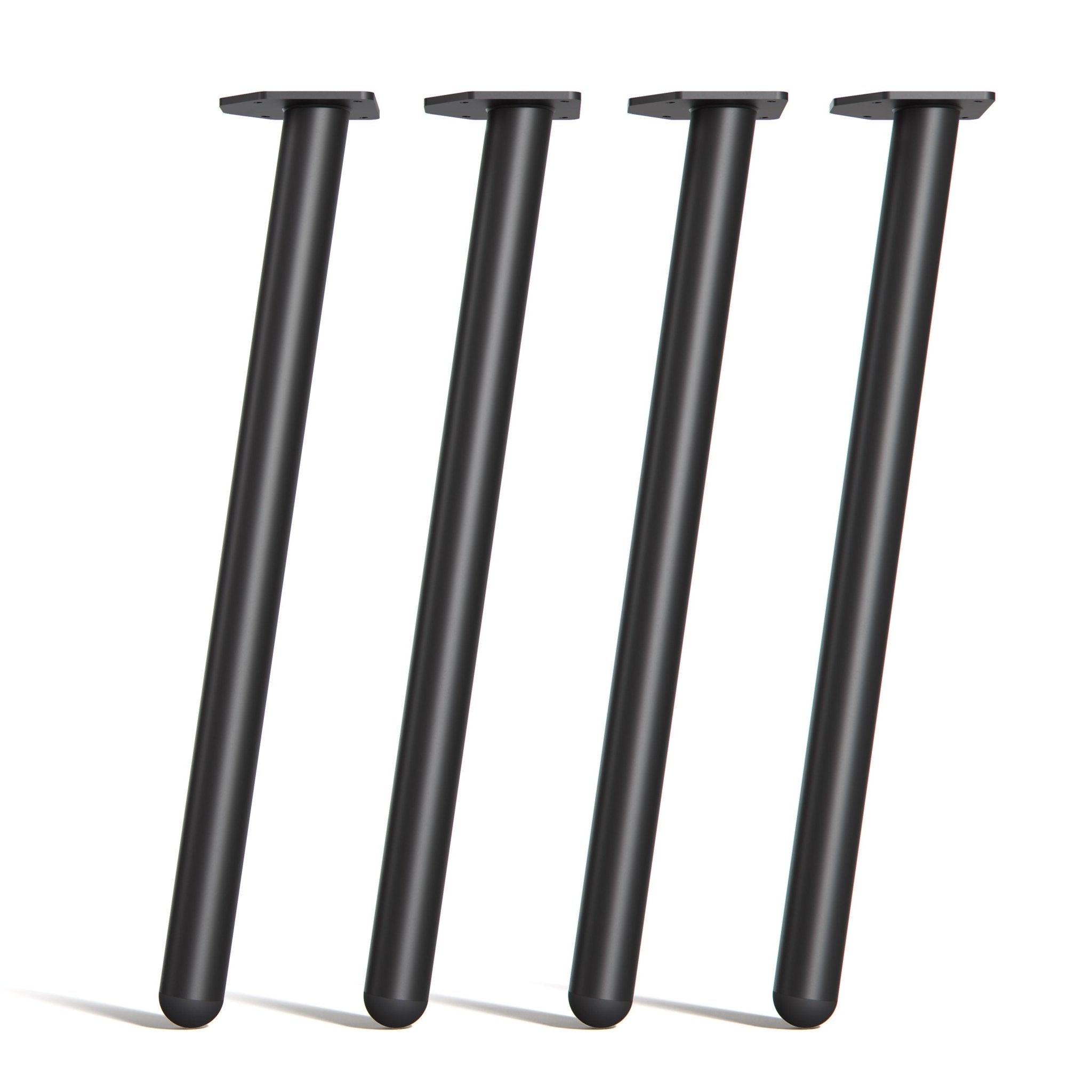
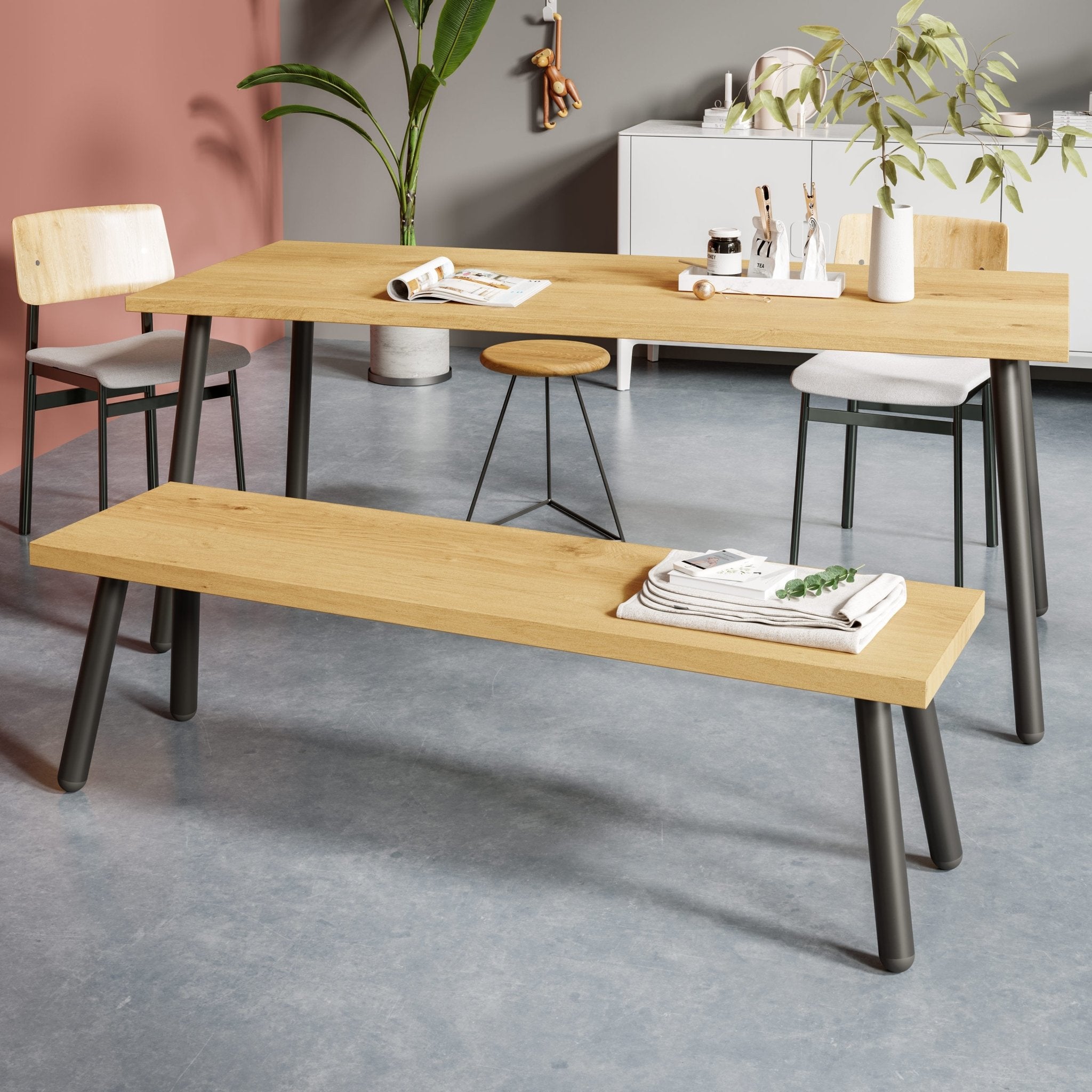
Desk legs at 71cm for a 73–76cm work surface with a 20–50mm top. Sets of 4 (hairpin, single-pin), box-section frame pairs, or Prism wall brackets for a floating desk.
Filters





Height and work surface
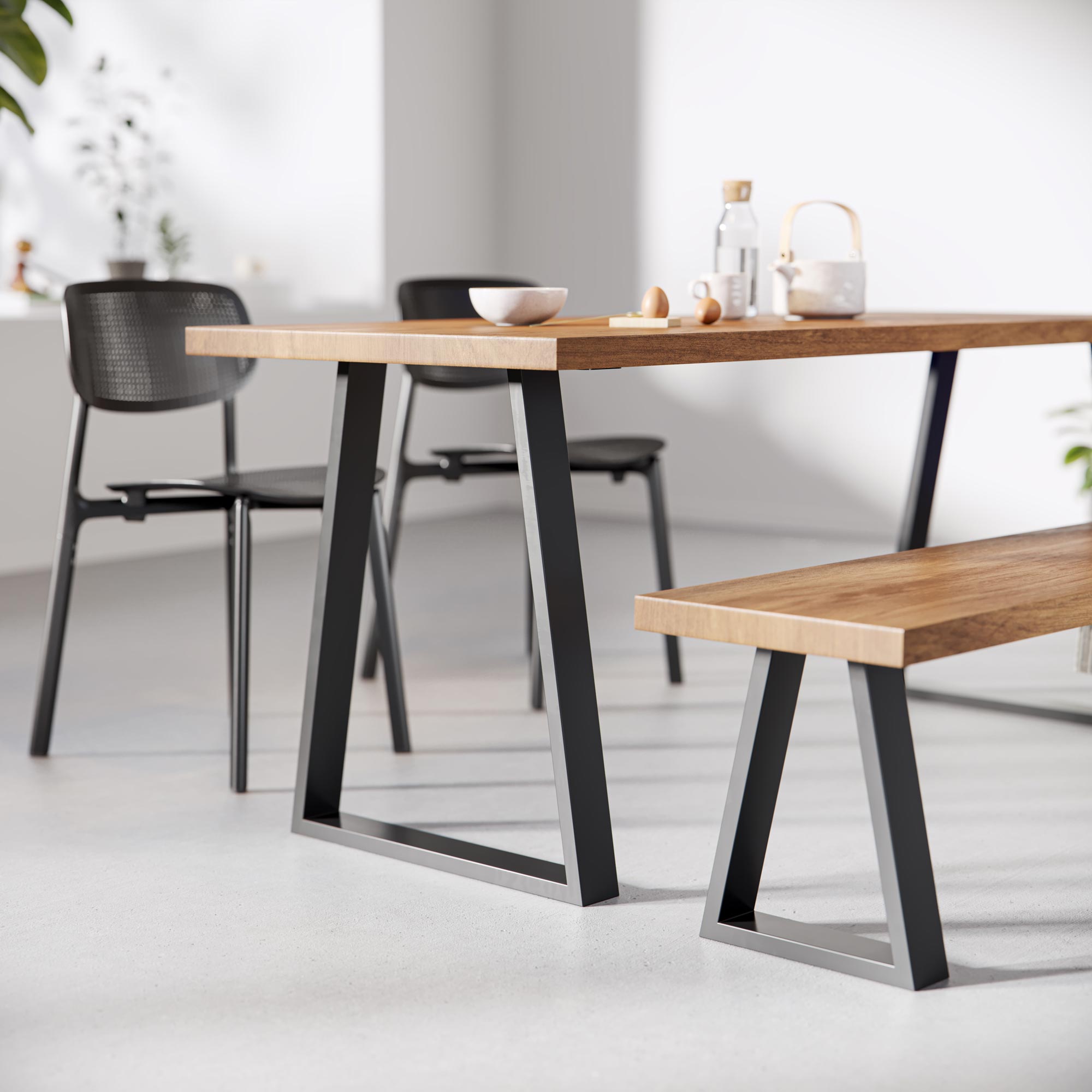
Every leg in this range is 71cm tall. Add a top of 20–50mm and you get a finished work surface of 73–76cm, the standard height for a desk used with an office chair. The legs set the height, but the size of the desk comes from the top. The leg style does not change how big the desk can be; the legs only need to support the weight.
Choosing a style
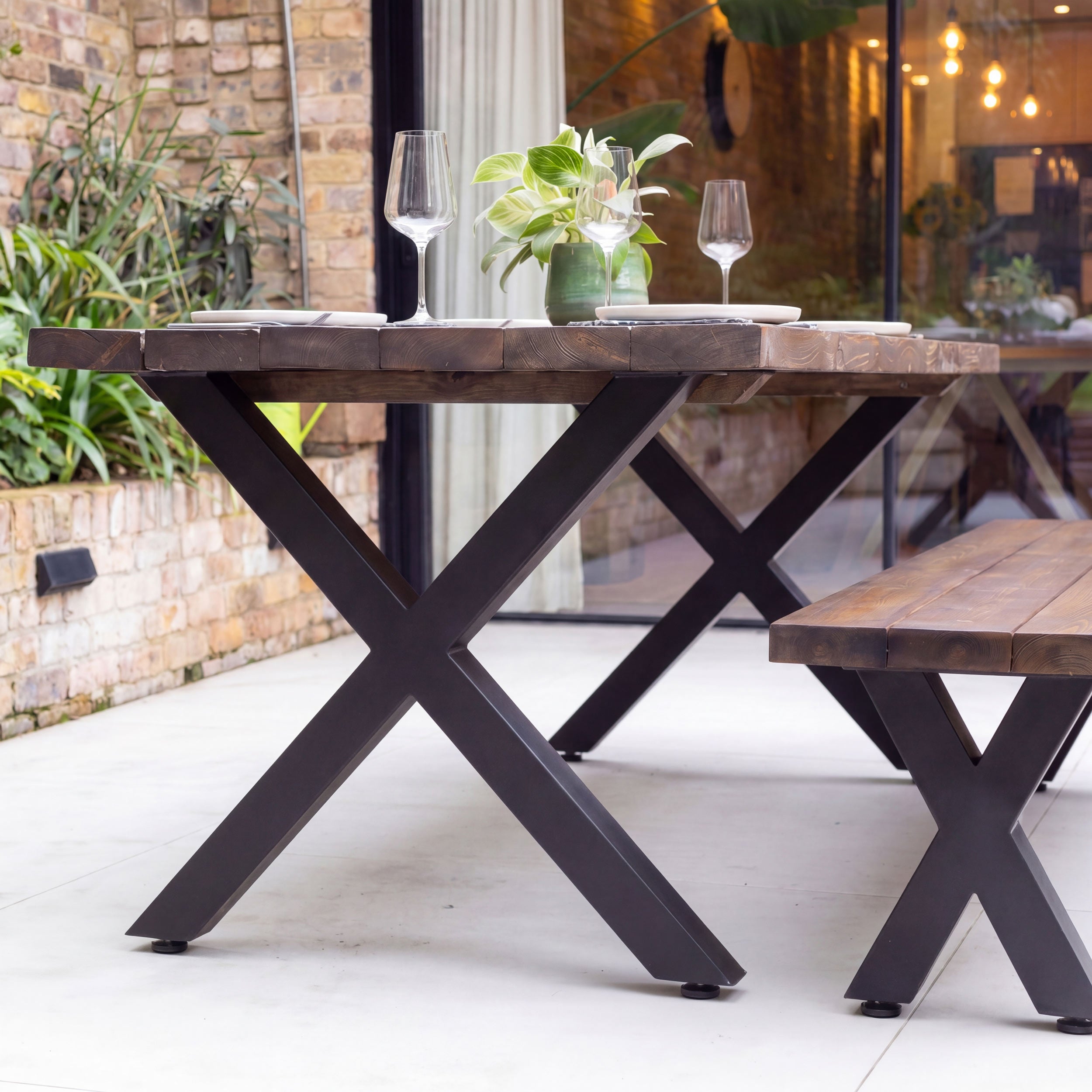
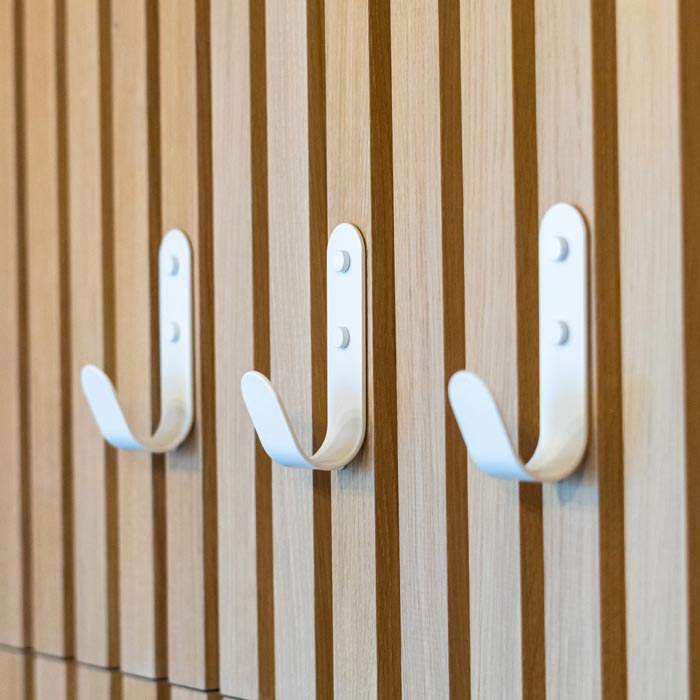
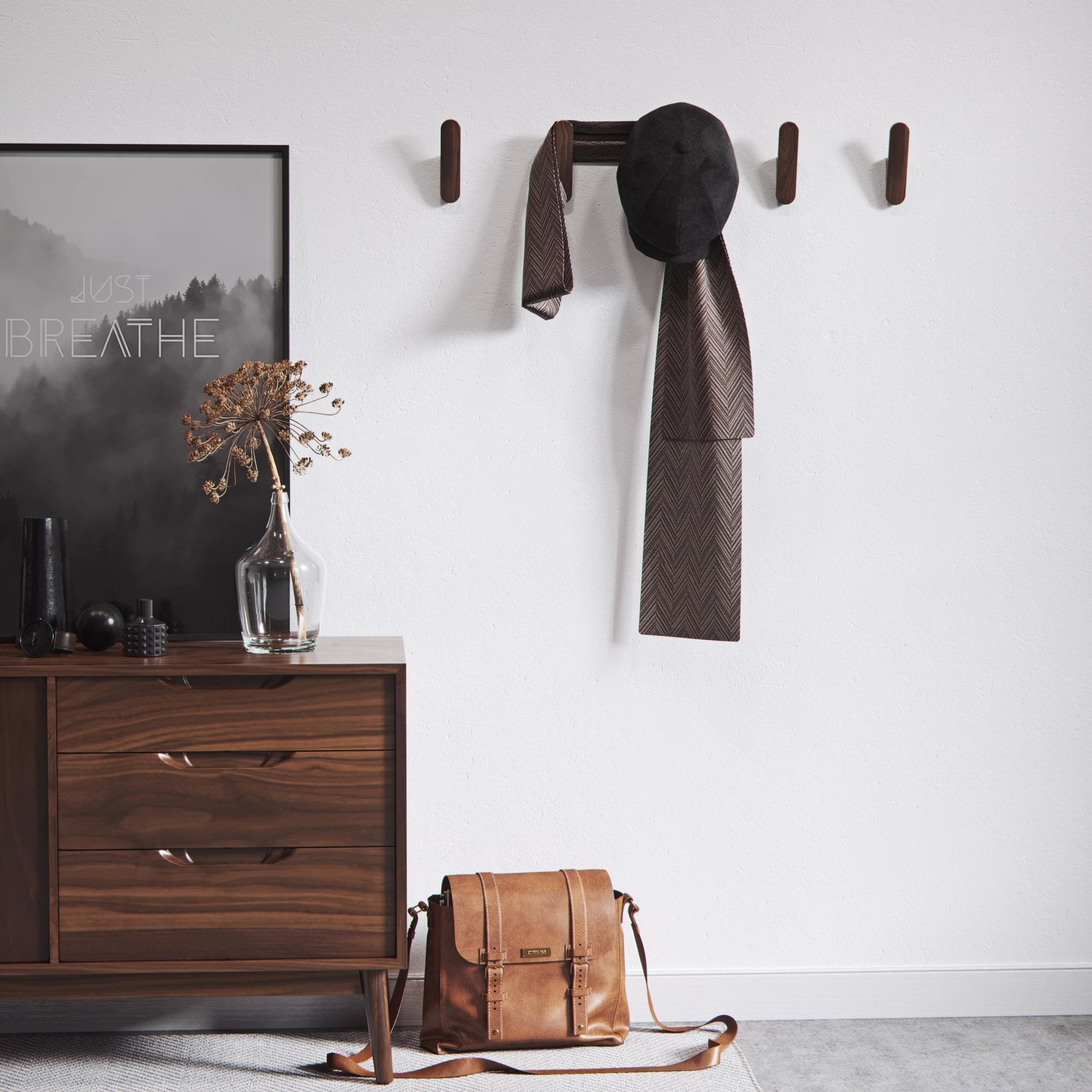
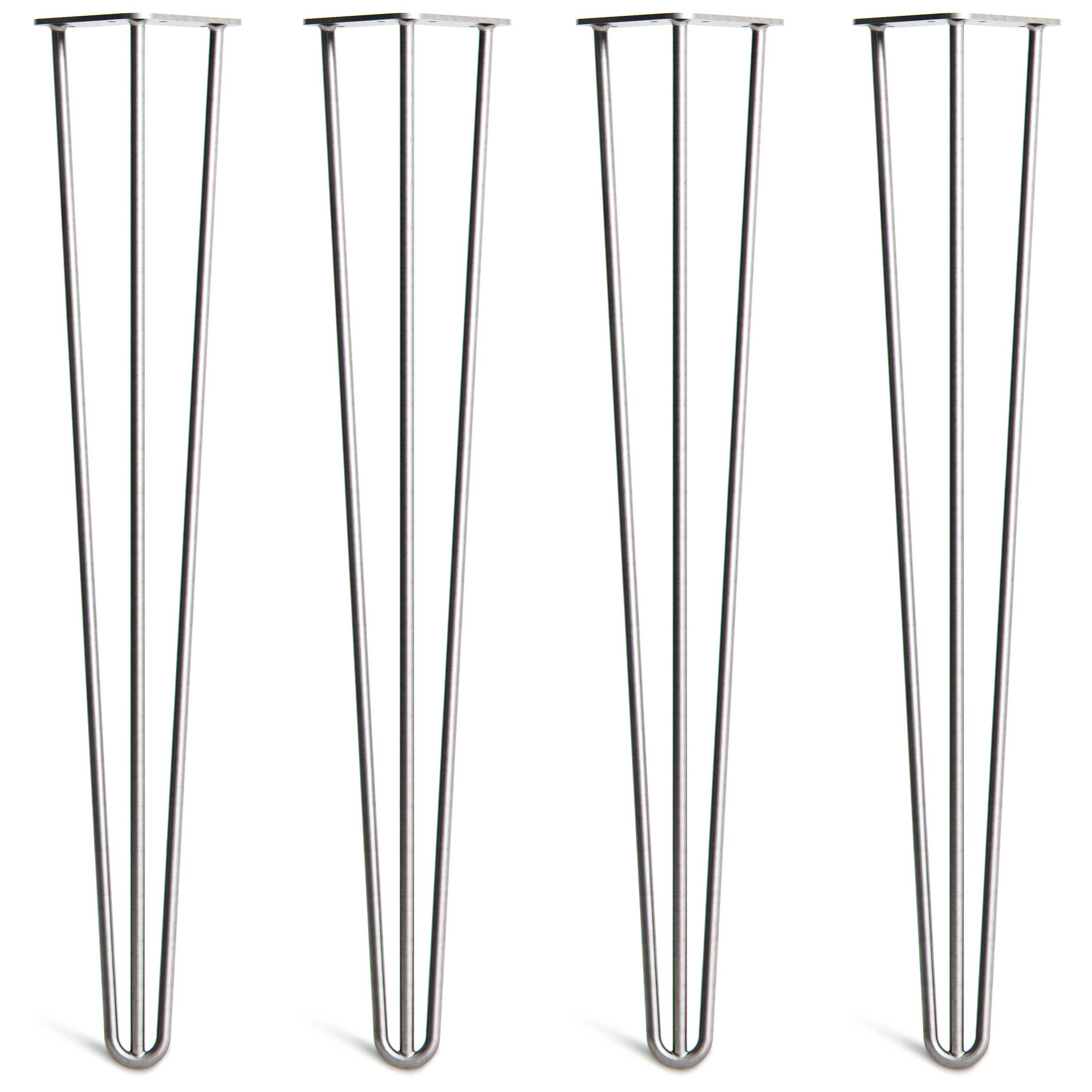
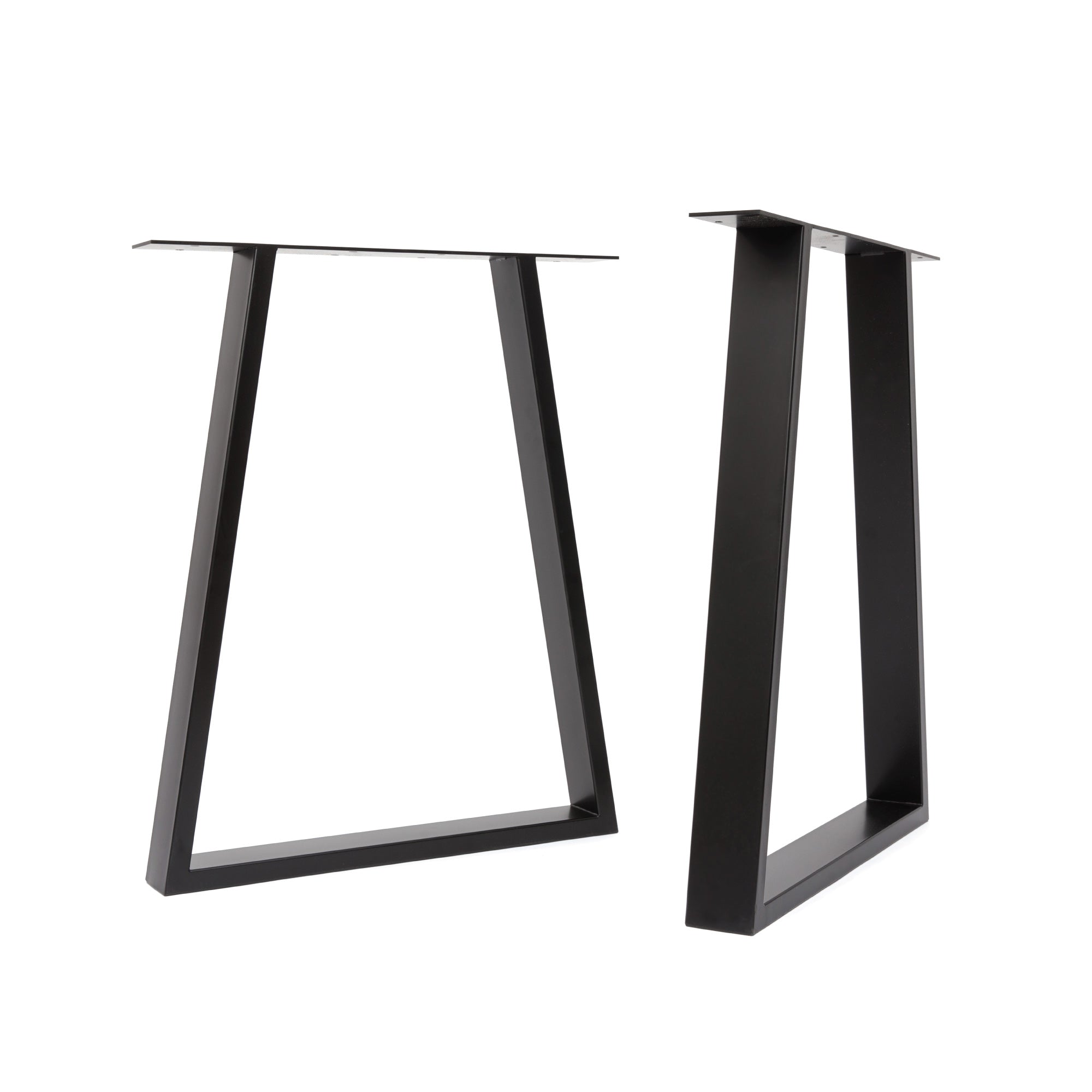
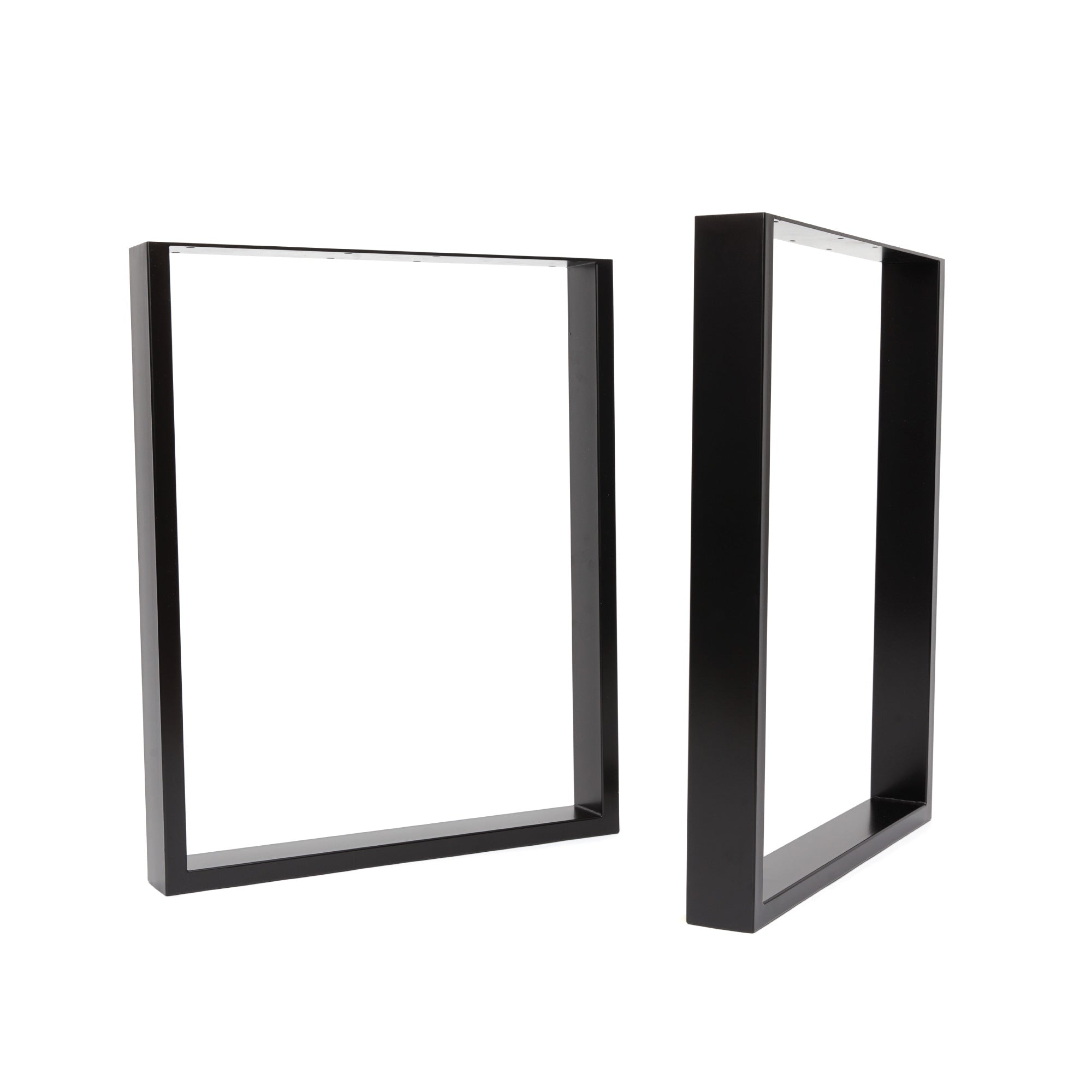
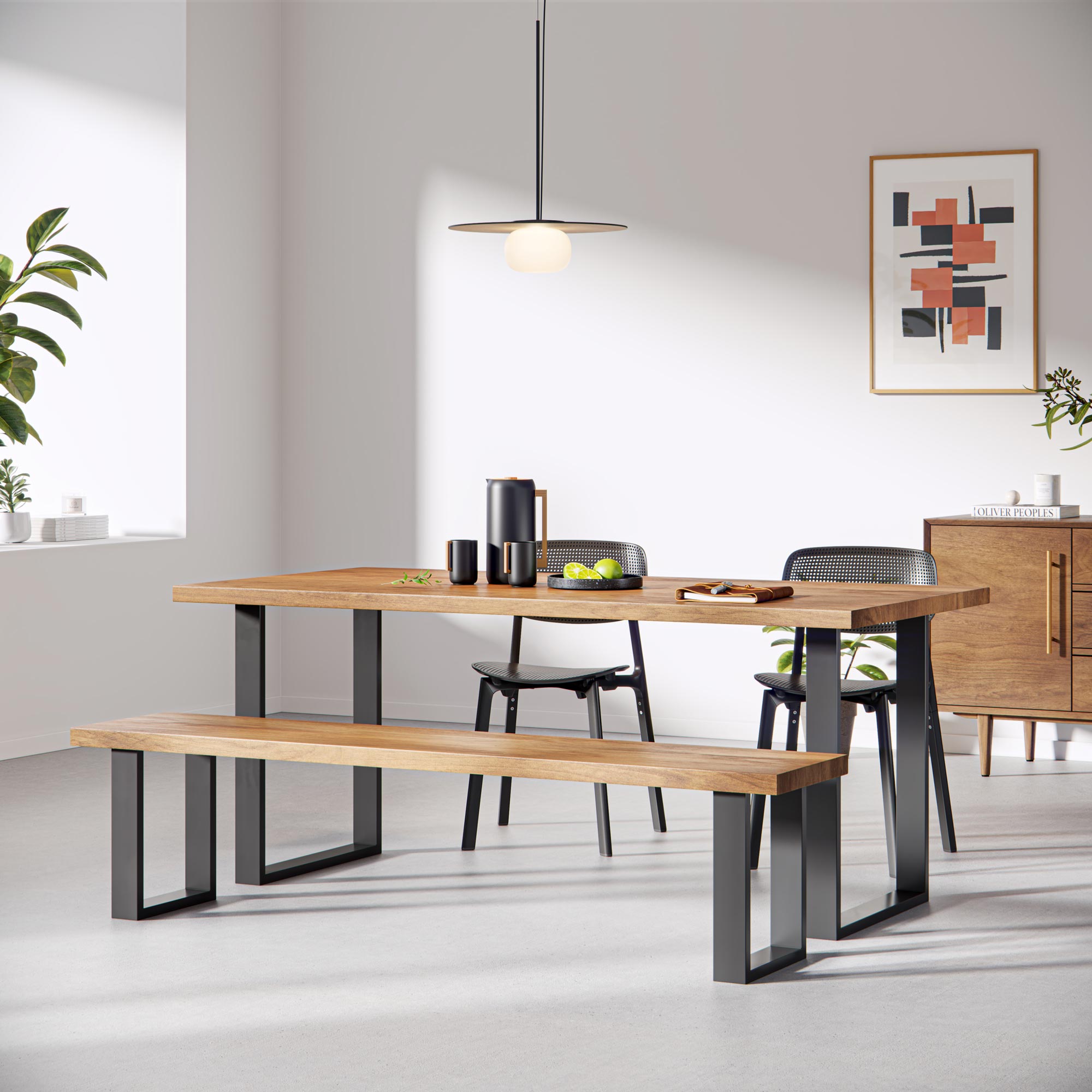
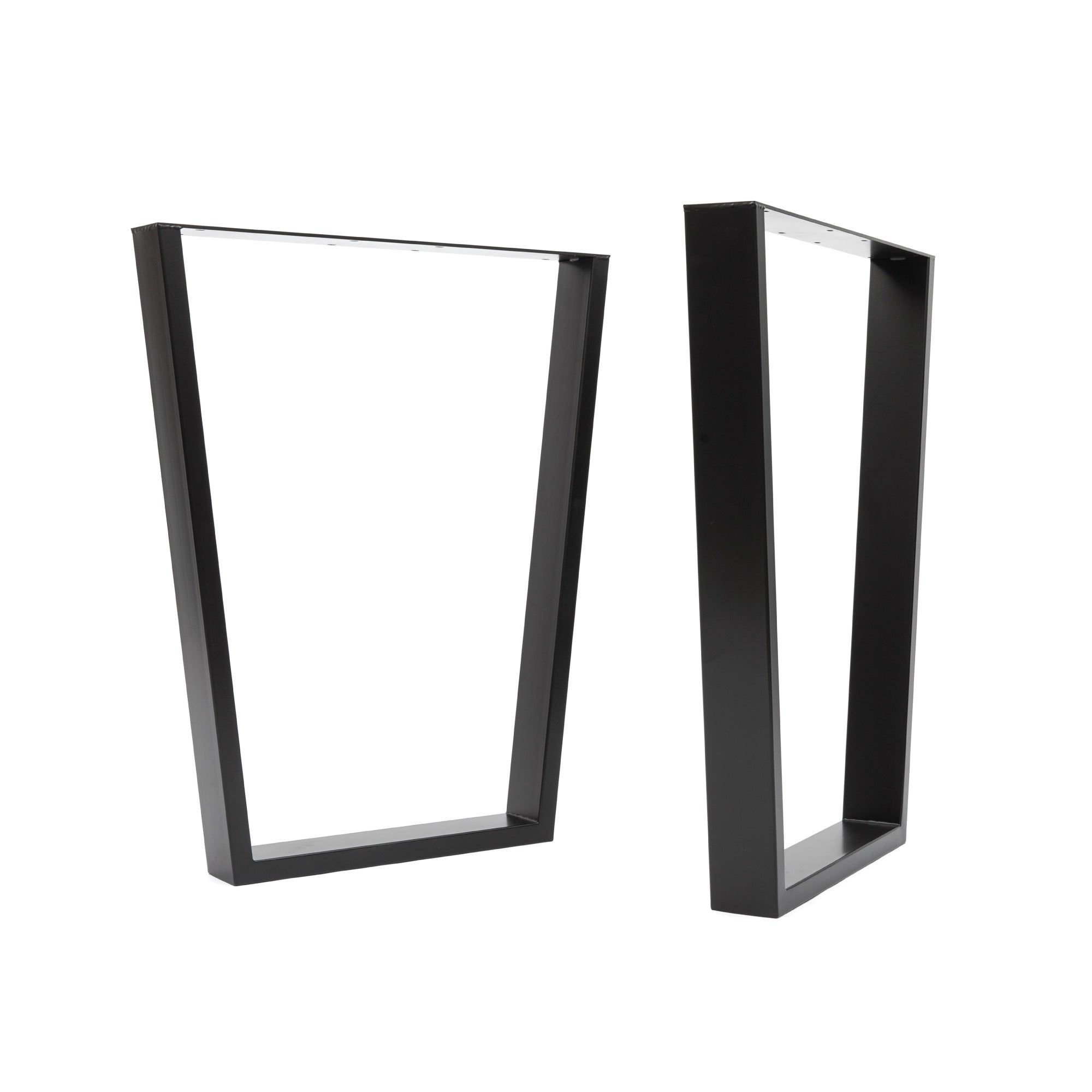
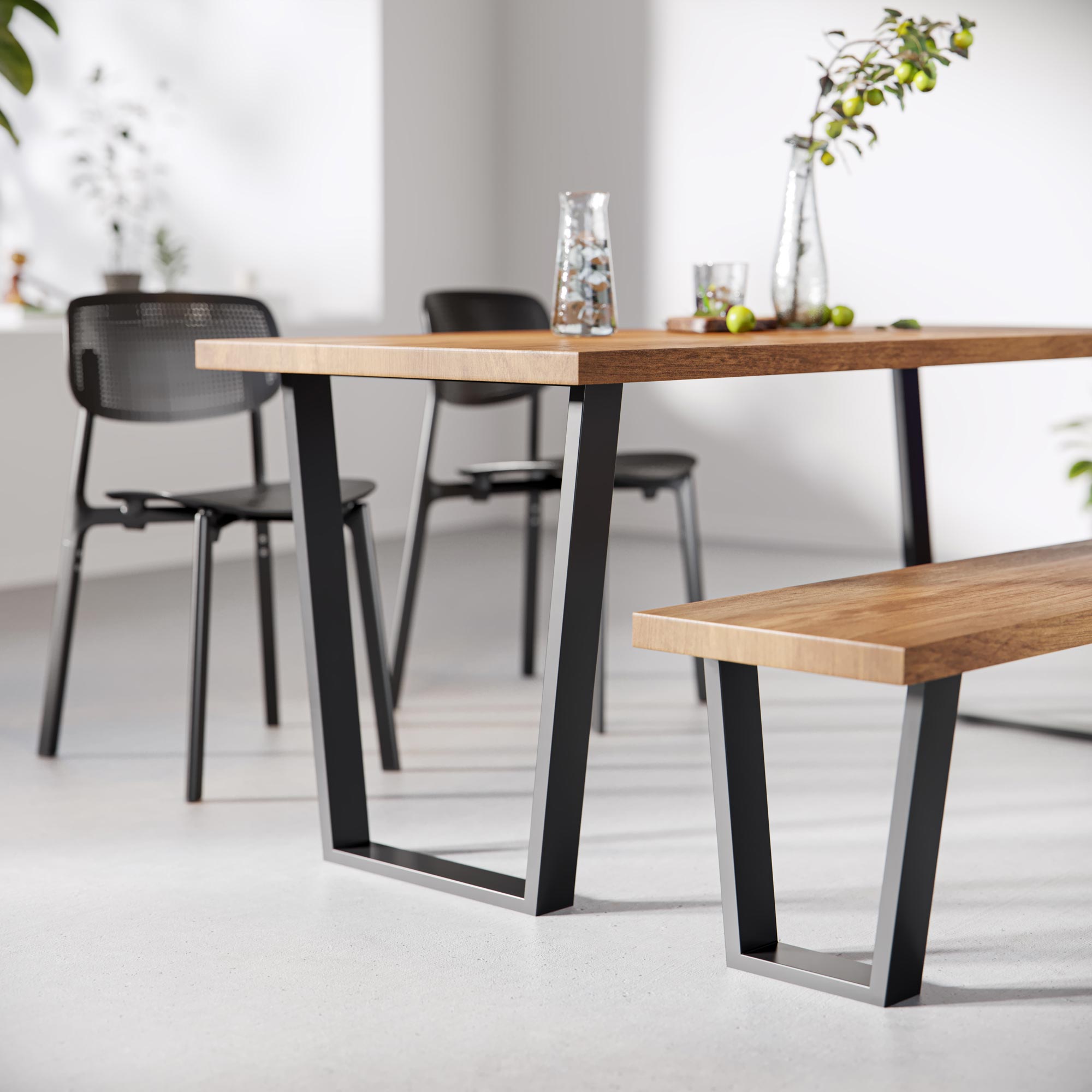
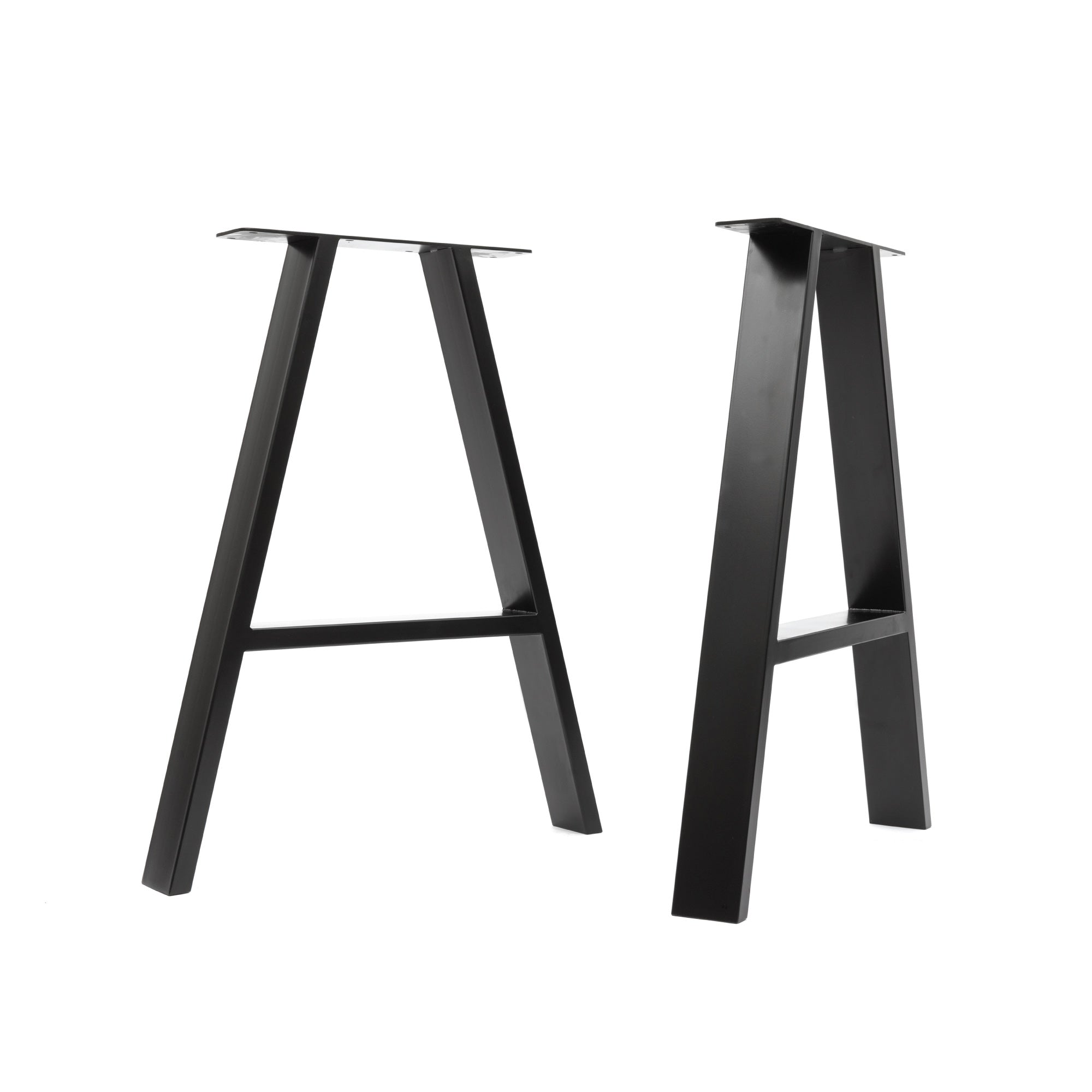
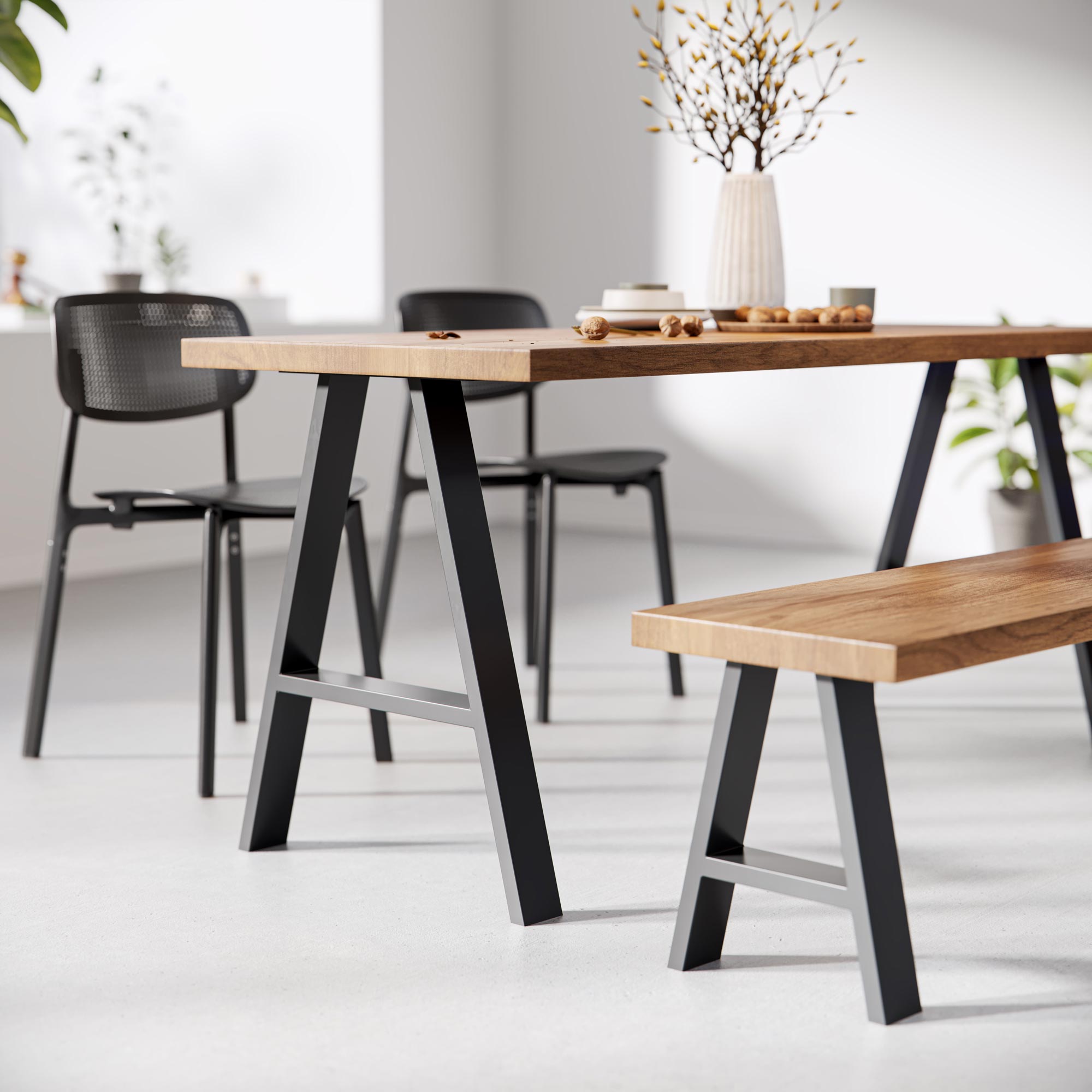
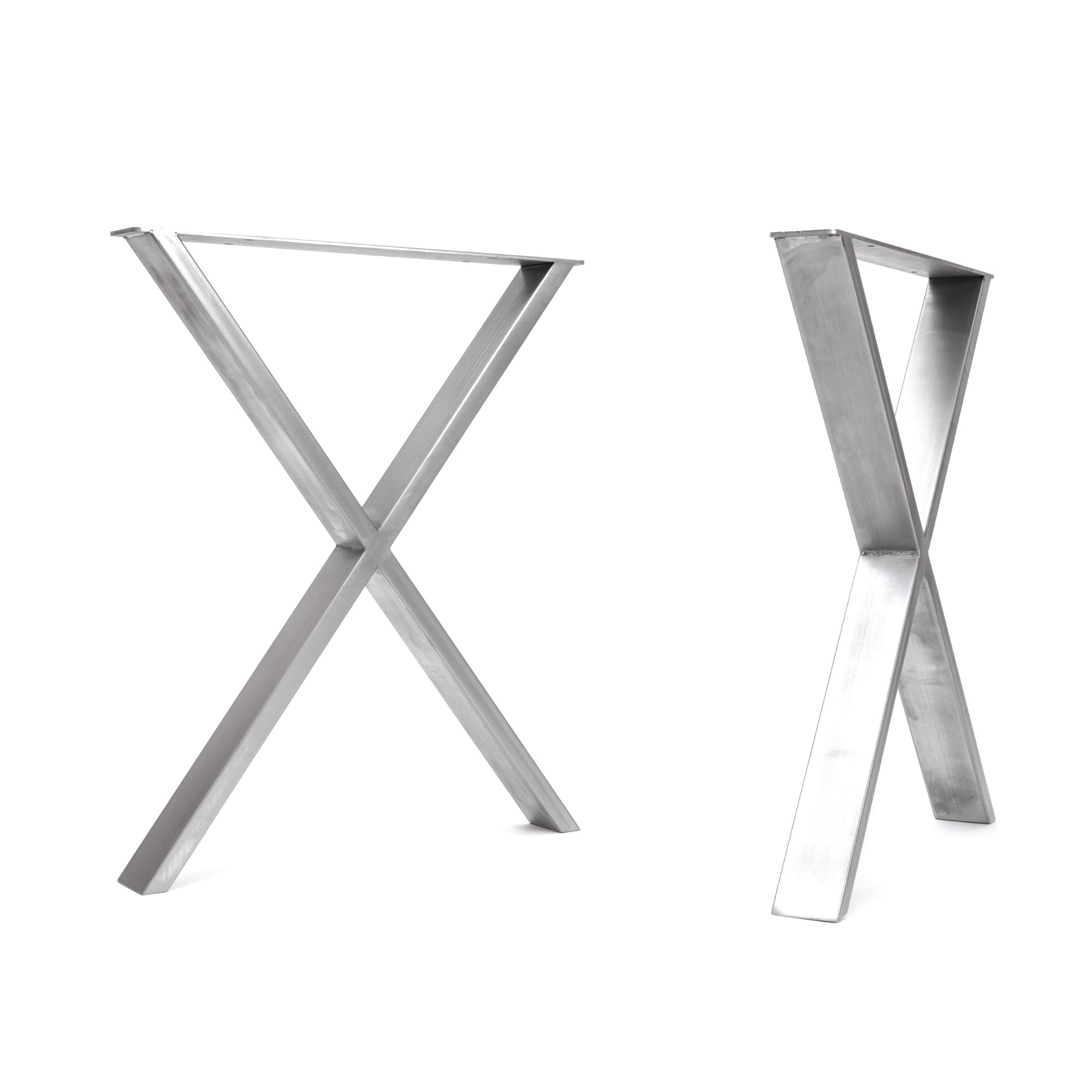
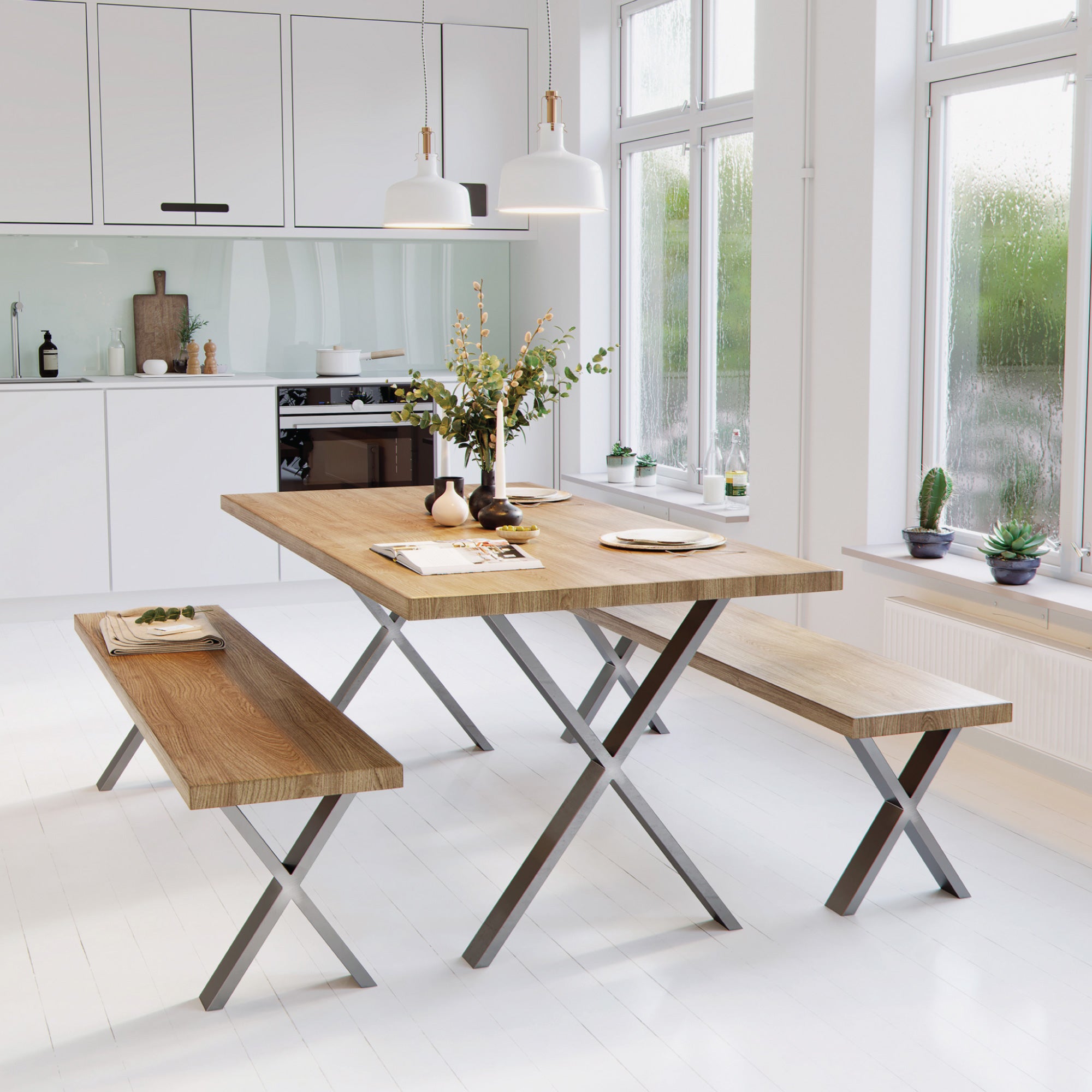
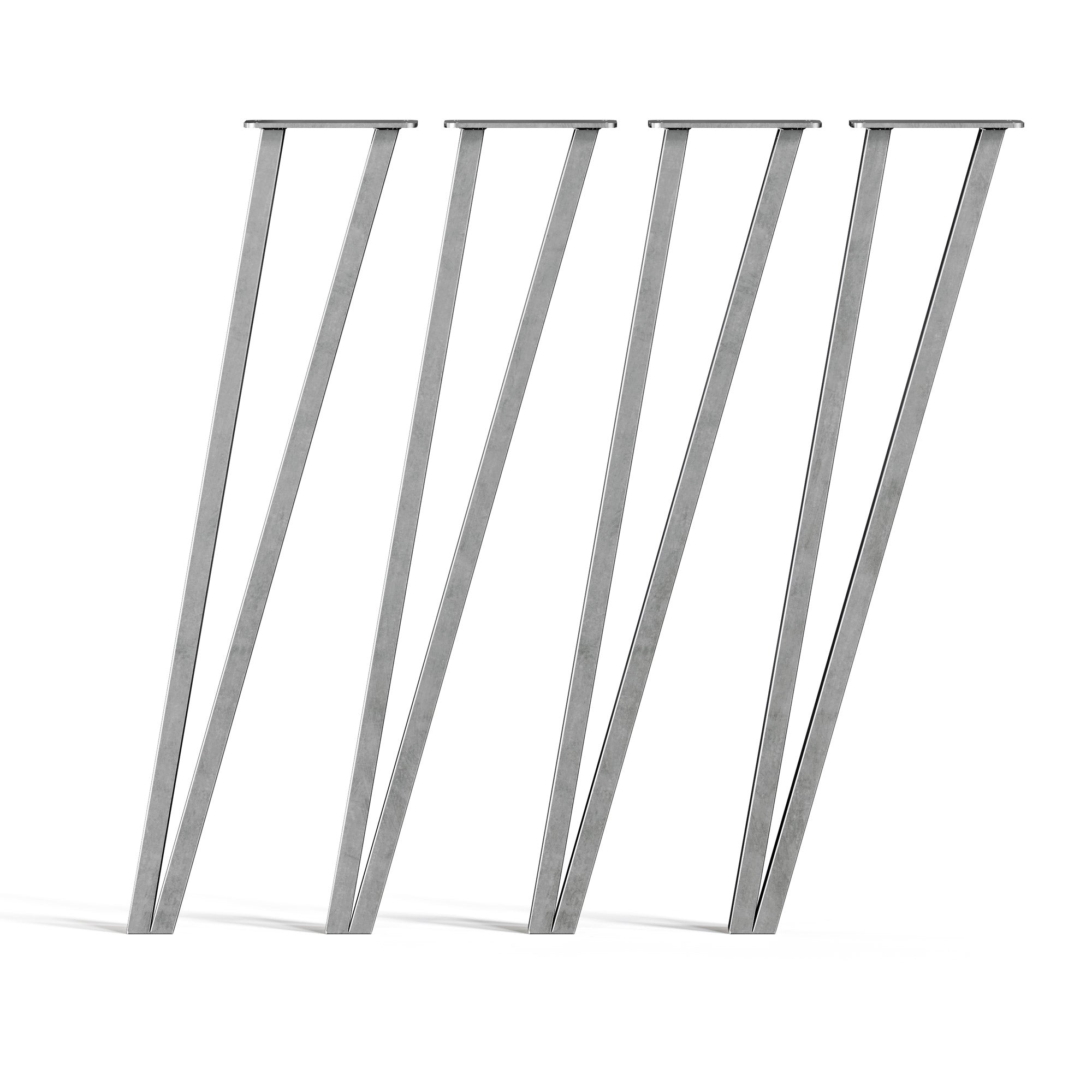
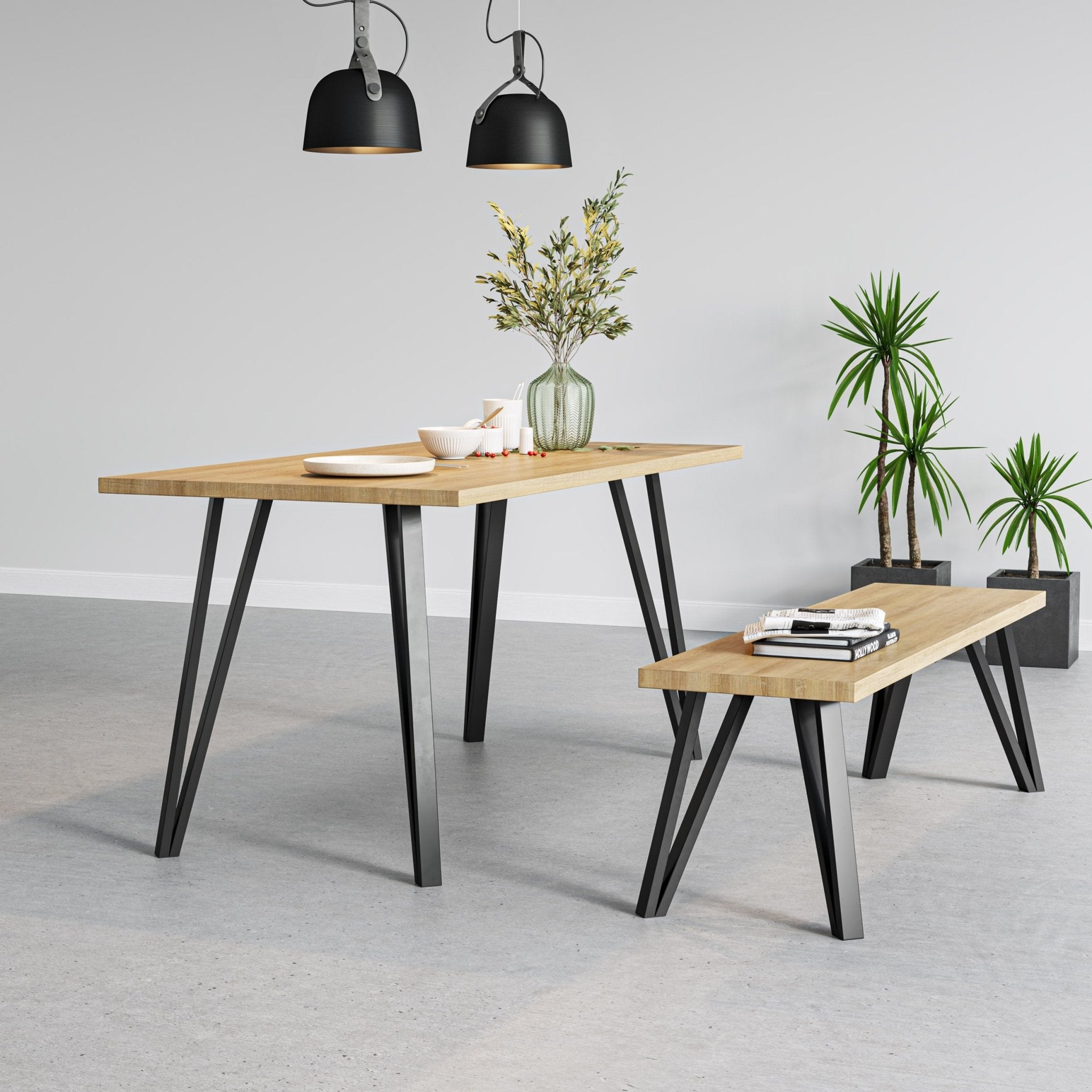
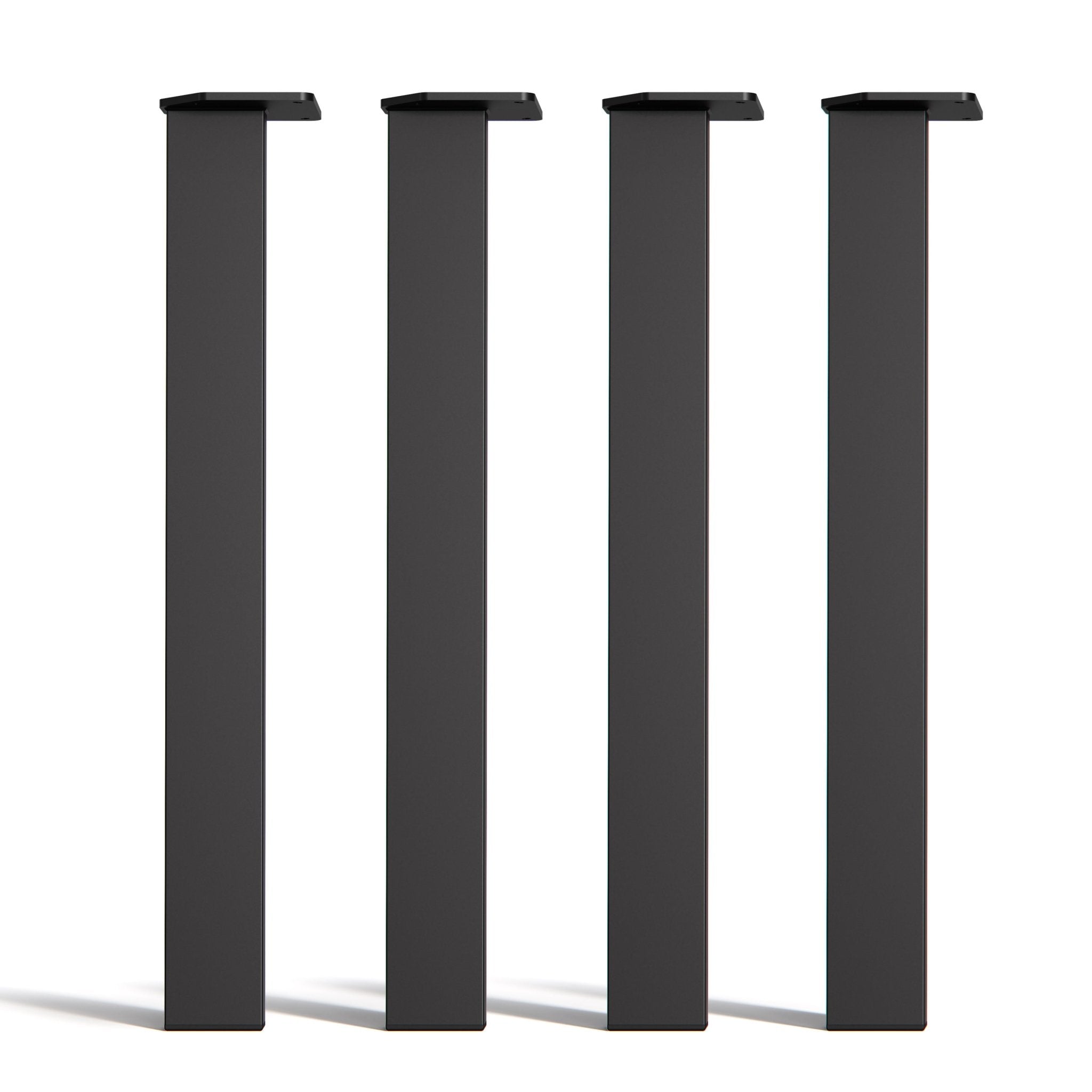
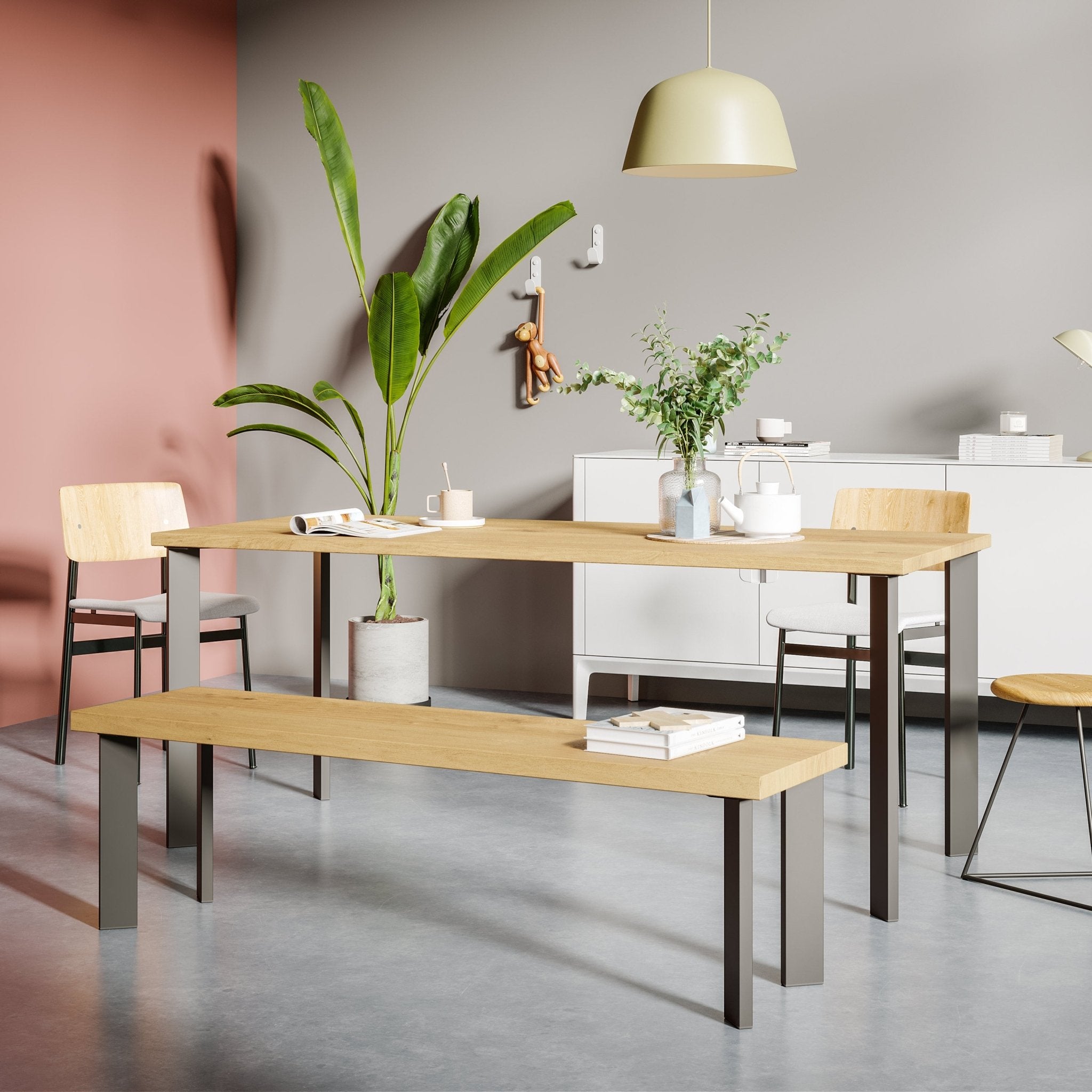
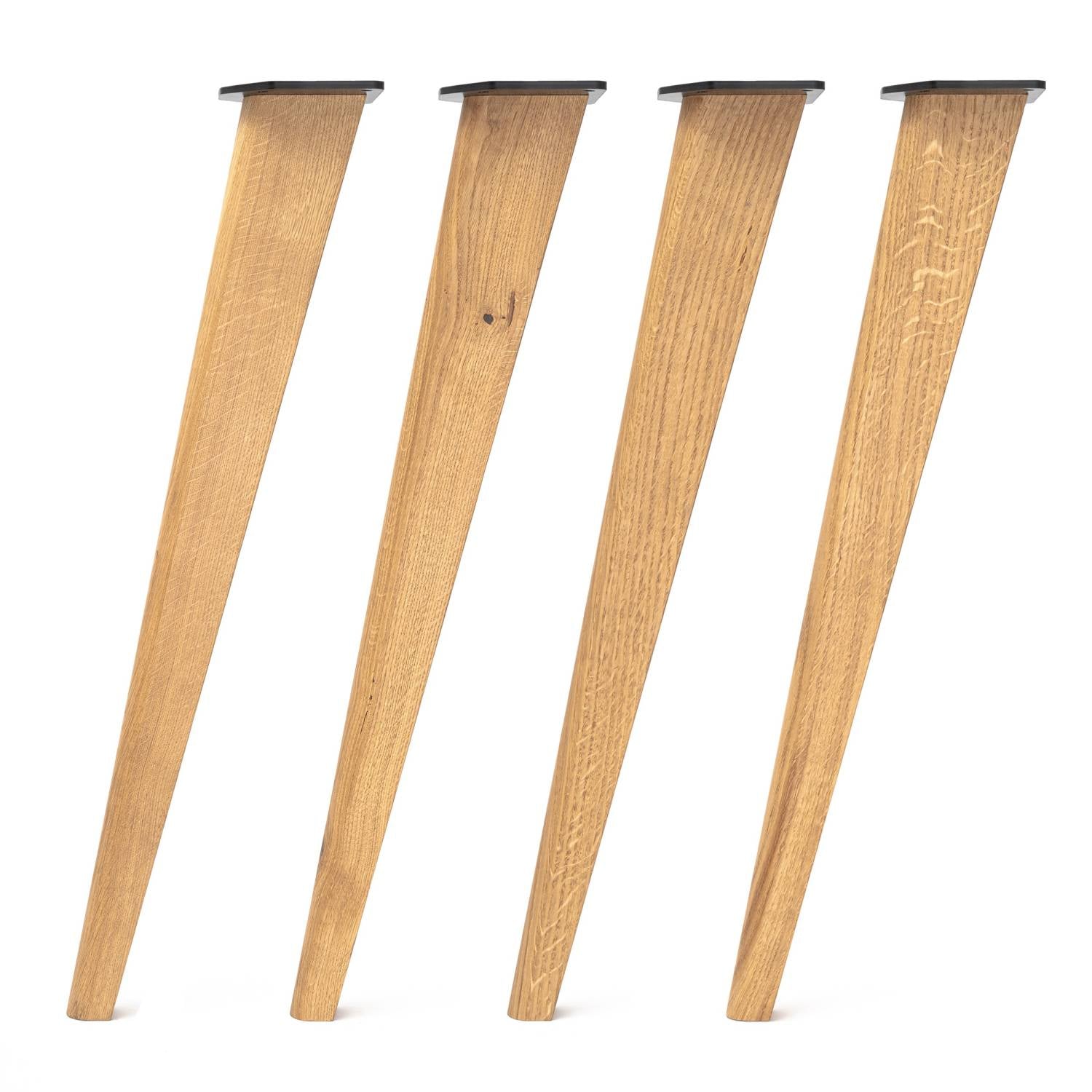
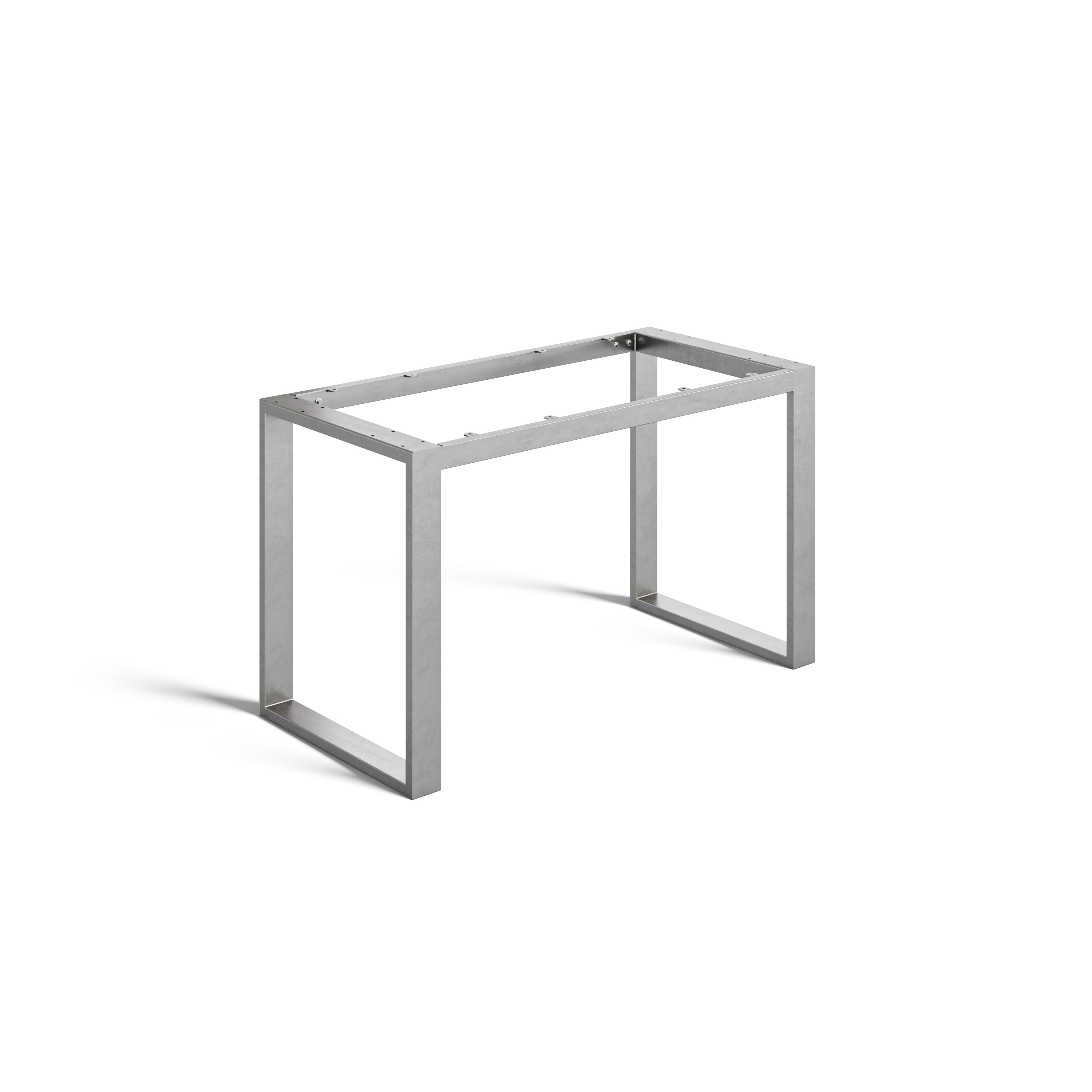
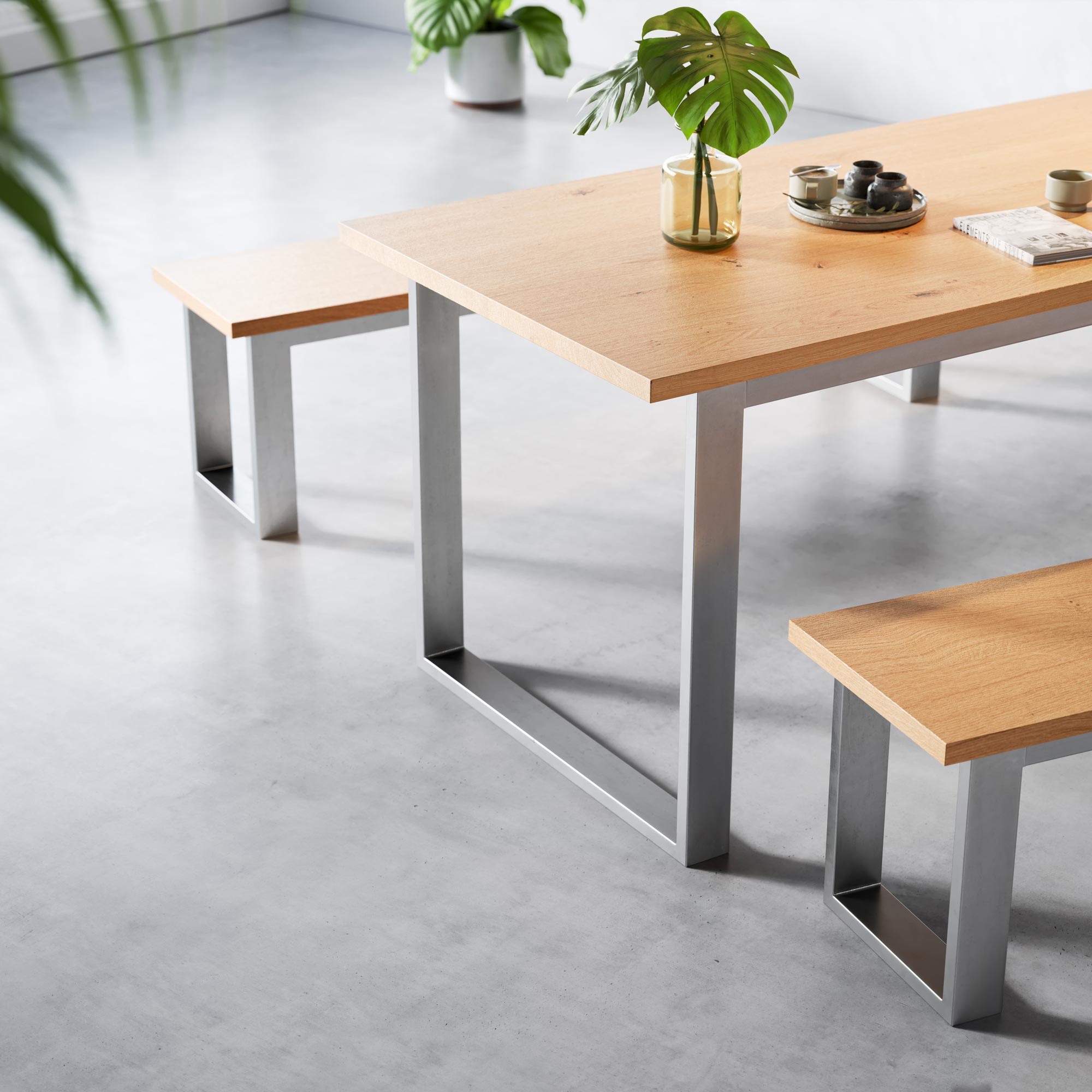
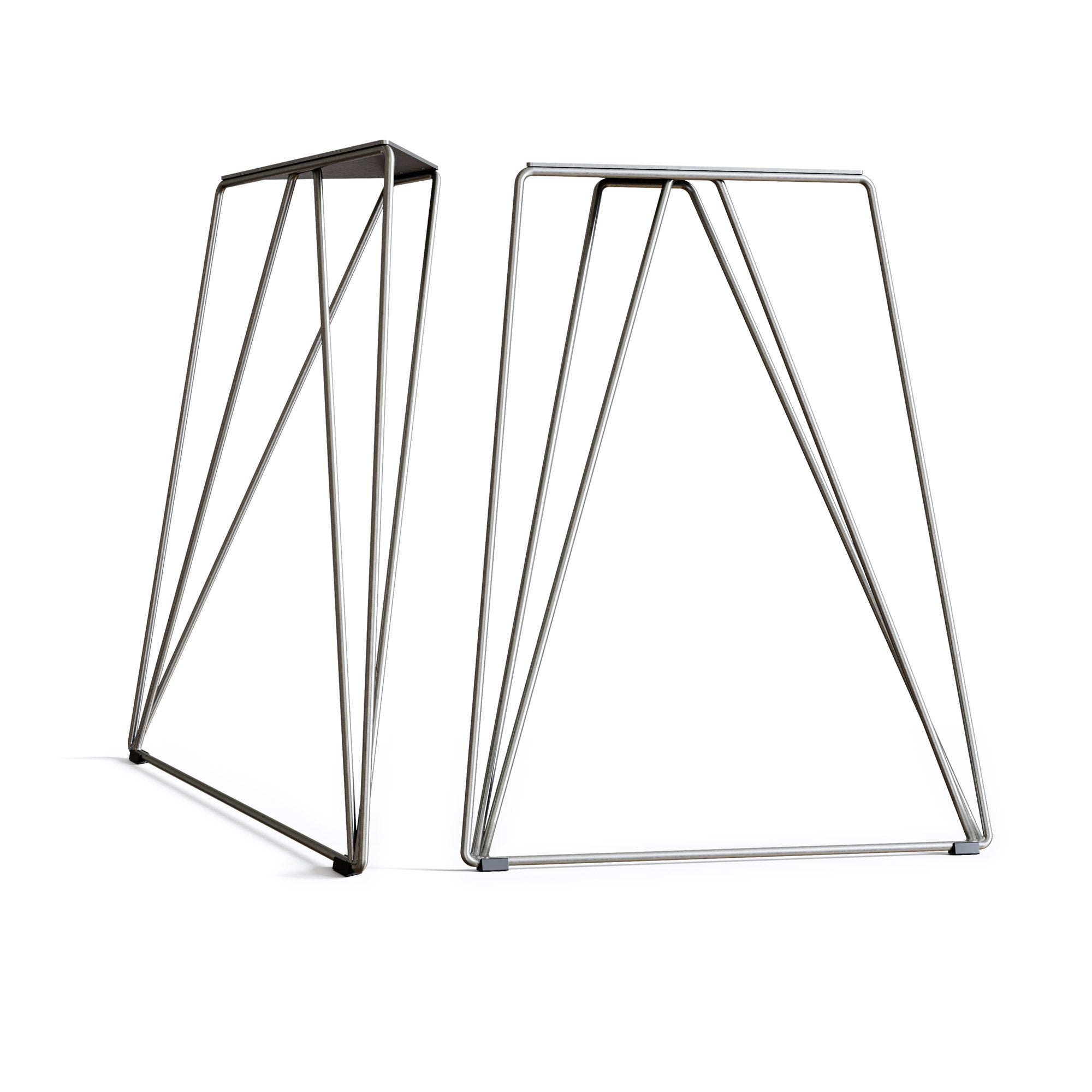
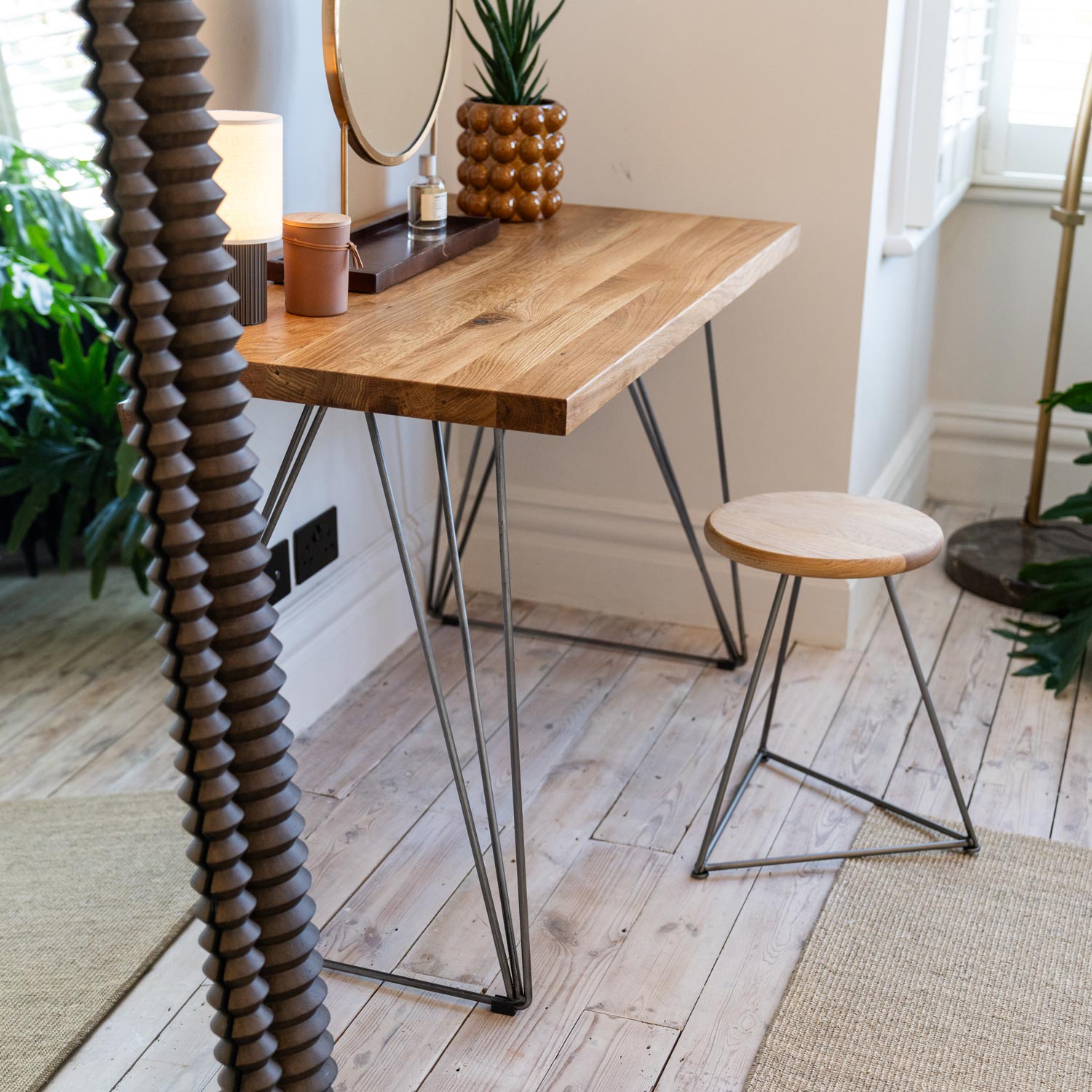
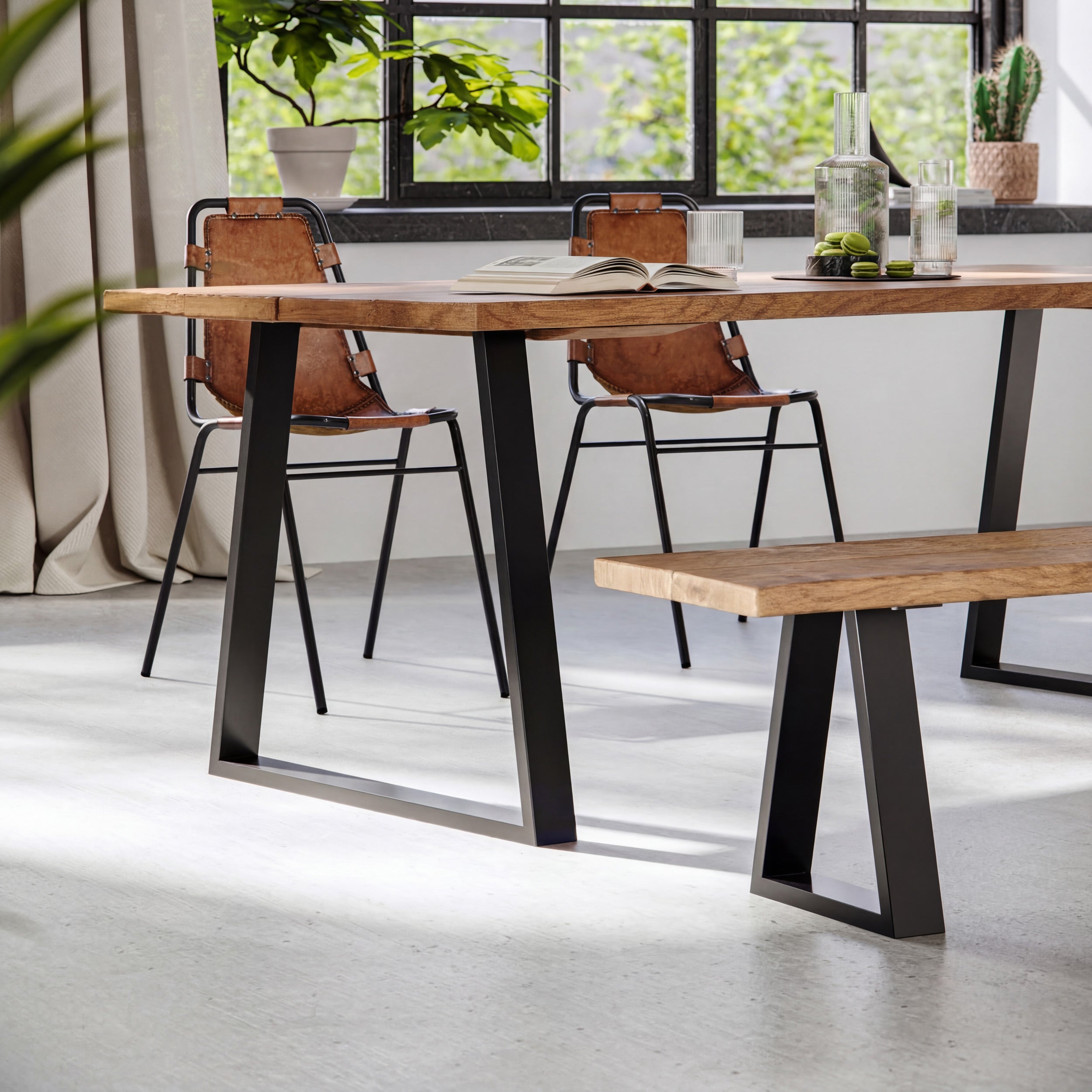
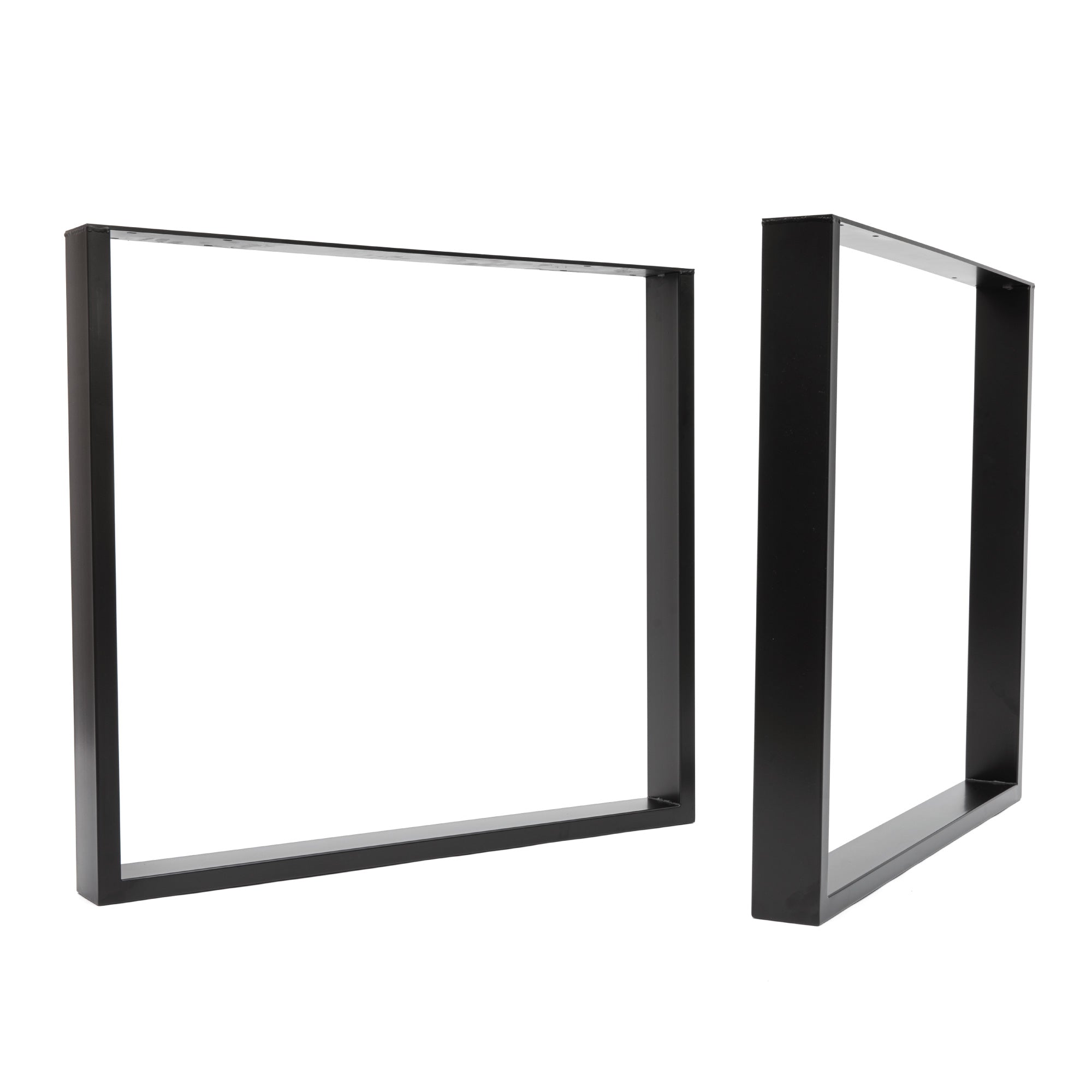
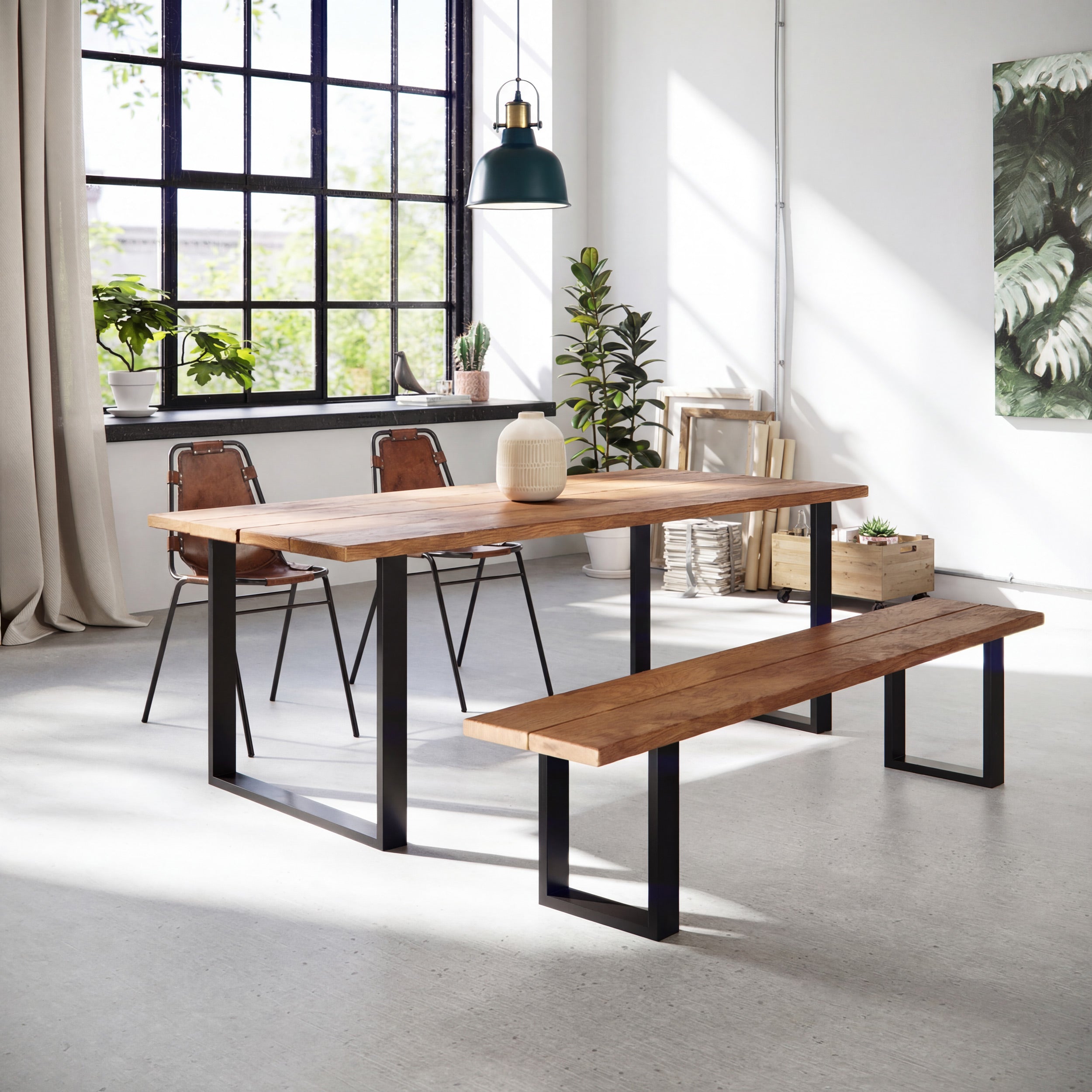
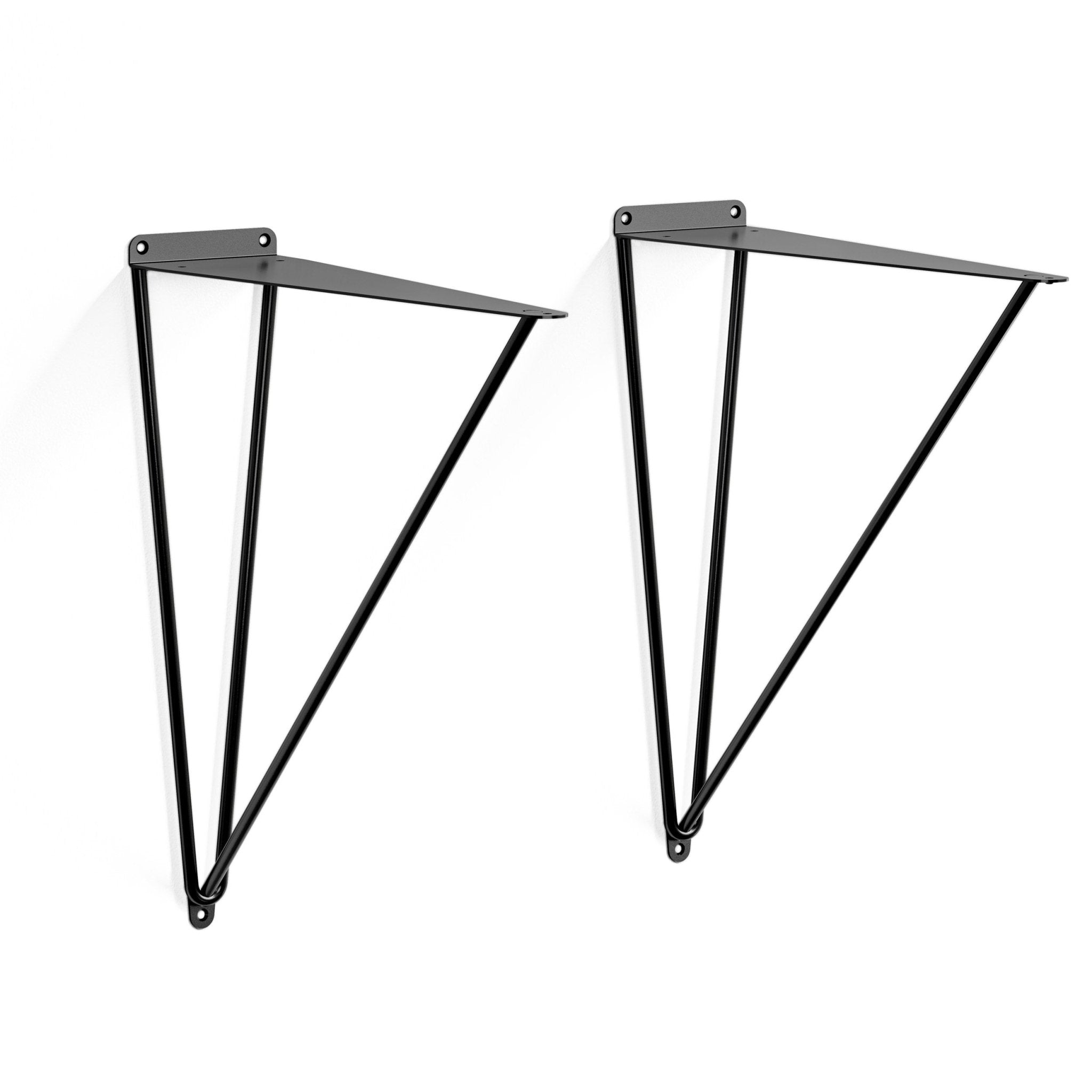
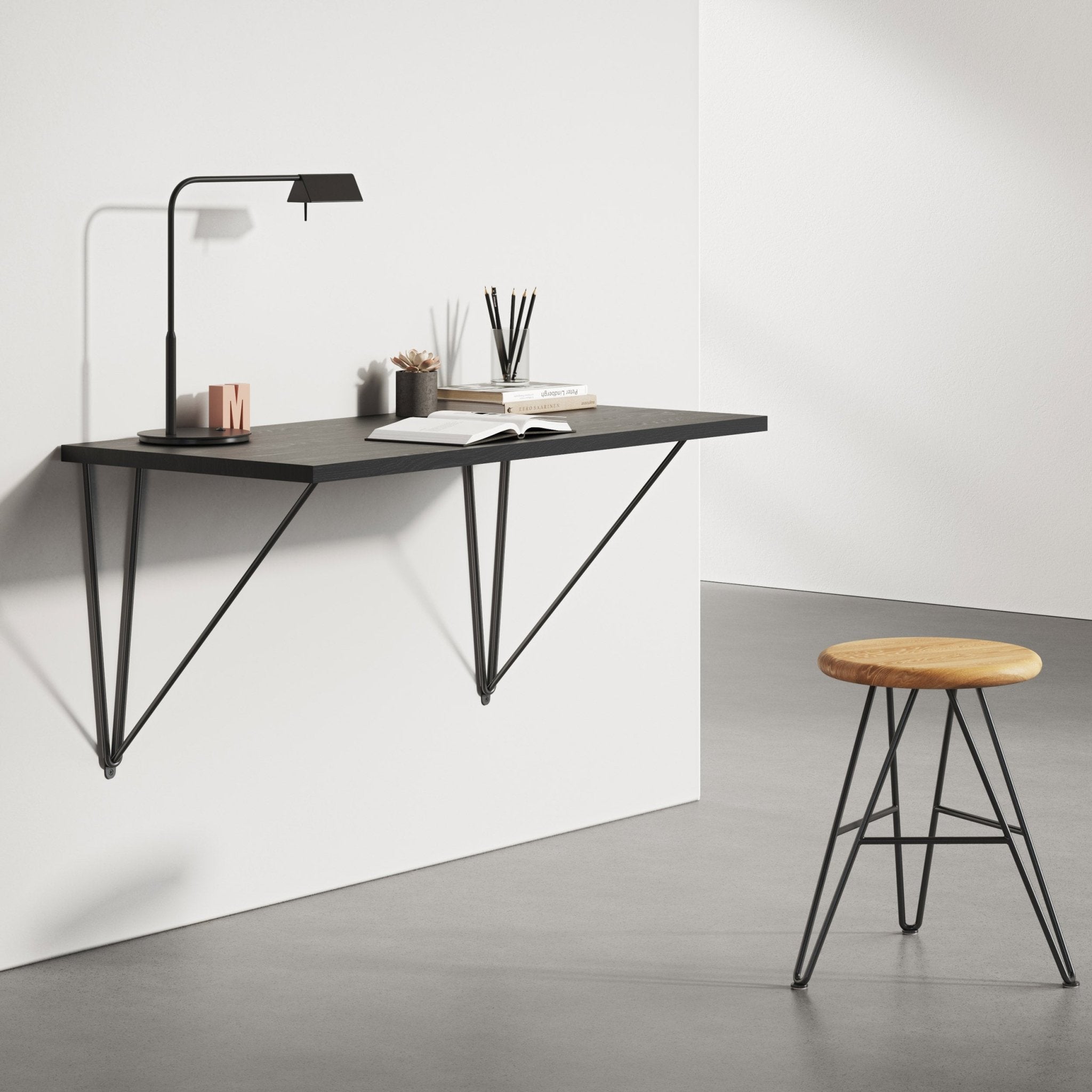
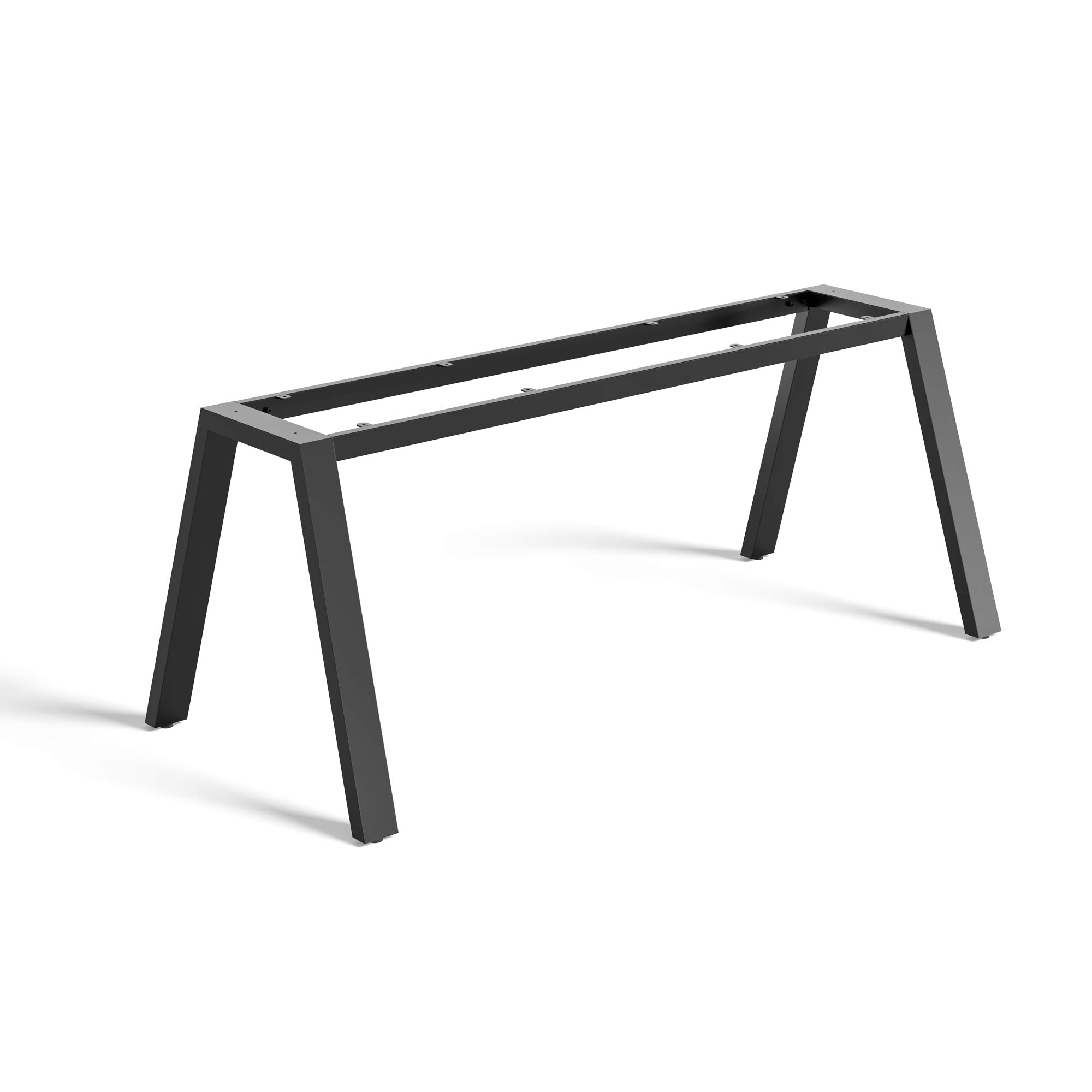
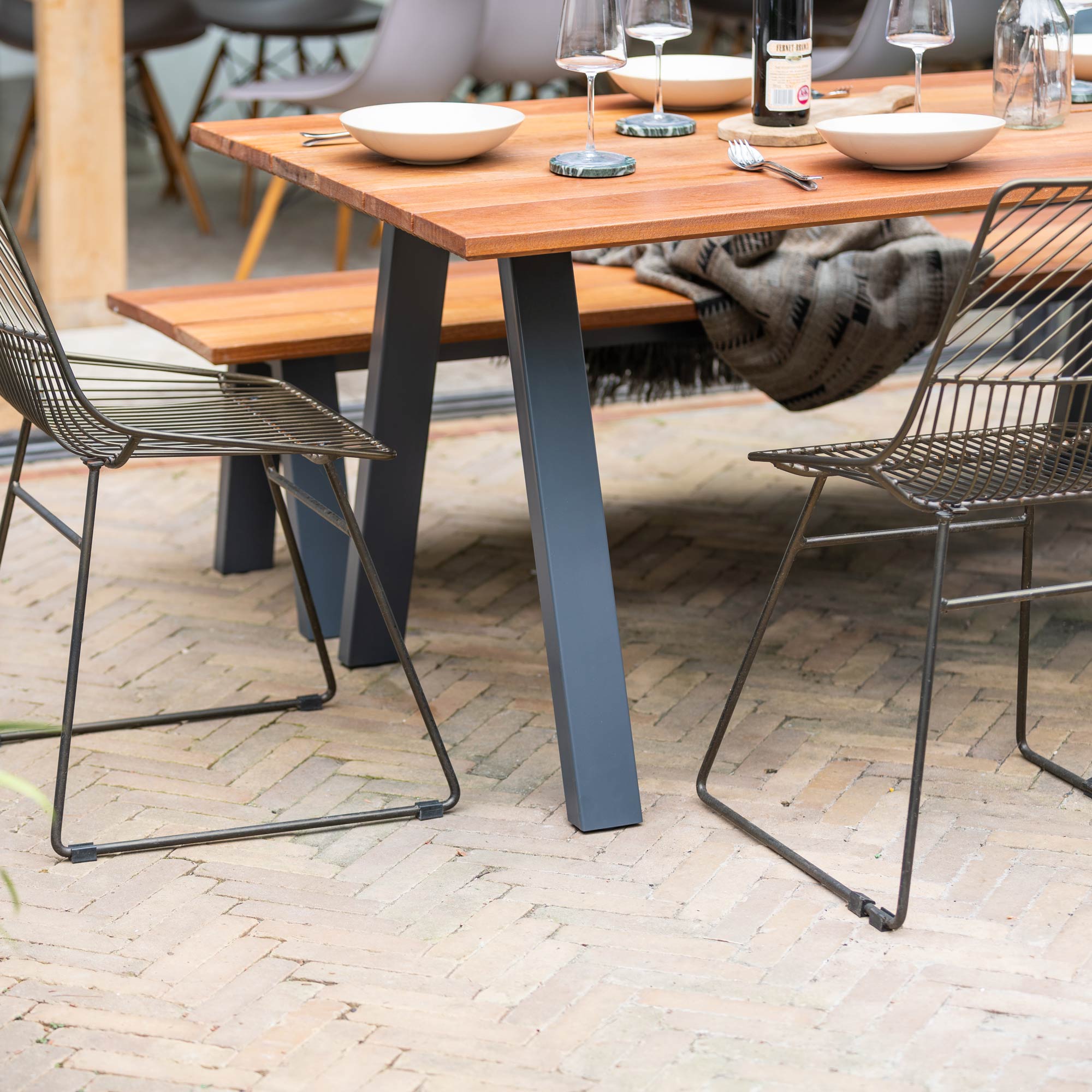
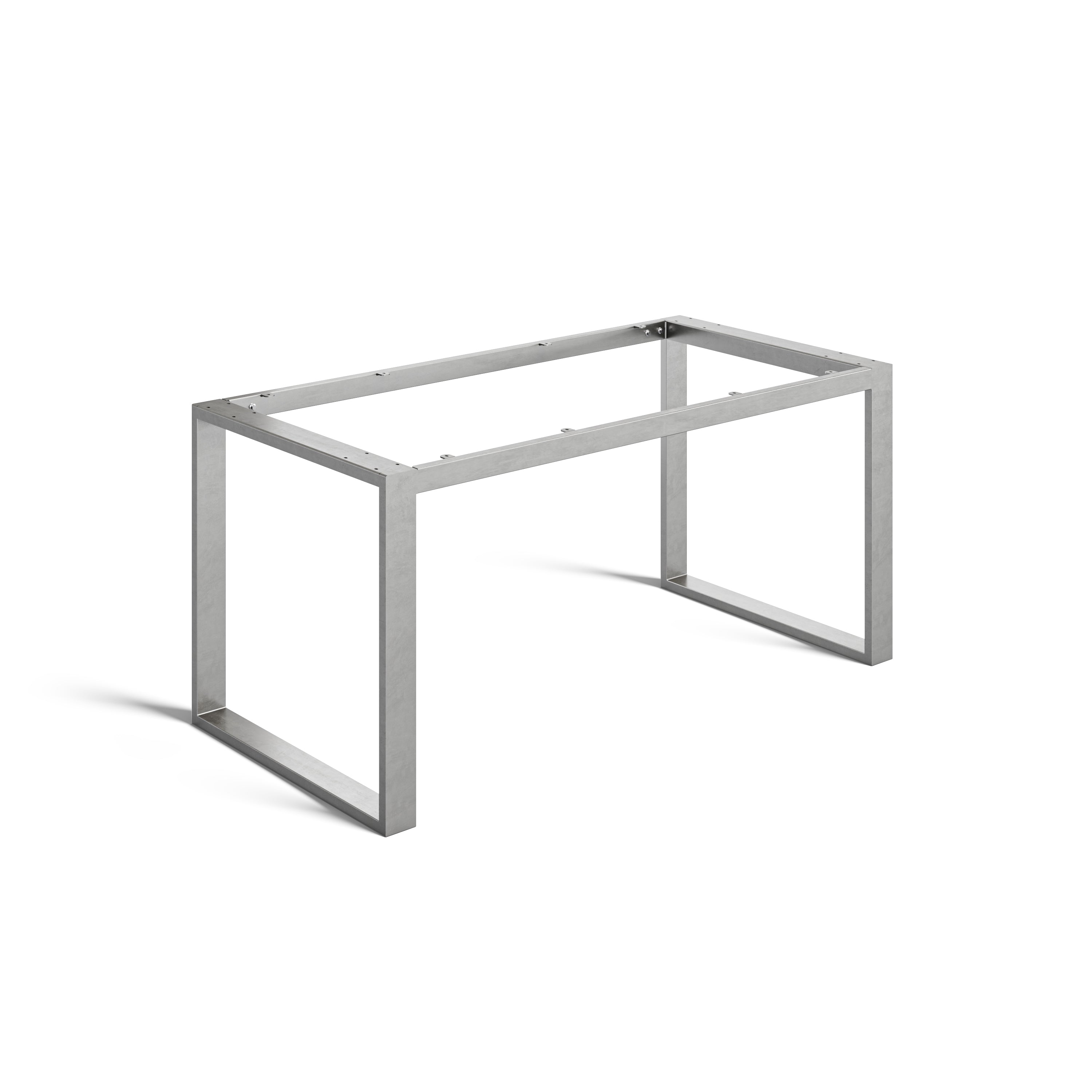
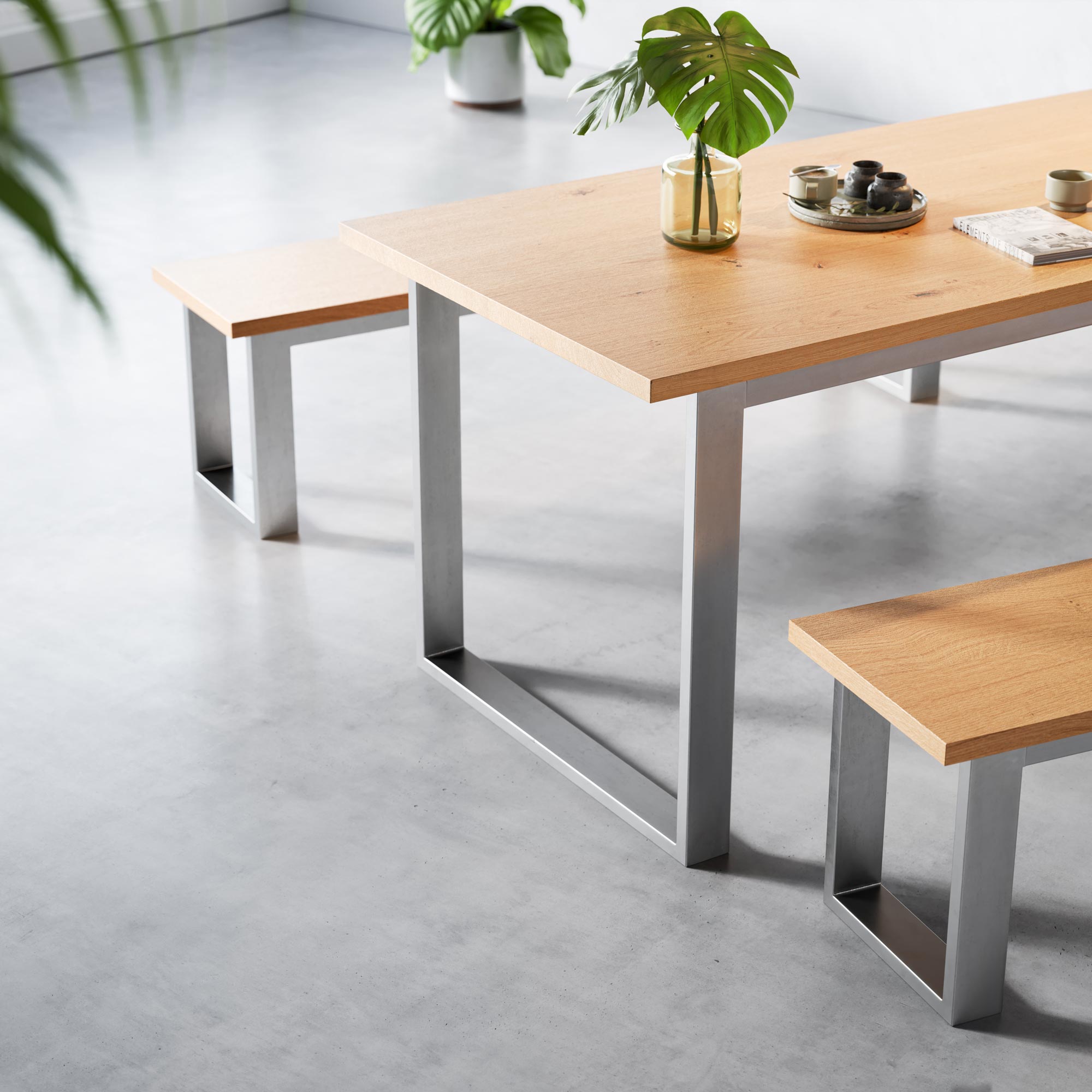
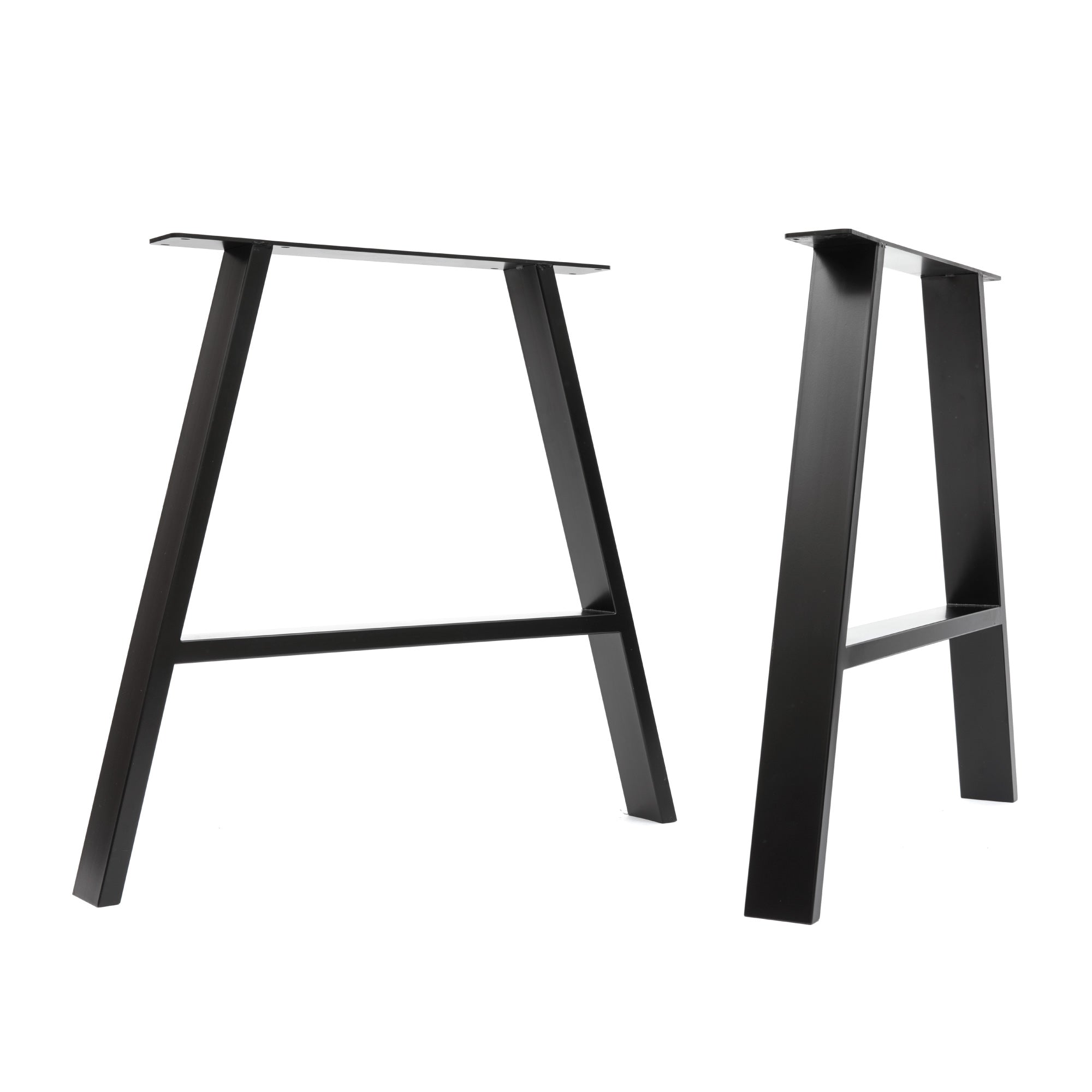
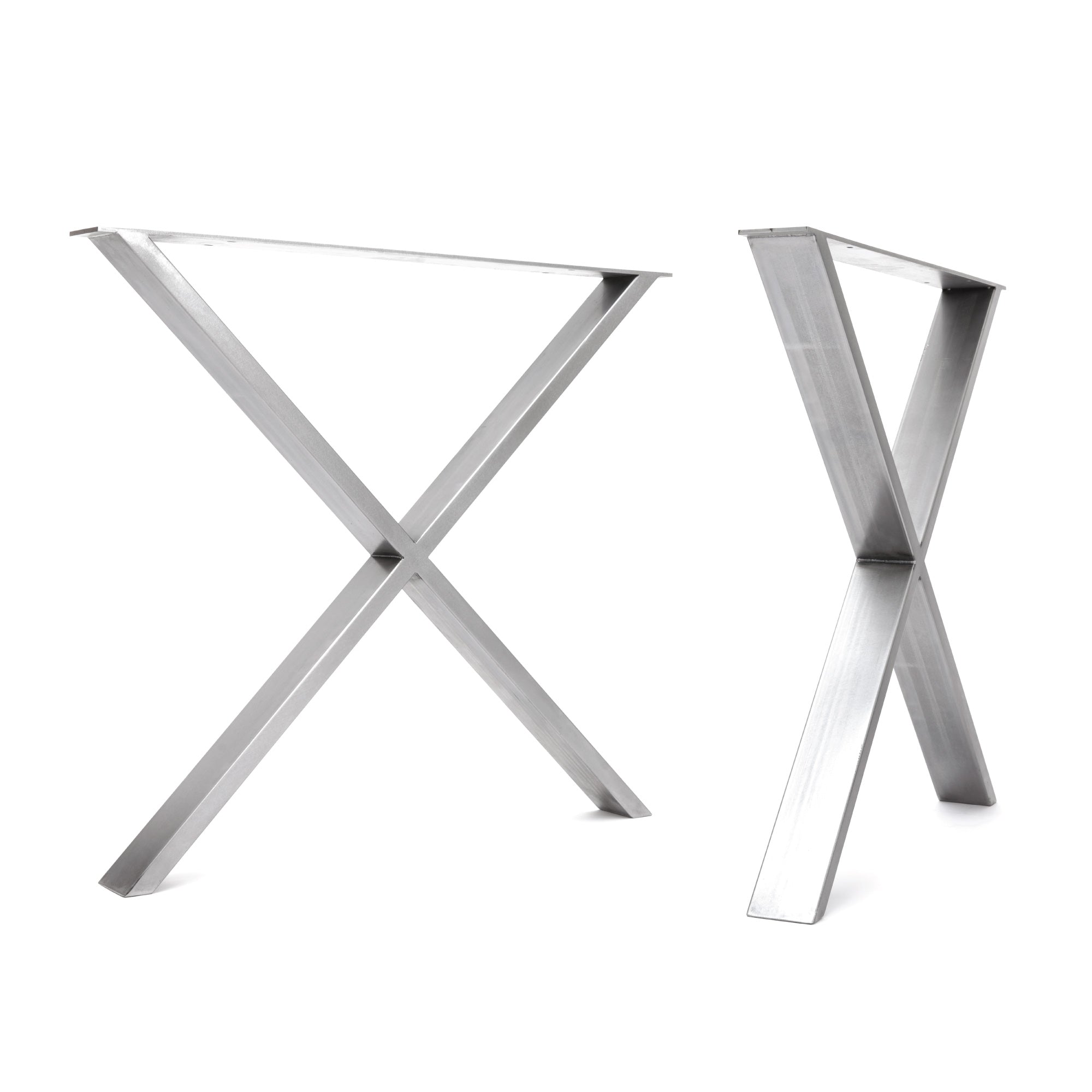
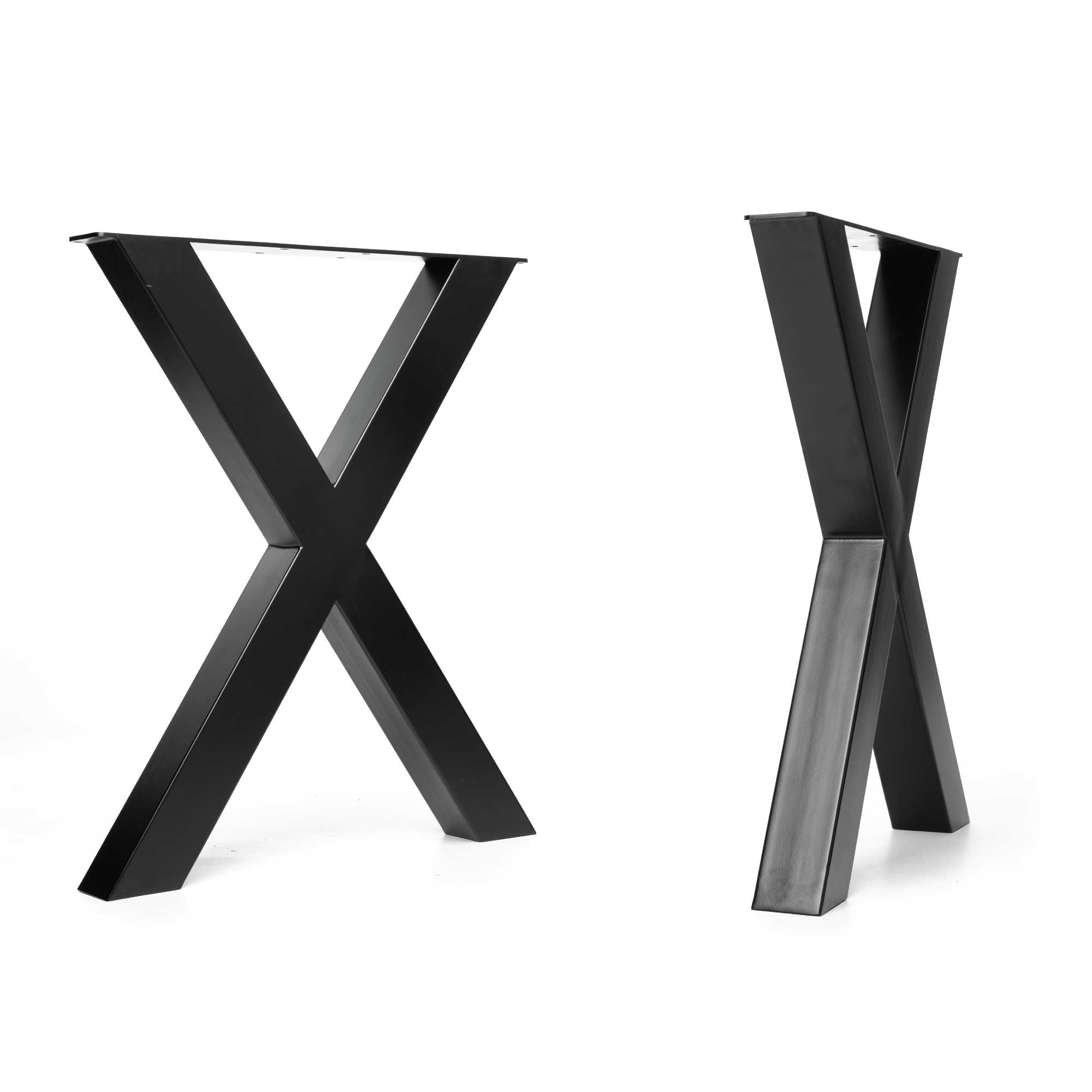
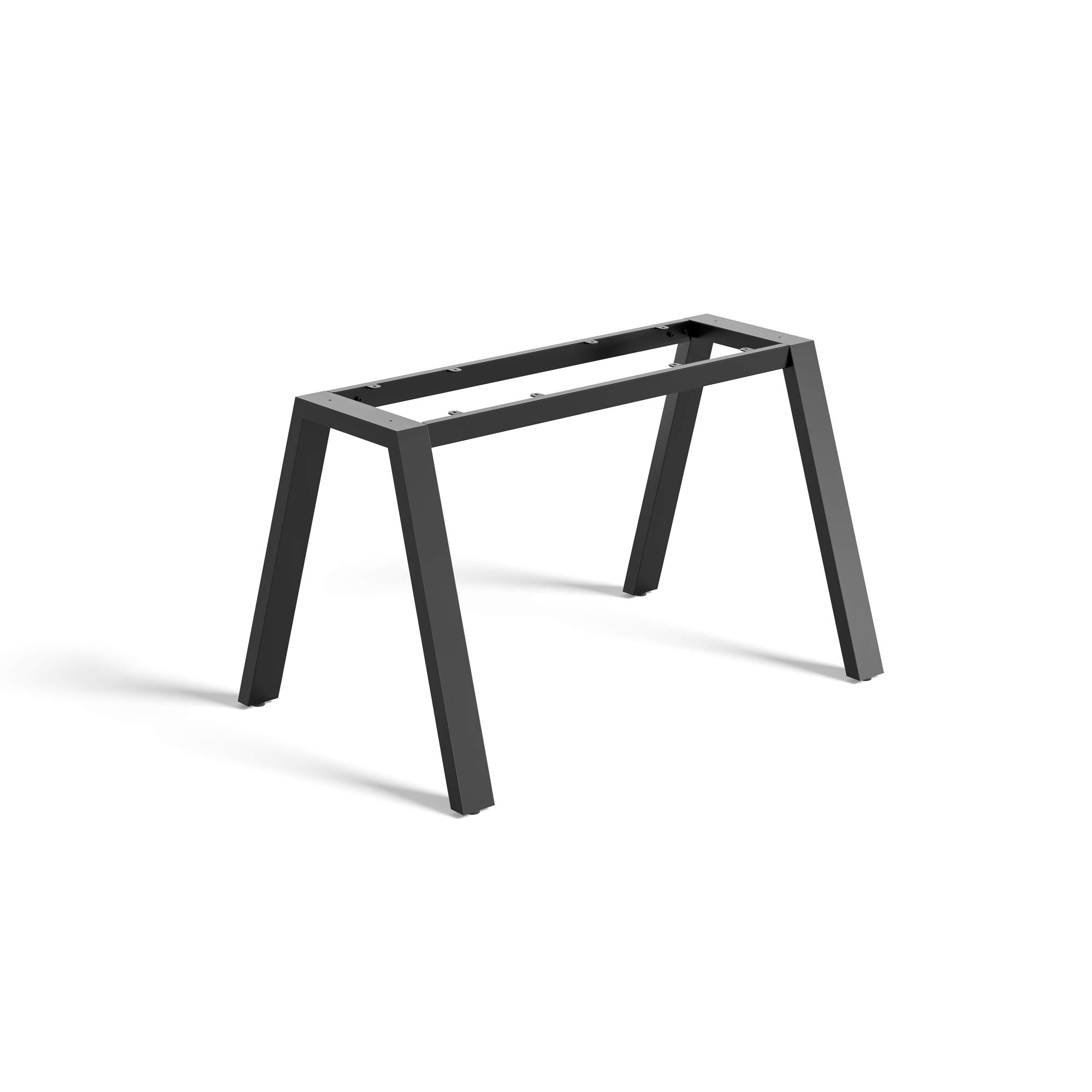
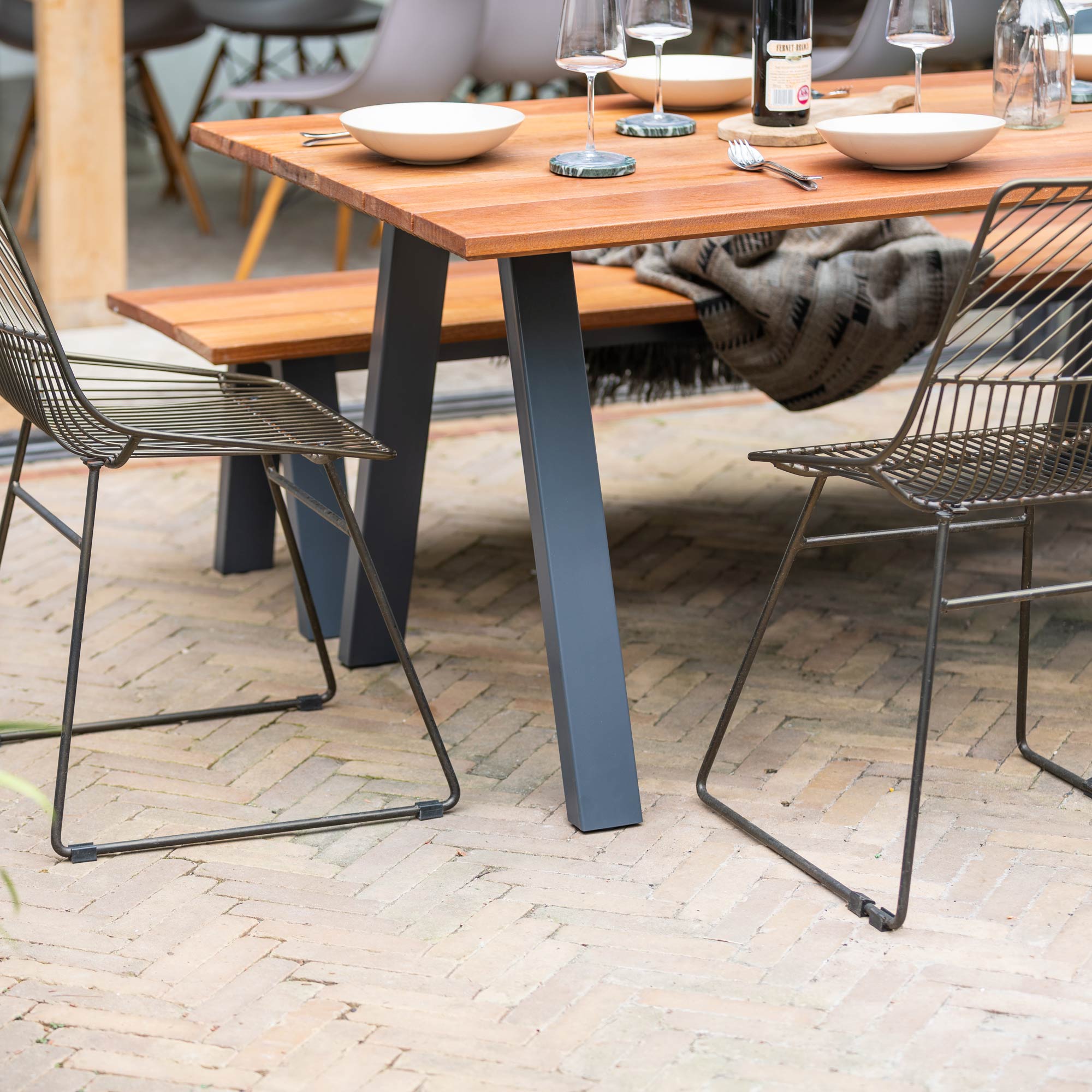
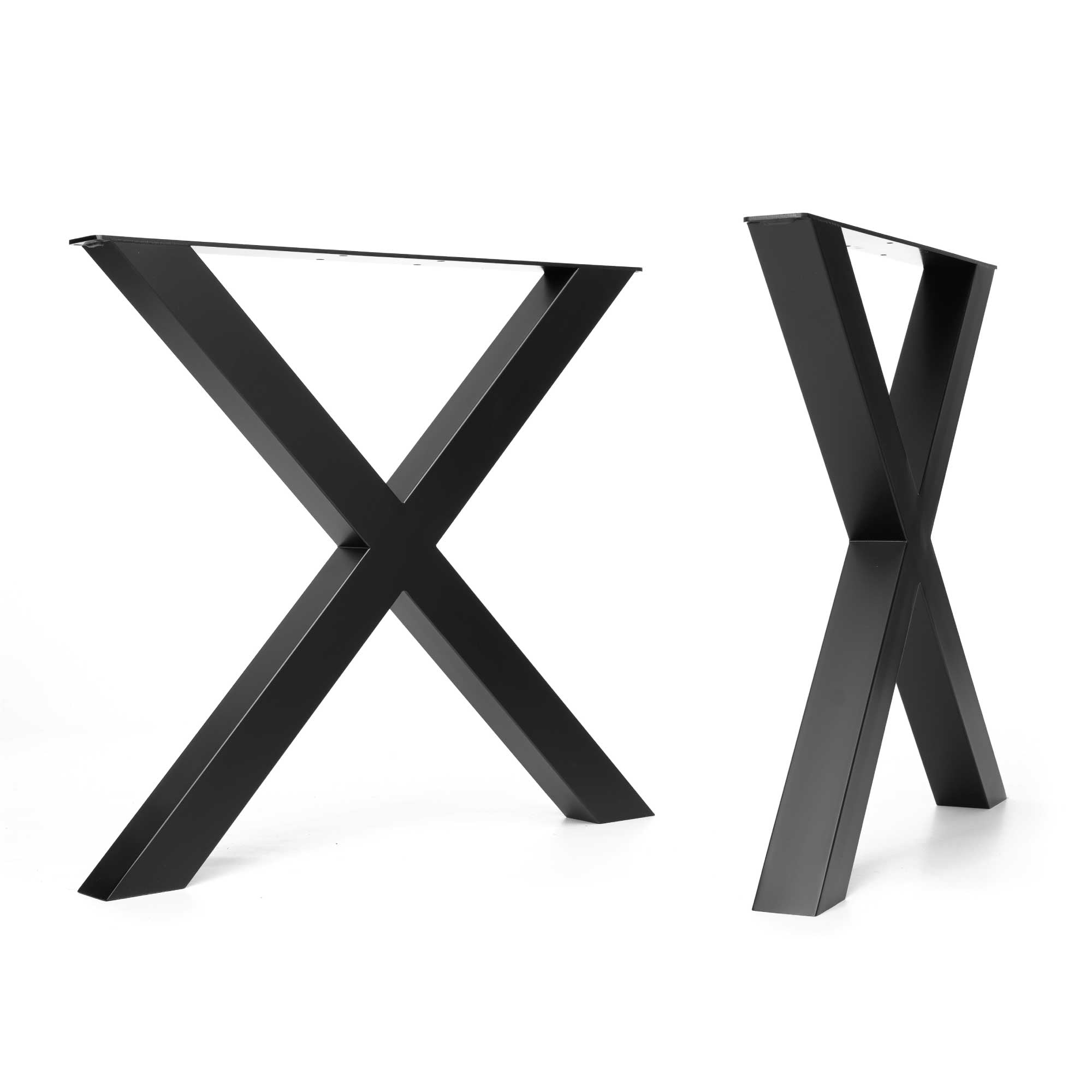
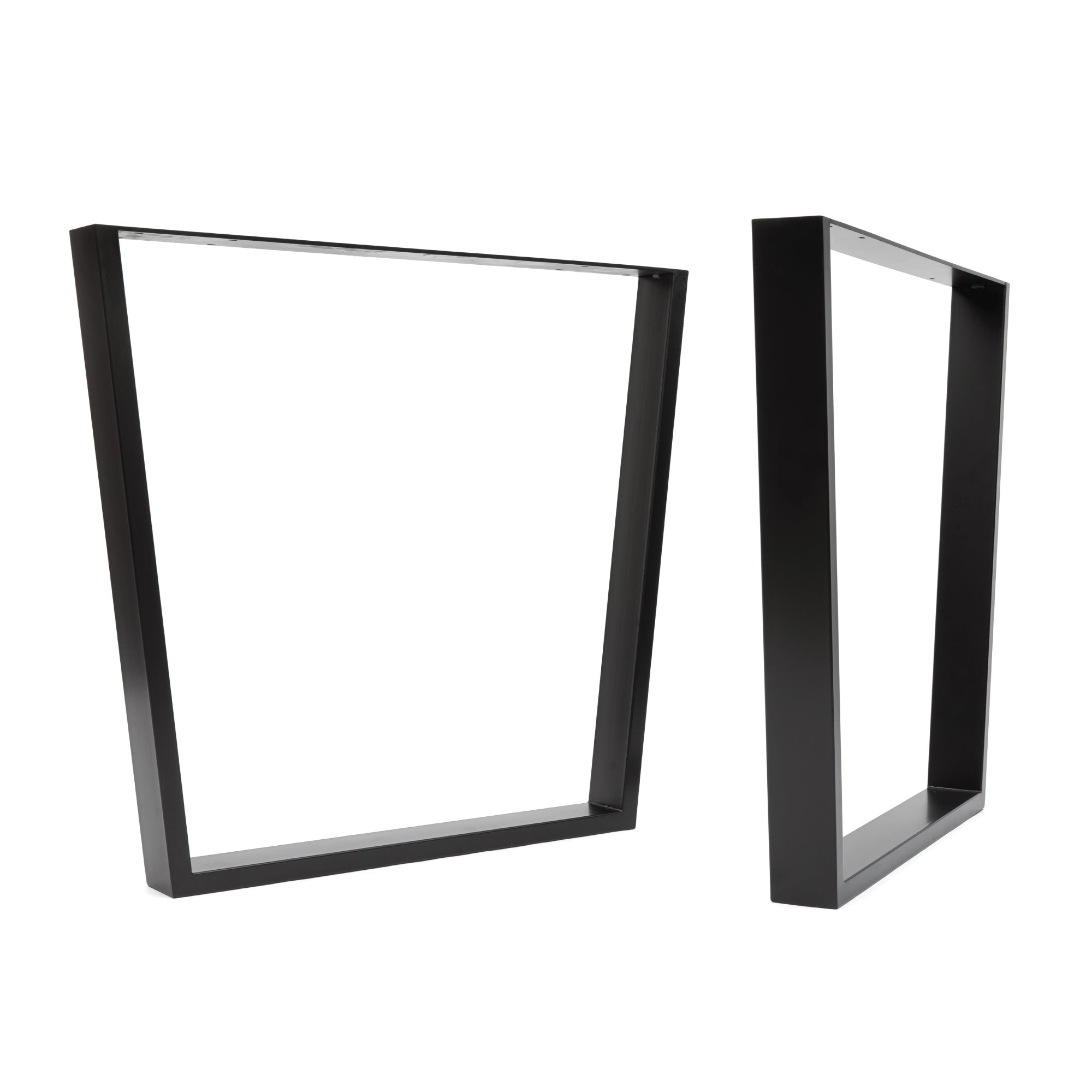
Hairpin and single-pin legs come in sets of 4, one per corner. Box-section legs are the pair version: two separate legs with no joining bars, one at each end of the top. Our self-supporting bolt-together box-section frame legs, the Square Industrial and Quad frames, are different again: they bolt together with joining bars into a single freestanding unit that fixes to the top as one piece. They are the only legs we make that are self-supporting, so the frame carries the strength and stability rather than leaning on the top. That makes them as happy under a thin, non-structural top as under a thick, heavy slab. Tapered oak legs are the premium option in solid wood, and for a floating desk with no front legs at all, the Prism Wall Desk Brackets fix to the wall instead.
There is no hard rule tying style to desk size. Box-section leans a little more heavy-duty and hairpins a little lighter, but that is a tendency, not a limit. Box-section is fine under a light top, and a Heavy Duty hairpin carries a large desk.
Steadiness for monitors
A desk holds concentrated weight towards the back edge: monitors, or a monitor arm clamped to the top. If your setup is heavy back there, a box-section pair or a 3-rod hairpin is the steadiest choice under everyday knocks and typing. For a heavy monitor or a multi-screen arm, an L-channel stiffening bar fixed along the underside of the top adds rigidity where the weight loads the surface, keeping the desk rock-solid.
Weight guidance
Our weight figures are quality guidance, not breaking limits. They tell you the load a finished desk will carry while still feeling rock-solid, with no wobble, flex or reverberation in everyday use. The point at which a leg would actually fail is far higher, and we do not quote it. As a rough guide, a Classic hairpin build holds around 60kg, a Heavy Duty hairpin around 120kg, and a pair of box-section legs around 150kg. The bolt-together frames are stronger again, though we cap our guidance at 150kg. Tapered oak holds around 60kg.
What you'll need
The top is sold separately; our desk tops are made to pair with these legs. For most legs, marking the holes through the leg's own base plate is the simplest way to line them up. For more precision, our Premium Drilling Kit adds a centre punch and countersink bit, and we can supply a paper fitting template for most legs on request. For a long desktop, or a thinner one that could flex, an L-channel stiffening bar along the underside adds stiffness for a rock-solid surface. The legs hold up the top, but the top does its share of the work: a solid, stiff top is a big part of what makes the finished desk feel rock-solid.
FAQ
How tall are the desk legs?
Will they take monitors or a heavy setup?
Can I build a floating or wall-mounted desk?
Should I choose hairpin or box-section legs?
What are the bolt-together box-section frame legs?
Do the legs come with fixings?
How big a desk can I build?
Can't find your answer? Contact us.