


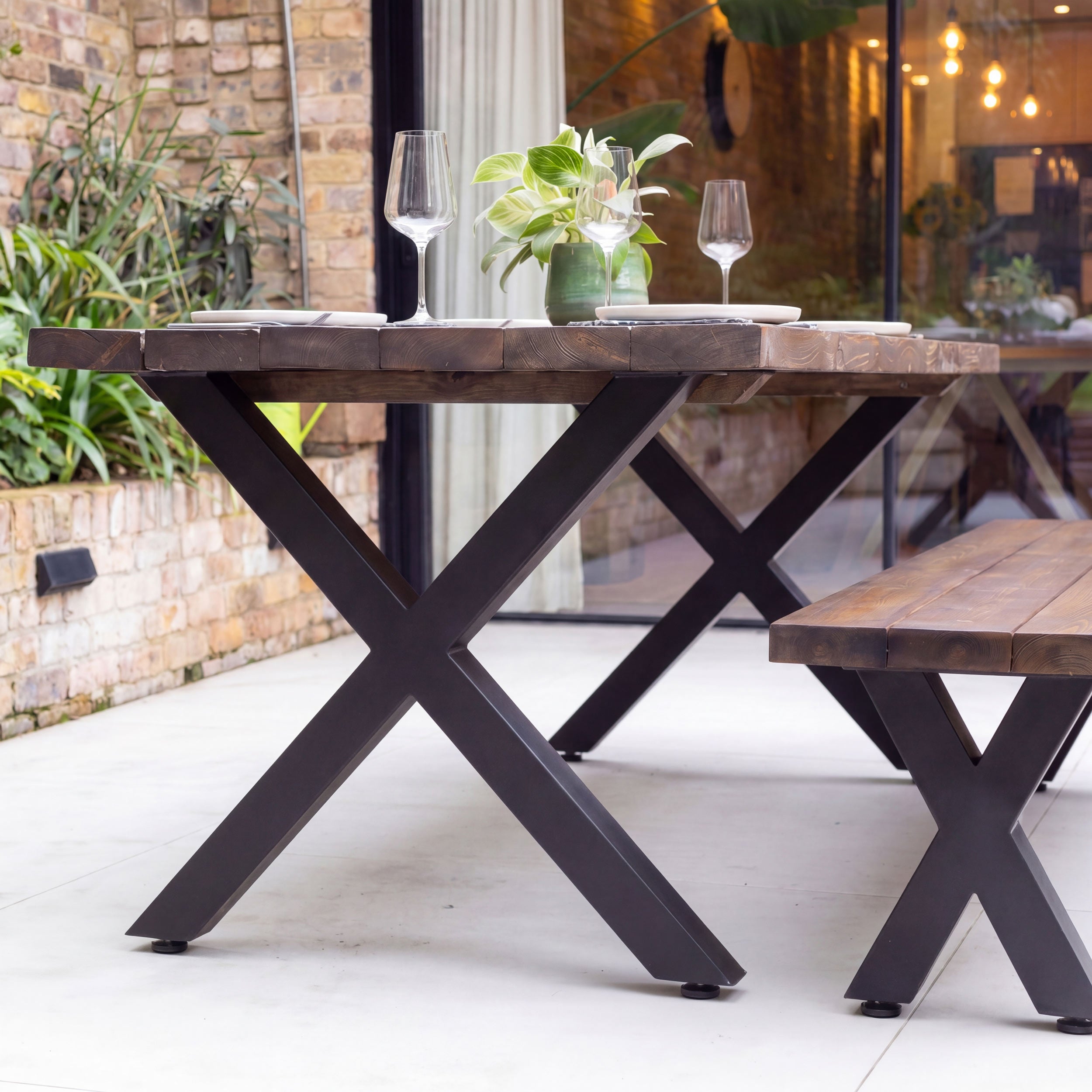
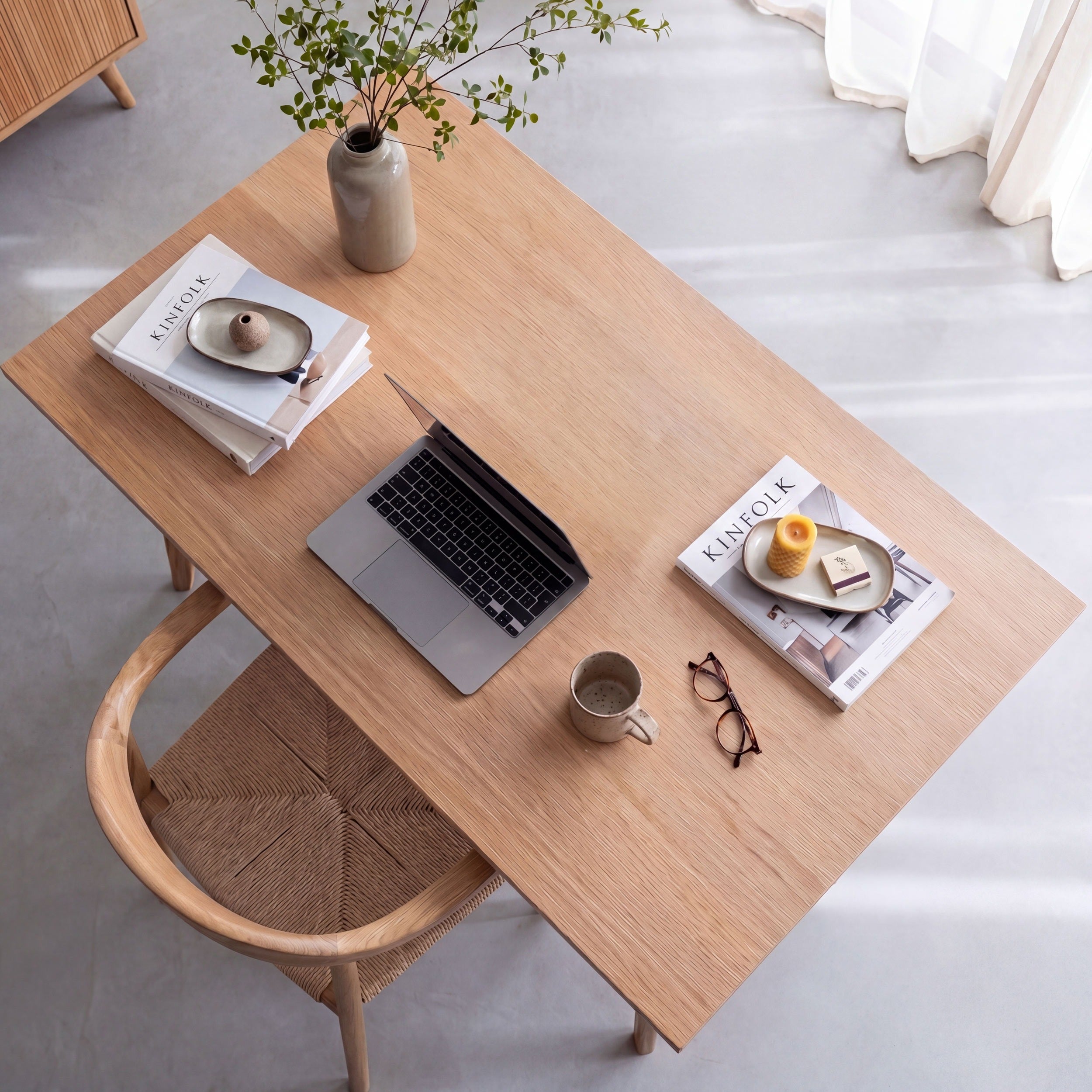


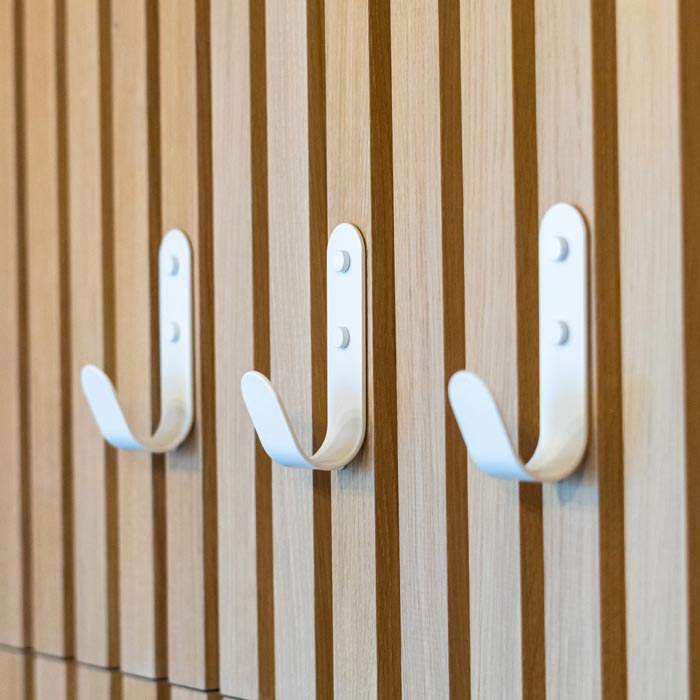
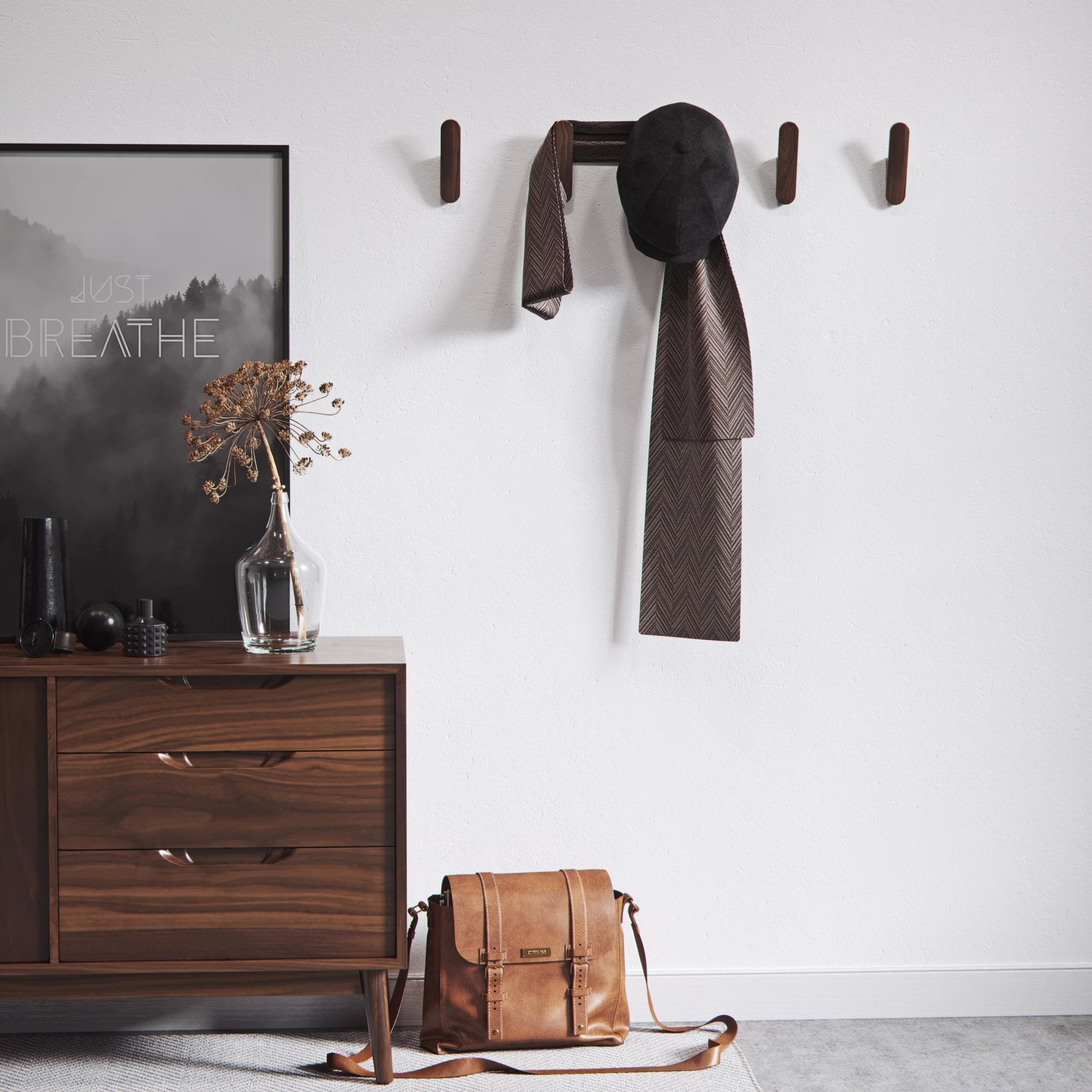

You can create showpiece wood furniture at a fraction of the cost you’ll pay at a boutique. Add some new wooden furniture legs and watch your table go from humdrum to hip. But you’ll need to know how to finish wood furniture if you want to customise it properly.
Finishing wood furniture is easy if you follow the proper procedures. We’ll walk you through the steps of how to finish natural wood furniture. You’ll be well on your way to becoming a wood furniture finishing master once you finish this article.
Our DIY wooden table legs come finished with an eco-friendly hard oil wax. We have low table legs suited for coffee tables and high table legs for breakfast bars. You’ll find both wooden legs and metal legs at our storefront. You’ll surely find something that strikes your redecorating fancy.
Want to bring your vision of your rejuvenated furniture to life? Shop at The Hairpin Leg Company today!
What’s the Point of Finishing Wood Furniture?
Is finishing wood furniture worth the bother? Your unfinished wooden furniture looks lovely as it is. Must you really add a finish?
The answer is “yes.” Finishing wood furniture preserves its beauty and protects against various types of damage. Here's why adding a finish is mandatory.
Protects the Wood From Moisture, Sunlight, and Everyday Wear
You’ve seen grey, crumbling logs on a walk. They’ve been soaked through with damp and bleached brittle by sunlight.
Raw wood absorbs moisture from the air. This causes warping, cracking, and mildew. UV light can streak and fade an unfinished wood surface. A proper finish will preserve your wood furniture’s shape and colour, which is important even indoors
Enhances the Natural Grain, Colour, and Character of the Wood
Penetrating finishes create a contrast between different wood fibres. The grain becomes darker and more prominent as it soaks up the oils.
Surface finishes fill in microscopic pores and imperfections. You see the wood’s unblemished surface and colour.
Makes the Surface Easier to Clean and Maintain
The pores in unfinished wood can trap dirt and grime. Finishing seals those pores. Spills and sticky residues will soak into and stain porous unfinished wood. Those same spills and residues are stopped in their tracks when they run into a surface film or a polymerised oil layer.
What’s the Best Finish For Wood Furniture?
What’s the best finish for wood furniture novices? We recommend oil finishes for first-time remodelers. They’re easy to apply and easy to fix. You can experiment with other finishes once you master oil finishing.
Some claim that polyurethane finishes are the best choice when asked how to finish outdoor wood furniture. Alas, that’s not correct. There is no way to prepare wood furniture legs for outdoor settings. We talk about this in our article on how to protect wooden table legs outdoors.
The secret of how to finish outdoor wood furniture is simple. Bring it inside where it belongs.
Factors to Consider for Legs Specifically
Finishing a broad, flat tabletop surface is easy. A narrow furniture leg with curves and turnings may prove more difficult. Furniture legs are more prone to drips and runs while brushing. Spray finishing can lead to an unattractive “orange peel” texture.
Furniture legs don’t get as much traffic as a bar or tabletop. But they frequently face bumps from vacuums, shoes, and pet scratches. You may find yourself applying penetrating oils and waxes regularly to keep your furniture legs in top shape.
Why We Use Natural Hardwax Oil
We use natural hardwax oil on our finished furniture legs. Its thin protective wax layer shows off the wood's natural beauty and protects against dirt, water, and light scratches. The oil soaks into wood, where it protects and nourishes the structure.
Hardwax oil is also easy to apply. You simply wipe it on and off with a cloth or brush. Sand away a scuff or reapply a new coat without refinishing the entire piece. First-time owners will have no trouble touching up the finish as required.
Shop Expertly Finished Wood Furniture Legs at The Hairpin Leg Co.
Don’t feel comfortable finishing wood furniture legs on your own? Our furniture legs arrive finished. We have expertly finished furniture legs of all sizes, from table legs to sofa legs.
All you have to do is replace old legs with new legs from The Hairpin Leg Co. and your old furniture will take on a whole new life. We’re happy to provide you with advice on how to finish wood furniture. But we also provide finished accessories if you want to avoid the hassle!
How to Finish Wood Furniture: Tips on Self-Finishing Wood Furniture Legs
You may get nervous at the thought of finishing wood furniture. But the process is easy when you follow the proper steps!
Here’s how to finish wood furniture in six easy steps.
Step 1: Sanding the Surface
You must properly prepare the wood surface to get a good finish. Sanding removes imperfections and prepares the wood to accept a finish. See our guide on how to sand furniture legs for more sanding tips.
Start with 120-grit medium sandpaper. Move up to finer grits and finish with a 180 to 220-grit fine sandpaper. You’re done when the wood feels perfectly smooth, and further sanding doesn’t make it feel smoother.
Step 2: Clean the Wood
Leftover dust can result in a bumpy, uneven finish. Clean the wood surface using a vacuum with a brush attachment. Then wipe the wood down with a tack cloth or a rag lightly dampened with mineral spirits.
Step 3: Choose Your Finish
Penetrating finishes soak deep into the wood to beautify and strengthen it. Some common penetrating finishes include tung oil, linseed oil, and Danish oil.
Surface finishes create a film atop the wood. Polyurethane, lacquer, and varnish are popular surface finishes.
Hardwax finishes give you the best of both worlds. They combine wax for a thin but strong surface shield and oils for penetration deep into the wood. Like we said earlier, we use hardwax oil on our finished table legs.
Step 4: Apply the Finish
This step depends on the type of finish you choose for your project. Oil finishes are typically applied with a clean rag, while surface finishes require a paint brush or sprayer. Here are more detailed instructions regardless of your chosen method.
Oil Finish
Soak the wood well with the oil finish and let it set for about 10-15 minutes. Most of it will soak in. Wipe off any remaining excess oil, then let the oil cure for 24-48 hours.
Sand the finish lightly with 320-grit sandpaper before applying a second coat. Multiple coats take time, but will give your wood a shiny, satiny sheen.
Surface Finish
Don’t use cheap brushes for your surface finish. They leave unattractive thin spots. Use a proper brush or sprayer. Also, be sure to stir your finish thoroughly before application.
We recommend a minimum of two coats, but more may be necessary to get the desired sheen. Sand with a 320-grit sandpaper between coats to remove imperfections and help the coats bond together.
Step 5: Buff or Seal (If Necessary)
A final buffing gives your furniture a satiny smooth feel and a warm shine. It removes bubbles and imperfections and levels the finish. You can use a buffing pad or a soft towel. Buff firmly but not too hard. You want to perfect the finish, not damage it.
Furniture wax provides additional protection and adds a warm glow. Rub on a thin coat and let it set. Then buff it until the coating is even.
Closing Thoughts on How to Finish Natural Wood Furniture
Now that you know how to finish wood furniture, you can restore old furniture to its former glory. And you also know that when you need the best furniture restoration accessories, you'll find them at The Hairpin Leg Co.
Our wooden table legs are a great upgrade for wooden tables of all sizes. Choose our table frames for glass, marble, or composite tabletops. Contact us today if you have any questions.
Don’t waste money on new furniture or expensive boutiques. Take charge of your furniture renovations today with The Hairpin Leg Co.!



Leave a comment
This site is protected by hCaptcha and the hCaptcha Privacy Policy and Terms of Service apply.